Living Room Chair Rail Ideas That Transform Your Space
Living room chair rail ideas let you add style, protection, and dimension to your walls with ease. From classic wainscoting to bold wallpaper designs, these molding options suit every budget and taste. This guide covers styles, heights, installation tips, and creative combinations to help you transform your space like a pro.
Key Takeaways
- Chair rail molding adds both decorative appeal and wall protection to your living room.
- Standard chair rail height sits between 32 and 48 inches, but you can customize it to your space.
- Pairing chair rail wallpaper with molding creates a high-end wainscoting look on any budget.
- Easy chair rail installation is achievable with basic tools and a little patience.
- Mixing chair rail trim with crown molding or baseboards creates a cohesive interior wall trim story.
- Painted molding and painted chair rail options let you match any color scheme effortlessly.
- Creative living room chair rail ideas work in farmhouse, modern, traditional, and rustic decors alike.
📑 Table of Contents
- What Is a Chair Rail and Why Does It Matter?
- Popular Living Room Chair Rail Styles
- How to Choose the Right Chair Rail Height
- Chair Rail Installation Tips for Beginners
- Combining Chair Rails with Other Decorative Elements
- Living Room Chair Rail Ideas for Every Budget
- Common Mistakes to Avoid with Chair Rails
- Bringing It All Together
What Is a Chair Rail and Why Does It Matter?
A chair rail is a horizontal strip of molding that runs along your wall, typically about one-third of the way up from the floor. People originally installed them to protect walls from chair backs scraping against the surface. Today, living room chair rail ideas go far beyond protection. They serve as a design element that divides wall space, adds architectural detail, and ties a room together.
If you have ever walked into a room and felt something looked “finished” but you could not quite put your finger on it, chances are it had decorative molding like a chair rail. These simple strips create structure and balance. They give your walls a sense of purpose and direction. Even in a small living room, a well-placed chair rail makes the space feel intentional and polished.
The beauty of chair rail molding lies in its versatility. You can keep it plain and subtle or make it a bold focal point. It works with almost any living room decor style. Whether your taste runs toward rustic farmhouse or sleek contemporary, a chair rail adapts to your vision. Let us explore the many ways you can use this classic design element.
Quick Tips for Understanding Chair Rails
- A chair rail cap is the decorative top piece that finishes the molding profile.
- Molding profiles refer to the shape and design of the trim piece itself.
- Interior wall trim includes chair rails, baseboards, and crown molding as a complete package.
- Chair rails work on almost any wall surface, including drywall, plaster, and even concrete.
Popular Living Room Chair Rail Styles
Not all chair rails look the same, and that is the beauty of it. Different styles create different moods. Let us walk through the most popular options for living room chair rail ideas so you can find what speaks to you.
Classic Wainscoting Style
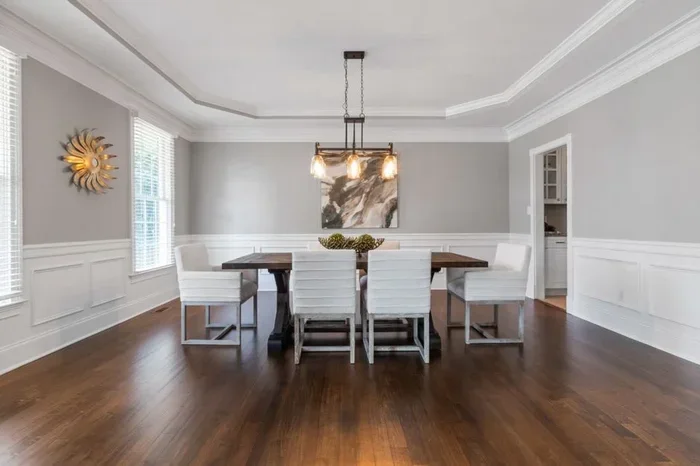
Wainscoting is one of the most beloved approaches to chair rail design. It involves installing panels between the chair rail and the baseboard, often filling the lower third of the wall. Wainscoting panels can be flat, raised, or recessed, giving you plenty of options. This style feels timeless and elegant. It works beautifully in traditional and transitional living rooms.
Many homeowners choose chair rail wallpaper for the lower panel section. This adds color and pattern without committing to painting the entire wall. A subtle geometric pattern or a soft floral design looks stunning behind a chair rail trim. The result feels upscale and curated, almost like a boutique hotel wall.
Modern Minimalist Approach
If you prefer a clean, streamlined look, a simple painted chair rail might be your perfect match. Modern living room chair rail ideas often feature a single, narrow molding line with no panels. You paint the rail the same color as the wall, so it creates a subtle shadow line instead of a bold border. This approach keeps the room feeling open and airy while still adding architectural interest.
For a more dramatic modern effect, try a wide, sculptural molding profile. Thicker decorative molding makes a statement without overwhelming the room. Pair it with a contrasting paint color for a contemporary edge that feels intentional and stylish.
Farmhouse and Rustic Charm
Farmhouse decor has taken the design world by storm, and chair rail ideas play a big role in that aesthetic. Farmhouse-style chair rails often feature a slightly distressed or reclaimed wood look. You might see shiplap panels below the rail or a simple, unadorned molding with a natural wood finish. This style feels warm, inviting, and grounded.
Pair your painted molding with shiplap for a layered farmhouse look. The combination of horizontal lines creates visual texture that makes walls come alive. Add some exposed brick or a stone fireplace nearby, and you have a cozy retreat that feels like a countryside escape.
Bold and Patterned Chair Rails
Do not be afraid to go big with your chair rail design. Some homeowners use wallpaper on the entire lower wall section, creating a dramatic wall paneling effect. Others choose a contrasting paint color above and below the rail. A deep navy below and soft white above creates a classic two-tone look that never gets old.
You can also use wall molding ideas beyond the standard straight line. Consider a chair rail with a slight curve or a stepped profile for a more unique look. These creative touches set your room apart and show real design personality.
How to Choose the Right Chair Rail Height
Chair rail height is one of the most important decisions you will make. The wrong height can throw off the entire room’s proportions. The right height creates balance and harmony. Let us break down the guidelines so you can choose with confidence.
Standard Height Guidelines
The most common chair rail height sits at 32 to 48 inches from the floor. This range works for most rooms because it aligns with the natural sight line and furniture proportions. In a room with standard 8-foot ceilings, 36 inches is a safe and popular choice. For rooms with taller ceilings, you can go up to 48 inches or even higher.
A good rule of thumb is to install the rail at about one-third of the wall height. So if your ceiling is 9 feet, aim for around 36 inches. If your ceiling is 10 feet, try 40 inches. This proportion keeps the room feeling balanced and visually pleasing.
Factors That Affect Your Height Choice
- Ceiling height: Taller ceilings allow for higher chair rails without making the room feel cramped.
- Furniture placement: If you have a sofa or set of chairs against the wall, align the rail just above the furniture back.
- Room purpose: Dining areas often use a lower rail around 32 inches. Living rooms can go higher for a more dramatic effect.
- Personal preference: There are no strict rules. If a certain height looks and feels right to you, go with it.
Common Mistakes to Avoid
The biggest mistake people make is installing the rail too low. A chair rail that sits at only 24 inches looks stubby and out of place. Another common error is choosing a height that does not match the room’s scale. In a small room, a very high rail can make the space feel smaller. Always step back and look at the full wall before committing to a height. Use a pencil to mark your line and live with it for a day before drilling any holes.
Chair Rail Installation Tips for Beginners
Chair rail installation might sound intimidating, but it is surprisingly doable for most homeowners. With the right tools and a bit of patience, you can achieve professional-looking results. Let us walk through the process step by step.
Tools You Will Need
- Measuring tape and pencil
- Level (a laser level works great)
- Miter saw or miter box
- Finish nails or a nail gun
- Wood filler and sandpaper
- Paint or stain of your choice
- Construction adhesive for extra hold
Step-by-Step Installation Process
- Measure and mark your height: Use a level to draw a straight line across the entire wall at your chosen height. This line is your guide.
- Cut your molding pieces: Measure each wall section and cut the chair rail trim to length. Use miter cuts at corners for a clean, professional finish.
- Apply adhesive: Run a thin bead of construction adhesive along the back of the molding. This gives you extra hold and prevents gaps.
- Nail the molding in place: Position the rail along your marked line and secure it with finish nails every 16 inches. Countersink the nails slightly.
- Fill and sand: Patch any nail holes with wood filler. Once dry, sand smooth for a flawless surface.
- Paint or stain: Apply your finish of choice. For a seamless look, paint the rail the same color as your wall, or choose a contrasting shade for a bold statement.
Expert Insights on Installation
Professional carpenters often recommend using a chair rail cap to give your molding a finished, polished look. The cap piece sits on top of the rail and adds a decorative dimension. It is a small detail that makes a big difference. Also, always check for studs behind your drywall before nailing. Anchoring into studs gives your chair rail a much stronger hold and prevents it from pulling away over time.
If you are not comfortable with miter cuts at corners, consider using chair rail connectors or scarf joints instead. These techniques create clean corners without requiring advanced carpentry skills. Many home improvement stores sell starter kits that include everything you need for a basic installation.
Combining Chair Rails with Other Decorative Elements
One of the best things about living room chair rail ideas is how well they pair with other decorative features. You do not have to stop at just the rail itself. Combining elements creates a layered, designer look that elevates your entire room.
Chair Rail and Crown Molding Together
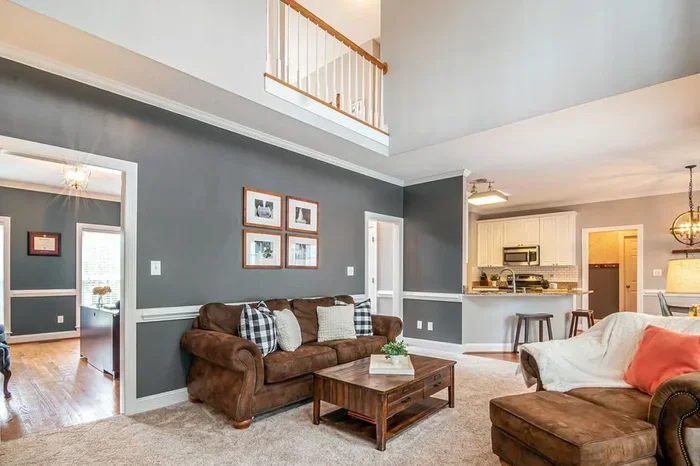
Pairing a chair rail molding with crown molding at the ceiling creates a complete wall frame. This combination gives your room a gallery-like feel, as if each wall is a framed canvas. The crown molding draws the eye upward, making the ceiling appear higher. The chair rail anchors the lower portion and adds warmth at eye level.
Chair Rail and Baseboard Pairings
Your baseboard molding and chair rail bookend the wall. Choosing complementary profiles creates a cohesive look. For example, if your baseboard has a simple, rounded profile, you might choose a chair rail with a similar shape. Mixing profiles can work too, but keep the scale in balance. A chunky baseboard pairs best with a chair rail of similar visual weight.
Adding Chair Rail Wallpaper
Chair rail wallpaper is one of the trendiest ways to use this molding element. Paper the lower wall section in a bold pattern or a calming texture, then cap it off with a clean molding line. This technique works especially well in dining rooms, hallways, and bedrooms. In the living room, it creates a focal wall that draws attention and starts conversations.
Some popular wallpaper choices for the lower panel include striped patterns, toile designs, and botanical prints. These options add personality without overwhelming the space. Just make sure the wallpaper for chair rail area is properly primed and sealed so it lasts for years.
Living Room Chair Rail Ideas for Every Budget
You do not need a big budget to pull off stunning living room chair rail ideas. Whether you have $50 or $500, there is an option that works for you. Let us look at budget-friendly approaches and splurge-worthy upgrades.
Budget-Friendly Options
- Painted MDF molding: Medium-density fiberboard molding is affordable and comes pre-primed. You paint it any color you like. A basic chair rail trim kit costs around $30 to $60 for an average room.
- DIY installation: Doing the work yourself saves hundreds in labor costs. With a few basic tools, you can install a chair rail in an afternoon.
- Chair rail wallpaper: A single roll of patterned wallpaper for the lower wall section costs $30 to $50 and creates a high-end look.
- Repurpose and refinish: Look for secondhand molding at salvage yards or online marketplaces. A fresh coat of paint transforms old trim into something beautiful.
Mid-Range Upgrades
For a polished look without breaking the bank, consider solid wood molding in a simple profile. Pre-primed wood options range from $1 to $3 per linear foot. Add chair rail wallpaper with a subtle texture, and you have a room that looks like it cost a fortune. You can also add a chair rail cap for just a few extra dollars per piece, which instantly elevates the finished look.
High-End Custom Designs
If budget is no object, consider custom molding profiles designed specifically for your space. Hand-carved wood molding adds a level of detail and craftsmanship that mass-produced options cannot match. Combine custom chair rails with wainscoting panels, crown molding, and a carefully selected chair rail wallpaper for a truly bespoke look. This level of detail turns a living room into a showpiece.
Quick Tips for Any Budget
- Always measure your walls before purchasing molding to avoid waste.
- Buy 10 to 15 percent extra material for cuts, mistakes, and future repairs.
- Use painter’s tape to create clean paint lines above and below the rail.
- Prime bare wood before painting to ensure smooth, even coverage.
- Take your time with measurements. A small error compounds over multiple wall sections.
Common Mistakes to Avoid with Chair Rails
Even with the best intentions, mistakes happen. Here are some pitfalls to watch out for when working with living room chair rail ideas.
- Skipping the level: A crooked chair rail ruins the entire look. Always use a level, even if you think your walls are straight.
- Ignoring the room’s proportions: A chair rail that is too wide or too narrow for the room throws off the balance. Measure and plan before you buy.
- Choosing the wrong paint finish: Use a semi-gloss or satin finish on your painted molding. These finishes are durable and easy to clean, unlike flat paint which shows every imperfection.
- Forgetting about light switches and outlets: Plan your chair rail height around existing switches and outlets. Cutting around them is doable, but it is much easier to plan ahead.
- Rushing the paint job: Let each coat of paint dry completely before applying the next. Rushing leads to drips, uneven coverage, and a less professional finish.
Bringing It All Together
Living room chair rail ideas give you the power to completely change the personality of your space without a major renovation. Whether you choose classic wainscoting, a sleek modern rail, or a farmhouse-inspired look, the right chair rail design adds charm, protection, and value to your home. The key is to choose a style that feels authentic to you and fits your room’s proportions.
Start with the height. Pick a style that matches your living room decor. Then choose your materials and finish. If you are feeling adventurous, add chair rail wallpaper or pair the rail with crown molding for a designer-level look. The process does not need to be complicated or expensive. Even a simple painted chair rail transforms a plain wall into something special.
Remember, the best living room chair rail ideas are the ones that reflect your personal taste and make your space feel like home. Do not be afraid to experiment with different styles, heights, and combinations. Your living room is your sanctuary, and every detail should make you feel happy and comfortable. Start planning your chair rail installation today, and enjoy the transformation as your walls come to life.
The journey from a plain wall to a beautifully detailed feature wall starts with a single horizontal line. That line, that simple strip of chair rail molding, has the power to redefine your entire living room. Embrace the process, enjoy the creative decisions, and take pride in the space you create. Your home deserves these thoughtful touches, and your guests will notice the difference right away.
Frequently Asked Questions
What is the standard height for a living room chair rail?
The standard chair rail height for a living room ranges from 32 to 48 inches from the floor. Most homeowners choose 36 inches for rooms with 8-foot ceilings. A good guideline is to install the rail at about one-third of the total wall height for a balanced, proportional look.
Can I install a chair rail myself without professional help?
Absolutely. Chair rail installation is one of the most beginner-friendly DIY projects in home improvement. You need basic tools like a measuring tape, level, miter saw, and a nail gun. Follow the steps carefully, take your time with measurements, and you can achieve professional-quality results on your own.
What materials work best for chair rail molding?
Common materials include MDF, solid wood, polyurethane, and PVC. Painted MDF is the most budget-friendly option and works well in dry areas. Solid wood offers a classic, durable look and takes paint or stain beautifully. Polyurethane and PVC are great for humid spaces like bathrooms or basements.
How do I paint a chair rail so it blends with the wall?
To make your painted molding blend seamlessly, use painter’s tape to protect the wall above and below the rail. Apply a coat of primer first, then paint with a semi-gloss or satin finish. Using the same paint color as the wall creates a subtle shadow effect, while a contrasting color makes the rail a bold design feature.
Can I use wallpaper below a chair rail for a wainscoting effect?
Yes, chair rail wallpaper is a fantastic way to create a wainscoting look without the cost and complexity of real wood panels. Choose a durable, washable wallpaper and prime the wall surface before applying. This approach gives you the textured, paneled look of traditional wainscoting at a fraction of the price.
What style of living room works best with chair rails?
Living room chair rail ideas work in virtually every style, from traditional and farmhouse to modern and minimalist. The key is choosing the right profile and finish. A simple, narrow rail suits contemporary spaces, while wider, ornate profiles complement traditional and rustic decors. The flexibility of chair rails makes them a universally appealing design choice.
=== CONCLUSION ===
Living room chair rail ideas offer a versatile, affordable, and impactful way to elevate your home’s interior. From selecting the right chair rail height to choosing between wainscoting panels, chair rail wallpaper, and simple painted molding, the possibilities are truly endless. Whether you are a DIY beginner or a seasoned home improver, a chair rail project adds both beauty and function to your living space. Start with one wall, experiment with styles, and watch how this single design element transforms your entire room. Your living room chair rail ideas journey starts today, and the results will speak for themselves.