How to Arrange Living Room Furniture in Small Spaces
Arranging living room furniture in a small space can feel overwhelming, but it does not have to be. This guide covers practical layouts, furniture selection, and design tricks that make compact rooms feel open and inviting. You will learn how to maximize every square foot while keeping your style intact. Whether you live in an apartment or a tiny home, these strategies work. Let us turn your small living room into a space you love.
Key Takeaways
- Choose the right furniture scale: Pick pieces that fit your room proportions and leave breathing room.
- Use multi-functional furniture: Items like storage ottomans and sofa beds save space and add utility.
- Create a clear focal point: Anchor your layout around one central feature for a cohesive look.
- Play with visual tricks: Mirrors, light colors, and vertical storage make small spaces feel larger.
- Plan your traffic flow: Leave enough walkways so the room feels open and easy to navigate.
- Think vertically: Wall-mounted shelves and tall furniture use unused vertical space wisely.
📑 Table of Contents
- How to Arrange Living Room Furniture in Small Spaces
- Step 1: Measure Your Room and Map It Out
- Step 2: Choose the Right Furniture for Small Spaces
- Step 3: Create a Focal Point and Build Around It
- Step 4: Optimize Traffic Flow and Walkways
- Step 5: Use Visual Tricks to Make the Room Feel Larger
- Step 6: Try Proven Layout Patterns
- Common Mistakes to Avoid When Arranging Small Living Room Furniture
- Expert Insights on Small Space Furniture Arrangement
- Before and After: Real Examples of Small Room Transformations
- Final Thoughts
How to Arrange Living Room Furniture in Small Spaces
Living in a small home does not mean you must sacrifice style or comfort. The way you place your furniture makes a huge difference. A good small living room layout can make a tiny room feel spacious and welcoming. Many people struggle with compact furniture arrangement because they do not know where to start.
This guide walks you through everything you need to know. We cover furniture placement tips, space-saving ideas, and design tricks that actually work. By the end, you will feel confident about arranging your own room. Let us dive in and make your small living room shine.
Why Furniture Arrangement Matters in Small Rooms
The layout of your furniture controls how a room feels. Cluttered furniture makes even a medium room feel cramped. On the other hand, a thoughtful arrangement opens up the space. Your living room design ideas should always start with the layout. Before buying anything, measure your room and sketch a plan.
Good arrangement also improves traffic flow. You should be able to walk around comfortably without bumping into things. A well-planned small space decorating scheme balances function and beauty. It gives each piece room to breathe while keeping the room cozy.
Step 1: Measure Your Room and Map It Out
The first step in any furniture arrangement guide is measurement. Grab a tape measure and write down your room dimensions. Note the location of doors, windows, and outlets. These details shape where you can place each piece.
Next, draw a simple floor plan. You can use graph paper or a free online tool. Mark the walls, windows, and doorways. Then draw rectangles to represent your furniture. This helps you visualize the room before moving a single item. It saves time, effort, and frustration.
Always consider the room proportions and furniture scale. A massive sofa will overwhelm a tiny room. A tiny chair will look lost in a large space. Match your furniture size to your room size for the best results.
Step 2: Choose the Right Furniture for Small Spaces
Picking the correct pieces is half the battle. Not all furniture works well in a small room. You need items that serve multiple purposes or take up less floor space.
Go for Multi-Functional Pieces
Multi-functional furniture is a game-changer for small rooms. A storage ottoman works as a seat, a table, and a hidden storage unit. A sofa bed lets guests sleep over without cluttering the room with an extra bed. Wall-mounted drop-leaf tables fold away when not in use.
Here are some smart multi-functional picks:
- Storage coffee tables with lift-top lids or built-in drawers
- Sofa beds that convert for overnight guests
- Nesting tables that stack together when not needed
- Benches with storage that replace bulky side tables
- Wall-mounted desks that fold flat against the wall
Pick the Right Scale
Furniture scale matters more than most people realize. Oversized pieces dominate a small room and make it feel smaller. Look for furniture scale for small rooms that keeps proportions balanced. Low-profile furniture also helps because it reveals more of the floor, creating an open feel.
Avoid tall, bulky pieces that block light and sightlines. Instead, choose slimmer designs with exposed legs. This trick makes the floor area appear larger and the room feel lighter.
Step 3: Create a Focal Point and Build Around It
Every room needs a living room focal point. This is the first thing people see when they enter. In most living rooms, the focal point is the television, a fireplace, or a large window with a great view.
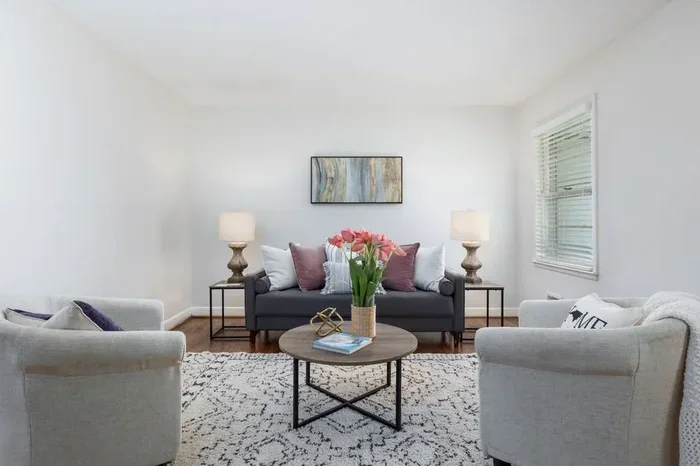
Once you identify your focal point, arrange furniture to face it. Your sofa should look toward the TV or the window. Your armchairs can angle slightly inward to create a conversation area. This creates a natural layout that feels intentional and organized.
Without a clear focal point, furniture tends to float randomly. This makes the room feel chaotic and smaller than it is. A strong focal point anchors the entire compact furniture arrangement.
Step 4: Optimize Traffic Flow and Walkways
Traffic flow in living room design is one of the most overlooked aspects. If you cannot move freely through the room, it will always feel cramped. You need clear pathways between furniture pieces.
Leave at least 30 inches of walking space between furniture and walls. Major walkways should be about 36 inches wide. This allows comfortable movement without squeezing past chairs.
Here are quick tips for improving traffic flow:
- Push the sofa against the wall to free up the center
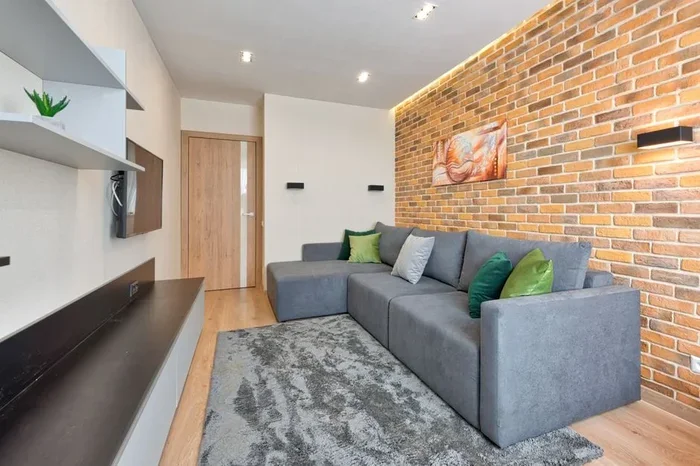
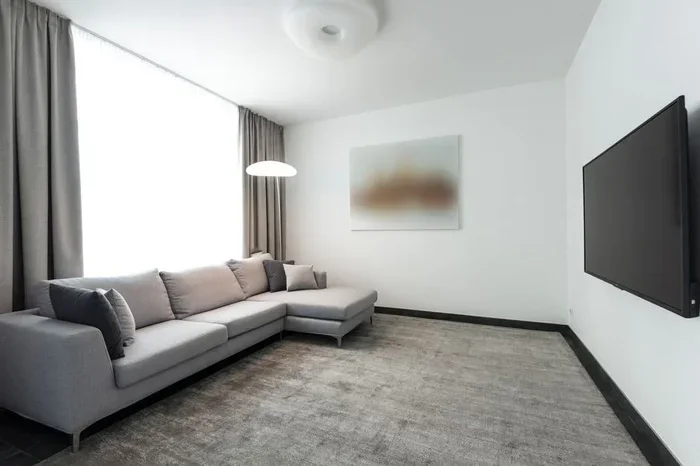
- Use a sectional sofa arrangement that hugs the room’s perimeter
- Place the coffee table away from the main walkway
- Avoid blocking doorways or windows with furniture
- Use a small rug to define zones without blocking paths
A room with good traffic flow feels open even if the square footage is small. People will naturally gravitate toward spaces that feel easy to move through.
Step 5: Use Visual Tricks to Make the Room Feel Larger
You can fool the eye into seeing more space than there actually is. These visual tricks are simple but incredibly effective for small space decorating.
Embrace Light Colors and Reflective Surfaces
Light colors bounce light around the room and make it feel airier. White, soft gray, and pastel tones work wonders on walls and large furniture pieces. Pair them with reflective surfaces like glass tables or mirrored accessories.
A large mirror on one wall is one of the best visual space expansion tricks. It doubles the sense of depth and makes the room feel twice as big. Place it opposite a window to reflect natural light and brighten dark corners.
Use Area Rugs to Define Zones
An area rug placement strategy can organize a small room beautifully. A rug under the sofa and coffee table creates a defined seating zone. It tells the eye where the living area begins and ends.
Choose a rug that fits under the front legs of your sofa. Too small a rug makes the room feel fragmented. Too large a rug overwhelms the space. The right size anchors the furniture group without dominating the room.
Think Vertically
When floor space is limited, look up. Wall-mounted storage shelves free up floor area while keeping items accessible. Tall bookcases draw the eye upward and make ceilings appear higher.
Hang curtains close to the ceiling and let them fall to the floor. This simple trick makes windows look taller and the room feel more spacious. It is one of the easiest small living room layout upgrades you can make.
Step 6: Try Proven Layout Patterns
Not sure where to start with your arrangement? These proven layouts work well in small living rooms.
The L-Shape Layout
Place your sofa along one wall and a loveseat or armchair along the adjacent wall. This creates a natural L-shape that defines the seating area without blocking walkways. It works especially well in rectangular rooms.
The Floating Furniture Layout
Instead of pushing all furniture against the walls, float the sofa and chairs in the center of the room. This works best in square rooms. It creates a conversation area in the middle and makes the room feel more balanced. Just make sure you leave enough walkways around the furniture.
The One-Piece Focus Layout
In very small rooms, less is more. Use one comfortable sofa as the main seating piece. Add a couple of lightweight chairs or a pouf that can be moved easily. This minimalist approach keeps the room open and flexible.
Common Mistakes to Avoid When Arranging Small Living Room Furniture
Even with the best intentions, people make mistakes that shrink their rooms visually. Here are the most common ones to watch out for.
- Buying furniture that is too large: A king-sized sofa will dominate a small room instantly. Always check dimensions before purchasing.
- Pushing all furniture against walls: This can actually make a room feel smaller. A small gap between the sofa and the wall creates depth.
- Ignoring natural light: Blocking windows with tall furniture darkens the room and makes it feel enclosed.
- Using too many large accessories: Clutter on surfaces makes a room feel busy and cramped. Keep decor minimal and curated.
- Skipping the rug: Without a rug, furniture can feel disconnected. The rug ties the seating area together visually.
Avoiding these mistakes alone can transform your room. Combine them with the positive steps above and you will see a real difference.
Expert Insights on Small Space Furniture Arrangement
Interior designers agree on a few key principles for minimalist furniture arrangement in small rooms. First, always prioritize function over form. A beautiful couch that blocks walkways defeats the purpose. Second, embrace negative space. Empty areas in a room are not wasted space. They give the eye room to rest and make the room feel calm.
Third, use lighting to your advantage. A mix of floor lamps, table lamps, and overhead light eliminates dark corners. Bright rooms always feel larger than dim ones. Finally, do not be afraid to edit. Remove pieces that do not serve a clear purpose. A curated room always looks and feels better than a stuffed one.
These open concept furniture layout principles apply whether you live in a studio apartment or a compact family home. The goal is the same: make every piece earn its place.
Before and After: Real Examples of Small Room Transformations
Let us look at a couple of real scenarios to bring these ideas to life.
Example 1: The Narrow Living Room. A rectangular room that is only 10 feet wide feels like a hallway. The homeowner pushed the sofa against the long wall and placed a narrow console table behind it. A single armchair on the opposite side balanced the room. A slim coffee table and a floor lamp completed the setup. The result felt open and inviting instead of tunnel-like.
Example 2: The Tiny Square Room. A 12-by-12 room served as both living and dining space. The family used a sectional sofa arrangement along two walls, leaving the center open for a small dining table. A large mirror on one wall reflected light from the window. The room now feels twice as big and works for both relaxing and entertaining.
These examples show that smart furniture placement tips can solve almost any small room challenge. You do not need a big budget or a big room. You just need a clear plan.
Final Thoughts
Arranging living room furniture in small space is all about balance. You want comfort without clutter. Style without crowding. Function without sacrificing beauty. The tips in this guide give you a solid foundation to work from.
Start by measuring your room and choosing the right furniture scale. Create a focal point, optimize traffic flow, and use visual tricks to expand the space. Avoid common mistakes and trust the process. Your small living room can become the most stylish room in your home.
Take action today. Rearrange one piece of furniture and see how it changes the feel of the room. Small adjustments lead to big results. Your dream living room is closer than you think.
Frequently Asked Questions
What is the best furniture layout for a small living room?
The best layout depends on your room shape and size. The L-shape layout works well for rectangular rooms, while the floating furniture layout suits square spaces. Always prioritize clear walkways and a strong focal point. Choose furniture that fits the room scale rather than filling every corner.
How do I make a small living room look bigger?
Use light colors on walls and furniture, add a large mirror to reflect light, and choose pieces with exposed legs to reveal more floor space. Keep clutter to a minimum and use multi-functional furniture to reduce the number of items in the room. These simple steps create an open, airy feel.
What size furniture works best in a small living room?
Choose furniture that is proportional to your room. A sofa that is 70 to 80 inches wide works well in most small living rooms. Avoid oversized sectionals and tall, bulky pieces. Low-profile furniture with slim frames helps the room feel more spacious.
Should I push furniture against the walls in a small room?
Not always. Pushing all furniture against the walls can make a room feel hollow and disconnected. Try floating the sofa a few inches away from the wall to create depth. Just make sure you leave enough walkway space around all pieces for comfortable movement.
How can I arrange a small living room with a TV and seating area?
Place the sofa facing the TV as your focal point. Add a single armchair angled slightly for conversation. Use a slim coffee table that does not block walkways. Wall-mounted TV units and floating shelves keep the floor clear and the room feeling open.
What are the best multi-functional furniture pieces for small spaces?
Storage ottomans, sofa beds, nesting tables, and wall-mounted drop-leaf desks are excellent choices. A storage coffee table can hold blankets and books while serving as a surface. These pieces serve double duty and help you maximize every square foot of your small living room.
=== CONCLUSION ===
Learning how to arrange living room furniture in small space does not require a design degree or a big budget. With the right small living room layout and smart furniture placement tips, any compact room can feel open, stylish, and comfortable. Focus on scale, traffic flow, and visual tricks that make the space work harder for you.
Start with the basics: measure your room, choose multi-functional pieces, and create a clear focal point. Build from there using the layout patterns and expert insights shared in this guide. Avoid common mistakes like overcrowding or blocking natural light. Each small change brings you closer to a living room you will love spending time in.
Your small space has huge potential. Apply these compact furniture arrangement strategies today and enjoy a room that feels bigger, brighter, and more welcoming than ever before.