3000k vs 4000k Living Room Which Color Temperature Wins
Choosing between 3000k and 4000k for your living room can completely change the feel of your space. Warm 3000k light creates a cozy and relaxing atmosphere, while neutral 4000k light offers a clean and modern look. This guide breaks down everything you need to know about 3000k vs 4000k living room lighting so you can make the best choice for your home.
Lighting changes everything in a room. It sets the mood. It affects how you feel. And it can make or break the look of your living space. When it comes to 3000k vs 4000k living room lighting, the choice might seem small. But it makes a huge difference in how your room feels and functions. This guide will walk you through everything you need to know. By the end, you will feel confident picking the right light for your space.
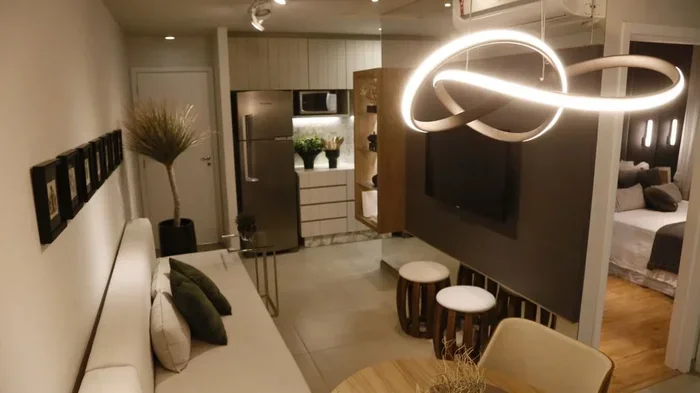
Color temperature is one of the most overlooked parts of interior design. Many people pick bulbs based on price or shape alone. But the temperature of light changes the entire vibe of a room. A warm 3000k glow feels like a sunset. A cooler 4000k feel feels like daylight. Both have their place. The key is knowing which one fits your lifestyle best.
Key Takeaways
- 3000K is warm white light: It creates a cozy and inviting feel perfect for relaxation and evening gatherings.
- 4000K is neutral white light: It offers a clean and balanced look that works well for modern and task-oriented spaces.
- The kelvin scale matters: Understanding how color temperature works helps you make smarter lighting decisions.
- Room purpose drives the choice: A movie night calls for 3000k, while reading and working suits 4000k.
- Mixing temperatures can work: Combining both in different zones adds depth and flexibility to your living room.
- LED bulbs make it easy: Modern LEDs let you switch temperatures and control brightness with smart home systems.
- Personal preference wins: There is no single best choice. Your comfort and lifestyle should guide the decision.
📑 Table of Contents
- What Is Color Temperature and Why Does It Matter?
- Understanding 3000K Light for Your Living Room
- Understanding 4000K Light for Your Living Room
- 3000K vs 4000K Living Room: Side-by-Side Comparison
- How to Choose the Right Temperature for Your Space
- Common Mistakes People Make When Choosing Light Temperature
- Expert Tips for Getting the Most Out of Your Living Room Lighting
- Conclusion
What Is Color Temperature and Why Does It Matter?
Color temperature is measured in kelvins (K). It describes how warm or cool a light source appears. Lower numbers mean warmer light. Higher numbers mean cooler light. The kelvin scale runs from about 1000k to 10000k. Most home lighting falls between 2700k and 5000k.
The Kelvin Scale Explained Simply
Think of the kelvin scale like a paint palette. On the warm end, you get amber and golden tones. On the cool end, you get blue and white tones. Here is a simple breakdown:
- 2700k to 3000k: Warm white. Looks like a candle or incandescent bulb.
- 3500k to 4000k: Neutral white. Clean and balanced. Close to natural daylight.
- 5000k and above: Cool white. Bright and clinical. Often used in offices.
For your living room, the sweet spot usually sits between 3000k and 4000k. These two temperatures are the most popular choices for home lighting. They each bring something different to the table.
How Color Temperature Affects Mood
Light temperature directly impacts your emotions. Warm light tells your brain to relax. It lowers stress. It helps you wind down after a long day. Cool light, on the other hand, boosts alertness. It sharpens focus. It makes you feel more awake and energized.
This is why choosing the right 3000k vs 4000k living room temperature matters more than most people realize. Your lighting choice affects your daily mood, your sleep quality, and even how you interact with the people in your home.
Understanding 3000K Light for Your Living Room
3000k is widely known as warm white light. It produces a soft golden glow that feels inviting and comfortable. This temperature has been the standard for living rooms for decades. And for good reason.
The Warm and Cozy Feel of 3000K
When you walk into a room lit with 3000k bulbs, you immediately feel at ease. The light wraps around furniture and walls gently. It softens sharp edges. It makes the space feel intimate and warm. This is the kind of light you want on a Friday evening when you are curling up on the couch.
Many designers recommend 3000k for living rooms because it flatters skin tones. It makes wood furniture look richer. It brings out warm colors in your decor. If your living room has earthy tones, warm wood floors, or cozy textiles, 3000k will enhance all of them.
Best Uses for 3000K in the Living Room
3000k works beautifully in several living room scenarios:
- Evening relaxation: Dim the lights and enjoy a warm glow perfect for unwinding.
- Movie nights: Warm light creates a cinematic and theater-like atmosphere.
- Gatherings and parties: Guests feel welcome and comfortable under warm lighting.
- Reading nooks: The soft tone is easy on the eyes during quiet reading time.
- Accent lighting: Use 3000k for table lamps, floor lamps, and wall sconces.
When 3000K Might Not Be the Best Choice
While 3000k is lovely for relaxation, it has limits. If your living room doubles as a workspace, warm light can feel a bit dim. It may not provide enough contrast for detailed tasks. Also, if your room has a lot of cool-toned decor like grays and whites, 3000k can sometimes make the space feel slightly yellow or dated.
Understanding 4000K Light for Your Living Room
4000k sits in the neutral white range. It is clean, balanced, and modern. This temperature has become increasingly popular in recent years. More and more homeowners are choosing 4000k for their living rooms, and for good reason.
The Clean and Balanced Look of 4000K
4000k light feels like natural daylight filtered through a window. It is bright without being harsh. It illuminates a room evenly and clearly. Colors look true and accurate under 4000k light. This makes it a great choice for living rooms that need to feel open and airy.
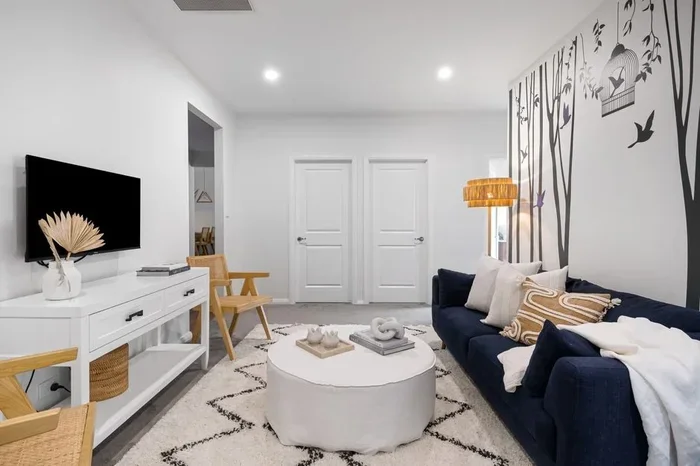
If your living room has a modern or minimalist design, 4000k complements it perfectly. It pairs well with cool tones like white, gray, and black. It also works beautifully with metal finishes, glass surfaces, and contemporary furniture. The result is a space that feels fresh and current.
Best Uses for 4000K in the Living Room
4000k shines in situations where you need clarity and energy:
- Task lighting: Perfect for reading, crafting, or working from the living room.
- Daytime use: Mimics natural daylight and keeps you alert during the day.
- Modern interiors: Enhances clean lines and neutral color palettes.
- Open floor plans: Provides consistent lighting across large and connected spaces.
- Art display: Neutral light shows artwork colors accurately without distortion.
When 4000K Might Feel Too Harsh
4000k is not without its downsides. In smaller living rooms, it can feel clinical or cold. Some people describe it as resembling office lighting. If you love a cozy and warm atmosphere, 4000k might leave your space feeling less inviting. It also tends to highlight dust and imperfections on walls and ceilings more than warmer light does.
3000K vs 4000K Living Room: Side-by-Side Comparison
Let us put the two temperatures head to head. This comparison will help you see the differences clearly.
| Feature | 3000K (Warm White) | 4000K (Neutral White) |
|---|---|---|
| Light Feel | Warm, golden, and cozy | Clean, balanced, and bright |
| Mood | Relaxing and intimate | Energizing and alert |
| Best For | Evening relaxation and ambiance | Tasks, reading, and modern decor |
| Color Accuracy | Slightly warm tones | True and neutral colors |
| Works Well With | Warm wood, earthy tones, cozy fabrics | White, gray, modern furniture, metal |
| Eye Strain | Low, very comfortable for long evenings | Moderate, best with proper brightness levels |
| Room Size Fit | Great for small to medium rooms | Great for medium to large rooms |
| Energy Efficiency | Same as 4000k in LED form | Same as 3000k in LED form |
As you can see, both temperatures have clear strengths. Neither is objectively better. The right choice depends on your personal preferences and how you use your living room.
How Brightness and Temperature Work Together
It is important to note that brightness and color temperature are not the same thing. Brightness is measured in lumens. Temperature is measured in kelvins. A 3000k bulb can be just as bright as a 4000k bulb. The difference is only in the color of the light. This means you can get a bright 3000k room or a dim 4000k room. Always consider both factors when planning your 3000k vs 4000k living room setup.
How to Choose the Right Temperature for Your Space
Choosing between 3000k and 4000k does not have to be stressful. A few simple factors can guide your decision. Think about how you use your living room. Think about the style of your home. And think about the mood you want to create.
Consider Your Daily Routine
Ask yourself when you spend the most time in your living room. If you are there mostly in the evening to relax, 3000k is a natural fit. If you work from home or spend daytime hours reading, 4000k might serve you better.
Think about your family too. If you have young children, warm light creates a gentler environment. If you have teenagers who study in the living room, neutral light helps them stay focused.
Match the Temperature to Your Decor Style
Your interior design style plays a big role in this decision. Here are some quick guidelines:
- Farmhouse and rustic: Go with 3000k to highlight natural materials and warm tones.
- Modern and minimalist: 4000k complements clean lines and neutral palettes.
- Bohemian and eclectic: 3000k adds warmth and personality to colorful spaces.
- Scandinavian: 4000k works well with the bright and airy Scandinavian aesthetic.
- Traditional and classic: 3000k enhances rich woods and warm fabrics.
Try Both Before You Commit
The best way to decide is to test both temperatures. Buy one bulb of each. Swap them into your living room lamps. Live with them for a few days. Notice how each one makes you feel. This hands-on approach takes the guesswork out of the equation.
Common Mistakes People Make When Choosing Light Temperature
Even thoughtful homeowners make lighting mistakes. Avoiding these common errors can save you time and money.
Choosing Based on Trends Alone
4000k has been trending in interior design circles. But that does not mean it is right for every home. Trends change. Your comfort should not. Pick the temperature that makes your space feel like home, not the one that looks good on Instagram.
Ignoring Natural Light in the Room
If your living room gets lots of sunlight, 4000k can blend in nicely with natural light. But in a room with few windows, 4000k might feel cold and stark. Consider how much natural light your room already has before making a final decision.
Using Only One Temperature Throughout
You do not have to pick just one. Many great living rooms use a mix of temperatures. Use 3000k in floor lamps and table lamps for ambient warmth. Use 4000k in ceiling fixtures or reading lights for functional brightness. This layered approach gives you the best of both worlds.
Forgetting About Dimmer Switches
A dimmer switch is a game changer. It lets you adjust brightness and mood on the fly. With a dimmer, your 3000k bulbs can go even warmer at night. Your 4000k bulbs can soften slightly for evening use. This simple upgrade adds tremendous flexibility to any living room.
Expert Tips for Getting the Most Out of Your Living Room Lighting
Lighting design professionals share a few insights that can elevate your space:
- Layer your lighting: Combine overhead, task, and accent lights for a well-balanced room.
- Use smart bulbs: Smart LEDs let you change temperature and brightness from your phone.
- Pay attention to CRI: Color Rendering Index (CRI) measures how accurately light shows colors. Aim for 90 CRI or above.
- Install dimmers everywhere: Dimmers give you control and save energy too.
- Consider color temperature consistency: Try to keep the same temperature in adjacent rooms for a smooth flow.
These tips apply whether you choose 3000k or 4000k. Great lighting is about more than just picking the right temperature. It is about how you use light to shape your living space.
Conclusion
The debate between 3000k vs 4000k living room lighting does not have a single winner. Both temperatures offer real benefits. 3000k brings warmth, comfort, and a cozy atmosphere. 4000k brings clarity, energy, and a modern feel. Your choice should reflect how you live, how you use your space, and what mood you want to create every day.
Take your time. Test different bulbs. Trust your instincts. The best lighting is the lighting that makes you feel at home. Whether you go warm or neutral, the right choice is the one that brings you joy every time you walk into your living room.
Frequently Asked Questions
Is 3000k or 4000k better for a living room?
It depends on your preference and how you use the room. 3000k creates a warm and cozy atmosphere perfect for relaxation. 4000k provides a clean and bright feel ideal for task-oriented activities. Many homeowners choose based on their room’s decor style and daily routine.
Can I mix 3000k and 4000k bulbs in the same living room?
Yes, mixing both temperatures can work very well. Use 3000k in ambient lamps for a warm glow and 4000k in task lights for clarity. Just make sure the mix feels balanced and intentional rather than random.
Does light temperature affect sleep quality?
Yes, it does. Warm light like 3000k signals your body to produce melatonin, which helps you sleep. Cool light like 4000k boosts alertness and can interfere with sleep if used late at night. Choose warmer tones for evening lighting to support better rest.
What is the difference between 3000k and 4000k in simple terms?
3000k looks warm and golden like a sunset. 4000k looks clean and neutral like daylight. The difference is subtle but noticeable. It affects the mood, feel, and overall ambiance of your living room.
Should I consider my living room size when choosing between 3000k and 4000k?
Yes, room size matters. Smaller rooms often feel cozier with 3000k warm light. Larger rooms can benefit from 4000k neutral light because it provides even and balanced illumination across the space.
Are LED bulbs available in both 3000k and 4000k?
Absolutely. LED bulbs come in a wide range of color temperatures including both 3000k and 4000k. LEDs are also energy efficient and long lasting, making them the best choice for any living room lighting setup.