How to Arrange an L-Shaped Sofa in Your Living Room
Arranging an L-shaped sofa can completely change your living room feel. This guide covers the best L-shaped sofa placement ideas, living room layout tips, and common mistakes to avoid. You will learn how to create a comfortable seating arrangement that looks great and works for your family.
An L-shaped sofa is one of the most popular pieces of furniture for living rooms. It fits more people, looks stylish, and fills up empty corners. But knowing how to place it is the real challenge. Many people end up with a sofa that blocks walkways or makes the room feel cramped.
Whether you have a small apartment or a large open-plan space, the way you set up your L-shaped sofa matters a lot. It affects how people move through the room, how conversations flow, and even how the whole space feels. In this article, we will walk you through living room layout ideas, furniture arrangement tips, and practical steps you can use right away.
By the end, you will know exactly how to position your sectional sofa for the best look and function. Let us dive in.
Key Takeaways
- Choose the right orientation: Place your L-shaped sofa facing the room’s focal point for the best flow.
- Measure your space first: Always check room dimensions before buying or moving your sofa.
- Create a conversation area: Arrange chairs and a coffee table to encourage easy talking.
- Avoid blocking traffic lanes: Leave at least 30 inches of walking space around the sofa.
- Use rugs and pillows wisely: These small touches define the seating zone and add style.
- Consider your room shape: Square rooms and rectangular rooms need different approaches.
- Don’t push walls: Floating your sofa can make a small room feel bigger.
📑 Table of Contents
Why Placement Matters for Your L-Shaped Sofa
The position of your L-shaped sofa sets the tone for the entire room. A well-placed sofa makes the space feel open and welcoming. A poorly placed one can make the room feel closed off or awkward to move through.
Understanding Your Room’s Focal Point
Every living room has a focal point. This could be a fireplace, a television, a large window, or even a piece of wall art. Your sofa placement should face this focal point. When people sit on the sofa, their eyes should land naturally on what the room is built around.
Here is a simple way to find your focal point. Stand in the doorway of your room. What catches your eye first? That is your focal point. Now plan your furniture arrangement around it.
How Room Shape Changes Everything
Square rooms and long rectangular rooms need different strategies. In a square room, you can place the L-shaped sofa in the center to anchor the space. In a long room, try placing the sofa along the shorter wall to balance the proportions.
Take measurements before you decide. Use painter’s tape on the floor to map out the sofa shape. This gives you a real sense of how much space it takes up. You can walk around it and see if the traffic flow feels right.
Best L-Shaped Sofa Arrangement Ideas
There are several tried-and-true ways to arrange an L-shaped sofa in a living room. Each works best in different situations. Let us look at the top options.
The Corner Anchor Setup
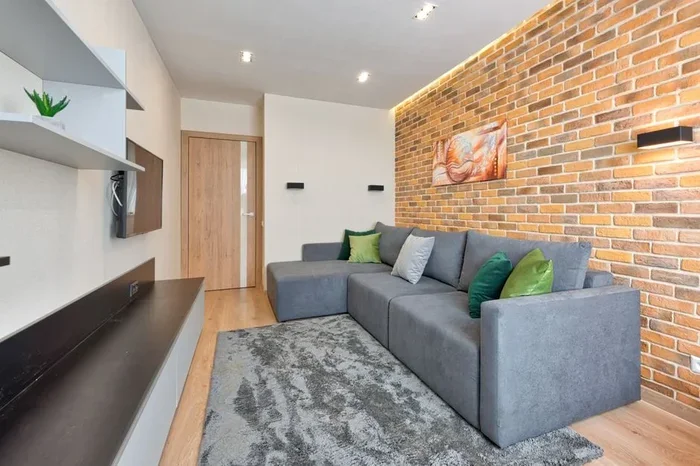
This is the most popular arrangement. You place the L-shaped sofa in a corner of the room. The long side runs along one wall, and the shorter section extends out along the adjacent wall. This creates a natural seating nook that feels cozy and inviting.
This setup works great in open floor plans. It defines the living area without blocking the flow to other rooms. Add a coffee table in front and a couple of side chairs, and you have a perfect conversational seating area.
The Floating Sofa Method
Instead of pushing the L-shaped sofa against walls, you float it in the middle of the room. This works well in large living rooms where you want to create separate zones. The sofa becomes a room divider between the seating area and a dining or reading space.
Floating your sofa can make a room feel more spacious. It draws the eye inward and creates a sense of balance. Use a room divider or a rug underneath to ground the furniture in its zone.
The Wall-Hugging Layout
If your living room is on the smaller side, push the L-shaped sofa against two walls. This saves floor space and keeps walkways clear. It is a practical choice for apartments and studio layouts where every square foot counts.
The key here is to leave breathing room. Do not shove the sofa flat against the wall. Pull it out a few inches to create depth. Add a throw pillow or a blanket on the back to soften the look.
How to Choose the Right Orientation
The direction your L-shaped sofa faces can change the whole mood of the room. There are two main orientations to consider.
Facing the Television
Many families arrange their L-shaped sofa to face the TV. This is simple and works well for movie nights and casual watching. The long side of the sofa faces the screen, and the shorter section wraps to the side.
Just make sure the viewing distance is right. A good rule is to keep the sofa about 8 to 10 feet from the screen. This prevents eye strain and keeps the room from feeling like a cinema bunker.
Facing a Conversation Area
If your living room is more about socializing than watching TV, face the L-shaped sofa toward a seating group or a fireplace. This setup encourages face-to-face talk and makes the room feel connected.
Place a coffee table or an ottoman in the center of the group. Add a couple of accent chairs across from the sofa. This creates a natural circle of seating that draws people together.
Common Mistakes When Arranging an L-Shaped Sofa
Even with the best intentions, people make mistakes when setting up their L-shaped sofa. Here are the ones to watch out for.
Pushing the Sofa Against the Wall
Yes, wall-hugging saves space. But pushing the sofa tight against the wall can make the room feel flat. A small gap between the sofa and the wall adds depth and makes the space feel more intentional.
Ignoring Traffic Flow
People need to walk through the room without bumping into furniture. Leave at least 30 inches of clear space around the L-shaped sofa. This is especially important if you have kids or pets who move around a lot.
Choosing the Wrong Size
A sofa that is too big overwhelms the room. One that is too small looks lost. Always match the sofa size to your room dimensions. Measure the wall space first and then shop for a sofa that fits those measurements.
Accessorizing Your L-Shaped Sofa Setup
Once your L-shaped sofa is in place, the right accessories can take the look to the next level. These small touches bring personality and comfort to the space.
Throw Pillows and Blankets
Throw pillows are one of the easiest ways to add color and texture to your living room design. Mix sizes and patterns for a layered look. Use throw blankets draped over the armrest for a cozy, lived-in feel.
Stick to a color palette that matches your room. If your walls are neutral, bold pillows can add a pop of personality. If your room is already colorful, keep pillows in calm tones to balance things out.
The Right Coffee Table
A coffee table anchors the seating area and gives people a place to put drinks and books. For an L-shaped sofa, choose a table that fits the curve of the furniture. Round tables work well because they soften the sharp corners of the sofa shape.
Rugs to Define the Space
A large rug under the L-shaped sofa and the coffee table ties the whole seating area together. The front legs of the sofa should sit on the rug. This creates a clear boundary for the seating zone and adds warmth underfoot.
Expert Tips for Small and Large Living Rooms
The size of your room changes how you should approach your furniture layout ideas. Here is what the experts recommend.
For Small Living Rooms
- Choose a compact L-shaped sofa with slim arms.
- Use light colors to make the room feel open.
- Place the sofa in the center of the longest wall.
- Skip the bulky coffee table and use a small ottoman instead.
- Use mirrors to bounce light around the room.
For Large Living Rooms
- Go for a oversized sectional sofa that fills the space.
- Create multiple seating zones with the sofa as the anchor.
- Use a large area rug to ground the furniture group.
- Add a console table behind the sofa for extra storage.
- Layer lighting with floor lamps and table lamps.
Final Thoughts on Arranging Your L-Shaped Sofa
Arranging an L-shaped sofa in your living room does not have to be stressful. Start with the basics. Find your focal point, measure your space, and choose an orientation that fits your lifestyle. Avoid the common mistakes that make rooms feel cramped or awkward.
Add the right accessories, pay attention to traffic flow, and use rugs and pillows to bring everything together. Whether your room is small or large, there is a furniture arrangement that will work perfectly for you.
Take your time, experiment with different setups, and trust your instincts. The best living room layout is the one that feels right for you and your family. Now go arrange that sofa and enjoy your space!
Frequently Asked Questions
What is the best direction to face an L-shaped sofa?
The best direction depends on your room’s focal point. If you have a fireplace or a TV, face the sofa toward it. If your room is all about conversation, arrange the sofa to face other seating. The key is to make sure everyone can see and talk to each other easily.
How much space should be around an L-shaped sofa?
Leave at least 30 inches of walking space around the sofa. This ensures easy movement through the room. If you have a small space, aim for 24 inches as a minimum. Always test the flow by walking the path before you lock in the placement.
Can I place an L-shaped sofa in the center of a room?
Yes, you can. Centering the sofa works well in open floor plans and large rooms. It helps define the seating area without pushing everything to the walls. Use a rug and a coffee table to anchor the sofa in the center and create a cozy feel.
What size coffee table works best with an L-shaped sofa?
Choose a coffee table that is about two-thirds the length of the sofa’s long side. Round tables are great for softening the shape of an L-shaped sofa. Make sure there is at least 16 inches between the table edge and the sofa for comfortable leg room.
How do I make a small living room work with an L-shaped sofa?
Choose a compact sofa with slim proportions. Use light colors and a small rug to keep the space feeling open. Float the sofa slightly away from the walls and avoid blocking windows or doorways. A well-placed mirror can also make the room feel larger.
Should I match my L-shaped sofa with other furniture?
Matching is not required. Mixing styles can add personality and depth to your living room design. Just keep a consistent color palette or material theme to tie everything together. The goal is a cohesive look, not a perfectly matched set.
=== CONCLUSION ===
Placing an L-shaped sofa in your living room is all about balance, measurement, and style. Follow the tips in this guide and you will create a space that looks beautiful and works perfectly for daily life. Start with the layout, add the right accessories, and avoid the common pitfalls. Your living room will thank you.