How to Arrange Furniture in a Small Living Room Apartment
Arranging furniture in a small living room apartment doesn’t have to be stressful. With the right layout, smart furniture choices, and a few visual tricks, you can create a cozy, functional space that feels open and inviting. This guide covers proven furniture arrangement strategies that work for any compact apartment living room.
Living in a small apartment comes with its own set of challenges. One of the biggest? Making your living room feel comfortable, functional, and stylish without cramming it full of furniture. Whether you have a studio apartment or a one-bedroom with a tiny lounge area, the way you arrange furniture in a small living room apartment can completely change how the space feels.
The good news? You don’t need a big budget or a design degree. A few smart decisions about placement, scale, and style can turn even the tiniest living room into a space you actually love spending time in. This guide walks you through everything you need to know, from choosing the right pieces to creating the illusion of more space.
Let’s dive into the practical, tried-and-true tips that real people use to make their small apartments feel amazing. No guesswork. No fluff. Just clear, actionable advice you can start using today.
Key Takeaways
- Start with your focal point: Every small living room needs a clear anchor that guides your entire furniture layout.
- Choose multi-functional pieces: Items like storage ottomans and nesting tables save precious floor space while keeping things practical.
- Use light colors and mirrors: These simple tricks create the illusion of a larger, airier room.
- Prioritize traffic flow: Leave enough walking space between furniture pieces so your room feels open, not cramped.
- Think vertically: Wall-mounted shelves and tall furniture draw the eye upward and free up floor area.
- Scale matters: Smaller furniture proportions prevent a small room from feeling overwhelmed and cluttered.
- Zone your space: Define separate areas for sitting, dining, and working without using walls or dividers.
📑 Table of Contents
Start With Your Focal Point
Every room has a natural focal point. In a small living room, this could be a window with a great view, a fireplace, a television, or even a piece of artwork on the wall. Before you move a single couch or chair, identify what that focal point is. Your entire furniture arrangement should revolve around it.
Why the Focal Point Matters
When you anchor your furniture around one central feature, everything feels intentional. The room has a clear purpose. Without a focal point, furniture tends to float in the middle of the room, which makes the space feel disjointed and awkward. A well-defined focal point also draws the eye naturally, which creates the impression of a more organized, put-together room.
How to Find Yours
Stand in the doorway of your living room. What catches your eye first? That’s your focal point. Here are the most common ones:
- A large window: Perfect for a bright, airy feel. Place your sofa facing it.
- A flat-screen TV: The most common focal point in modern apartments.
- A fireplace or decorative wall: Great for creating a cozy conversation area.
- A bookshelf or art wall: Ideal for apartments where the TV isn’t the main feature.
Once you know your focal point, position your main seating piece — usually a sofa — so it faces it. This one decision instantly makes your small apartment layout feel more structured and balanced.
Choose the Right Furniture for Small Spaces
The furniture you pick makes or breaks a small living room. Bulk oversized pieces will swallow your floor space and make the room feel like a closet. Instead, focus on space-saving furniture and compact living room furniture that does double duty.
Go for Smaller Scale
Choose a loveseat or a slim two-seater instead of a massive three-seat sofa. Look for armchairs with exposed legs — they create a sense of lightness because you can see the floor underneath. A small coffee table alternative, like a nesting table or a pouf, frees up floor space without sacrificing function.
Multifunctional Furniture Is Your Best Friend
In a small apartment, every piece of furniture should earn its keep. Consider these smart options:
- Storage ottomans: They serve as seats, footrests, and hidden storage all at once.
- Sofa beds: Perfect if your living room doubles as a guest room.
- Drop-leaf tables: They expand when you need them and fold flat against the wall when you don’t.
- Wall-mounted desks: They create a workspace without eating into your floor area.
These multifunctional furniture pieces let you do more with less, which is the golden rule of small apartment living.
Match Furniture to Your Room Size
Here’s a simple rule of thumb. If your living room is under 200 square feet, keep your main seating piece under 80 inches wide. For rooms between 200 and 350 square feet, you have a bit more flexibility. The key is to leave at least 30 inches of walking space between furniture pieces so people can move around comfortably.
| Room Size | Best Sofa Size | Min. Walkway Space |
|---|---|---|
| Under 200 sq ft | Loveseat or compact sofa (60-75″) | 30 inches |
| 200-300 sq ft | Standard sofa (75-85″) | 30-36 inches |
| 300-450 sq ft | Full-size sofa (85-95″) | 36 inches |
Create Zones Without Walls
One of the smartest ways to arrange furniture in a small living room apartment is to create distinct zones. This means defining separate areas for sitting, watching TV, reading, or even working — all within the same open space. Zones make a room feel organized without the need for physical barriers.
Use Area Rugs to Define Spaces
Area rugs are one of the easiest and most effective tools for room layout ideas in small spaces. Place a rug under your sofa and coffee table to anchor the seating area. If you have a dining corner or a reading nook, a second rug can subtly separate it from the main seating zone.
The rug doesn’t need to be huge. Even a small 5×8 rug can do the trick. Just make sure the front legs of your sofa and chairs sit on the rug. This creates a visual boundary that tells your brain, “This is the sitting area.”
Use Furniture Placement to Signal Zones
You can also create zones just by how you position your pieces. For example:
- Place a slim console table behind your sofa to separate the living area from the entryway.
- Angle a bookshelf at a corner to create a makeshift office nook.
- Use a tall plant or a room divider screen to subtly separate zones without blocking light.
The goal is to suggest different areas without closing them off. This keeps your open concept furniture placement feeling open while still giving each zone its own identity.
Maximize Vertical Space and Light
When floor space is limited, you need to think upward. Small space design experts always talk about using vertical real estate, and for good reason. Drawing the eye up makes a room feel taller and more spacious.
Go Tall With Your Storage
Instead of spreading low bookshelves across the floor, use tall, narrow shelving units that reach close to the ceiling. Wall-mounted shelves are even better — they free up floor space entirely. Store books, decorative items, and baskets up high, and keep the lower levels clear.
Let the Light In
Natural light is the single best tool you have for making a small room feel bigger. Keep windows uncovered whenever possible. If you need window treatments, choose sheer curtains that let light filter through. Avoid heavy drapes that block the window and make the room feel cave-like.
For artificial lighting, layer different sources. A floor lamp in the corner, a table lamp on your side table, and warm overhead lighting all work together to make the room feel bright and welcoming. Apartment decorating tips like this one can transform how a space feels, especially in rooms with few or small windows.
The Magic of Mirrors
Mirrors are a classic visual trick for small rooms. Placing a large mirror opposite a window reflects natural light and creates the illusion of depth. You’ll feel like the room extends beyond the walls. Even a mirror positioned to reflect a beautiful view or a light source works wonders.
Pro tip: Don’t hang mirrors facing a cluttered wall. They’ll just reflect the mess. Position them to bounce light or a clean, attractive view back into the room.
Optimize Traffic Flow and Placement
One of the most overlooked aspects of living room furniture placement is traffic flow. This refers to the paths people walk through your room. If furniture blocks natural movement, the space instantly feels cramped — no matter how well you decorated it.
Map Out Your Walkways First
Before you place anything, walk through your living room and note the natural paths. You probably have a main route from the doorway to the rest of the apartment, plus secondary paths to the kitchen, hallway, or bedroom. These paths should always stay clear.
A good rule is to maintain at least 30 inches of clearance for main walkways and 24 inches for secondary paths. Mark these paths with tape on the floor if it helps you visualize the space before you start moving heavy furniture.
The Triangle Layout
One of the most effective furniture arrangement tips for small rooms is the triangle concept. Place your sofa, one or two chairs, and a coffee table in a rough triangle shape. This creates a natural conversation area while keeping the center of the room open for movement.
Here’s how to set it up:
- Place the sofa facing the focal point.
- Add one or two chairs at an angle to the sofa, forming the second and third points of the triangle.
- Put the coffee table in the center of the triangle, close enough to reach from any seat.
This layout works beautifully in rectangular rooms and even in slightly irregular spaces. It keeps the seating area intimate while leaving plenty of open floor space.
Avoid Pushing All Furniture Against the Walls
It’s a common myth that pushing everything against the walls makes a small room feel bigger. Sometimes it does, but often it creates a dull, lifeless center. Pulling your sofa a few inches away from the wall — even just 4 to 6 inches — can make the room feel more dynamic. It also allows you to place a narrow console table behind the sofa, adding storage without eating up floor space.
Use Color, Patterns, and Texture to Your Advantage
Believe it or not, color plays a huge role in how big or small a room feels. The small living room furniture arrangement you choose can be enhanced or undermined by your color decisions.
Stick to Light and Neutral Colors
Light colors reflect more light, which makes a room feel open and airy. Whites, soft creams, light grays, and pale pastels are excellent choices for small living rooms. You don’t have to paint every wall white — just keep the dominant colors light and let bolder colors come through in small doses, like throw pillows or a single accent chair.
Use Patterns Sparingly
Patterns add visual interest, but too many competing patterns can make a small room feel chaotic. Pick one or two patterned pieces — maybe a striped throw pillow or a small geometric rug — and keep the rest of the room solid. This creates a cohesive look without visual clutter.
Consistency Creates Space
When your furniture, walls, and decor share a similar color palette, the eye moves smoothly across the room without interruption. This seamless flow makes the space feel larger and more unified. Small space design experts call this “visual continuity,” and it’s one of the simplest ways to make a small apartment feel bigger.
Common Mistakes to Avoid
Even the best intentions can lead to furniture arrangement blunders in small living rooms. Here are the most common mistakes people make — and how to avoid them:
- Buying furniture that’s too big: A large sofa will dominate a small room instantly. Always measure your space before you shop.
- Ignoring scale: A tiny coffee table next to a massive sofa looks off-balance. Match furniture proportions to your room size.
- Blocking windows or pathways: Never place furniture in front of windows or main walkways. It traps light and blocks movement.
- Overcrowding the room: Just because you have space for a piece doesn’t mean you need it. Less is more in a small apartment.
- Forgetting about power outlets: Make sure your furniture placement doesn’t block access to outlets for lamps, chargers, or electronics.
- Skipping the rug: Without a rug, a small living room can feel disconnected. A rug anchors the seating area and ties the room together.
Avoiding these common furniture arrangement mistakes alone can dramatically improve how your small living room looks and feels.
Quick Tips for Immediate Results
If you want quick wins without a major furniture overhaul, try these simple apartment decorating tips:
- Declutter ruthlessly. Remove anything you don’t use or love. Fewer items mean more space and a calmer room.
- Use wall-mounted TVs or floating shelves. Free up floor space by going vertical.
- Choose furniture with exposed legs. It creates a lighter, airier look.
- Add a tall plant. It draws the eye upward and fills empty vertical space beautifully.
- Use a light-colored rug. A light rug on a light floor makes the boundaries of the room less obvious, which adds perceived space.
- Hang curtains closer to the ceiling. This makes windows look taller and the room feel more expansive.
These small changes can have a surprisingly big impact on your living room arrangement ideas and overall feel.
Conclusion
Arranging furniture in a small living room apartment is equal parts art and science. There’s no single perfect layout — the best arrangement depends on your room’s shape, size, natural light, and how you actually use the space. But by following the principles in this guide — starting with a clear focal point, choosing the right scale of furniture, creating zones, optimizing traffic flow, and using light and color strategically — you can turn even the most compact living room into a comfortable, stylish, and functional space.
Remember, the goal isn’t to cram in as much furniture as possible. It’s to make every piece count and let the room breathe. Start with one or two of these tips today, and you’ll immediately notice the difference. Your small apartment has more potential than you think — you just need the right furniture arrangement to unlock it.
Take a look at your living room right now. What’s one change you could make this week? Maybe it’s pulling your sofa away from the wall, adding a mirror, or swapping out a bulky coffee table for a lightweight alternative. Whatever it is, start small. The results will follow.
Frequently Asked Questions
What is the best furniture layout for a small living room apartment?
The triangle layout works best for most small living rooms. Place your sofa facing the focal point, add one or two chairs at angles, and position a coffee table in the center. This creates a cozy conversation area while keeping the middle of the room open for movement. It’s one of the most effective furniture arrangement tips for compact spaces.
How do I make a small living room look bigger with furniture?
Choose furniture with exposed legs, light colors, and smaller scale. Use a mirror opposite a window to reflect light and create depth. Keep walkways clear and avoid pushing all furniture against the walls. These visual tricks for small rooms can make a dramatic difference in how spacious your apartment feels.
What furniture is best for a small living room?
Look for space-saving furniture like loveseats, storage ottomans, nesting tables, and wall-mounted desks. Multifunctional pieces do the work of multiple items while taking up less floor space. Always measure your room before shopping so you buy pieces that fit the space perfectly.
How far should furniture be from the walls in a small room?
You don’t need to push everything flat against the wall. Pulling your sofa 4 to 6 inches away from the wall can make the room feel more dynamic and balanced. Just make sure you maintain at least 30 inches of clearance for main walkways so the room doesn’t feel cramped or difficult to navigate.
Should I use a rug in a small living room?
Yes! A rug helps anchor the seating area and defines zones within your room. Choose a light-colored rug if you want to make the space feel larger, or a darker rug if you prefer a cozy, intimate feel. Just make sure the front legs of your sofa and at least one chair sit on the rug for the best visual effect.
Can I use a sectional sofa in a small living room?
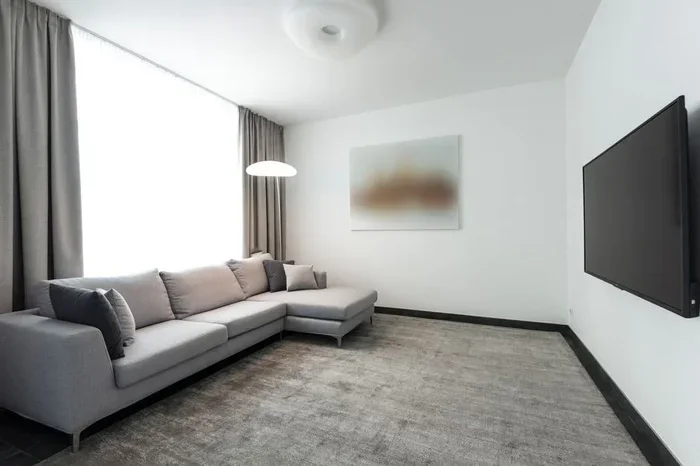
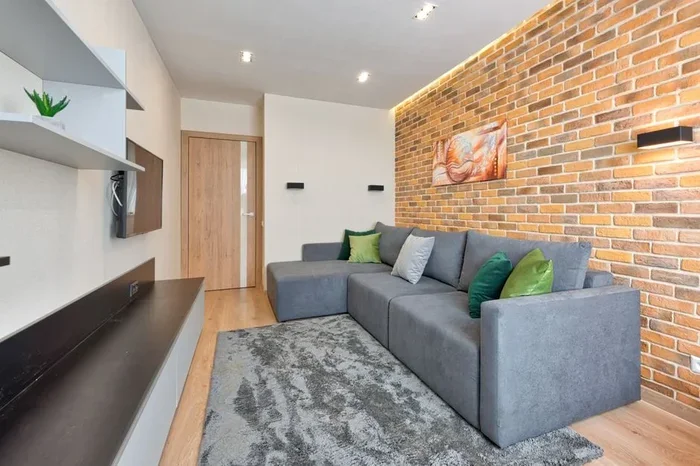
It’s possible, but choose a compact sectional with a slim profile. L-shaped sectionals can work well in rectangular rooms, but make sure they don’t block walkways or windows. If your room is under 200 square feet, a standard sofa and a couple of chairs usually work better than a bulky sectional for small apartment layout purposes.