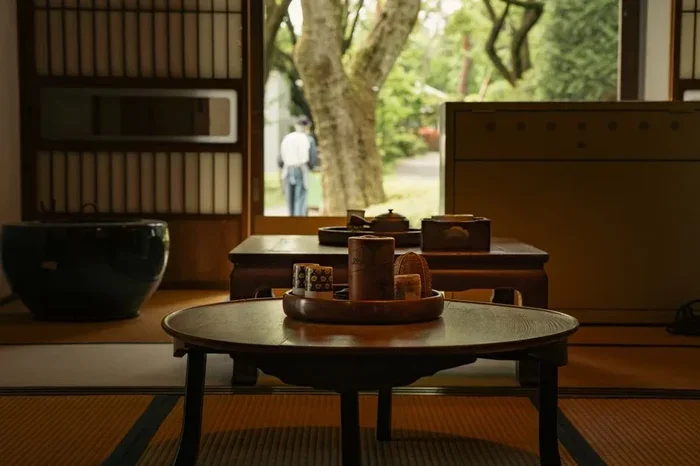
Japanese Inspired Living Room Ideas for a Calm Home
A Japanese inspired living room blends minimalism, natural materials, and mindful design to create a tranquil retreat. You’ll learn how to incorporate Zen principles, wabi-sabi aesthetics, and functional tatami layouts into your home. These ideas will help you build a calm, balanced space that reduces stress and boosts well-being.
A Japanese inspired living room does more than look beautiful. It creates a quiet escape from the noise of daily life. You walk in and feel your shoulders drop. The air seems calmer. This style draws from centuries of design wisdom. It focuses on simplicity, nature, and balance. You do not need a huge budget. You need a clear intention. This guide will show you exactly how to bring that peaceful energy into your home.
Many people feel drawn to the Zen living room look. They see photos of clean lines, soft light, and empty space. They wonder how to get that same feeling. The secret lies in a few core ideas. You will learn about natural materials, low furniture, and the art of wabi-sabi. You will also discover how light, color, and plants play a big role. By the end, you will have a simple plan to start. You can transform your living room into a serene retreat.
Key Takeaways
- Embrace Minimalism: Declutter your space to foster peace and focus.
- Use Natural Materials: Wood, bamboo, and stone ground the room in nature.
- Adopt Wabi-Sabi: Celebrate imperfection and aged beauty.
- Incorporate Shoji Screens: Filter light softly for a serene glow.
- Create a Tatami Zone: Dedicate a low seating area for mindfulness.
- Balance Colors: Stick to neutral, earthy tones for harmony.
- Add Greenery: Indoor plants bring life and freshness.
📑 Table of Contents
What Is a Japanese Inspired Living Room?
A Japanese inspired living room takes its cues from traditional Japanese interiors. Think of a calm tea room or a tranquil garden view. The goal is to create a space that supports rest and mindfulness. Every object has a purpose. Nothing is there just to fill space. This approach is deeply rooted in Japanese interior design philosophy. It values harmony, respect, purity, and tranquility.
The Heart of Zen Design
At the center of this style is the concept of Zen. Zen is not just a religion. It is a way of living with awareness. In a living room, this means you focus on the present moment. You remove distractions. The room becomes a place for deep breathing and clear thinking. You might sit on a tatami mat and drink tea. You might simply gaze at a single branch in a vase. That is the beauty of a Zen living room. It invites you to slow down.
Another key idea is ma. This means the thoughtful use of empty space. In Western homes, we often fill every corner. In a Japanese inspired space, empty space is a design element. It gives the eye room to rest. It makes the room feel larger and more open. You can practice ma by leaving areas of your floor clear. Avoid pushing furniture against every wall. Let the room breathe.
Core Principles That Guide the Space
Understanding a few core principles will make the design process much easier. These ideas act as a compass. They help you make choices that feel right. You do not need to follow every rule. Just let them guide you.
Simplicity and Function
Simplicity is the first principle. A Japanese inspired living room keeps things to a minimum. You own fewer, but better, items. Each piece of furniture must serve a purpose. A low wooden table works for tea and meals. A simple floor cushion replaces a bulky sofa. This is not about deprivation. It is about making room for what truly matters. When you clear the clutter, you clear the mind.
Harmony with Nature
The second principle is a deep connection to nature. Japanese design sees the outdoors as an extension of the home. You bring the outside in through materials, colors, and views. A window frames a garden like a living painting. Natural wood grain, stone, and bamboo remind you of the earth. Even the changing seasons play a role. You might add a small indoor arrangement of branches that reflects autumn. This bond with nature is central to a calm home.
The Beauty of Imperfection
The third principle is wabi-sabi. This is the acceptance of transience and imperfection. A handmade ceramic bowl with an uneven glaze is more valued than a perfect factory piece. A wooden table with a visible knot tells a story. In a Japanese inspired living room, you celebrate these signs of life. You do not hide wear and tear. You let it add character. This mindset helps you feel less pressure for perfection.
| Aspect | Japanese Inspired Living Room | Typical Western Living Room |
|---|---|---|
| Furniture Height | Low to the ground, platforms | Tall sofas, armchairs |
| Color Palette | Neutral, earthy, muted | Bold colors, varied tones |
| Storage | Hidden, minimal, built-in | Visible shelves, cabinets |
| Decor Items | Few, intentional, natural | Many, decorative, varied |
| Lighting | Soft, filtered, ambient | Bright, task-focused, overhead |
| Space Use | Open, flexible, empty space valued | Filled, functional, dense |
Furniture and Layout Essentials
Choosing the right furniture is the next step. You do not need to buy a complete new set. Start with a few key pieces. Think about how you use the room. Do you sit and read? Do you host small gatherings? The layout should support those activities gently.
Low-Profile Furniture
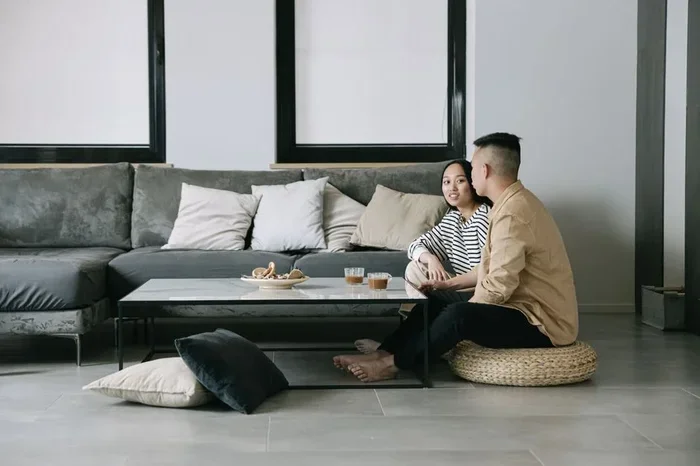
Low furniture is a hallmark of a Japanese inspired living room. A low sofa or a floor-level daybed makes the ceiling feel higher. It creates a grounded feeling. You can use a simple wooden platform as a base. Add firm cushions with natural fabric. Avoid tall, oversized armchairs that block the view. Low pieces encourage you to sit with a straighter spine. They also make the room feel more open.
Flexible Seating with Tatami
If you have the space, consider adding a tatami mat area. Tatami is a soft, woven grass floor covering. It feels wonderful underfoot. You can place a low futon or zabuton cushions on it. This creates a dedicated spot for meditation or quiet reading. The tatami area becomes a flexible zone. You can use it for tea time or as a guest seat. It brings an authentic touch of Japan into your home.
Hidden Storage Solutions
Clutter is the enemy of calm. A Japanese inspired living room relies on clever storage. Look for pieces with hidden compartments. A coffee table with a lift-top can store blankets and magazines. Wall cabinets that blend into the room keep things out of sight. The goal is to have a visually clean surface. When everything has a place, the room feels peaceful and orderly.
Materials, Colors, and Textures
The materials you choose set the tone for the entire room. Natural elements are non-negotiable in a Japanese inspired living room. They connect you to the world outside. They also age beautifully, which ties into wabi-sabi.
The Neutral Palette
Stick to a neutral, earthy color palette. Think of soft whites, warm beiges, and gentle grays. You can add a muted green from plants or a pale blue from ceramic tiles. Avoid bright, loud colors. They disrupt the calm. The goal is to create a backdrop that lets the mind rest. A neutral palette also makes small rooms feel larger and brighter.
Natural Textures
Texture adds depth without adding clutter. Use materials like unfinished wood, smooth stone, and woven bamboo. A linen throw on a low chair brings softness. A rough clay vase on a shelf adds contrast. These textures feel honest and grounded. They invite you to touch and connect. A Japanese inspired living room is full of these subtle, tactile details.
Wood and Bamboo
Wood is the backbone of this design style. Light oak, cedar, or pine work well. You can use wood for furniture, flooring, or wall accents. Bamboo is another excellent choice. It grows quickly and has a clean, linear look. Bamboo blinds, room dividers, or small side tables bring a natural elegance. Both wood and bamboo age with grace. They develop a patina that tells a story over time.
Lighting and Atmosphere
Light is a powerful tool in any Japanese inspired living room. It shapes the mood and affects your emotions. Harsh, bright lights feel stressful. Soft, filtered light feels safe and inviting. Your goal is to create layers of gentle illumination.
Shoji Screens and Soft Light
Shoji screens are sliding panels made of translucent paper and wood frames. They are a signature of Japanese design. When sunlight hits a shoji screen, it scatters into a soft, warm glow. You can use shoji screens as room dividers or window covers. They diffuse the light beautifully. If real shoji screens are too expensive, you can find similar paper-style lampshades or translucent blinds. The effect is the same: a calm, diffused light that flatters everything in the room.
Ambient Glow with Paper Lanterns
For evening light, consider paper lanterns. They come in many simple shapes. A single lantern on a low table creates a focal point. You can group several at different heights. Use warm LED bulbs inside them. The light bounces off the paper and fills the room with a gentle halo. This kind of ambient lighting supports relaxation. It is perfect for a Zen living room where you want to unwind after a long day.
Natural Light as a Design Element
Do not forget the power of natural light. Keep windows clear of heavy curtains. Use light, sheer fabrics if you need privacy. The aim is to let daylight pour in. Natural light changes throughout the day. It highlights the textures of wood and stone. It makes indoor plants glow. A room filled with natural light feels alive and connected to the outside world. This is a key feature of any Japanese inspired living room.
Common Mistakes to Avoid
Even with good intentions, it is easy to make mistakes. Knowing what to avoid will save you time and frustration. Here are a few common pitfalls.
Overcrowding the Room
The biggest mistake is adding too much furniture or decor. A Japanese inspired living room thrives on empty space. If every wall is covered with shelves, the room feels busy and anxious. Start with fewer items. You can always add one thing later. Leave the walls mostly bare. Let the floor have room. This restraint is what gives the style its peaceful power.
Ignoring the Flow
Another mistake is blocking the natural flow of the room. In Japanese design, movement is important. You should be able to walk around the furniture easily. Avoid placing large pieces in the middle of the room. Instead, push them against the walls or use low pieces that float in the space. A clear path helps energy move smoothly. It makes the room feel open and uncluttered.
Using Plastic or Shiny Materials
Plastic and high-gloss surfaces feel out of place. They lack the warmth of natural materials. A Japanese inspired living room favors matte, organic textures. Choose wood over laminate. Pick linen over polyester. Even metal accents should be brushed or matte, not polished chrome. These small choices make a big difference in the overall feel.
Bringing It All Together
Creating a Japanese inspired living room is a journey, not a race. You do not need to change everything overnight. Start with one element. Maybe it is a low wooden table. Maybe it is a set of shoji-style blinds. As you add pieces, pay attention to how the room feels. Does it invite you to sit quietly? Does the light feel soft? Does the space feel uncluttered? These small signs tell you are on the right track.
Remember that this style is deeply personal. Your room might include a tatami mat and a bonsai tree. Or it might just have a neutral palette and a single ikebana arrangement. There is no single right way. The goal is to create a space that brings you peace. A space that reflects the calm and balance you seek. Let your Japanese inspired living room evolve naturally, just like the seasons.
Take a moment to look around your living room right now. What one thing could you remove? What natural material could you add? A small change can shift the entire energy. You have the tools and ideas to begin. Trust the process. Enjoy the quiet beauty of a home designed with intention and care.
Frequently Asked Questions
What are the key elements of a Japanese inspired living room?
The key elements include low-profile furniture, natural materials like wood and bamboo, a neutral earthy color palette, and the use of shoji screens for soft light. You also embrace wabi-sabi by accepting imperfection and keeping the space uncluttered.
How can I create a Japanese inspired living room on a budget?
Start with small, affordable changes. Add a few floor cushions, use natural fiber rugs, and bring in indoor plants. Swap harsh lighting for warm, paper lanterns. Declutter aggressively. These simple steps give you the core feel without a big expense.
What is the role of tatami in a Japanese living room?
Tatami mats define a calm, grounded area for sitting or meditation. They bring a natural texture and a traditional Japanese feel. You can place a low table on them to create a flexible seating zone that encourages mindfulness.
Can I mix Japanese inspired style with modern decor?
Absolutely. A Japanese inspired living room blends well with modern minimalism. Keep the lines clean, use a neutral palette, and add a few natural textures. The mix creates a fresh, balanced look that feels both contemporary and serene.
How do I choose the right plants for this style?
Choose simple, elegant plants. A single bonsai tree, a bamboo stalk in a vase, or a peace lily in a ceramic pot works well. Avoid overly fussy or colorful flowers. The plant should feel like a natural, quiet companion in the room.
Why is empty space important in Japanese interior design?
Empty space, or ma, allows the room to breathe. It reduces visual noise and helps you feel calm. In a Japanese inspired living room, leaving areas of the floor clear is just as important as placing furniture. It creates a sense of openness and focus.