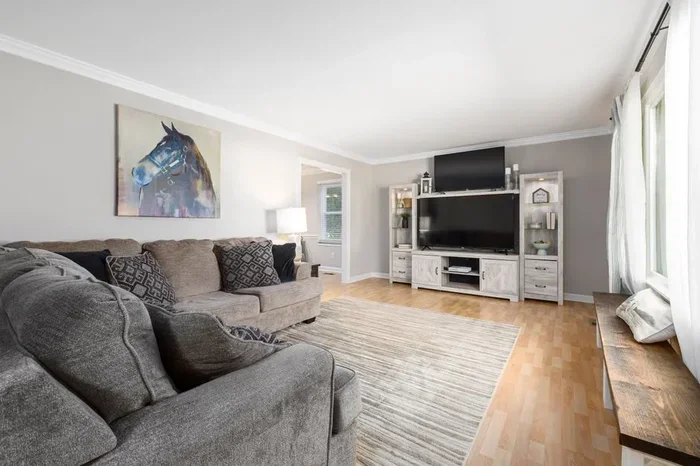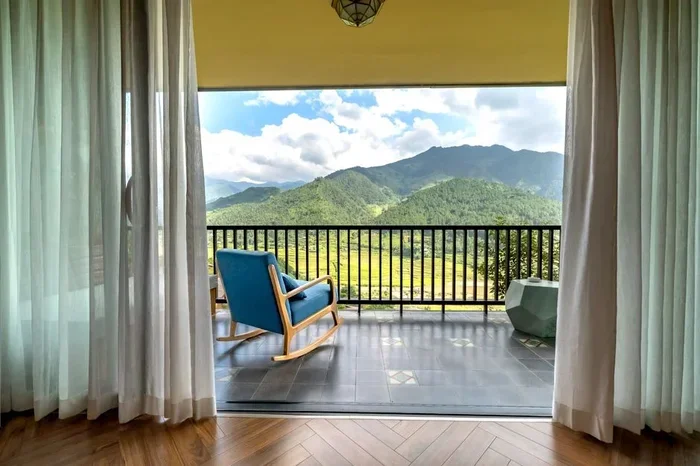
Indoor Balcony Overlooking Living Room Design Inspiration
An indoor balcony overlooking the living room brings fresh air, natural light, and a stunning architectural feature into your home. This design trend blends indoor-outdoor living with modern aesthetics, creating a peaceful retreat right inside your space. Whether you have a small or large balcony, the right ideas can elevate your home’s look and feel significantly.
Imagine sipping your morning coffee on a small indoor balcony overlooking living room space, surrounded by green plants and soft natural light. This design concept is more than just a trend. It is a way to bring the outdoors in and create a truly refreshing home environment. Many homeowners are discovering that an indoor balcony adds both beauty and function to their living space. It opens up the room, improves airflow, and gives you a quiet spot to relax.
The idea of an indoor balcony has grown in popularity over the past few years. People want homes that feel open, connected, and peaceful. A balcony that overlooks the living room creates a natural division in the space without closing it off. It gives you the best of both worlds. You get a dedicated balcony area while keeping the living room feeling spacious and airy. In this article, we will explore design ideas, tips, and inspiration to help you create your own indoor balcony retreat.
Key Takeaways
- Indoor balconies add value: They improve natural light, ventilation, and the overall aesthetic of your living room.
- Design styles vary widely: From minimalist to bohemian, there is an indoor balcony look for every home.
- Plants and greenery are essential: They bring life, color, and a calming atmosphere to the space.
- Glass railings maximize views: They keep the space feeling open while providing safety and structure.
- Lighting matters: The right fixtures create ambiance and make the balcony usable day and night.
- Flooring choices set the tone: Wood, tile, and stone each offer a different vibe and level of maintenance.
- Smart storage solutions help: They keep the balcony clutter-free and functional for everyday use.
📑 Table of Contents
- Why an Indoor Balcony Overlooking Living Room Is a Game Changer
- Design Styles for Indoor Balconies
- Furniture and Decor Ideas for Your Indoor Balcony
- Choosing the Right Flooring for Your Indoor Balcony
- Maximizing Views and Privacy
- Common Mistakes to Avoid When Designing an Indoor Balcony
- Expert Tips for Making the Most of Your Indoor Balcony
- Conclusion
Why an Indoor Balcony Overlooking Living Room Is a Game Changer
An indoor balcony overlooking living room setup changes the entire feel of a home. It brings in more light, improves ventilation, and adds a unique architectural element. Let us look at why this design choice is worth considering for your home.
Natural Light and Ventilation
One of the biggest benefits of an indoor balcony is the extra natural light it brings. When you have a balcony area that opens toward the living room, sunlight flows freely into both spaces. This reduces the need for artificial lighting during the day. It also makes the room feel warmer and more welcoming.
Ventilation improves too. An indoor balcony allows fresh air to circulate through the living space. This is especially helpful in rooms that feel closed off or stuffy. You can keep windows open on the balcony side while enjoying the view from your living room sofa. The airflow makes the whole space feel fresher and more comfortable.
Space and Visual Expansion
Many homes feel small or cramped, especially in urban areas. An indoor balcony creates an illusion of more space. The open view from the balcony into the living room makes both areas feel larger. It draws the eye outward and adds depth to the room.
This indoor-outdoor flow is a key principle in modern home design. It blurs the line between inside and outside. Even if your balcony is small, the visual effect is powerful. The living room feels connected to nature, and the balcony feels like an extension of your home. This concept is at the heart of biophilic design, which focuses on bringing natural elements into indoor spaces.
Aesthetic and Property Value
Let us be honest. An indoor balcony looks amazing. It is a stunning architectural feature that catches the eye. Guests will notice it the moment they walk in. It gives your home a unique character that sets it apart from other homes.
Beyond looks, an indoor balcony can increase your property value. Homebuyers love features that add light, space, and outdoor access. A well-designed balcony overlooking the living room is a strong selling point. It shows that the home has been thoughtfully designed with modern living in mind. If you are planning a home renovation, this is a feature worth investing in.
Design Styles for Indoor Balconies
There is no one-size-fits-all approach to balcony design. Your style should match your personality and the overall look of your home. Here are some popular design styles that work beautifully for indoor balconies.
Minimalist and Modern
The minimalist style focuses on clean lines, neutral colors, and simple forms. For an indoor balcony in this style, think of a sleek wooden floor, a single comfortable chair, and a few potted plants. Keep the railing simple, perhaps a thin steel or glass design. The goal is to create a calm, uncluttered space that feels open and peaceful.
This style works well in homes with an open floor plan. The balcony area blends seamlessly into the living room without visual clutter. Use white or light gray tones to keep the space feeling bright and airy. A single statement plant, like a tall fiddle leaf fig, can add just enough personality without overwhelming the room.
Bohemian and Rustic
If you love warmth and character, the bohemian or rustic style might be your perfect match. This approach uses natural materials, earthy tones, and layered textures. Think woven rugs, wooden crates for storage, and lots of trailing plants hanging from the railing.
For a rustic indoor balcony, use reclaimed wood for the flooring and shelves. Add a cozy bench or a couple of floor cushions for seating. String lights or lanterns create a warm glow in the evening. This style makes the balcony feel like a cozy hideaway tucked into the side of your living room.
Tropical and Green Oasis
A tropical indoor balcony turns your living space into a lush green retreat. This style uses lots of plants, natural textures, and vibrant colors. Think large leafy plants, hanging planters, and a teak or bamboo floor.
The key to a successful tropical balcony is layering. Use plants of different heights and sizes to create depth. Add a hammock chair or a rattan swing for a relaxed feel. This style works best when the balcony gets plenty of natural light. It brings the feeling of a vacation destination right into your home. The greenery also helps purify the air, making the living room a healthier place to be.
Furniture and Decor Ideas for Your Indoor Balcony
Furnishing an indoor balcony is different from furnishing a regular room. The space is usually smaller and more exposed. You need pieces that are functional, stylish, and suited to the environment.
Seating Options
Seating is the centerpiece of any balcony. For a small indoor balcony overlooking living room, choose compact options that do not eat up floor space.
- Bench seating: A simple wooden or cushioned bench along the wall saves space and adds storage underneath.
- Armchairs: A single armchair creates a cozy reading nook on the balcony. Choose one with a weather-resistant fabric if the balcony is not fully enclosed.
- Floor cushions: These are perfect for a casual, relaxed look. They are easy to move and store when not in use.
- Swing chairs: A hanging swing chair adds a playful touch and makes the balcony feel like a personal retreat.
Tables and Storage
You do not need a big table on your indoor balcony. A small side table or a wall-mounted fold-down table works great. It gives you a spot for your coffee cup or a book without cluttering the space.
Storage is important on a balcony. Use vertical space with wall-mounted shelves or hanging baskets. This keeps the floor clear and makes the balcony feel larger. A small cabinet or trunk can store cushions, gardening tools, or extra blankets. Keeping things tidy makes the space more enjoyable every day.
Decorative Touches
Small details make a big difference on an indoor balcony. Here are some ideas to add personality and charm:
- Potted plants: Mix tall plants, small succulents, and trailing vines for a layered look.
- Decorative lighting: Solar-powered lanterns, LED string lights, or a simple wall sconce add warmth.
- Rugs: A small outdoor rug defines the balcony area and adds texture.
- Wall art: A framed print or a small gallery wall adds color and interest to the balcony wall.
- Mirrors: A mirror reflects light and makes the balcony feel bigger and brighter.
Choosing the Right Flooring for Your Indoor Balcony
The flooring on your indoor balcony sets the tone for the entire space. It needs to be durable, easy to clean, and visually appealing. The right choice depends on your style and how the balcony is used.
Wood Flooring
Wood is a popular choice for indoor balconies because it brings warmth and a natural feel. Engineered wood or bamboo works well in this setting. They handle moisture better than solid hardwood, which is important for a space that may be exposed to the elements.
Light-colored wood like oak or birch makes the balcony feel open and airy. Dark wood like walnut adds a rich, sophisticated look. Either way, wood flooring ties the balcony to the living room beautifully. It creates a seamless transition between the two spaces.
Tile and Stone
Tile and stone are durable and easy to maintain. Porcelain tiles are a great option because they are water-resistant and come in many styles. You can choose tiles that mimic the look of wood, concrete, or natural stone.
Natural stone like slate or travertine gives a rustic, earthy feel. It is perfect for a balcony that gets a lot of sun and rain. The cool surface feels nice underfoot on hot days. Just make sure the stone is sealed properly to prevent staining and moisture damage.
Composite and Vinyl Options
Composite and vinyl flooring are budget-friendly alternatives that look great. They are waterproof, scratch-resistant, and easy to install. Many composite options look remarkably like real wood or stone without the high price tag.
These materials are ideal for balconies that get heavy use. They handle spills, foot traffic, and weather changes with ease. If you want a low-maintenance balcony flooring solution, composite or vinyl is worth considering.
Maximizing Views and Privacy
The view from your indoor balcony is one of its biggest assets. At the same time, you want to feel comfortable and private when you are out there. Balancing both is key to making the space truly enjoyable.
Glass Railings for Unobstructed Views
Glass railings are the best choice if you want to keep the view open. They provide a clear sightline from the balcony into the living room and beyond. The transparency makes the space feel larger and more connected.
Tempered glass is strong and safe. It is the standard for modern balcony railings. You can choose clear glass for a fully open feel or frosted glass for a bit of privacy. Glass railings also require less cleaning than metal or wood because they do not collect dust and dirt as easily.
Adding Privacy Without Blocking the View
If your balcony overlooks a busy street or neighbor’s yard, privacy becomes important. There are several ways to add privacy without completely blocking the view:
- Slatted wood screens: These allow airflow and filtered light while blocking direct sightlines.
- Climbing plants: Train vines along the railing for a natural privacy screen that looks beautiful.
- Sheer curtains: Lightweight curtains add softness and privacy without darkening the space.
- Bamboo blinds: These are easy to adjust and give a warm, natural look.
The goal is to create a sense of enclosure without making the balcony feel closed off. You still want to enjoy the open feeling of an indoor balcony overlooking living room space while having the option for privacy when you need it.
Common Mistakes to Avoid When Designing an Indoor Balcony
Creating an indoor balcony is exciting, but there are some common pitfalls to watch out for. Avoiding these mistakes will help you get the best results.
Overcrowding the Space
It is easy to add too much furniture or decor to a small balcony. This makes the space feel cramped and cluttered. Stick to a few key pieces and let the balcony breathe. Less is often more when it comes to small space design. Choose one or two statement pieces rather than filling every corner.
Ignoring Weather Protection
Even an indoor balcony is exposed to temperature changes, rain, and sun. If the balcony is not fully enclosed, choose furniture and materials that can handle these conditions. Cushions should be weather-resistant. Wood should be treated or sealed. Fabrics should be UV-resistant to prevent fading.
Ignoring weather protection leads to quick wear and tear. You will end up replacing items sooner than you should. A little preparation goes a long way in keeping your balcony looking great for years.
Forgetting About Lighting
Many people focus on furniture and decor but forget about lighting. A balcony that is only used during the day misses out on half its potential. Good lighting extends the usability of the space into the evening hours.
Use a mix of ambient, task, and accent lighting. A overhead fixture provides general light. A small lamp or wall sconce adds task lighting for reading. String lights or candles create a cozy atmosphere for relaxing. The right lighting transforms your balcony from a daytime spot into a magical evening retreat.
Neglecting Maintenance
An indoor balcony still needs regular care. Leaves and debris can blow in from the balcony garden. Rain can leave puddles or moisture marks. Without regular cleaning, the balcony can quickly look worn and untidy.
Set up a simple maintenance routine. Sweep or vacuum the floor weekly. Wipe down surfaces as needed. Check plants for pests or dead leaves. A little upkeep keeps the space looking fresh and inviting. It also protects your investment in the design and materials.
Expert Tips for Making the Most of Your Indoor Balcony
Design professionals have shared some valuable insights for creating a stunning indoor balcony. Here are a few tips that can make a real difference in your space.
Start with a focal point. Every balcony needs a centerpiece. It could be a beautiful plant, a comfortable chair, or a piece of wall art. The focal point draws the eye and gives the space purpose. Everything else should support and complement that focal point.
Use mirrors wisely. Mirrors are a small-space designer’s best friend. They reflect light and create the illusion of more space. Place a mirror on the wall opposite a window to bounce light deep into the balcony and living room.
Think about flow. The balcony should feel like a natural extension of the living room, not a separate space. Use matching flooring or a visual transition to connect the two areas. Consistent colors and materials help create this seamless feel.
Add scent. Scent is often overlooked in balcony design. A few aromatic plants like lavender or jasmine can make the balcony feel like a true escape. The fragrance adds another layer of enjoyment to the space and makes it feel more like an outdoor retreat.
Consider all seasons. Design your balcony so it is enjoyable year-round. Add a small heater or blankets for cooler months. Use fans or light fabrics for warmer weather. A balcony that works in every season gets used more often and adds more value to your home.
Conclusion
An indoor balcony overlooking living room is one of the most rewarding design features you can add to your home. It brings in more light, improves ventilation, and creates a peaceful space to relax and unwind. Whether you prefer a minimalist modern look, a cozy bohemian vibe, or a lush tropical retreat, there is a design approach that fits your style.
The key is to balance function with beauty. Choose furniture and materials that suit your lifestyle. Add plants and decor that reflect your personality. Pay attention to lighting, privacy, and maintenance. With the right planning and a little creativity, your indoor balcony can become the most beloved spot in your home.
Start small if you need to. Even a few potted plants and a comfortable chair can transform a basic balcony into a personal sanctuary. The goal is to create a space that feels like an escape, right in the heart of your living room. Your indoor balcony is waiting to become your favorite place in the house.
Frequently Asked Questions
What is an indoor balcony overlooking the living room?
An indoor balcony is a raised platform or ledge inside the home that overlooks the living room. It acts like a small balcony built within the house, offering a dedicated space with a view into the main living area. It brings natural light, fresh air, and a unique architectural feature into the home.
How do I choose the best flooring for an indoor balcony?
Consider durability, moisture resistance, and style. Wood, tile, composite, and vinyl are all popular choices. Wood adds warmth, tile and stone are highly durable, and composite or vinyl options are budget-friendly and low-maintenance. Match the flooring to the overall look of your living room for a seamless feel.
Can I use an indoor balcony as a garden space?
Absolutely. Many homeowners turn their indoor balcony into a small garden. Use potted plants, hanging planters, and vertical gardens to create a green oasis. Just make sure the balcony can handle the extra weight and that you have proper drainage. This is a great way to bring more greenery into your home.
What are the best plants for an indoor balcony?
Choose plants that thrive in your balcony’s light conditions. For sunny balconies, try succulents, lavender, or jasmine. For shadier spots, ferns, pothos, and snake plants work well. Trailing plants like ivy or string of pearls add a beautiful cascading effect along railings and shelves.
Do indoor balconies add value to a home?
Yes, they do. An indoor balcony is considered a desirable architectural feature that improves natural light, ventilation, and the overall appeal of a home. Potential buyers often see it as a unique selling point. It can increase both the perceived and actual market value of your property.
How can I make my indoor balcony feel more private?
Use slatted wood screens, climbing plants, sheer curtains, or bamboo blinds to create privacy without blocking the view. Frosted glass railings also help. The goal is to soften sightlines while keeping the space feeling open and connected to the living room.