No Couch Living Room Ideas That Will Transform Your Space
A no couch living room opens up floor space, creates a modern feel, and offers endless design possibilities. You can replace the traditional sofa with floor cushions, bean bags, daybeds, or benches for a fresh look. This guide covers seating alternatives, layout tips, and styling tricks to help you design a sofa-free living room that feels cozy and inviting. Whether you have a small apartment or a large open space, these ideas will inspire your next home makeover. Read on to discover how to ditch the couch and love your new setup.
Imagine walking into your living room and seeing open floor, natural light, and a beautiful arrangement of seating that feels completely different from the traditional sofa setup. A no couch living room is more than just a trend. It is a design approach that prioritizes space, flexibility, and personal style over the default furniture layout most of us grow up with.
Maybe you live in a small apartment where the couch dominates the room. Perhaps you want a minimalist aesthetic that feels calm and uncluttered. Or you simply want to try something new and refreshing. Whatever your reason, going sofa-free opens up a world of possibilities. This guide will walk you through practical ideas, creative alternatives, and expert tips to help you design a living room that works perfectly without a traditional couch.
The beauty of a living room without a couch is that it forces you to think differently about how you use your space. You get to choose what feels right for your lifestyle, not what a furniture catalog tells you to buy. Let us explore how to make it work beautifully.
Key Takeaways
- A no couch living room frees up valuable floor space: Removing the sofa instantly makes your room feel larger and more open.
- Alternative seating options are versatile and stylish: Think floor cushions, ottomans, daybeds, benches, and modular furniture pieces.
- Your living room can still be cozy without a traditional sofa: Layered rugs, throw blankets, and strategic lighting create warmth and comfort.
- Small spaces benefit the most from going couch-free: A sofa-free layout maximizes every square foot in apartments and compact rooms.
- Creative furniture arrangements define zones: Use area rugs, coffee tables, and lighting to create functional seating areas without a couch.
- Mixing seating types adds visual interest: Combining different chairs, poufs, and low seating creates a dynamic, curated look.
- You can always add a couch later: A no couch living room is flexible and lets you adapt your space as your needs change.
📑 Table of Contents
Why Choose a No Couch Living Room?
Before we dive into specific ideas, let us talk about why people are choosing to remove the couch from their living rooms. The reasons go far beyond aesthetics.
First, a sofa-free living room instantly creates more open floor space. The couch is often the largest piece of furniture in any room. When you remove it, the room breathes. You gain room to move, play, and live differently. This is especially valuable in smaller homes and apartments where every square foot counts.
Second, alternative seating options often cost less than a quality sofa. A set of floor cushions or a few stylish chairs can deliver the same seating capacity for a fraction of the price. This makes a no couch living room budget-friendly and accessible.
Third, going couch-free gives you design freedom. You are not locked into a standard layout. You can rearrange, experiment, and evolve your space whenever you want. A minimalist living room without a bulky sofa feels airy, modern, and effortlessly chic.
Space and Functionality Benefits
Removing the couch transforms how you interact with your room. You can create multiple zones for different activities. One corner might become a reading nook with a comfortable armchair and a floor lamp. Another area might feature a low table with cushions for casual dining or game nights.
Families with young children also benefit from a couch-free living room. Without a large sofa blocking the center, kids have more room to play safely. Parents can watch them from any seat in the room. The open layout also makes cleaning easier and faster.
Design and Aesthetic Advantages
A living room design without a couch looks intentional and curated. It signals that you have thought carefully about every piece in the room. The result feels more personal and less generic. You can experiment with bold colors, unique furniture pieces, and unexpected arrangements that a traditional sofa layout would never allow.
Many interior designers now recommend alternative seating as a way to add character to a room. A mix of chairs, poufs, and low seating creates layers and texture. The room feels gathered and intimate without relying on a single central piece.
Best Seating Alternatives for a No Couch Living Room
The key to a successful no couch living room is finding seating that is comfortable, stylish, and functional. Here are the best options to consider.
Floor Cushions and Poufs
Floor cushions are the easiest and most affordable way to create a sofa-free seating area. You can scatter them around a low coffee table for a casual, relaxed vibe. Look for cushions with removable covers so you can wash them easily and swap colors with the seasons.
Poufs serve double duty as both seats and footrests. They come in countless fabrics, patterns, and sizes. A cluster of three or four poufs near a window creates a perfect spot for reading or chatting. Floor seating also brings you closer to the ground, which many people find calming and grounding.
Ottomans and Benches
Ottomans are incredibly versatile. You can use them as seats, footrests, or even a makeshift table by placing a tray on top. A set of matching ottomans arranged in a semicircle creates a cozy conversation area without the bulk of a couch.
Benches are another excellent choice for a living room without a couch. A long bench against a wall provides seating for multiple people and doubles as a display surface for books, plants, or decorative objects. Wooden benches add warmth, while upholstered benches bring softness and comfort.
Daybeds and Loveseats
If you want something that feels more like traditional seating but still keeps the couch-free vibe, consider a daybed or a loveseat. A daybed works beautifully as both a seat and a guest bed. It takes up less visual space than a full-size couch while still offering plenty of room to relax.
A loveseat is smaller than a standard sofa but still provides comfortable seating for two. It works well in small living rooms where a full couch would overwhelm the space. Choose a loveseat with sleek lines and a low profile to maintain the open feel of a no couch living room.
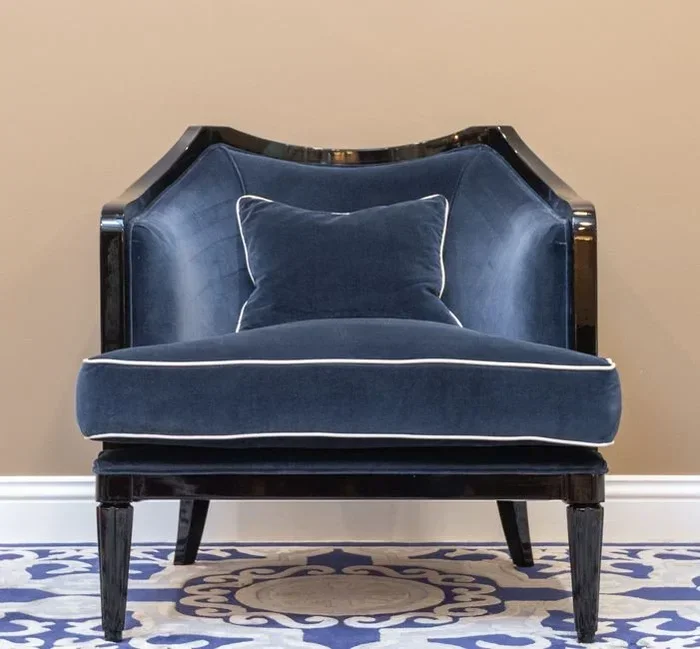
Armchairs and Accent Chairs
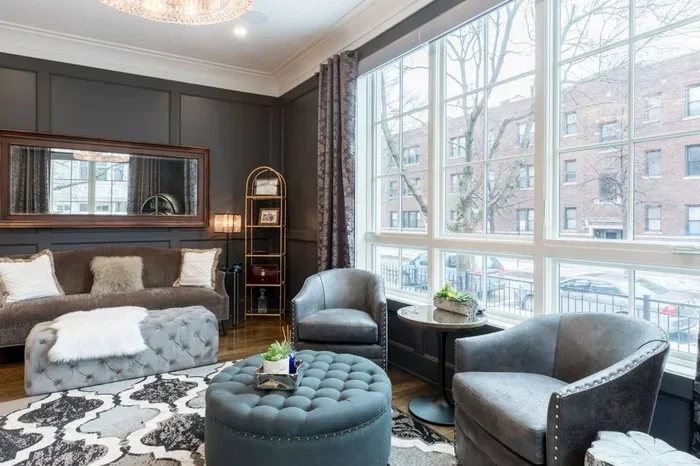
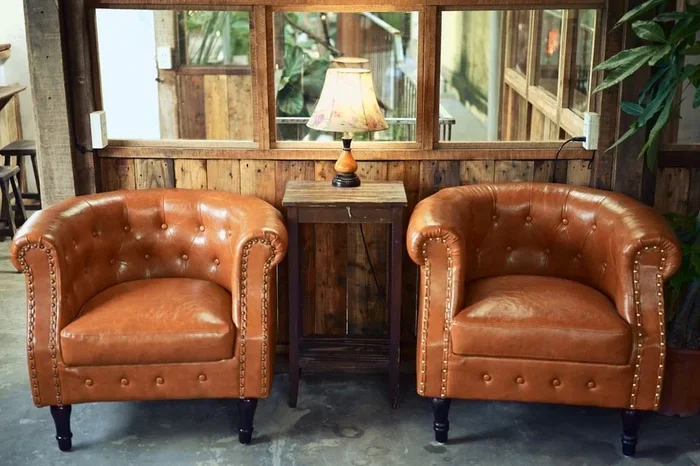
Two or three accent chairs arranged around a coffee table can replace a couch entirely. Look for chairs that complement each other in style but offer variety in texture or color. Mix a wooden chair with a fabric armchair and a rattan piece for an eclectic look.
Accent chairs also serve as statement pieces. A bold patterned chair or a sculptural design chair becomes the focal point of the room. This approach works especially well in modern living room designs where you want each piece to stand out.
Modular and Flexible Seating
Modular furniture is a game-changer for anyone designing a sofa-free living room. Modular pieces connect in different configurations, so you can adapt your layout whenever you want. Some modular systems include individual seats that you can rearrange into a line, an L-shape, or scattered groupings.
This type of seating is perfect for people who like to change their room setup frequently. It is also great for entertaining, since you can quickly expand or compress the seating area based on the number of guests.
Designing the Layout of Your Couch-Free Living Room
Now that you know your seating options, let us talk about how to arrange them. The layout of a no couch living room requires a bit more thought than a traditional setup, but the results are worth it.
Define Zones with Area Rugs
One of the most effective ways to organize a sofa-free living room is to use area rugs to define different zones. Place a large rug under your seating area to anchor the conversation zone. A smaller rug beneath a reading chair creates a cozy nook. Rugs signal to the eye that a specific area serves a purpose, even without a couch to define the boundary.
Choose rugs that are large enough to fit all the seating pieces in each zone. The front legs of chairs or the edges of cushions should sit on the rug. This creates a cohesive, intentional look that ties the room together.
Use a Coffee Table or Low Table as the Centerpiece
In a traditional living room, the couch anchors the space. In a couch-free living room, the coffee table takes on that role. Select a low table that fits your style and scale it to the room. A large round table works well for conversation areas, while a long narrow table suits a linear layout.
The table should be accessible from all seated positions. Leave enough space between the seating and the table so people can move comfortably. A good rule of thumb is to keep about 16 to 18 inches between the table edge and the seating.
Create a Focal Point
Every room needs a focal point, and in a no couch living room, it might be something other than a sofa wall. Consider a fireplace, a large piece of art, a bookshelf, or a window with a beautiful view. Arrange your seating to face the focal point, which naturally draws people together and creates a sense of gathering.
Lighting also plays a key role in defining the focal area. A statement floor lamp or a cluster of table lamps near the focal point adds warmth and draws attention to that part of the room.
Balance Symmetry and Asymmetry
Symmetrical arrangements feel formal and orderly. Place two matching chairs on either side of the table for a balanced look. Asymmetrical arrangements feel more casual and dynamic. Try placing a single armchair on one side and a pair of floor cushions on the other.
Most successful living room layouts use a mix of both. Start with a symmetrical foundation and add asymmetrical elements for visual interest. This approach keeps the room feeling intentional without looking rigid.
Quick Tips for Layout Success
- Leave at least 30 inches of walking space between furniture pieces.
- Use a mix of seating heights to create visual depth.
- Place a mirror opposite a window to reflect light and make the room feel larger.
- Add a bookshelf or sideboard along one wall to ground the room.
- Experiment with layouts before committing by using painter’s tape on the floor.
Styling Tips for a Cozy No Couch Living Room
One common concern about a living room without a couch is that it might feel cold or impersonal. The right styling choices solve this problem completely.
Layer Textures and Fabrics
Soft textures make any room feel warm and inviting. Layer throw blankets over your seating options. Add plush pillows in varying sizes and patterns. A thick area rug underfoot adds softness and absorbs sound, making the room feel cozy rather than bare.
Mix different materials like linen, velvet, wool, and jute to add richness and depth. A cozy living room does not need a couch. It needs layers of texture that invite people to sit down and stay awhile.
Use Warm Lighting
Lighting sets the mood in any room. Harsh overhead lighting makes a no couch living room feel clinical. Instead, use warm, layered lighting to create ambiance. Floor lamps placed beside seating areas provide gentle, task-oriented light. String lights or candle-style bulbs add a soft glow that makes the room feel inviting at any time of day.
Consider adding a dimmer switch to your overhead light so you can adjust the brightness based on the time and activity. Dim lighting in the evening transforms the room into a relaxed retreat.
Add Personal Touches
A room feels like home when it reflects your personality. Display books, art, photographs, and objects that tell your story. A living room design without a couch gives you more wall space to showcase artwork and shelves to display meaningful items.
Plants are another powerful styling tool. A large potted plant in one corner, a trailing plant on a shelf, and a small succulent on the coffee table add life and color. Greenery makes any space feel fresh and welcoming.
Common Mistakes to Avoid
- Skipping the rug: Without a couch to anchor the room, the rug becomes even more important for defining the space.
- Using too few seats: Make sure you have enough seating for everyone who regularly uses the room.
- Ignoring scale: Choose furniture pieces that fit the room size. Oversized chairs in a small room feel cramped.
- Forgetting storage: Include side tables, shelves, or a storage ottoman to keep the room tidy.
- Going too minimalist: A room with nothing in it feels empty, not stylish. Add personality through decor and accessories.
No Couch Living Room Ideas for Small Spaces
Small living rooms present a unique challenge when you remove the couch. But a no couch living room in a small space can actually work better than a traditional layout. The key is choosing compact, multi-functional furniture and keeping the floor as open as possible.
Use Wall-Mounted and Floating Furniture
Wall-mounted shelves and floating desks free up floor space while still providing function. A floating console behind the seating area adds storage without taking up valuable square footage. Wall-mounted lights instead of floor lamps keep the floor clear.
Choose Lightweight, Movable Pieces
In a small room, furniture on casters is your best friend. Lightweight chairs and ottomans that you can easily move around allow you to adapt the space for different activities. You can open up the room for playtime or movie night and then rearrange it for a cozy evening setup.
Go Vertical with Storage
When you do not have a couch to hold throw blankets and magazines, you need other storage solutions. Tall bookshelves, wall-mounted cabinets, and over-the-door organizers keep clutter off the floor. A tidy room always feels larger than a cluttered one.
Expert Insight on Small Spaces
Interior designers often recommend the “one in, one out” rule for small rooms. Every new piece of furniture should replace something you already own. This keeps the room balanced and prevents it from feeling crowded. A small living room thrives on restraint and smart choices.
How to Transition to a No Couch Living Room
If you are ready to take the leap, here is how to make the transition smoothly.
- Start by removing the couch. Store it or donate it. Living without it for a few days helps you adjust and see the new space clearly.
- Measure your room. Know your dimensions before buying any new seating. A living room layout without a couch needs careful planning to avoid gaps or crowding.
- Choose your primary seating first. Pick the main piece that will anchor your new setup. This could be a daybed, a pair of chairs, or a bench.
- Add complementary seating. Fill in with cushions, ottomans, and poufs. Mix heights and textures for visual interest.
- Style the space. Add rugs, lighting, tables, and decor. Step back and evaluate the balance of the room.
- Live with it for a week. Adjust anything that feels off. A no couch living room is a living, breathing space that should evolve with your needs.
Remember, there is no single right way to design a living room without a couch. What matters most is that the space works for you and your family. Trust your instincts and have fun with the process.
Conclusion
A no couch living room is one of the most rewarding design choices you can make for your home. It opens up your space, saves money, and gives you complete creative freedom. With the right alternative seating, a thoughtful layout, and smart styling, your living room can feel more welcoming and functional than ever before.
Whether you choose floor cushions, ottomans, daybeds, or accent chairs, the goal is the same: create a room that reflects your lifestyle and makes you happy every time you walk through the door. A sofa-free living room is not about following a trend. It is about designing a space that truly works for you.
Start small if you need to. Swap out the couch for one or two chairs and see how it feels. You might be surprised at how much you love the change. A living room without a couch might just become your favorite room in the house.
Frequently Asked Questions
Can a no couch living room still feel cozy and inviting?
Absolutely. The key is layering textures, using warm lighting, and choosing comfortable seating options like plush cushions and soft throws. A no couch living room can feel even cozier than a traditional setup when you focus on creating intimate seating clusters and adding personal touches like rugs and plants.
What are the best seating alternatives for a small no couch living room?
For small spaces, opt for compact and multi-functional pieces like storage ottomans, lightweight armchairs, and floor poufs. A loveseat or a pair of accent chairs takes up less room than a full couch while still providing comfortable seating for everyone.
Is a no couch living room suitable for families with kids?
Yes, many families prefer a couch-free living room because it creates more open floor space for kids to play. Low seating options like floor cushions and bean bags are easy for children to use and safer in a busy household. The open layout also makes supervision easier.
How do I anchor a living room without a couch?
Use a large area rug to define the seating zone, a coffee table or low table as the centerpiece, and lighting to draw attention to the focal point. Arrange all seating to face the focal area, which creates a natural gathering space without needing a traditional sofa.
Will removing the couch make my living room look smaller?
On the contrary, removing the couch usually makes a room feel larger and more open. The couch is often the bulkiest piece of furniture in a living room. Swapping it for lighter, lower-profile seating alternatives frees up floor space and improves the flow of the room.
Can I still have a TV in a no couch living room?
Yes, you can. Mount the TV on the wall or place it on a media console. Arrange your seating so that everyone has a clear view of the screen. A no couch living room can be just as entertainment-friendly as a traditional setup with the right furniture arrangement and sight lines.