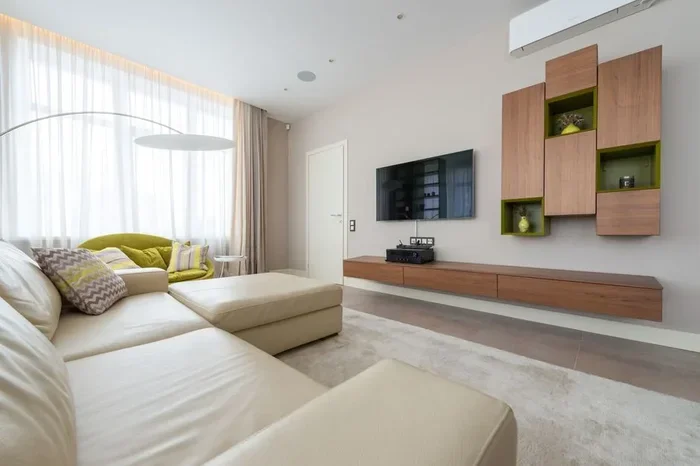
How to Say Living Room in Spanish Without Thinking
The most common way to say living room in Spanish is “sala de estar,” but regional variations like “sala,” “estancia,” and “salón” are also widely used. This guide covers translations, pronunciation, everyday phrases, and memory tricks to help you speak naturally and confidently.
So you want to learn how to say living room in spanish? That is a wonderful goal. The living room is one of the most used rooms in any home. It is where you relax, entertain guests, and spend time with family. Knowing how to talk about it in Spanish opens up real conversations. Whether you are traveling, making friends, or just learning a new language, this skill comes in handy more than you might expect.
The good news is that saying living room in Spanish is not hard at all. The most common translation is sala de estar. But here is something many beginners do not know — there is more than one way to say it. Spanish speakers in different countries use different words. In Mexico, you might hear one term. In Spain, you might hear another. And in Argentina, yet another word might pop up. This article breaks down every option so you can pick the right one for your situation.
Learning how to say living room in spanish is also a gateway to bigger things. Once you know this word, you can start talking about your home, your neighborhood, and your daily life in Spanish. It builds a foundation for more advanced conversations. You will start noticing how room names connect to furniture, activities, and even cultural habits. So let us dive right in and explore every way to say living room in Spanish.
Key Takeaways
- Primary Translation: “Sala de estar” is the standard way to say living room in Spanish across most Spanish-speaking countries.
- Regional Variations Matter: Different countries prefer different words like “sala,” “estancia,” or “salón,” so context is key.
- Pronunciation Is Straightforward: Once you learn the sounds of each word, saying living room in Spanish becomes effortless.
- Real-Life Phrases Help: Using common sentences like “¿Dónde está la sala?” builds your confidence fast.
- Memory Tricks Work: Visual associations and daily practice make these Spanish words stick for good.
- Related Vocabulary Expands Your Skills: Learning words for other rooms and furniture boosts your overall Spanish fluency.
📑 Table of Contents
- The Most Common Way to Say Living Room in Spanish
- Other Ways to Say Living Room in Spanish
- How to Pronounce Living Room in Spanish
- Living Room Vocabulary in Spanish
- Common Phrases You Will Use in a Spanish Living Room
- Quick Tips for Remembering Spanish Room Names
- Common Mistakes When Saying Living Room in Spanish
- Expert Insights on Learning Spanish Room Names
- Key Takeaways
- Conclusion
The Most Common Way to Say Living Room in Spanish
If you need one answer, sala de estar is it. This is the standard, widely understood translation used across most Spanish-speaking countries. It directly mirrors the English phrase “living room.” The word sala means “room” or “hall,” and estar means “to be.” So sala de estar literally translates to “room of being” or “being room.”
Here is how you might use it in a sentence:
- “La sala de estar es muy grande.” — The living room is very big.
- “Vamos a la sala de estar.” — Let us go to the living room.
- “Me gusta leer en la sala de estar.” — I like to read in the living room.
Sala de estar works in formal settings, in classrooms, and in most everyday situations. If you are ever unsure which word to use, this is your safest bet. It is understood from Spain to Latin America. When in doubt, go with sala de estar.
Why “Sala de Estar” Is the Go-To Choice
There are several reasons why sala de estar stands out as the top translation. First, it is universally recognized. Second, it sounds natural in both formal and casual speech. Third, it appears in textbooks, language apps, and dictionaries. If you are taking a Spanish class or using an app like Duolingo, you will likely encounter this phrase early on.
Another reason is clarity. Some other Spanish words for living room can have double meanings. Sala alone could refer to a waiting room or a large hall. But sala de estar leaves no room for confusion. It clearly points to the cozy room where you unwind after a long day.
Other Ways to Say Living Room in Spanish
Here is where things get interesting. Spanish is a rich and diverse language. Different regions have their own favorite words for living room. Let us explore them.
Sala
In many Latin American countries, people simply say sala to mean living room. This is especially common in Mexico, Colombia, and Central America. When someone invites you to their sala, they mean the main gathering room in their home.
For example:
- “Siéntate en la sala.” — Sit in the living room.
- “La sala tiene un sofá nuevo.” — The living room has a new sofa.
Using sala alone is casual and friendly. It is the word you will hear most often in everyday conversation across Latin America. If you want to sound natural and relaxed, sala is a great choice.
Estancia
In some countries, particularly Argentina and Uruguay, the word estancia can refer to a living room or a large room in a house. Originally, estancia meant a ranch or a farmstead. But in everyday Argentine Spanish, it has taken on the meaning of a main room or hall.
You might hear:
- “La estancia tiene una chimenea.” — The living room has a fireplace.
- “Pasamos la tarde en la estancia.” — We spent the afternoon in the living room.
While estancia is not as common as sala de estar, it is worth knowing. It shows cultural awareness and helps you understand regional differences in the language.
Salón
The word salón can also mean living room in some contexts. In Spain, salón often refers to the main room of a house or even a larger hall. In some Latin American countries, salón might refer to a salon or a grand room.
Example:
- “El salón está decorado con flores.” — The living room is decorated with flowers.
- “Nos reunimos en el salón para la fiesta.” — We gathered in the living room for the party.
Salón carries a slightly more formal or spacious feel compared to sala. It is a versatile word that can describe different types of large rooms depending on the context.
How to Pronounce Living Room in Spanish
Pronunciation is one of the biggest hurdles for English speakers learning Spanish. But the good news is that Spanish is a phonetic language. Words are pronounced exactly as they are spelled. Once you learn a few basic sounds, you can read and say almost anything correctly.
Breaking Down “Sala de Estar”
Let us break this phrase into parts:
- Sala — pronounced “SAH-lah.” The “a” sounds like the “a” in “father.”
- de — pronounced “deh.” A soft, short sound.
- estar — pronounced “es-TAR.” The stress falls on the last syllable.
Put it together: “SAH-lah deh es-TAR.” That is it. No tricky English sounds. No silent letters. Just clear, rhythmic syllables.
Quick Pronunciation Tips
- Always pronounce every letter. Spanish does not have silent letters like English does.
- The “r” in “estar” should be tapped lightly, not rolled heavily.
- The “a” in Spanish always sounds like “ah,” never like the “a” in “cat.”
- Practice saying the phrase slowly, then gradually speed up.
- Listen to native speakers on YouTube or language apps to train your ear.
If you practice these tips daily, you will be able to say how to say living room in spanish confidently in no time. Pronunciation builds muscle memory. The more you repeat, the more natural it feels.
Living Room Vocabulary in Spanish
Knowing how to say living room is just the beginning. To really talk about this space, you need related vocabulary. Think about all the things in a living room. The furniture, the activities, the decorations. Each of these has a Spanish word.
Furniture Words
- Sofá — sofa / couch
- Silla — chair
- Mesa de centro — coffee table
- Televisión — television
- Lámpara — lamp
- Alfombra — carpet / rug
- Muebles — furniture
- Cojín — cushion / pillow
- Estantería — bookshelf
Action Words
- Relajarse — to relax
- Ver la televisión — to watch TV
- Leer — to read
- Conversar — to converse / chat
- Recibir visitas — to receive guests
- Descansar — to rest
Descriptive Words
- Cómodo — comfortable
- Amplio — spacious
- Acogedor — cozy
- Decorado — decorated
- Iluminado — bright / well-lit
Building a vocabulary around your living room makes your Spanish conversations richer and more specific. Instead of just saying “I am in the living room,” you can say “I am relaxing on the comfortable sofa in the cozy living room.” That level of detail shows real language skill.
Common Phrases You Will Use in a Spanish Living Room
Now that you know the words, let us put them together into useful phrases. These are the things you might actually say when talking about a living room in Spanish.
Asking About the Living Room
- “¿Dónde está la sala de estar?” — Where is the living room?
- “¿Cuál es el tamaño de la sala?” — What is the size of the living room?
- “¿Hay un sofá en la sala?” — Is there a sofa in the living room?
Describing the Living Room
- “La sala de estar es muy acogedora.” — The living room is very cozy.
- “Tenemos una televisión grande en la sala.” — We have a big TV in the living room.
- “La sala tiene mucha luz natural.” — The living room has a lot of natural light.
Talking About Activities
- “Vamos a ver la televisión en la sala.” — Let us watch TV in the living room.
- “Me gusta leer en la sala de estar.” — I like to read in the living room.
- “Vamos a sentarnos en el sofá.” — Let us sit on the couch.
These phrases are practical and easy to remember. Try using them in your next Spanish conversation. Even if you make a mistake, the effort will be appreciated. People love when others try to speak their language.
Quick Tips for Remembering Spanish Room Names
Memory tricks can make a huge difference when you are learning new vocabulary. Here are some proven tips to help you remember how to say living room and other rooms in Spanish.
Use Visual Associations
When you think of sala de estar, picture yourself sitting comfortably in your living room. The image creates a mental link that makes the word easier to recall later. The more vivid the image, the better it sticks.
Practice Daily
Say the words out loud every day. Even just two minutes of practice makes a difference. Repeat “sala de estar” while you are sitting in your actual living room. The real-world connection strengthens your memory.
Label Items in Your Home
Put sticky notes with Spanish names on furniture and rooms in your house. Seeing “sala de estar” on your door every morning reinforces the word without extra effort.
Watch Spanish Content
Watch Spanish TV shows or YouTube videos where hosts talk about their homes. Hearing how to say living room in spanish in real conversations helps you pick up natural pronunciation and usage.
Use Flashcard Apps
Apps like Anki or Quizlet let you practice Spanish vocabulary on the go. Create a deck for room names and review it during your commute or before bed.
Common Mistakes When Saying Living Room in Spanish
Even motivated learners make mistakes. Here are some common errors to avoid when talking about the living room in Spanish.
Using “Vivo” Instead of “Estar”
A frequent mistake is saying “sala de vivo” instead of “sala de estar.” The word “vivo” means “alive” or “lively,” not “to be.” Always use estar in this phrase.
Confusing “Sala” with “Salón”
While both words can refer to a room, they carry different vibes. Sala is casual and cozy. Salón sounds more formal or grand. Using the wrong one in the wrong context can sound a bit off to native speakers.
Forgetting the Gender
In Spanish, every noun has a gender. Sala is feminine, so you use “la sala,” not “el sala.” This matters for adjectives and articles too. “La sala grande” is correct. “El sala grande” is not.
Translating Word for Word from English
English has “living room,” but Spanish does not use “viviente” or “vivo” for this space. Always stick with sala de estar or one of the regional alternatives.
Expert Insights on Learning Spanish Room Names
Language experts agree that learning room names is one of the most effective ways to build a beginner’s vocabulary. Rooms are concrete, familiar concepts. You already know what a living room is in English. You just need the Spanish equivalent. This existing knowledge gives you a huge advantage.
Experts also recommend grouping words by theme. Instead of memorizing random vocabulary, learn all the words related to your home. This creates a mental network that makes recall faster. When you think of your living room, you naturally think of the sofa, the TV, the lamp, and the coffee table. All of those words connect in your mind, making them easier to remember.
Another expert tip is to practice in context. Rather than just repeating “sala de estar” in isolation, use it in full sentences. Say “La sala de estar es mi lugar favorito” out loud. Context gives words meaning and makes them stick much better than rote memorization.
Finally, do not worry about perfection. Native Spanish speakers understand that learners are still building their skills. Even if your pronunciation is not perfect, people will appreciate your effort and help you improve. The most important step is simply to start speaking.
Key Takeaways
- Sala de estar is the standard and safest translation for living room in Spanish.
- Sala alone is widely used in Latin America for a casual, natural feel.
- Estancia is common in Argentina and Uruguay.
- Salón carries a more formal or spacious connotation.
- Pronunciation follows simple phonetic rules — every letter is pronounced.
- Building related vocabulary around furniture, actions, and descriptions makes your Spanish richer.
- Using common phrases in real conversations accelerates your learning.
Conclusion
Learning how to say living room in spanish is a small step that opens a big door. The main translation, sala de estar, is simple and widely understood. Regional words like sala, estancia, and salón add variety and cultural depth to your vocabulary. With the pronunciation tips, useful phrases, and memory tricks in this guide, you have everything you need to start using these words confidently today.
The living room is a familiar, comfortable space. It is the perfect place to practice your Spanish. Say “sala de estar” out loud as you sit on your sofa. Describe your room in Spanish. Label your furniture. Every small effort adds up. Before you know it, talking about your living room in Spanish will feel completely natural. So go ahead, give it a try, and enjoy the journey of learning how to say living room in spanish the easy way.
Frequently Asked Questions
What is the most common way to say living room in Spanish?
The most common and widely accepted translation is sala de estar. It is understood across all Spanish-speaking countries and works in both formal and casual settings. If you only learn one phrase, make it this one.
Is “sala” the same as “living room” in Spanish?
In many Latin American countries, yes. Sala is commonly used on its own to mean living room. However, in some contexts, sala can also mean a waiting room or a large hall. Using sala de estar removes any ambiguity.
Do Spanish-speaking countries use different words for living room?
Absolutely. In Mexico and Colombia, sala is the go-to word. In Argentina, estancia is sometimes used. In Spain, salón is common. Each regional variation is correct and natural in its own context. This diversity is one of the beautiful things about the Spanish language.
How do you pronounce “sala de estar”?
Pronounce it as “SAH-lah deh es-TAR.” The stress in “estar” falls on the last syllable. Spanish is phonetic, so every letter is pronounced clearly. Practice saying it slowly, then build up your speed over time.
Can I just say “living room” in a Spanish-speaking country and be understood?
In many tourist areas and among younger speakers, yes. The English phrase “living room” is often understood. However, using the Spanish translation shows respect for the local language and culture. It also helps you connect more deeply with native speakers.
What are some other useful room names in Spanish?
Here are a few: cocina (kitchen), habitación or dormitorio (bedroom), baño (bathroom), comedor (dining room), and jardín (garden). Learning these alongside sala de estar gives you a complete set of vocabulary for talking about any home.