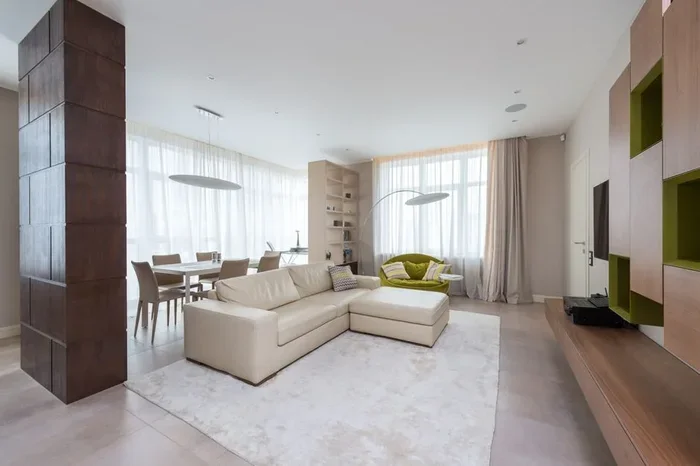
How to Make Living Room Look Bigger with These Tips
Discover practical ways how to make living room look bigger without major renovations. From smart furniture choices to strategic mirror placement, these tips will visually expand your living space and create an open, inviting feel. Whether you have a compact apartment or a cozy family room, you can maximize every square foot with the right design approach.
Ever walked into your living room and felt like it was swallowing you whole? You are not alone. Many people struggle with small living room spaces that feel cramped and overwhelming. The good news is that you do not need a renovation budget to fix this. With the right room design tips, you can make living room look bigger and feel more welcoming starting today.
Whether you live in a cozy apartment or a compact home, the way you arrange furniture, choose colors, and use light can completely transform your space. These strategies are simple, affordable, and incredibly effective. Let us dive into the practical steps you can take right now to open up your living room and create a more comfortable environment.
Key Takeaways
- Light colors and mirrors: Using a light color palette and placing mirrors strategically can instantly make your room feel more open and airy.
- Smart furniture choices: Opt for space-saving and multifunctional furniture to free up floor space and reduce visual clutter.
- Vertical storage: Making the most of wall space and vertical storage keeps the floor clear and makes the room appear larger.
- Decluttering is key: A tidy, organized living room naturally looks and feels more spacious than a crowded one.
- Lighting matters: Layering natural and artificial light removes dark corners and creates the illusion of a bigger room.
- Furniture arrangement: Positioning furniture away from walls and using low-profile pieces opens up the floor area.
- Consistent flooring: Using the same flooring throughout the space eliminates visual breaks and makes the room feel continuous.
📑 Table of Contents
- Assess Your Living Room Layout First
- Choose the Right Color Palette
- Furniture Arrangement Tips for More Space
- Use Light and Mirrors Strategically
- Smart Storage Solutions to Reduce Clutter
- Make the Ceiling Look Higher
- Create a Cohesive Look with Consistent Flooring
- Common Mistakes That Make a Room Look Smaller
- Quick Tips to Remember
- Conclusion
Assess Your Living Room Layout First
Before you buy anything or move a single piece of furniture, take a good look at your current layout. Understanding how your room flows is the first step to maximizing space effectively. A cluttered or poorly arranged room will always feel smaller than it actually is.
Measure Your Room and Furniture
Grab a tape measure and write down the dimensions of your room. Note the location of windows, doors, and any architectural features like fireplaces or built-in shelves. Then measure every piece of furniture you currently own. This gives you a clear picture of what you are working with. When you know your exact room proportions, you can plan a layout that uses space wisely.
Identify Your Room’s Focal Point
Every living room has a focal point. It might be a fireplace, a large window, a TV wall, or even a piece of artwork. Once you identify this focal point, arrange your furniture to draw attention toward it. A clear focal point creates a sense of order, and an organized room automatically looks and feels more spacious. Avoid pushing furniture against every wall. Leaving some breathing room around pieces makes the space feel less crowded.
Create a Floor Plan
Sketch a simple floor plan on paper or use a free online tool. Experiment with different furniture arrangements before you actually move anything. You might be surprised at how shifting a sofa just a few inches can open up a walkway and make the whole room feel lighter. A well-thought-out furniture arrangement is the foundation of any successful interior design strategy for small spaces.
Choose the Right Color Palette
Color has a powerful effect on how we perceive the size of a room. The right color palette can make a small living room feel airy and open, while the wrong colors can make it feel like a closet. This is one of the easiest and most affordable ways to make living room look bigger.
Stick to Light and Neutral Tones
Soft whites, warm beiges, light grays, and pale pastels reflect more light and make walls seem to recede. These neutral tones create a calm backdrop that makes the entire room feel more expansive. If you love color, use it sparingly. Add pops of color through throw pillows, a rug, or a piece of wall art rather than painting all the walls in a bold shade.
Use the Same Color on Walls and Ceiling
Here is a trick many interior designers swear by. Paint your walls and ceiling the same light color. This eliminates the visual boundary between the two surfaces and makes the ceiling appear higher. The room feels more continuous and less boxed in. It is a simple change that delivers a big impact when you want to make living room look bigger.
Consider the Floor Too
Your flooring plays a role in perceived space as well. Dark or busy floor patterns can shrink a room visually. Light-colored hardwood or soft gray carpet creates a seamless flow from wall to wall. If replacing the floor is not an option, a large area rug in a light shade can unify the space and make it feel more open.
Furniture Arrangement Tips for More Space
How you place your furniture has a huge impact on the feel of your living room. The wrong arrangement blocks pathways and makes the room feel chaotic. The right arrangement opens up the floor and guides the eye smoothly through the space.
Choose Low-Profile Furniture
Low-back sofas, slim armchairs, and coffee tables with exposed legs let you see more of the floor. This creates a sense of openness that high-backed, bulky furniture simply cannot achieve. Space-saving furniture like a slim console table or a nesting coffee table gives you function without taking up valuable floor area.
Float Furniture Away from Walls
You do not need to push every piece of furniture against the walls. Pulling your sofa a few inches forward can create a natural conversation area and make the room feel more balanced. It also opens up the walkway behind the furniture, which makes the space feel larger. Just make sure there is enough room to move comfortably between pieces.
Use Fewer, Better Pieces
In a small living room, less is more. Choose a few quality pieces rather than filling the room with many small items. Each piece should serve a clear purpose. A well-chosen multifunctional furniture piece, like an ottoman with hidden storage or a sofa bed, does the work of two or three items and saves space at the same time.
Use Light and Mirrors Strategically
Light is your best friend when you want to make living room look bigger. The more light a room has, the more open and inviting it feels. Mirrors are another powerful tool that can double the sense of space in seconds.
Maximize Natural Light
Open your curtains and blinds during the day. Natural light makes a room feel alive and spacious. If your windows are blocked by heavy drapes or bulky furniture, rearrange things to let the sunshine in. Consider using sheer or light-colored curtains that filter light without darkening the room. You can also trim any furniture that overlaps with your window area to keep the light path clear.
Add Layered Artificial Lighting
At night, a single overhead light creates harsh shadows and dark corners. Instead, layer your lighting. Use a floor lamp in one corner, a table lamp on a side table, and maybe some warm LED strip lights behind a shelf. This lighting design technique eliminates dark spots and makes the room feel warm and expansive. Dimmer switches are a great addition because they let you adjust the brightness to suit your mood.
Place Mirrors to Reflect Light
A well-placed mirror is one of the oldest optical illusions in interior design. Hang a large mirror directly across from a window, and it will reflect the outdoor view and natural light back into the room. This instantly doubles the sense of depth and makes the space feel much larger. You can also group smaller mirrors on a gallery wall for a stylish effect that also expands the room visually.
Smart Storage Solutions to Reduce Clutter
Clutter is the number one enemy of a spacious-looking living room. Even a well-designed room will feel small if it is stuffed with too many things. The key is to find clever storage solutions that keep items out of sight while keeping the room looking clean and open.
Go Vertical with Wall-Mounted Storage
Make use of your walls. Wall-mounted shelves, floating cabinets, and tall bookcases draw the eye upward and make the room feel taller. They also free up valuable floor space. Use baskets or decorative boxes on shelves to keep smaller items tidy. When the floor is clear, the room automatically looks bigger.
Choose Hidden Storage Furniture
Furniture with built-in storage is a game-changer for small living rooms. Look for coffee tables with lift-up lids, sofas with under-seat compartments, or ottomans that open inside. These pieces let you store things like blankets, magazines, and remote controls without adding extra furniture to the room. This is a smart way to maximize space without sacrificing style.
Declutter Regularly
No storage solution works if you keep adding things to the room. Make it a habit to go through your living room every few weeks and remove items you no longer need. A minimalist approach to decorating keeps the space feeling open and relaxed. Remember, a tidy room always looks bigger than a messy one, no matter the square footage.
Make the Ceiling Look Higher
If your living room has standard or low ceilings, you can use design tricks to create the illusion of more height. This is especially helpful in apartments and older homes where ceiling height cannot be changed.
Use Tall Curtains and Vertical Stripes
Hang curtains close to the ceiling and let them fall all the way to the floor. This draws the eye upward and makes the walls appear taller. Similarly, vertical stripes on a feature wall or on decorative pillows create a lengthening effect. These simple visual expansion techniques are easy to implement and surprisingly effective.
Keep the Upper Walls Light
Paint the upper portion of your walls in a lighter shade than the lower portion. This creates a subtle gradient that makes the ceiling feel higher. You can also install crown molding in a light color to add height without overwhelming the room. These room design tips work especially well in rooms with low ceilings.
Avoid Hanging Low Chandeliers or Lights
Low-hanging light fixtures can make a room feel like the ceiling is pressing down. Choose flush-mount or semi-flush light fixtures that sit close to the ceiling. If you love a statement chandelier, hang it at a moderate height so it does not eat into the vertical space. Keeping the light fixture high preserves the feeling of openness.
Create a Cohesive Look with Consistent Flooring
One detail many people overlook is how flooring affects the perceived size of a room. When the flooring is consistent throughout the space, the eye flows smoothly and the room feels unified. This is a subtle but powerful way to make living room look bigger.
If your living room is open to a dining area or hallway, use the same flooring material and color across the entire space. Different flooring zones create visual breaks that chop the room into smaller pieces. A continuous floor surface gives the impression of one large, open area rather than several small ones. This is especially important in open floor plan homes where the living room blends into other spaces.
For rooms where changing the flooring is not practical, a large area rug in a color that complements the floor can help unify the space. The rug should be large enough that the front legs of your sofa and chairs rest on it. This creates a defined seating area without breaking up the floor visually.
Common Mistakes That Make a Room Look Smaller
It is just as important to know what not to do as it is to know what to do. Here are some common mistakes that shrink your living room visually.
- Using too many dark colors: Dark walls absorb light and make a room feel enclosed. Stick to light shades on the main surfaces.
- Overcrowding with furniture: Too many pieces block walkways and create visual noise. Choose fewer, well-placed items.
- Ignoring the window area: Placing a tall bookshelf or bulky chair in front of a window blocks natural light and makes the room darker.
- Using tiny rugs: A small rug in the middle of a large room makes the space feel fragmented. Use a rug that fits the furniture group.
- Skipping vertical elements: Failing to use wall space and vertical storage leaves the floor cluttered and the room feeling cramped.
- Mixing too many patterns: Busy patterns on every surface create visual clutter. Keep patterns minimal and use solid colors as the base.
Quick Tips to Remember
Here is a quick cheat sheet you can refer to anytime you want to refresh your living room and make it feel more spacious.
- Paint walls in light, neutral colors to reflect light and open up the space.
- Use one large mirror opposite a window to double the natural light.
- Choose furniture with exposed legs to show more floor space.
- Hang curtains from the ceiling to the floor for a taller look.
- Keep surfaces clear and use hidden storage to reduce visible clutter.
- Layer your lighting with floor lamps, table lamps, and warm LEDs.
- Use consistent flooring to create a seamless, unified look.
- Declutter regularly to keep the room feeling open and fresh.
Conclusion
Learning how to make living room look bigger is not about having a large home or a big budget. It is about using smart design strategies that work with the space you already have. From choosing the right color palette and arranging furniture thoughtfully to using mirrors, light, and smart storage, every tip in this guide can make a real difference.
Start with one or two changes and build from there. You do not have to overhaul your entire room overnight. Even small adjustments, like moving a mirror or switching to lighter curtains, can transform how your living room feels. The goal is to create a space that looks open, feels comfortable, and reflects your personal style.
Take what resonates with you, apply these room design tips at your own pace, and enjoy the process of making your living room feel bigger, brighter, and more inviting. Your dream living space is closer than you think.
Frequently Asked Questions
What is the easiest way to make a small living room look bigger?
The easiest way is to use light colors on the walls and add a large mirror that reflects natural light. These two changes cost very little and instantly create a more open, airy feel. Pair them with decluttering and you will see a noticeable difference right away.
Does furniture color really affect how big a room looks?
Yes, it does. Light-colored furniture blends with the walls and reflects light, making the room feel more spacious. Dark furniture absorbs light and can make a small room feel even smaller. If you prefer darker pieces, balance them with light walls and plenty of lighting.
Should I use one large rug or several small rugs in a small living room?
Use one large rug that fits your furniture group. Multiple small rugs break up the floor and make the room feel fragmented. A single large rug unifies the space and creates a sense of continuity that makes the room look bigger.
Can mirrors really make a living room look bigger?
Absolutely. Mirrors are one of the most effective tools for visual expansion. When placed opposite a window, a mirror reflects the outdoor view and natural light back into the room, doubling the sense of depth and brightness.
What type of furniture works best in a small living room?
Low-profile, slim furniture with exposed legs works best. Look for multifunctional furniture like storage ottomans or sofa beds. These pieces provide function while taking up less floor space, which is essential for making a small room feel open.
How can I make my living room feel bigger without spending money?
Start by decluttering and rearranging your existing furniture. Remove items that do not belong in the room. Hang curtains high and wide to make windows look larger. Rearrange your layout to open up walkways. These free changes can make a surprising difference in how spacious your room feels.
=== END ===