How to Create a Foyer in an Open Living Room Design
Creating a foyer in an open living room is one of the best ways to add warmth, function, and style to your home. You will learn how to define a transitional zone, choose the right furniture, and use lighting and décor to make your entryway feel intentional. This guide covers layout planning, storage solutions, and common mistakes so you can design a foyer that works for real life.
You open the front door and step into a beautiful, welcoming space. Shoes are tucked away. A warm glow greets you. A stylish console holds your keys and mail. This is the magic of a well-designed foyer, and you can create one even if your home has an open living room layout.
Many people think a foyer only works in traditional homes with narrow hallways. But that is not true at all. An open living room offers a unique chance to design a foyer that feels both intentional and spacious. The key is to define the space without closing it off. With the right furniture, lighting, and décor, you can turn any open area near your front door into a stylish entryway.
In this guide, we will walk you through everything you need to know about how to create a foyer in an open living room. You will learn practical tips for planning your layout, choosing furniture, adding storage, and avoiding common mistakes. Whether your home is small or large, this guide will help you build an entryway that feels inviting every single day.
Key Takeaways
- A foyer adds definition: It gives your open living room a clear entry point and makes your home feel more organized.
- Furniture choices matter: A console table, hall tree, and entryway rug are the foundation pieces of any great foyer.
- Lighting sets the tone: The right lighting makes your foyer feel warm and inviting the moment you walk in.
- Storage keeps clutter hidden: Smart solutions like baskets, benches with storage, and wall hooks keep your entryway tidy.
- Avoid common mistakes: Don’t overcrowd the space or skip the rug — small details make a big difference.
- Zone definition is key: Use rugs, furniture placement, and lighting to separate your foyer from the rest of the living area.
📑 Table of Contents
Why You Need a Foyer in an Open Living Room
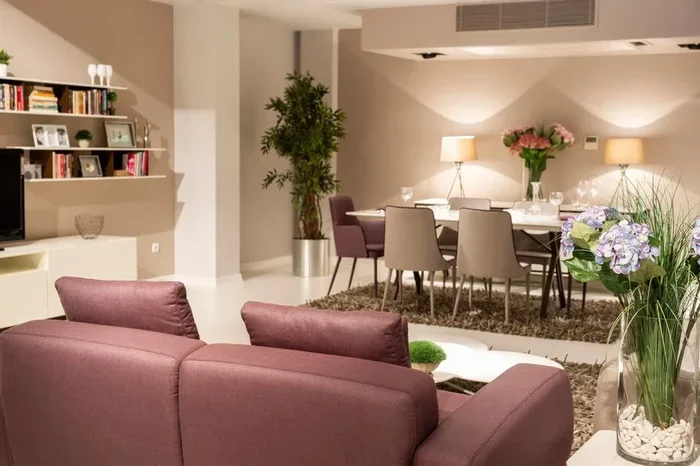
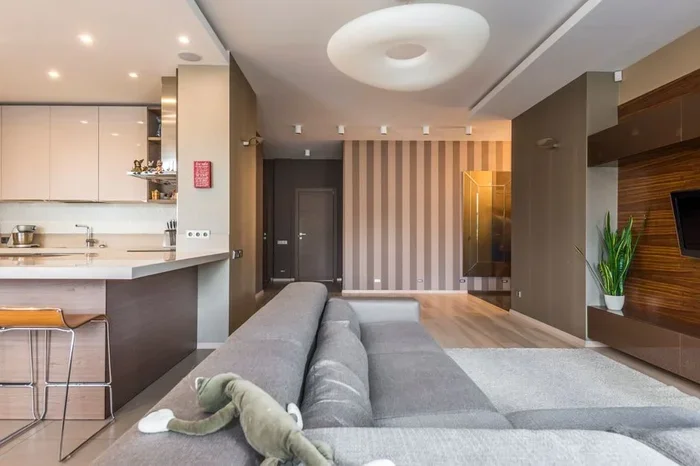
An open living room is beautiful, but it can feel a bit undefined near the entrance. Without a foyer, your front door opens right into your main seating area. That can make your space feel less organized and less welcoming. A foyer solves this problem by creating a clear transition zone between the outside and your living space.
It Defines Your Entry Point
Every home benefits from a clear entry point. When guests walk through your door, they should know exactly where they are. A foyer gives them that sense of arrival. It also helps you and your family feel grounded the moment you step inside. Instead of walking directly into the couch area, you enter a purposeful space first.
It Adds Practical Function
A foyer is not just about looks. It serves real daily purposes. You can hang coats, store shoes, and drop off keys in one convenient spot. This keeps clutter out of sight and prevents messes from spreading into the main living area. A good foyer makes your morning routine smoother and your evening routine more relaxing.
It Boosts Your Home’s Curb Appeal
First impressions matter. When guests enter your home, the foyer is the first thing they see. A well-designed entryway sets the tone for the entire visit. It shows attention to detail and makes people feel comfortable right away. Even if the rest of your home is simple, a thoughtful foyer can elevate the whole feel.
Planning Your Foyer Layout
Before you buy any furniture, take time to plan your layout. The way you arrange your foyer affects how the space feels and functions. A good plan considers traffic flow, available space, and your daily habits.
Measure Your Available Space
Start by measuring the area near your front door. Even in an open living room, you likely have a defined zone where the entryway naturally begins. Note the dimensions, including any door swings or nearby walls. This gives you a clear picture of what will fit and what will not.
Consider Traffic Flow
Your foyer should not block the path into the rest of the room. Leave enough space for people to walk through comfortably. A good rule of thumb is to keep at least 36 inches of clearance for walkways. This ensures your foyer feels open and does not create bottlenecks.
Choose a Focal Point
Every foyer needs a focal point. This could be a console table, a mirror, or a piece of artwork. The focal point draws the eye and gives the space a sense of purpose. Pick something that reflects your style and fits the scale of your entryway.
Choosing the Right Furniture
Furniture is the backbone of any foyer. The right pieces add function and style without overwhelming the space. In an open living room, you want furniture that defines the zone without closing it off.
The Console Table
A console table is the most important piece in a foyer. It provides a surface for keys, mail, and decorative items. Look for a table that fits your wall space without feeling bulky. A slim, narrow console works best in smaller open layouts. You can also choose a table with built-in drawers for extra storage.
The Hall Tree or Coat Rack
A hall tree or wall-mounted coat rack keeps outerwear organized. Freestanding hall trees work well in larger entryways. For smaller spaces, a simple wall-mounted rack saves floor space. Choose a style that complements your console table and overall décor.
The Entryway Bench
A bench adds both comfort and function. It gives you a place to sit while putting on shoes. Many entryway benches come with built-in storage underneath. This is a great way to hide shoes or seasonal items. In an open living room, a bench also helps anchor the foyer zone visually.
The Entryway Rug
An entryway rug is essential for any foyer. It defines the space and catches dirt and moisture from shoes. Choose a rug that is durable and easy to clean. A flat-weave or low-pile rug works well in high-traffic areas. The rug should be large enough to sit underfoot when you enter, but it does not need to cover the entire floor.
| Furniture Piece | Best For | Space Needed |
|---|---|---|
| Console Table | Surface for keys and décor | Small to medium |
| Hall Tree | Coat and bag storage | Medium to large |
| Entryway Bench | Shoe sitting and hidden storage | Small to medium |
| Entryway Rug | Defining the zone and catching dirt | Any size |
| Floor Mirror | Expanding the space and checking appearance | Small to medium |
Lighting and Décor for Your Foyer
Lighting and décor bring your foyer to life. They set the mood and make the space feel like a true part of your home. In an open living room, these elements also help visually separate the foyer from the rest of the room.
Layered Lighting Works Best
Use a mix of lighting sources to create depth. A ceiling fixture or pendant light provides general illumination. Add a table lamp on your console for warm, task lighting. If your foyer has a niche or wall space, consider wall sconces. Layered lighting makes the space feel inviting and prevents harsh shadows.
A Floor Mirror Expands the Space
A large floor mirror is a powerful tool in any foyer. It reflects light and makes the space feel bigger. This is especially helpful in open living rooms where the entryway might feel tight. Lean a full-length mirror against the wall or hang it at eye level. A mirror also serves a practical purpose, letting you check your appearance before heading out.
Add Personal Touches with Décor
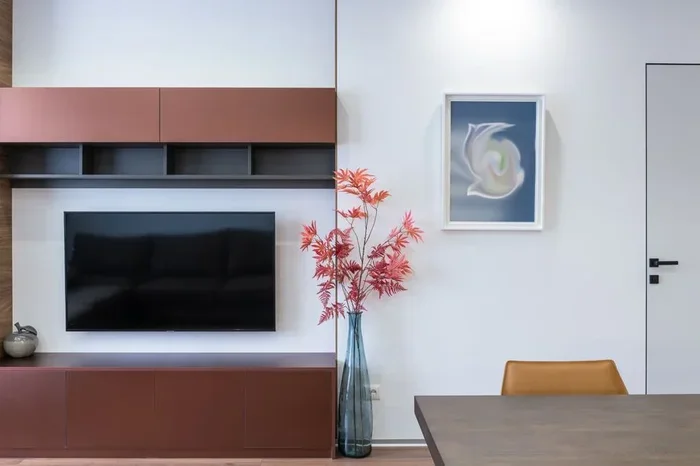
Décor is what makes your foyer feel like home. Place a small vase of fresh flowers on the console table. Add a scented candle or a decorative bowl for keys. Hang a piece of artwork or a gallery wall above the bench. These small details tell a story about your personality and make guests feel welcome.
Use Color to Create Zones
In an open living room, color helps define the foyer as a separate zone. You do not need to paint an entire wall. A bold entryway rug, a colored console table, or a feature wall behind the mirror can do the trick. Choose colors that complement your living room palette but add a touch of distinction.
Storage and Organization Solutions
A foyer without storage quickly becomes cluttered. The goal is to keep everyday items organized and out of sight. Smart storage solutions make your entryway both beautiful and practical.
Baskets and Bins
Woven baskets or decorative bins are perfect for storing shoes, umbrellas, and pet leashes. Place them under a console table or beside a bench. Choose baskets that match your décor style. They keep items contained while adding texture and warmth to the space.
Wall-Mounted Shelves
If floor space is limited, wall-mounted shelves are a great alternative. They provide a place for plants, framed photos, or small decorative objects. Install shelves at a comfortable height so items are easy to reach. Just be careful not to overload them, which can make the space feel crowded.
Hidden Storage Benches
A storage bench is one of the most versatile pieces you can add. It offers seating and a hidden compartment for shoes, blankets, or sports gear. Lift-up bench seats are especially convenient. They keep everything out of sight while keeping essentials within easy reach.
Common Mistakes to Avoid
Even with the best intentions, it is easy to make mistakes when designing a foyer. Here are some common pitfalls and how to avoid them.
Overcrowding the Space
One of the biggest mistakes is adding too much furniture. A foyer should feel open and airy, even in a small space. Stick to two or three key pieces, such as a console, a mirror, and a bench. Let the space breathe. Less is often more when it comes to entryway design.
Skipping the Rug
Some people skip the rug to save space or keep the look minimal. However, an entryway rug serves a very practical purpose. It protects your floors, defines the zone, and adds warmth. Choose a rug that fits the scale of your space, even if it is small.
Ignoring Lighting
A dark foyer feels unwelcoming. Many open living rooms have overhead lighting that does not reach the entryway. Add a dedicated light source, such as a table lamp or wall sconce, to brighten the space. Good lighting makes the foyer feel like a true part of your home.
Forgetting About Daily Habits
Design your foyer around how you actually live. If you have kids, prioritize shoe storage and a sturdy bench. If you receive lots of packages, make sure you have a flat surface for sorting mail. A foyer that works with your real-life habits will stay organized and functional for years.
Bringing It All Together
Creating a foyer in an open living room is all about intention. You are designing a space that welcomes you home and greets your guests. Start with a plan. Choose furniture that fits your space and your lifestyle. Add lighting and décor that reflect your personality. And make sure you have enough storage to keep things tidy.
Remember, your foyer does not need to be large to be effective. Even a small zone near the front door can feel like a true entryway with the right touches. A console table, a mirror, an entryway rug, and a few personal details can transform an open corner into a space you love every time you walk through the door.
Take your time with the process. Move furniture around. Try different lighting options. Adjust until the space feels just right. The best foyer is one that works for you and your family. Follow these tips, avoid the common mistakes, and enjoy the process of building a foyer that makes your whole living room feel more complete.
Frequently Asked Questions
Can I create a foyer in a very small open living room?
Absolutely. A small foyer can be just as effective as a large one. Focus on vertical space with wall-mounted shelves and hooks. Choose slim furniture like a narrow console table and a small bench. A single entryway rug and a floor mirror can make a tiny entryway feel complete and intentional.
What is the best furniture for a foyer in an open living room?
The best pieces are a console table, an entryway bench, and a mirror or coat rack. These items provide function without taking up too much space. Choose furniture that fits the scale of your area and matches your overall home décor style.
How do I separate the foyer from the rest of the living room?
Use visual cues like an entryway rug, different lighting, or a feature wall. You can also use furniture placement to define the zone. A console table against the wall and a bench in front of it naturally signal that this is the entryway area.
Do I need a dedicated light fixture for my foyer?
It is not required, but it is highly recommended. A dedicated light source, such as a table lamp or wall sconce, makes the foyer feel warm and welcoming. It also helps define the entryway as a separate zone within the open living room.
What type of rug works best for a foyer?
A durable, low-pile rug works best. Flat-weave rugs and indoor-outdoor rugs are easy to clean and hold up well in high-traffic areas. Choose a size that fits underfoot when you enter, and make sure the color or pattern complements your décor.
How can I add storage without making the foyer feel cramped?
Use furniture with built-in storage, like a bench with a lift-up seat or a console with drawers. Wall-mounted shelves and hooks keep items off the floor. Woven baskets can hide clutter on shelves or under tables. The key is to keep surfaces clear and choose pieces that serve more than one purpose.