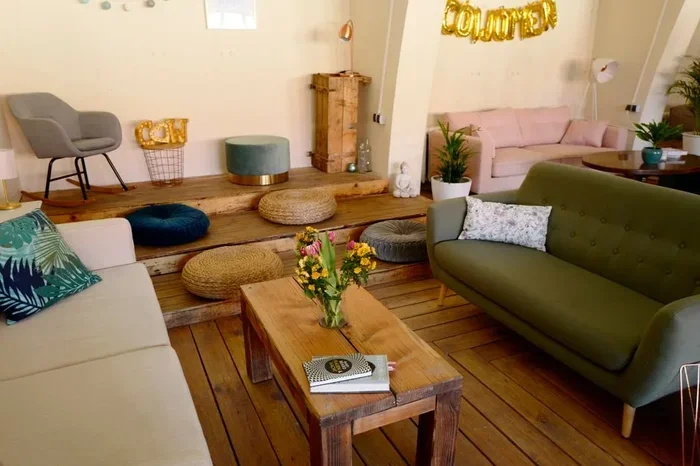
Mismatched Sofas in Living Room Decorating Ideas and Tips
Mismatched sofas in living room setups create a unique, personalized look that mass-produced furniture sets simply can’t match. You’ll learn how to mix different sofa styles, colors, and fabrics without chaos. This guide covers color pairing, layout ideas, accessories, and common mistakes to avoid. Whether you’re on a budget or chasing a designer aesthetic, these tips make it easy. Mismatched sofas in living room design is all about confidence and a few simple rules.
Mismatched sofas in living room design has become one of the hottest trends in home decor. Gone are the days when people felt they needed a matching sofa set to have a stylish living room. Today, interior designers and homeowners alike are embracing the art of mixing different sofa shapes, colors, and textures. The result? Spaces that feel personal, layered, and full of personality.
If you’ve been staring at your living room wondering how to refresh it without buying a whole new set, you’re in the right place. This guide walks you through everything you need to know about mismatched sofas in living room styling. From choosing the right pieces to arranging them like a pro, you’ll find practical tips you can use right away.
## Why Mismatched Sofas Work in Modern Living Rooms
Mismatched sofas in living room setups have a long history in interior design. The concept draws from eclectic and bohemian styles that celebrate individuality over uniformity. When you mix different sofas, you tell a story about your taste, your travels, and your personality.
### The Rise of Eclectic Design
Eclectic design has taken over social media and design magazines. People want their homes to feel authentic, not cookie-cutter. A mismatched sofa arrangement signals confidence and creativity. It shows you’ve thought about your space rather than just copying a catalog layout.
### Breaking Free from Matching Sets
Matching sofa sets used to be the default choice for living rooms. But they often look flat and uninspired. When every piece matches perfectly, the room can feel like a furniture showroom. Mixing sofas adds depth and visual intrigue. Each piece stands on its own while contributing to a bigger picture.
### Budget-Friendly Flexibility
One of the biggest advantages of mismatched sofas in living room design is cost savings. You don’t need to buy everything at once. You can pick up a great sofa from a thrift store, add a mid-range piece from a big-box retailer, and finish with a statement chair. This approach lets you spread your budget across multiple trips and still end up with a cohesive look.
## How to Choose Sofas That Look Great Together
Not every sofa combination works. The secret lies in finding common ground between pieces that look different on the surface. Here’s how to make smart choices.
### Start with a Color Palette
Before you buy anything, pick a color palette. This is the foundation of any successful mismatched sofa arrangement. Choose two or three colors that will repeat across your different pieces. For example, you might pair a navy sofa with a mustard accent chair and a cream loveseat. The navy and cream tie the room together while the mustard adds a pop of energy.
### Mix Shapes and Sizes Thoughtfully
A sectional paired with a slim armchair creates balance. A deep couch next to a compact settee adds variety. The key is to vary the shapes without making the room feel cluttered. Think about the scale of your space and keep at least one unifying element, like a shared color or material.
### Consider Fabric and Texture
Fabric choice plays a huge role in making mismatched sofas feel intentional rather than random. You can mix textures like velvet, linen, and leather. But try to keep them in the same color family. A velvet sofa in gray paired with a linen chair in a lighter gray creates a sophisticated look. Mixing bright red leather with floral velvet, on the other hand, can feel jarring.
## Best Color Combinations for Mismatched Sofas
Color is the single most powerful tool when working with mismatched sofas in living room spaces. The right palette makes everything feel connected and deliberate.
### Neutral Base with Bold Accents
A neutral base keeps the room feeling calm and spacious. Start with sofas in white, beige, gray, or taupe. Then add bold accent pieces in teal, rust, or mustard. This approach works beautifully in both modern and traditional settings.
### Monochromatic Magic
Using different shades of the same color creates a sleek, sophisticated look. Try pairing a charcoal sofa with a lighter gray armchair and a dark gray ottoman. The variation in tone adds depth without creating visual conflict.
### Complementary Color Pairings
Complementary colors sit opposite each other on the color wheel. Blue and orange, purple and yellow, and red and green all work well. Use one color as the dominant sofa tone and the other as a smaller accent piece. This keeps the room balanced and visually appealing.
### Quick Tips for Color Success
- Stick to three main colors across all your sofa pieces.
- Use a color wheel to find complementary or analogous combinations.
- Test fabric swatches side by side before you buy.
- Don’t forget about wall color and flooring when choosing sofa colors.
- Add neutral throw pillows to soften bold color clashes.
## Arranging Mismatched Sofas: Layout Ideas
How you place your mismatched sofas in living room space matters just as much as the sofas themselves. A good layout encourages conversation, allows easy movement, and makes the room feel intentional.
### The L-Shape Plus Chair Setup
This is one of the most popular arrangements for mismatched sofas. Place a larger sofa along one wall to form the L-shape. Then position an accent chair or smaller sofa perpendicular to it. This creates a natural conversation area and makes the room feel cozy without being cramped.
### The Floating Furniture Layout
Instead of pushing all sofas against walls, try floating them in the center of the room. This works especially well in open-plan spaces. Place two different sofas facing each other with a coffee table in between. Add a rug underneath to define the seating zone. This layout feels modern and inviting.
### The Gallery Wall of Seating
Arrange three or more different sofas in a U-shape or semicircle. Each piece can be a different style, color, or size. The key is to anchor them with a large area rug and a consistent coffee table. This setup works beautifully in large living rooms with high ceilings.
### Scale and Proportion Tips
- Make sure your largest sofa fits the room without crowding it.
- Leave at least 30 inches of walking space between furniture pieces.
- Use a coffee table that’s proportional to all the sofas, not just one.
- Balance heavy pieces with lighter, airier ones.
- Consider the flow of traffic when deciding where to place each sofa.
## Accessories and Finishing Touches
Accessories are what turn a random sofa mix into a polished, designer-looking living room. They create unity and give the eye a place to rest.
### Throw Pillows That Tie Everything Together
Throw pillows are your best friend when working with mismatched sofas. Pick pillow covers that repeat the colors from your sofa palette. Mix sizes and textures for added interest. For example, pair a velvet lumbar pillow with a linen square and a knit accent pillow.
### The Power of a Statement Rug
A well-chosen rug anchors the entire seating area. It pulls different sofa pieces together by sitting underneath all of them. Choose a rug that features at least two of the colors in your sofa arrangement. A large, neutral rug with subtle patterns works in almost any setting.
### Coffee Tables and Side Tables
Your coffee table should complement the overall vibe without matching any single sofa. A wooden table with clean lines works with both modern and rustic sofas. Glass tables add lightness and make small rooms feel bigger. Side tables near each sofa add function and balance.
### Expert Insights on Accessorizing
Interior designers often say that accessories are the glue of a room. When you have mismatched sofas, you need that glue even more. A few well-placed items like a floor lamp, a stack of art books, or a decorative tray on the coffee table can transform the entire feel of the space.
### Quick Tips for Finishing Touches
- Add a throw blanket draped over one sofa for warmth and texture.
- Use wall art that picks up colors from your sofa palette.
- Place plants near the seating area to add life and softness.
- Layer lighting with floor lamps, table lamps, and overhead fixtures.
- Keep accessories minimal to avoid visual clutter.
## Common Mistakes to Avoid
Even with the best intentions, it’s easy to make mistakes when mixing mismatched sofas in living room setups. Here are the pitfalls to watch out for.
### Ignoring Scale and Proportion
One sofa that’s too big or too small for the room throws off the entire balance. Always measure your space before you buy. Leave enough room for walkways and other furniture. A cramped living room with too many sofas feels chaotic, not eclectic.
### Forgetting a Unifying Element
Every successful mismatched sofa arrangement needs at least one thing that ties the pieces together. It could be a shared color, a matching rug, or consistent wood tones in side tables. Without a unifying element, the room looks random instead of curated.
### Over-Mixing Patterns and Textures
Too many patterns compete for attention and create visual noise. If your sofas have bold patterns, keep the accessories simple. If your sofas are solid, you can add more patterned pillows and throws. The rule of thumb is to limit yourself to two or three patterns in the entire room.
### Neglecting the Floor and Walls
Mismatched sofas don’t exist in a vacuum. Your flooring and wall color affect how the sofas look together. A dark hardwood floor grounds lighter sofas, while a bold wall color can either complement or clash with your furniture choices. Always consider the full room when selecting your sofa pieces.
### Common Mistakes at a Glance
- Buying sofas without checking size against the room.
- Choosing pieces with no shared color or material.
- Overloading the room with too many patterns.
- Ignoring lighting and how it affects fabric colors.
- Skipping the rug, which is essential for tying the layout together.
## Key Takeaways
Key Takeaways
- Mixing sofa styles adds character: Pairing different sofa shapes and sizes creates visual interest and a curated feel.
- Color coordination is key: Use a shared color palette or complementary tones to tie mismatched pieces together.
- Layout matters: Arrange mismatched sofas thoughtfully to maintain flow and conversation zones in the room.
- Accessories bridge the gap: Throw pillows, rugs, and coffee tables help unify different sofa styles.
- Avoid common mistakes: Don’t ignore scale, fabric clash, or lack of a unifying element.
- Budget-friendly option: Mismatched sofas let you shop secondhand and mix pieces from different price points.
Key Takeaways
- Mismatched sofas in living room design adds personality and depth that matching sets can’t deliver.
- Start with a color palette and stick to two or three main colors across all pieces.
- Mix shapes and sizes thoughtfully to create balance and visual interest.
- Use accessories like rugs, pillows, and tables to unify different sofa styles.
- Avoid common mistakes like ignoring scale, over-mixing patterns, and skipping a unifying element.
- Mismatched sofas are budget-friendly and let you build a unique space over time.
## Conclusion
Mismatched sofas in living room design is more than a trend. It’s a way of making your home truly yours. When you mix different pieces, you create a space that reflects who you are and how you live. The tips in this guide give you a solid foundation to start experimenting with confidence.
You don’t need a big budget or a design degree. You just need a clear plan, a willingness to take risks, and an eye for what feels right in your space. Start small if you’re new to this. Add one different sofa or chair to your existing setup and see how it transforms the room.
The beauty of mismatched sofas in living room styling is that there are no rigid rules. You can change things around as your taste evolves. Your living room should always feel like a place you love coming home to. So go ahead, mix those sofas, and make your space uniquely yours.
## FAQs
Can I mix different sofa styles in a small living room?
Yes, you absolutely can. In a small room, choose sofas with slim profiles and light colors to keep the space feeling open. Use a shared color palette to tie different styles together. A small area rug under the seating area helps ground the mix and makes it feel intentional rather than cluttered.
How do I make mismatched sofas look coordinated?
The easiest way is to use a consistent color palette across all pieces. Pick two or three colors and repeat them in your sofas, pillows, and accessories. Adding a unifying element like a shared rug or matching coffee table wood tones also helps create a coordinated look.
What’s the best way to arrange mismatched sofas for conversation?
Face the sofas toward each other with a coffee table in the center. Leave enough space for easy movement around the room. An L-shaped setup with a larger sofa and a smaller accent chair works well for most living rooms and naturally encourages conversation.
Are mismatched sofas more expensive than matching sets?
Not necessarily. One of the biggest advantages of mismatched sofas is flexibility. You can mix a budget-friendly piece with a higher-end one. Shopping secondhand, during sales, or at different stores lets you build a beautiful set without breaking the bank.
How many different sofas is too many?
There’s no hard rule, but three to four different seating pieces usually works best. More than that can make a room feel chaotic. Focus on quality over quantity and make sure each piece serves a purpose in the overall layout.
What fabrics work best for mismatched sofa combinations?
Natural fabrics like linen, cotton, and velvet pair well together. Leather also mixes beautifully with fabric sofas. The key is to keep the texture somewhat consistent. For example, pairing a smooth leather sofa with a linen chair creates a balanced look, while mixing velvet, leather, and corduroy might feel too busy.
Frequently Asked Questions
What is mismatched sofas in living room?
mismatched sofas in living room is an important topic with many practical applications.