Is Interior Design a Fine Art or a Legitimate Profession
Interior design blends artistic expression with practical problem-solving, making it both a fine art and a respected profession. Many people wonder if interior design qualifies as a fine art, and the answer is more nuanced than you might think. This article breaks down the creative, technical, and professional sides of the field so you can form your own opinion.
Is interior design a fine art? This question sparks debate among creatives, educators, and professionals alike. Some see it as a purely decorative pursuit. Others recognize it as a demanding profession that blends creativity with technical expertise. The truth lies somewhere in between, and it is more interesting than most people realize.
When you walk into a beautifully designed room, something clicks. The space feels balanced, inviting, and intentional. That feeling does not happen by accident. It comes from a trained eye, a deep understanding of design principles, and years of practice. Interior design is far more than picking out curtains and throw pillows. It is a discipline that sits at the crossroads of art and science.
In this article, we will explore whether interior design qualifies as a fine art, what it takes to build a career in this field, and why it deserves recognition as a legitimate profession. Whether you are a budding designer or simply curious about the creative world, this guide has something for you.
Key Takeaways
- Interior design combines art and science: It demands both creative vision and technical knowledge like spatial planning and building codes.
- It is recognized as a legitimate profession: Accredited education, licensing, and industry standards back the field.
- Fine art and interior design overlap: Principles like composition, color theory, and aesthetic expression connect the two disciplines.
- Career paths are diverse: From residential to commercial design, the profession offers many specializations.
- Technology is reshaping the field: Tools like 3D rendering and AI are changing how designers work.
- Common misconceptions exist: Many people underestimate the education and skill required to become an interior designer.
📑 Table of Contents
The Case for Interior Design as a Fine Art
Many people argue that interior design belongs in the fine arts category. They point to the creative vision, the emotional impact, and the aesthetic choices that designers make every day. Let us look at why this argument holds weight.
Creative Expression and Aesthetic Vision
At its core, interior design is about creating something beautiful and meaningful. A designer selects colors, textures, shapes, and materials to craft a space that evokes emotion. This process mirrors what painters do on canvas or sculptors do with clay. The designer envisions a space and then brings that vision to life.
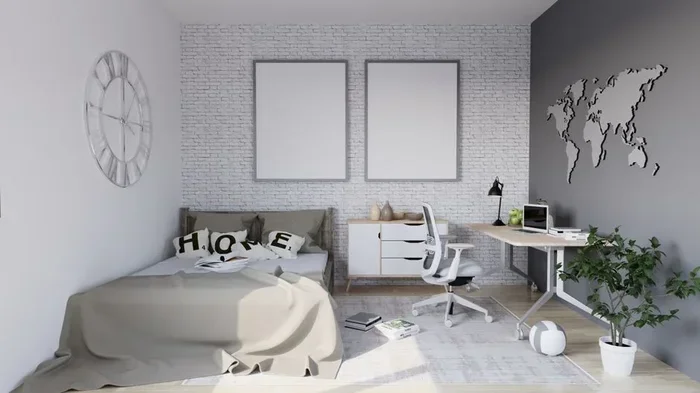
Think about a room designed in a modern minimalist style. Every element serves a purpose. The clean lines, the neutral palette, the carefully chosen furniture. Nothing is random. This level of intentionality is what fine artists strive for in their work. The designer makes deliberate choices, and each decision contributes to the overall impact of the space.
Composition, Balance, and Harmony
Design principles like composition, balance, rhythm, and harmony are the same principles taught in fine art schools. A designer must understand how elements work together within a space. They must create visual flow and guide the eye through a room. These skills are deeply artistic.
For example, when you place a piece of abstract wall art above a sofa, you are making a compositional decision. You consider scale, color contrast, and focal points. This is no different from an artist arranging elements on a canvas. The medium is different, but the creative thinking is the same.
The Role of Color Theory and Texture
Color theory is a cornerstone of both fine art and interior design. Designers use color to set moods, define zones, and create depth. They understand warm and cool tones, complementary colors, and color psychology. This knowledge comes from the same artistic foundation that painters and illustrators study.
Texture adds another layer of artistic complexity. A designer might pair rough stone with smooth silk or matte finishes with glossy accents. These choices create tactile experiences that engage the senses. A well-designed space appeals not just to the eyes but to the entire body. This sensory richness is a hallmark of fine art.
The Case for Interior Design as a Legitimate Profession
While the creative side of interior design is undeniable, the profession has a strong technical foundation that sets it apart from a pure art form. Let us examine why interior design is a legitimate and respected career.
Education and Accreditation
Becoming an interior designer requires formal education. Most professionals complete a degree program accredited by organizations like the Council for Interior Design Accreditation (CIDA). These programs cover a wide range of subjects, from design history to building codes.
Students learn about spatial planning, ergonomics, lighting design, and materials science. They study architecture, psychology, and environmental sustainability. This rigorous curriculum ensures that graduates are prepared for real-world challenges. It is not just about making things look pretty.
Licensing and Professional Standards
In many states and countries, interior designers must pass licensing exams to practice professionally. The National Council for Interior Design Qualification (NCIDQ) exam is the gold standard. It tests candidates on building codes, safety standards, and project coordination.
These requirements protect the public and uphold the integrity of the profession. Licensed designers are held to ethical and professional standards. They must carry insurance and follow strict guidelines. This level of accountability is what separates a true profession from a casual hobby.
Technical Skills and Problem-Solving
A big part of interior design involves solving practical problems. A designer must work within budget constraints, meet building regulations, and address structural limitations. They coordinate with architects, contractors, and engineers. This requires strong project management and communication skills.
For instance, redesigning a small living room is not just about aesthetics. The designer must maximize space, improve flow, and ensure proper lighting. They might need to reconfigure electrical outlets or modify load-bearing walls. These are technical challenges that demand professional expertise.
How Interior Design Bridges Art and Profession
The most compelling argument is that interior design is both an art and a profession. It is a hybrid discipline that draws from multiple fields. This unique blend is what makes it so rewarding and versatile.
Artistic Decisions with Practical Outcomes
Every design choice has both an artistic and a practical dimension. Choosing a paint color is an aesthetic decision, but it also affects mood, perception of space, and maintenance. Selecting flooring involves style preferences but also durability, safety, and budget. A designer must balance these considerations constantly.
This duality is what makes the field so fascinating. You get to be creative while also being analytical. You express your artistic vision while solving real problems for real people. Few professions offer this kind of balance.
The Influence of Art on Design
Many interior designers draw direct inspiration from fine art. A stunning piece of modern abstract art can anchor an entire room design. A bold sculpture can become the focal point of a living space. Designers often collaborate with artists to create unique environments that blur the line between art and function.
Some designers even incorporate their own artwork into their projects. This personal touch adds authenticity and character. It shows that the boundary between fine art and interior design is not a wall. It is a bridge.
Design Thinking as a Creative Process
Design thinking is a structured creative process used in many fields, from product design to architecture. In interior design, it involves understanding the client’s needs, researching solutions, sketching concepts, and refining ideas. This process is inherently creative and iterative.
Designers brainstorm multiple options before settling on a final plan. They experiment with layouts, materials, and styles. They seek feedback and make adjustments. This creative problem-solving process is very similar to what fine artists do when they develop a new body of work.
Career Paths in Interior Design
If you are considering a career in interior design, you will be pleased to know that the field offers many paths. Each specialization brings its own challenges and rewards.
Residential Interior Design
Residential designers work with homeowners to create comfortable, functional living spaces. They might design a cozy bedroom retreat or a spacious open-plan kitchen. This path allows for a lot of personal creativity and client interaction.
Residential designers often develop long-term relationships with their clients. They get to see how their designs impact daily life. There is a deep satisfaction in creating a home that truly reflects who someone is.
Commercial Interior Design
Commercial designers work on offices, retail spaces, restaurants, and hotels. These projects require a strong understanding of branding, workflow, and safety regulations. The stakes are often higher because the design affects businesses and public spaces.
A well-designed office can boost productivity and employee well-being. A thoughtfully planned retail space can increase sales and enhance customer experience. The impact of commercial design extends beyond aesthetics.
Specialized Design Niches
Some designers focus on specific niches like sustainable design, healthcare design, or hospitality design. These specializations require additional knowledge and training. They also open doors to exciting and meaningful work.
For example, a designer specializing in luxury home decor might work with high-end clients on custom furniture and exclusive materials. A designer focused on eco-friendly design might prioritize recycled materials and energy-efficient solutions. The variety is one of the best things about this profession.
Common Misconceptions About Interior Design
Despite its growth and recognition, interior design still faces misconceptions. Let us clear up a few of the most common ones.
It Is Just Decorating
Many people confuse interior design with interior decorating. Decorating focuses mainly on aesthetics, like choosing fabrics and accessories. Design goes much deeper. It involves spatial planning, building systems, code compliance, and human factors. A designer does what a decorator does and so much more.
Think of it this way. A decorator might select a beautiful area rug for your living room. A designer will also consider how that rug affects the room’s acoustics, how it fits within the overall layout, and whether it meets fire safety requirements. The scope is entirely different.
It Does Not Require Formal Training
Some people believe anyone can become an interior designer with a good eye for style. While natural talent helps, formal education is essential. Design programs teach critical skills like lighting calculations, structural analysis, and project management. These are not things you can learn from a magazine.
Professional certifications and licenses further validate a designer’s expertise. They demonstrate a commitment to the craft and a willingness to meet industry standards. This is what makes interior design a true profession and not just a hobby.
It Is Not a Stable Career
The design industry is constantly evolving, and new opportunities are emerging all the time. As people invest more in their homes and workplaces, the demand for skilled designers grows. The Bureau of Labor Statistics projects steady growth in the field for years to come.
Technology is also expanding the profession’s reach. Virtual design consultations, 3D rendering software, and online platforms are making design services more accessible. These trends create new career paths and make the field more dynamic than ever.
Tips for Aspiring Interior Designers
If you are drawn to the creative and professional side of interior design, here are some tips to help you get started.
- Pursue formal education. Enroll in an accredited program to build a strong foundation.
- Build a portfolio early. Document your projects, even personal ones. A strong portfolio is your best asset.
- Stay current on trends. Follow design blogs, attend trade shows, and read industry publications.
- Network with professionals. Join design associations and connect with experienced designers in your area.
- Practice your technical skills. Learn software like AutoCAD, SketchUp, and Revit. These tools are essential in the modern profession.
- Develop your eye. Visit museums, study architecture, and analyze well-designed spaces. Inspiration comes from many sources.
Remember that becoming a skilled designer takes time and dedication. Every project teaches you something new. Embrace the learning process and trust your creative instincts.
Conclusion
So, is interior design a fine art or a legitimate profession? The answer is both. It is a creative discipline that demands artistic vision and technical mastery. It is a career path that requires education, licensing, and professional standards. And it is a field that continues to evolve and inspire.
Whether you see it as an art form or a profession, one thing is clear: interior design shapes the way we experience the spaces around us. It influences how we feel, work, and connect with others. That impact is both artistic and meaningful.
If you are passionate about creating beautiful, functional spaces, this field offers endless opportunities. Embrace the blend of art and science. Pursue your goals with confidence. The world of interior design is waiting for you.
Frequently Asked Questions
Is interior design considered a fine art?
Interior design shares many qualities with fine art, including creative expression, composition, and aesthetic vision. However, it also has a strong technical and professional foundation. Most experts consider it a hybrid discipline that bridges both worlds.
What education do you need to become an interior designer?
Most interior designers complete a bachelor’s degree in interior design or a related field. Accredited programs cover design principles, building codes, materials, and project management. Many professionals also pursue certifications like the NCIDQ exam.
How is interior design different from interior decorating?
Interior decorating focuses mainly on aesthetics, such as selecting furniture and accessories. Interior design includes those tasks but also involves spatial planning, structural modifications, lighting design, and code compliance. Design is a broader and more technical discipline.
Can interior design be a stable career choice?
Yes, interior design is a stable and growing profession. Demand for designers continues to increase as people invest in their homes and workplaces. The industry is also expanding with new technologies like virtual design and online consulting.
What skills are most important for an interior designer?
Key skills include creativity, spatial reasoning, communication, project management, and technical knowledge. Designers must also understand color theory, materials, building codes, and client needs. A balance of artistic and analytical abilities is essential.
How does technology impact interior design?
Technology has transformed the field in many ways. Tools like 3D rendering software, virtual reality walkthroughs, and AI-powered design platforms are changing how designers work. These technologies make the process more efficient and help clients visualize spaces before any work begins.