Mismatched End Tables Living Room Ideas for Every Home
Mismatched end tables living room setups bring character, warmth, and personal style to any space. You can pair different shapes, heights, and finishes to create a look that feels intentional and curated. This guide covers pairing tips, styling tricks, budget-friendly options, and common mistakes to avoid. Whether you love vintage finds or modern designs, these ideas will transform your room.
There is something magical about a living room that does not look like it came from a furniture catalog. When you choose mismatched end tables living room style, you break free from the “set” mentality. You give your space a voice. You tell a story. And the best part? It is easier than you think.
Mismatched end tables are not a design flaw. They are a deliberate choice. Interior designers and home stylists have been mixing furniture pieces for decades. The result is a room that feels personal, warm, and full of character. In this article, we will walk you through everything you need to know about styling mismatched end tables living room setups. From pairing tips to budget-friendly hacks, you will find practical ideas you can use right away.
Key Takeaways
- Mixing end tables adds personality: Combining different styles creates a unique, lived-in feel that mass-matched sets cannot achieve.
- Height and shape matter: Pairing tables of varying heights and shapes keeps the look balanced and visually interesting.
- Cohesion comes through styling: Use matching trays, coasters, or a shared color palette to tie mismatched pieces together.
- Thrift stores are goldmines: You can find affordable vintage and modern pieces that make stunning mismatched pairs.
- Avoid common pitfalls: Steer clear of clashing finishes or tables that are too different in scale for the room.
- Budget-friendly options work great: DIY paint jobs and repurposed items let you create a stylish look without spending a fortune.
📑 Table of Contents
- Why Mismatched End Tables Work in Any Living Room
- How to Pair Mismatched End Tables Like a Pro
- Best Styles of Mismatched End Tables for Your Space
- Styling Tips to Make Mismatched Tables Look Intentional
- Common Mistakes to Avoid When Mixing End Tables
- Budget-Friendly Ways to Create a Mismatched Table Look
- Conclusion
Why Mismatched End Tables Work in Any Living Room
You might wonder why so many people are ditching the matching set. The answer is simple. Matching furniture can feel flat. It can look like a showroom instead of a home. Mismatched end tables bring life and texture into a space. They give your eyes something to explore.
Here are a few reasons why mismatched end tables living room arrangements work so well:
- They add visual interest: Different shapes and sizes create depth. Your eye moves around the room instead of settling on one boring pair.
- They reflect your personality: Each table can tell a different story. One might be a vintage find from a flea market. Another might be a sleek modern piece from a big-box store.
- They are flexible: You can swap pieces out over time. You are not locked into a set that you grew tired of years ago.
- They work in any room size: Whether you have a tiny apartment or a large family room, mismatched tables can adapt to your space.
The key is balance. You do not want five completely unrelated tables. You want a thoughtful mix that feels curated. Think of it as a conversation between pieces. Each one complements the others, even if they are not identical.
The Psychology of Eclectic Decor
Research in environmental psychology shows that people feel more comfortable in spaces that reflect their individuality. A room filled with matching furniture can feel sterile. It can trigger a sense of “this is not really me.” On the other hand, an eclectic setup with mixed side tables and accent tables signals creativity and self-expression. It makes the room feel like yours.
How to Pair Mismatched End Tables Like a Pro
Mixing tables is an art, but it is not complicated. A few simple guidelines will help you create a look that feels intentional rather than random. Let us break down the best approaches for mismatched end tables living room styling.
Match by Height
One of the easiest rules is to pair tables of different heights. If your sofa is standard height, try a tall narrow table on one side and a short wide table on the other. This creates a pleasing visual contrast. It also gives you variety in surface area for placing drinks, books, and decor.
Here is a quick guide to table height pairing:
- Tall and short: A floor lamp-style table paired with a low café table.
- Same height, different width: Two tables at the same level but one is narrow and one is wide.
- Staggered heights: Three tables of varying heights arranged along a wall or behind a sofa.
Mix Shapes Thoughtfully
Combining round and square tables is a classic move. A round table softens the sharp edges of a square one. A square table adds structure to a round one. This contrast makes each piece stand out on its own while still feeling part of a whole.
Another popular combo is pairing a rectangular table with a round one. This works especially well when you have a long sofa. Place the rectangular table on the long side and the round one on the short side. The result is balanced and dynamic.
Use a Unifying Element
To make your mismatched end tables living room setup feel cohesive, use a unifying element. This could be a shared color, a similar material, or a matching tray. For example, if both tables have a wood finish, even if the shade differs slightly, they will feel connected. A woven basket or a decorative tray on one table can echo the texture of the other.
Best Styles of Mismatched End Tables for Your Space
Not sure which styles to mix? There are endless possibilities. Here are some of the most popular combinations that work beautifully in real homes.
Vintage and Modern Pairing
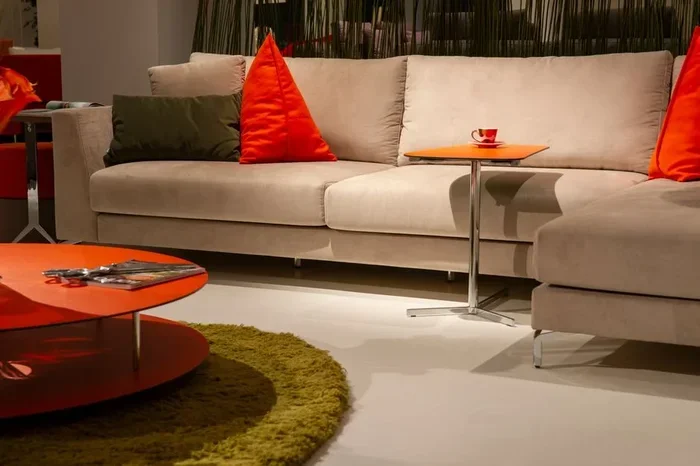
This is the most beloved mismatched end tables living room combo. A vintage wooden table with character and patina paired with a sleek, modern metal or glass table. The contrast between old and new creates a timeless look. It also means you can mix affordable new pieces with treasured heirlooms.
Mid-Century and Industrial
Mid-century modern tables with clean lines look fantastic next to industrial-style tables with exposed metal and raw wood. The warm tones of mid-century pieces balance the cool, edgy feel of industrial designs. This pairing works especially well in lofts and open-concept spaces.
Rustic and Boho
If your living room has a cozy, relaxed vibe, try mixing rustic and boho tables. A reclaimed wood table next to a woven or rattan side table creates a layered, textured look. Add some plants and soft textiles, and the room comes alive.
Budget Comparison: Matching Sets vs. Mismatched Pieces
| Factor | Matching Set | Mismatched Pair |
|---|---|---|
| Average Cost | $400 – $800 for a set | $50 – $200 per piece |
| Variety | Limited to one style | Unlimited combinations |
| Resale Flexibility | Must sell as a pair | Can sell or swap individually |
| Personalization | Low | Very high |
| Availability | May need to buy a full set | Easy to find pieces separately |
| Room Character | Polished but generic | Unique and personal |
As you can see, going mismatched gives you far more flexibility. You can spend less, find better pieces, and create a room that truly reflects who you are.
Styling Tips to Make Mismatched Tables Look Intentional
Now that you know how to pair tables, let us talk about styling. The way you decorate your mismatched end tables living room pieces makes all the difference. A few simple tricks will make the mix look deliberate and polished.
Use a Common Color Palette
Even if your tables are different styles, keep their colors within the same family. If one table is dark walnut and the other is white-washed oak, they still feel connected because they share a warm tone. Stick to two or three core colors in your room and let the tables fall within that range.
Add Matching Trays
A simple tray can tie two different tables together instantly. Place a woven tray on one table and a matching ceramic tray on the other. The trays do not need to be identical. They just need to share a material, color, or pattern. This is one of the easiest and most effective styling hacks.
Layer Books and Objects
Do not leave your table surfaces bare. Stack a few coffee table books on each table. Add a small plant, a candle, or a framed photo. The key is to create small vignettes on each table that echo the overall room theme. This gives the mix a sense of purpose.
Quick Tips for Tabletop Styling
- Keep the color of objects on each table within the same palette.
- Use odd numbers of objects for a more natural, relaxed look.
- Add a small plant to soften the mix and bring life to the surface.
- Rotate decor seasonally to keep the room feeling fresh.
- Use coasters that match the room’s overall style to protect surfaces.
Expert Insights on Living Room Styling
Interior designer Sarah Coleman shares this advice: “When mixing mismatched end tables living room pieces, think of them as siblings, not twins. They belong to the same family but have their own personalities. Let each piece shine on its own, but make sure they share something in common, whether that is a color, a material, or a shape.”
This philosophy works beautifully in practice. It gives you permission to be creative while keeping the overall look grounded and intentional.
Common Mistakes to Avoid When Mixing End Tables
Even with the best intentions, it is easy to make mistakes when mixing furniture. Here are the most common pitfalls and how to avoid them.
Choosing Pieces That Are Too Different in Scale
If one table is tiny and the other is oversized, the mismatch will feel awkward rather than charming. Make sure the tables are proportional to each other and to the sofa or chair they sit beside. A good rule of thumb is that the tabletop height should be roughly the same as the arm height of your sofa.
Ignoring the Room’s Overall Aesthetic
Mixing tables works best when they still fit within the room’s overall aesthetic. You can be eclectic, but there should be a thread of consistency. If your room is minimalist, a heavily ornate vintage table might clash. Choose pieces that complement each other, even if they are not the same.
Over-Accessorizing
It is tempting to fill every surface with decor. Resist that urge. Leave some breathing room. A cluttered table makes a mismatched setup look chaotic instead of curated. Less is often more when it comes to tabletop decor.
Forgetting About Function
End tables are not just decorative. They serve a real purpose. Make sure both tables are practical. Can you reach the lamp switch? Is there enough room for a drink and a book? Function should always come before pure aesthetics.
Budget-Friendly Ways to Create a Mismatched Table Look
You do not need a big budget to create a stunning mismatched end tables living room setup. Some of the best-looking combinations come from affordable or repurposed pieces.
Thrift Store Finds
Thrift stores and flea markets are treasure troves for mismatched tables. You can find vintage wooden tables, metal café tables, and unique pieces for just a few dollars. The patina and character of pre-loved furniture add instant charm that new pieces simply cannot replicate.
DIY Paint and Refinish
A simple paint job can transform a basic table into a stylish statement piece. Paint one table matte black and leave the other in its natural wood finish. Or try a bold color like teal or mustard yellow on a plain wooden table. A fresh coat of paint costs very little but makes a huge impact.
Repurpose What You Already Have
Look around your home. Do you have a small bench, a stool, or a crate that could serve as a side table? Almost anything can become an accent table with a little creativity. A wooden crate on its side makes a charming rustic table. A vintage step stool adds quirky character.
The beauty of a mismatched setup is that it celebrates imperfection. It does not need to be expensive or perfect. It just needs to feel right in your space.
Where to Buy Mismatched End Tables Online
If you prefer shopping online, there are great options for finding affordable mismatched pieces. Websites like IKEA, Wayfair, and Amazon offer a wide range of styles at different price points. You can also check out Etsy for handmade and vintage options. The key is to shop with an open mind. Look for pieces that speak to you, even if they are not part of a set.
Conclusion
Mismatched end tables living room ideas open up a world of creative possibilities. You can mix styles, heights, shapes, and finishes to build a space that is uniquely yours. The key is to balance variety with cohesion. Use unifying elements like color, material, or a shared tray to tie the pieces together. Avoid common pitfalls like scale mismatches and over-accessorizing.
Whether you are working with a tight budget or investing in statement pieces, mismatched tables bring warmth, personality, and visual appeal to any living room. Start small. Try swapping out one table at a time. Experiment with different pairings. Trust your instincts. The best living room is one that feels like home, and mismatched end tables are one of the easiest ways to get there.
So go ahead. Break the rules. Mix those tables. Your living room will thank you for it.
Frequently Asked Questions
Can I mix more than two end tables in a living room?
Absolutely. You can mix three or more tables, especially in larger living rooms. The key is to maintain balance by using a unifying element like a shared color palette, matching trays, or a consistent material. Group the tables in a way that feels intentional and avoids clutter.
What is the best height for mismatched end tables next to a sofa?
The ideal height is roughly the same as the sofa arm, typically between 24 and 30 inches. You can mix a taller table with a shorter one, as long as both are functional and easy to reach from your seating position. The goal is convenience without sacrificing style.
Are mismatched end tables more expensive than matching sets?
Not at all. In fact, mismatched tables are often more budget-friendly because you can buy each piece separately. You can find affordable options at thrift stores, online marketplaces, and discount retailers. DIY paint jobs and repurposed items can bring the cost down even further.
How do I make mismatched tables look cohesive in a small living room?
In a small space, keep the tables similar in scale and choose a shared color or material to create unity. Use light colors to keep the room feeling open. A matching tray or similar tabletop objects on each table help tie the look together without making the room feel crowded.
What styles pair best with mismatched end tables?
Eclectic, bohemian, mid-century modern, and farmhouse styles all work beautifully with mismatched tables. These design approaches embrace variety and personal expression. Even transitional and modern styles can incorporate mismatched pieces by keeping a consistent color palette and shared materials.
Do mismatched end tables reduce the value of my living room furniture?
Not at all. In fact, a well-curated mix of tables can increase the perceived value of your space. It shows thoughtful design and personal taste. Many interior designers consider mismatched furniture a sign of a well-decorated, confident home rather than a budget compromise.