Interior Restaurant Wall Design Ideas and Inspiration
Interior restaurant wall design sets the mood and identity of any dining space. The right walls boost ambiance, comfort, and brand personality. This guide covers styles, materials, colors, and decor tips you can use right away. Whether you run a cozy café or a fine-dining spot, these ideas will help you create walls that wow every guest.
When guests walk into a restaurant, their eyes land on the walls first. The interior restaurant wall design shapes the entire mood before a single bite is served. Walls tell a story. They set the tone for the meal, the conversation, and the memory. That is why smart restaurant owners invest real thought into their wall spaces.
A beautiful wall design does more than look good. It absorbs sound, adds warmth, and gives your brand a visual identity. Whether you are opening a new spot or refreshing an existing one, the walls are your canvas. This guide walks you through everything you need to know. From materials and colors to decor and lighting, you will find practical ideas you can use today.
Key Takeaways
- Wall design shapes guest experience: The right textures, colors, and materials make diners feel comfortable and eager to return.
- Material choice matters a lot: Brick, wood, tile, and concrete each bring a unique vibe and practical benefit to restaurant walls.
- Color schemes set the tone: Warm tones create intimacy, while cool tones feel modern and airy.
- Decor and lighting add depth: Wall art, shelves, and smart lighting turn plain surfaces into focal points.
- Avoid common pitfalls: Overcrowding walls, ignoring acoustics, and choosing trendy finishes that age poorly can hurt your space.
- Balance style with function: Great restaurant walls look beautiful and also handle wear, moisture, and cleaning demands.
📑 Table of Contents
Why Interior Restaurant Wall Design Matters So Much
People eat with their eyes long before they taste the food. The restaurant wall design creates the first impression. It tells guests what kind of experience they are about to have. A rustic brick wall says casual and cozy. A sleek concrete wall says modern and upscale. A warm wood panel wall says inviting and classic.
Beyond aesthetics, walls serve real functional purposes in a restaurant. They help control noise levels. They protect against moisture and grease. They give you a surface to hang art, menus, or signage. Good wall design improves both the look and the daily operation of your space.
How Walls Affect Guest Mood
Studies show that interior colors and textures directly affect how people feel. Warm earth tones like terracotta and beige make guests relax. Cool grays and whites feel clean and contemporary. Rough textures add character and depth. Smooth surfaces feel sleek and modern.
Think about the last great restaurant you visited. Chances are the walls played a big role in why you remember it so fondly. That is the power of intentional dining room wall design. Every shade, texture, and finish contributes to the overall atmosphere.
Popular Restaurant Wall Design Styles
There is no one-size-fits-all approach to restaurant interior wall design. The best style depends on your cuisine, location, target audience, and brand identity. Here are the most popular styles that work beautifully in restaurants today.
Industrial Style Walls
Industrial design remains a top choice for modern restaurants. Exposed brick, concrete surfaces, and metal accents create a raw, authentic feel. This style works especially well for pizzerias, brewpubs, and urban eateries.
Pair industrial walls with industrial wall shelves for living room concepts to add functional display space. Metal fixtures and Edison bulb lighting complete the look. The key is keeping it edgy but not cold.
Minimalist and Modern Walls
Minimalist restaurant walls focus on clean lines and uncluttered surfaces. White or light gray walls with simple accents create a calm, elegant atmosphere. This style suits fine dining, sushi bars, and contemporary cafes.
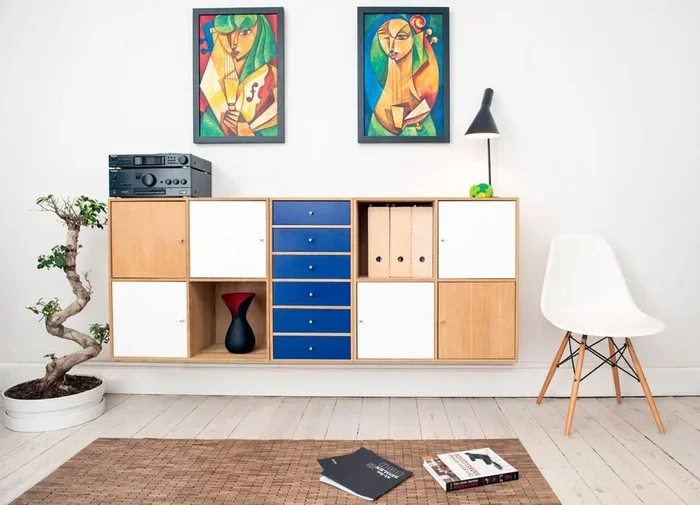
You can draw inspiration from minimalist wall decor for living room trends. Use negative space wisely. Let one statement piece — like a large painting or a textured feature wall — do the heavy lifting. Less truly is more in minimalist design.
Rustic and Farmhouse Walls
Rustic walls bring warmth and nostalgia. Reclaimed wood planks, shiplap, and natural stone are go-to materials. This style fits family restaurants, bistros, and farm-to-table eateries perfectly.
Rustic walls make guests feel at home. They add texture without feeling overdone. Pair them with warm lighting and natural wood furniture for a cohesive look that guests will love.
Luxury and Elegant Walls
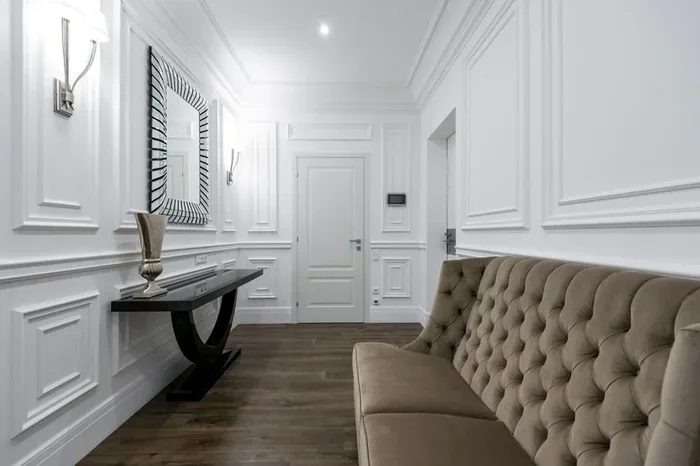
Upscale restaurants often lean into luxurious wall finishes. Marble panels, velvet-textured walls, and rich dark woods create a sense of opulence. Gold or brass accents add a touch of glamour.
The goal is to make guests feel special the moment they sit down. Elegant wall design supports high-end dining experiences and elevates the overall perception of quality.
Best Wall Materials for Restaurant Interiors
Choosing the right material is one of the most important decisions in interior restaurant wall design. Each material has its own look, durability level, and maintenance needs. Here is a closer look at the best options.
Brick Walls
Brick is a timeless restaurant wall material. Real brick or high-quality faux brick panels add texture and character. Brick works in almost any style, from industrial to rustic to modern eclectic.
Brick is also surprisingly durable. It handles heat, moisture, and heavy use well. The main downside is that real brick can be heavy and expensive to install. Faux brick panels offer a great alternative that costs less and installs faster.
Wood Panels and Accent Walls
Wood panels bring natural warmth to any dining space. They come in many finishes — dark walnut, light oak, painted white, or left natural. Wood works beautifully for feature walls behind the bar or the main dining area.
One of the best things about wood is its versatility. You can pair it with almost any color scheme or style. Just make sure to use restaurant-grade finishes that resist stains and scratches.
Tile Walls
Tile is a practical and stylish choice for restaurant walls. It wipes clean easily, which is a huge plus in food service environments. Subway tiles, Moroccan zellige, and large-format porcelain tiles all work well.
Living room wall tiles design trends can inspire restaurant applications too. Play with tile patterns, colors, and layouts to create a unique focal point. Just keep the overall design cohesive with your brand.
Concrete and Microcement
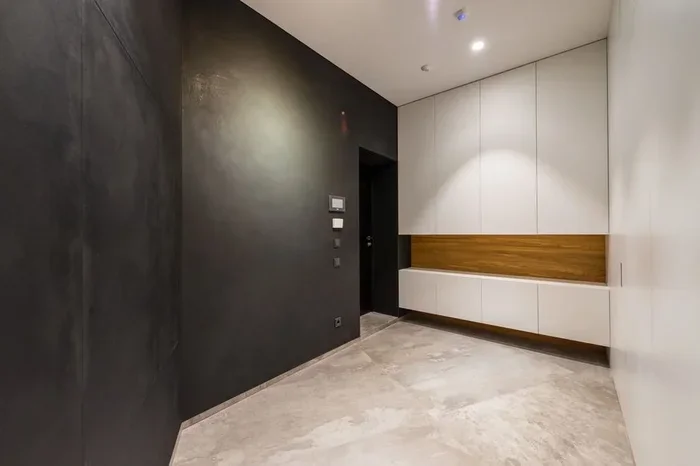
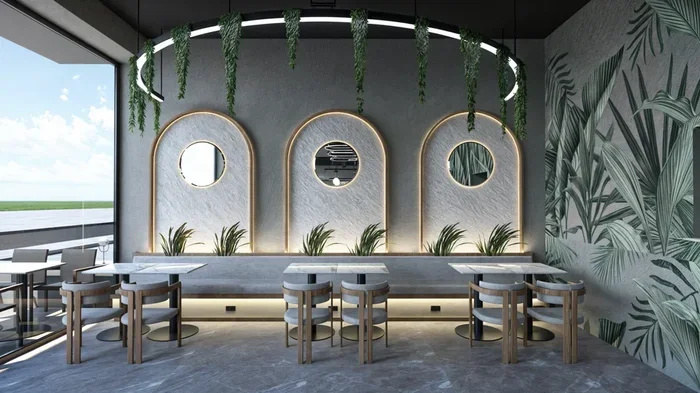
Concrete walls give a modern, urban feel. Microcement is a newer option that creates a smooth, seamless look. Both materials are very durable and easy to maintain.
The downside is that concrete can feel cold if not balanced with warm elements. Add wood furniture, soft lighting, and plants to create contrast and keep the space inviting.
Restaurant Wall Color Schemes That Work
Color is one of the most powerful tools in restaurant wall design. The right palette influences how long guests stay, how much they order, and how they feel about the experience.
Warm Tones for Intimacy
Warm colors like deep red, burnt orange, mustard yellow, and warm brown create a cozy, intimate atmosphere. These tones encourage guests to relax and linger. They work beautifully in Italian trattorias, steakhouses, and comfort food spots.
Use warm tones on an accent wall and keep the other walls neutral. This approach adds depth without overwhelming the space.
Cool Tones for Modern Feel
Cool grays, soft blues, and muted greens create a clean, contemporary look. These colors feel fresh and airy. They suit modern cafes, seafood restaurants, and health-focused eateries.
Pair cool wall colors with natural wood elements to prevent the space from feeling too sterile. The combination of cool walls and warm wood creates a balanced, inviting environment.
Neutral Tones for Versatility
White, cream, and light gray are safe, elegant choices. They work with any decor style and any color accent. Neutral walls also make your space feel larger and brighter.
The trick with neutral walls is to add interest through texture and decor. A textured plaster wall or a bold piece of wall art can turn a simple neutral surface into a design statement.
| Color Palette | Best For | Vibe | Pairs Well With |
|---|---|---|---|
| Warm Tones | Italian, Steakhouse, Comfort Food | Cozy, Intimate, Inviting | Wood, Brass, Warm Lighting |
| Cool Tones | Seafood, Modern Cafe, Health Food | Clean, Fresh, Airy | White Wood, Plants, Soft Lighting |
| Neutral Tones | Any Cuisine, Versatile Spaces | Elegant, Calm, Timeless | Bold Art, Textured Finishes, Metallics |
| Dark Tones | Fine Dining, Cocktail Bars | Dramatic, Sophisticated, Moody | Gold Accents, Velvet, Low Lighting |
Adding Character with Restaurant Wall Decor
Once you have your walls built and painted, it is time to decorate. Wall decor brings personality and brand identity to your restaurant. The right pieces make guests feel welcomed and engaged.
Wall Art and Signage
Large-scale artwork sets the tone for the whole room. Choose pieces that reflect your cuisine or local culture. A mural can become a landmark that draws people in. Simple framed prints work well for a more refined look.
Do not forget about functional signage. Menu boards, daily specials, and brand logos on the wall add personality while serving a practical purpose. Make sure the signage style matches your overall design.
Wall Shelves and Display Units
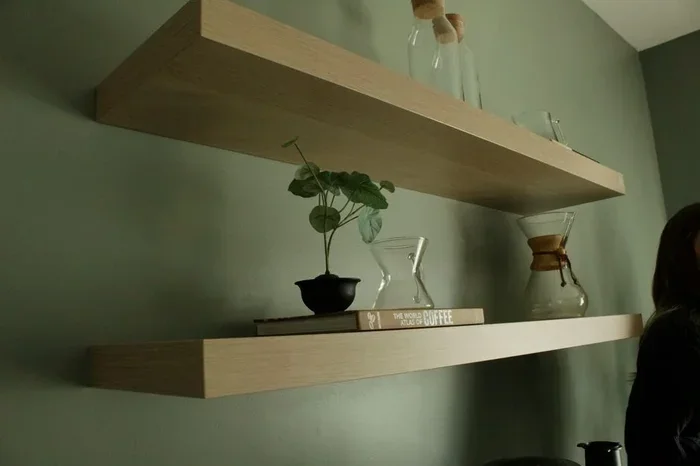
Wall shelves add both storage and visual interest. Display bottles, cookbooks, plants, or decorative objects on open shelves. They break up large wall surfaces and give the room depth.
Keep shelves curated, not cluttered. Choose a few standout pieces rather than filling every inch. This approach keeps the space feeling clean and intentional.
Lighting as Wall Decor
Lighting is one of the most overlooked elements of restaurant wall design. Wall sconces, pendant lights, and recessed fixtures can transform a plain wall into a focal point. Warm lighting creates intimacy. Cool lighting feels modern and energetic.
Play with light and shadow. A wall with dramatic lighting feels completely different from the same wall in flat, overhead light. Use layered lighting to add depth and mood to your dining space.
Textured and Three-Dimensional Walls
Texture adds dimension to restaurant walls. Plaster finishes, woven wall hangings, and three-dimensional panels create visual interest without adding clutter. These elements catch light beautifully and give the room a sense of craftsmanship.
Consider using a mix of textures. A smooth painted wall paired with a rough stone accent creates a dynamic, layered look. Just keep the overall palette consistent so the space feels cohesive.
Common Mistakes to Avoid in Restaurant Wall Design
Even with the best intentions, restaurant owners sometimes make wall design mistakes that hurt the overall experience. Here are the most common pitfalls to watch out for.
Overcrowding the Walls
It is tempting to fill every inch of wall space with art, shelves, and decor. But overcrowding makes a restaurant feel chaotic and stressful. Give your walls room to breathe. Leave some blank space so the eye can rest.
A good rule of thumb is to let at least forty percent of your wall space stay open. This creates balance and keeps the focus on the pieces you do choose to display.
Ignoring Acoustics
Hard, smooth walls bounce sound around and make a restaurant noisy. This is one of the biggest complaints diners have. If your walls are mostly tile, concrete, or glass, consider adding acoustic panels, fabric wall coverings, or heavy curtains to dampen noise.
Good acoustics make conversations easier and the dining experience more pleasant. Your guests will stay longer and return more often.
Choosing Trendy Finishes That Age Poorly
Trends come and go. A wall finish that looks amazing today might feel dated in two years. Stick with timeless materials and classic color palettes for your main wall surfaces. You can always update decor and art to stay current without a major renovation.
If you love a trendy look, use it in small doses. A trendy accent wall or a statement piece of art is easy to change. A full wall finish is much harder and more expensive to redo.
Forgetting About Maintenance
Restaurant walls take a beating. Grease, spills, humidity, and constant foot traffic all take a toll. Choose materials and finishes that are easy to clean and maintain. Matte finishes hide fingerprints better than glossy ones. Sealed surfaces resist stains and moisture.
Think about your daily cleaning routine when choosing wall materials. The most beautiful wall in the world is not worth it if it takes hours to keep clean.
Bringing It All Together
Great interior restaurant wall design is about balance. Balance between style and function. Between texture and simplicity. Between brand identity and guest comfort. The best restaurant walls tell a story while serving practical needs every single day.
Start by choosing a style that matches your restaurant concept. Pick materials that can handle the demands of a busy food service environment. Select a color palette that creates the mood you want. Then add decor and lighting that bring personality and warmth to the space.
Remember that your walls are an investment. They shape how guests feel the moment they walk in. They influence reviews, social media posts, and word-of-mouth recommendations. Take the time to get them right, and your restaurant will thank you for years to come.
Whether you are going for a bold industrial look or a soft minimalist feel, let your walls reflect who you are as a brand. Great design makes people feel welcome. It makes them want to come back. And that is the real secret to a successful restaurant.
Frequently Asked Questions
What is the best wall material for a restaurant?
The best material depends on your style and budget. Brick, wood panels, tile, and concrete are all excellent choices. Brick and tile are very durable and easy to clean. Wood adds warmth and character. Concrete gives a modern, industrial feel. Choose the material that matches your restaurant concept and can handle daily wear and tear.
How do I choose the right wall color for my restaurant?
Think about the mood you want to create. Warm tones like red and orange create intimacy and appetite. Cool tones like blue and green feel fresh and calming. Neutral tones like white and gray are versatile and elegant. Dark tones add drama and sophistication. Consider your cuisine, lighting, and target audience when making your choice.
Can I use residential wall design ideas for my restaurant?
Absolutely. Many residential design ideas translate beautifully to restaurants. The key difference is durability and maintenance. Restaurant walls need to handle grease, moisture, and heavy use. Choose commercial-grade finishes and materials that can withstand the demands of a food service environment while still looking beautiful.
How much should I spend on restaurant wall design?
Budget varies widely based on the materials you choose and the size of your space. Accent walls with tile or reclaimed wood can be affordable and high-impact. Full renovations with premium materials like marble or microcement cost more. Focus on the walls that guests see first, like the feature wall behind the host stand or the main dining area wall, and allocate your budget accordingly.
What lighting works best for restaurant walls?
Warm, layered lighting works best for most restaurant walls. Wall sconces, pendant lights, and recessed spotlights create depth and mood. Avoid harsh overhead lighting that flattens the texture of your walls. Use dimmers to adjust the lighting throughout the day and create different atmospheres for breakfast, lunch, and dinner service.
How often should I update my restaurant wall design?
You do not need to overhaul your walls often. Quality materials like brick, tile, and wood can last for decades with proper care. Update wall decor, art, and lighting more frequently to keep the space feeling fresh. Small changes like new wall art or a fresh coat of paint on an accent wall can make a big difference without a major renovation.
=== CONCLUSION ===
Interior restaurant wall design is one of the most impactful investments you can make in your dining space. The right walls set the mood, support your brand, and create a memorable experience for every guest. From choosing the perfect material and color palette to adding the right decor and lighting, every detail counts.
Take inspiration from the styles and ideas in this guide, but always stay true to your restaurant’s identity. Your walls should feel like a natural extension of your food, your service, and your story. Get the walls right, and everything else falls into place. Start planning your restaurant wall design today and watch your dining space come to life.