How to Hang Wall Art Without Nails the Easy Way Today
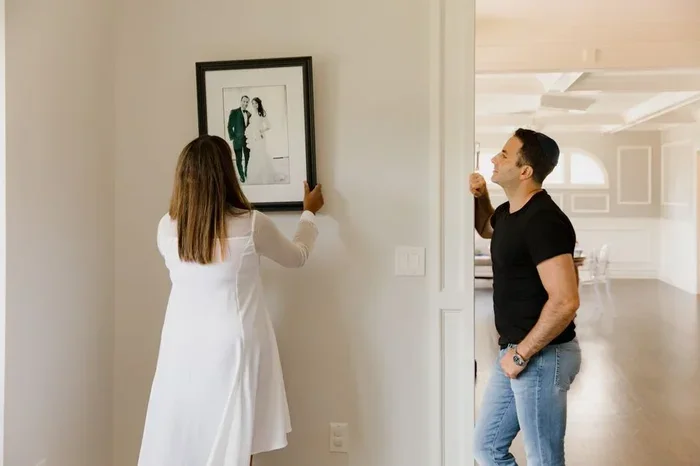
Learning how to hang wall art without nails is simpler than you think. Whether you rent a home or want to protect your walls, there are plenty of damage-free methods that look professional and hold strong. From adhesive strips to tension rods, we cover the easiest and most reliable options to transform your space today.
Walls are like blank canvases waiting for something beautiful. But when you rent or simply want to avoid holes, hanging wall art can feel like a puzzle. The good news is that how to hang wall art without nails has never been easier. You do not need fancy tools or a professional crew. With the right supplies and a little confidence, anyone can create a stunning gallery wall in under an hour.
Whether you are decorating a cozy apartment or refreshing your living space, damage-free wall hanging methods save time, money, and frustration. You will find options for every budget, every wall type, and every style of art. Let us walk through the best approaches so you can start decorating today.
Key Takeaways
- Adhesive Strips: Command strips and similar products make hanging lightweight art quick and damage-free.
- Tension Rods: A great option for hanging art between walls or in doorways without any hardware.
- Decorative Hooks and Clips: Removable hooks offer a stylish and secure alternative to nails for heavier pieces.
- Shelving and Rods: Floating shelves and curtain rods provide creative display options that add dimension to your walls.
- Right-Size Matters: Always match your hanging method to the weight and size of your wall art for the best hold.
📑 Table of Contents
- Why Choose Nail-Free Wall Art Hanging
- Best Adhesive Strips for Hanging Wall Art
- Tension Rods: A Clever Zero-Nail Solution
- Decorative Hooks and Clips That Go Nail-Free
- Creative Alternatives: Shelves, Rods, and More
- Tips for Hanging Heavy Wall Art Without Nails
- Quick Tips and Common Mistakes to Avoid
- Expert Insights on Damage-Free Wall Art Display
- Conclusion
Why Choose Nail-Free Wall Art Hanging
More and more people are choosing damage-free wall decor for smart reasons. Renters love it because they can take their art with them when they move. Homeowners love it because it keeps walls pristine and resale-ready. And everyone loves it because the process is faster and less stressful.
Traditional nails and screws can crack drywall, chip paint, and leave permanent marks. These little holes are never fun to patch and repaint. Nail-free methods eliminate all of that hassle. Plus, many modern adhesive and tension-based systems are surprisingly strong. They hold everything from small prints to large canvas pieces securely in place.
Another big advantage is flexibility. With nail-free hanging, you can rearrange your wall art for living room whenever inspiration strikes. Want to try a new layout? Simply pull the strips or hooks off and reposition. This makes experimenting fun and risk-free.
Best Adhesive Strips for Hanging Wall Art
Adhesive strips are the go-to solution for most people learning how to hang wall art without nails. They are affordable, easy to use, and work on most wall surfaces. Brands like Command strips have become household names for good reason.
How Adhesive Strips Work
These strips use a strong removable adhesive on one side and a sticky pad on the other. You press one side onto the back of your art and the other side onto the wall. When you are ready to remove the art, the strips pull off cleanly without leaving residue behind.
Here is a simple step-by-step process:
- Clean the wall surface with rubbing alcohol and let it dry completely.
- Attach the adhesive strip to the back of your art piece.
- Peel off the backing and press the art firmly against the wall.
- Hold for about 30 seconds to ensure a strong bond.
- Wait at least one hour before hanging the art up.
Choosing the Right Strip Strength
Not all strips are created equal. Check the weight rating on the package before buying. A small print might only need a single mini strip. A large canvas could require a heavy-duty strip or a combination of several strips for extra support.
Always round up when estimating weight. If a strip holds 5 pounds and your art weighs 4 pounds, that is cutting it close. Go for a stronger option to be safe. This simple habit prevents accidents and keeps your wall art hanging secure all year long.
Tension Rods: A Clever Zero-Nail Solution
Tension rods are one of the most versatile tools for nail-free wall hanging. These adjustable rods fit snugly between two walls or inside a doorway using pressure alone. No drilling, no nails, no screws.
When to Use Tension Rods
Tension rods work best in spaces where two walls meet or where you have a doorway frame. They are perfect for creating instant display areas. You can hang lightweight frames, small metal wall art for living room pieces, or even fabric art panels on a rod.
Here are some creative ways to use tension rods:
- Gallery Wall on a Budget: Place two rods at different heights between walls and hang multiple small frames from them using simple clips.
- Doorway Gallery: Use a tension rod inside a doorway to display art that greets you when you walk through.
- Window Frame Display: Hang lightweight pieces from a rod placed inside a window frame for a bright, airy look.
Keep in mind that tension rods work best on smooth surfaces. Textured walls may require extra pressure or a different approach. Always test the rod before hanging your favorite pieces.
Decorative Hooks and Clips That Go Nail-Free
If you want a slightly more traditional look without the nails, decorative wall hooks are an excellent choice. Many modern hooks use strong adhesive backs or tension-based mounting systems. They come in all shapes, sizes, and styles to match your home decor.
Types of Adhesive Hooks
The market offers several varieties of nail-free hooks:
- Command Hooks: These are the most popular option. They come in various sizes and weight capacities. The removable adhesive makes them perfect for renters.
- Over-the-Door Hooks: These hooks sit on top of a door frame and slide into place. No adhesive needed at all.
- Tension Hooks: These expand slightly to grip the wall using pressure. They work well on flat surfaces.
- Magnetic Hooks: Great for metal surfaces like refrigerators, filing cabinets, or magnetic boards.
For heavier pieces, consider using a combination of hooks and a floating shelf as a base. The shelf provides a stable platform, and the hooks hold the art in place. This approach works wonderfully for displaying minimalist wall art for living room pieces that need extra support.
Creative Alternatives: Shelves, Rods, and More
Sometimes the best way to display wall art is to think beyond traditional hanging methods. There are many creative alternatives that look fantastic and require zero nails.
Floating Shelves
Floating shelves are a beautiful way to display art and decorative objects at the same time. They mount using adhesive or tension-based systems and create a layered, dimensional look. You can place framed prints on the shelf and add small plants or candles beside them for a curated feel.
Many people use floating shelves to style their mirror wall art for living room collections. A mirror on a shelf reflects light and makes the room feel larger. It is both functional and decorative.
Curtain Rods as Art Displays
A simple curtain rod mounted with adhesive brackets can become an instant art gallery. Hang frames from the rod using curtain rings or clip-on rings. This method allows you to easily swap out pieces whenever you want a fresh look.
This approach is especially popular for how to decorate shelves in living room setups where you want to integrate wall art with other decor elements. The rod adds a subtle architectural detail while giving you a versatile display system.
Leaning Art Against the Wall
Do not underestimate the power of a simple lean. Large canvases or mirrors can lean against the wall and rest on a shelf, mantel, or the floor. This creates a relaxed, effortless look that works beautifully in modern and bohemian spaces.
Lean art is perfect for renters or anyone who wants to change their arrangement frequently. Just prop the piece up, adjust the angle, and you are done. No tools required.
Tips for Hanging Heavy Wall Art Without Nails
Heavier art pieces need extra care when using nail-free methods. The good news is that it is absolutely doable with the right approach.
Start by checking the weight of your art piece. This is the most important step. Most adhesive products list a maximum weight capacity. Always choose a system that exceeds your art’s weight by at least 25 percent for a safety margin.
Here are some practical tips for hanging heavier pieces:
- Use multiple strips: Distribute the weight across several strips instead of relying on one. Four strips hold more than one strip of the same size.
- Choose the right wall surface: Smooth, painted drywall works best. Textured or wallpaper surfaces may need special adhesive products.
- Press firmly: The stronger the bond, the better the hold. Use a flat object like a credit card to press the strips into the wall for maximum adhesion.
- Let it set: Always wait the recommended time before hanging the art. Most adhesive strips need at least one hour to reach full strength.
- Check periodically: Even the best adhesive can weaken over time. Check your art every few months and re-press if needed.
For very large or heavy pieces, consider using a French cleat system with adhesive backing. A French cleat uses a bracket on the wall and a matching piece on the back of the art. It distributes weight evenly and provides a very secure hold. Many people use this method for large metal wall decor for living room pieces that need serious support.
Quick Tips and Common Mistakes to Avoid
Here are some quick tips that make a big difference when you hang wall art without nails:
- Always test the adhesive on a small, hidden area of your wall first. This prevents damage or discoloration.
- Plan your layout before you stick anything. Arrange your frames on the floor first and take a photo for reference.
- Use a level to keep your art straight. A crooked frame ruins even the best arrangement.
- Remove art in warm weather if possible. Heat can weaken adhesive bonds over time.
- Do not hang heavy art on textured walls with standard adhesive strips. The uneven surface reduces grip significantly.
One common mistake is using the wrong size strip for the job. A tiny strip cannot hold a large canvas. Another mistake is hanging art in high-humidity areas like bathrooms without using moisture-resistant adhesive. Always match your hanging method to the environment and the art piece.
Expert Insights on Damage-Free Wall Art Display
Interior designers often recommend starting small when trying nail-free hanging methods. Begin with a single frame or a small cluster to test which system works best for your walls. Once you are confident, you can scale up to larger arrangements.
Many designers also suggest mixing hanging methods. Use adhesive strips for lighter frames, tension rods for fabric art, and decorative hooks for medium-weight pieces. This creates a dynamic, layered look that feels curated and intentional.
When styling a gallery wall, think about spacing and balance. Leave consistent gaps between frames. A common rule is to keep 2 to 3 inches between each piece. This gives the arrangement room to breathe and looks much more polished than crowded frames.
Do not forget about the surrounding decor. A beautiful arrangement of wall art pairs perfectly with styled side tables, cozy seating, and thoughtful lighting. The whole room benefits when every element works together harmoniously.
Conclusion
How to hang wall art without nails is a skill that anyone can master with the right tools and a little patience. From adhesive strips to tension rods to creative shelf displays, there are countless ways to decorate your walls without a single hole. Each method offers its own advantages, and the best choice depends on your wall type, art weight, and personal style.
The key is to start with a plan, choose the right products, and take your time. You do not need to spend a fortune or hire a professional to create a beautiful display. With the tips and techniques shared in this guide, you can transform any room into a stylish, art-filled space that reflects your personality.
So go ahead and start hanging. Your walls are waiting to tell your story. Try a few methods, experiment with layouts, and enjoy the process of making your home truly yours.
Frequently Asked Questions
Can I use adhesive strips on textured walls?
Standard adhesive strips work best on smooth surfaces. Textured walls reduce the grip and may cause art to fall. For textured walls, try a French cleat system with adhesive backing or use decorative hooks designed for uneven surfaces. Always test a small area first to ensure the adhesive holds properly.
How much weight can adhesive strips hold?
Weight capacity varies by brand and strip size. Most standard Command strips hold between 1 and 5 pounds each. Heavy-duty versions can hold up to 7.5 pounds per strip. Always check the package and choose strips rated for more than your art piece weighs to ensure a secure hold.
Will adhesive strips remove paint when I take them off?
Most modern adhesive strips are designed to remove cleanly without damaging paint. However, results can vary depending on the wall surface and how long the strip has been in place. To be safe, test on a small hidden area first. If you notice any paint lifting, consider using a different mounting method.
What is the best way to hang a large canvas without nails?
For large canvases, use multiple heavy-duty adhesive strips or a French cleat system. Distribute the weight evenly across the back of the canvas. A French cleat is especially effective because it locks the art in place with a bracket system that holds weight securely. You can also lean the canvas against the wall on a shelf for a stylish no-hardware option.
Are there reusable options for nail-free wall hanging?
Yes, many adhesive systems are completely reusable. Command strips can be peeled off and re-stuck multiple times. Tension rods are fully reusable and require no adhesive at all. Decorative hooks with removable adhesive are also reusable if you are careful when removing them. Simply follow the manufacturer’s instructions for best results.
Can I hang metal wall art using these methods?
Absolutely. Metal wall art can be hung using adhesive strips, decorative hooks, or tension rods depending on the weight and size. For heavier metal pieces, use a combination of strips or a French cleat system. Always verify the weight capacity of your chosen method before hanging to ensure safety and a secure display.