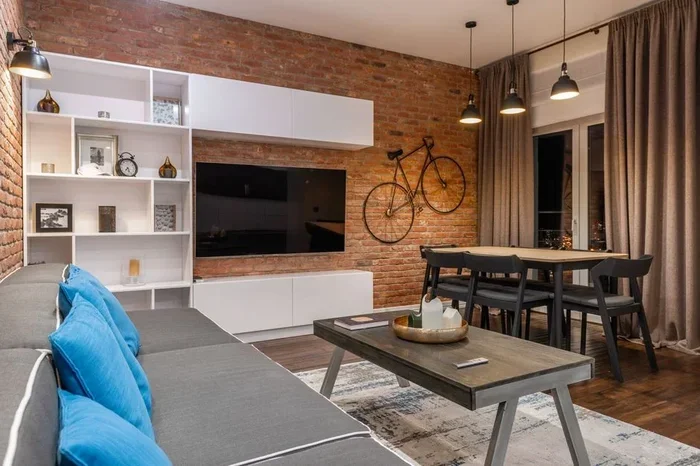
Industrial Living Room Furniture That Transforms Your Space
Industrial living room furniture brings a bold, raw charm to any home. You can mix metal frames, reclaimed wood, and leather to create a look that feels both tough and inviting. This guide covers the best furniture pieces, styling tips, and budget-friendly ideas to help you design the perfect industrial space.
Key Takeaways
- Industrial style blends raw materials like metal and wood for a rugged yet stylish look.
- Key pieces include metal coffee tables, reclaimed wood shelves, and distressed leather sofas.
- Lighting plays a huge role in setting the industrial mood in your living room.
- You can achieve this look on any budget with smart shopping and DIY hacks.
- Mixing industrial elements with modern or rustic touches creates a unique, personalized space.
- Color palettes should stay neutral with pops of dark or warm tones for depth.
- Proper planning and measurement prevent costly mistakes and ensure a cohesive design.
📑 Table of Contents
- Industrial Living Room Furniture That Transforms Your Space
- What Makes Industrial Furniture Stand Out
- Top Industrial Furniture Pieces for Your Living Room
- How to Style Your Industrial Living Room
- Comparing Industrial Furniture Materials
- Budget-Friendly Ways to Get the Look
- Common Mistakes to Avoid
- Bringing It All Together
- Frequently Asked Questions
Industrial Living Room Furniture That Transforms Your Space
Industrial living room furniture has taken the design world by storm. People everywhere are falling in love with the raw, unfinished look that this style brings into homes. If you want a space that feels edgy yet cozy, this style might be exactly what you need.
The beauty of industrial living room furniture lies in its simplicity. You do not need a big budget or a fancy designer. A few key pieces can completely change the feel of your room. Metal frames, reclaimed wood, and leather accents work together to create a look that is both strong and inviting.
In this guide, we will walk you through everything you need to know. From choosing the right sofa to picking the perfect lighting, we have you covered. You will learn how to build a space that looks stunning and feels comfortable every single day.
What Makes Industrial Furniture Stand Out
Industrial design draws its inspiration from old factories and warehouses. The style celebrates raw materials and honest construction. You will notice exposed seams, visible screws, and unfinished surfaces in most pieces.
Here is what gives industrial style furniture its unique character:
- Reclaimed wood with natural grain and knots
- Metal frames made from iron or steel
- Distressed finishes that show age and wear
- Utilitarian design focused on function
- Open structures that feel airy and light
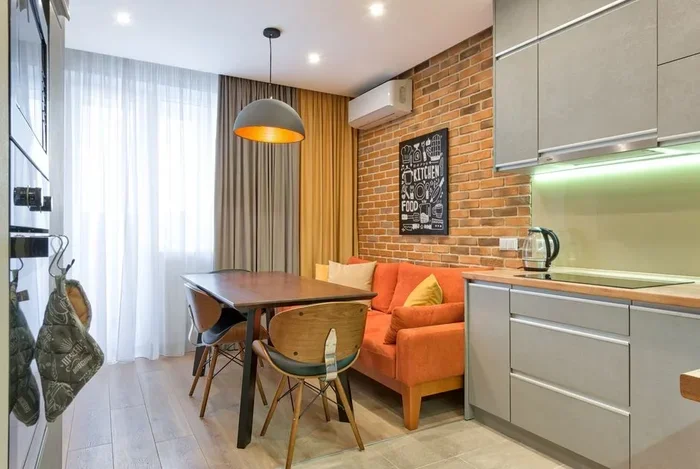
This style does not hide the bones of a piece. Instead, it proudly shows how things are put together. That is what gives industrial furniture its honest, grounded feel. Many people also pair it with exposed brick walls or concrete floors to complete the look.
The History Behind the Industrial Look
The industrial design movement started in the late 1800s. Factories needed furniture that was tough and affordable. Workers lived in converted warehouses, and those spaces shaped the aesthetic we love today. The factory style furniture of that era was simple, sturdy, and built to last.
Over time, designers realized this rough look had real appeal. What was once born from necessity became a beloved interior design trend. Today, industrial chic remains one of the most popular styles for living rooms around the world.
Top Industrial Furniture Pieces for Your Living Room
Choosing the right pieces is the first step in transforming your space. You do not need to buy everything at once. Start with the essentials and build from there. Here are the must-have items for any industrial living room.
The Sofa: Your Centerpiece
The sofa is the heart of any living room. For an industrial look, look for pieces with distressed leather or dark upholstery. Metal legs add to the raw aesthetic perfectly.
Consider these options when shopping for a sofa:
- Leather Chesterfield sofa — classic and bold with deep tufting
- Loveseat with iron legs — perfect for smaller spaces
- Sectional in dark gray fabric — great for large, open rooms
- Reclaimed wood and metal combo sofa — true industrial fusion
A distressed leather sofa ages beautifully over time. It develops a natural patina that adds character. If leather feels too bold, a dark canvas or linen sofa also works well in this style.
Coffee Tables and Side Tables
A metal coffee table is a staple in industrial living rooms. Look for tables with thick metal frames and wood or glass tops. The contrast between hard metal and warm wood creates visual interest.
Side tables are easy to overlook but they matter. A small table made from an old crate or a metal cart can serve double duty. These pieces add function and style at the same time.
Shelving and Storage
Pipe shelving is one of the most recognizable elements of industrial design. You can buy ready-made sets or build your own with pipes and wood planks. Open shelves display books, plants, and decorative objects beautifully.
For hidden storage, consider a reclaimed wood media console. It keeps your remote controls and devices out of sight while still fitting the theme. The key is to choose storage pieces that show their structure rather than hiding it away.
How to Style Your Industrial Living Room
Furniture alone does not make a room look industrial. You need to layer in the right accessories, colors, and textures. Styling is where your personal taste truly shines through.
Color Palettes That Work
Stick to a neutral base for your walls and large furniture pieces. Colors like charcoal, gray, beige, and off-white create the perfect backdrop. Then add depth with darker accents like black, deep brown, or navy.
Here is a simple color plan to follow:
- Walls: warm gray or off-white
- Large furniture: black, dark brown, or charcoal
- Accents: rust orange, deep red, or muted gold
- Textiles: natural linen, dark leather, or burlap
Keep the palette tight and cohesive. Too many colors will dilute the industrial feel. A focused palette gives your room a polished, intentional look.
Lighting: Set the Mood
Lighting is one of the most powerful tools in industrial design. The right fixtures can completely change the atmosphere of your room. Think of old factory lamps and warehouse pendants when choosing lights.
Industrial lighting options include:
- Edison bulb pendant lights with exposed filaments
- Metal cage floor lamps for reading corners
- Track lighting in a black or brushed steel finish
- Desk lamps with brass or iron bases on side tables
Warm-toned bulbs work best for creating a cozy feel. Harsh white light can make the space feel cold and unwelcoming. Aim for bulbs in the 2700K to 3000K range for a soft, inviting glow.
Adding Texture and Warmth
One of the biggest challenges with industrial design is keeping the space from feeling too cold. You can solve this by layering in soft textures.
Throw blankets in chunky knit or faux fur add instant warmth. A plush rug under the coffee table softens hard floors. Cushions in natural fabrics like linen or burlap tie the room together. These small touches make the space feel lived-in and comfortable.
Comparing Industrial Furniture Materials
Not all materials work the same way in an industrial living room. Some create a more authentic look, while others add a modern twist. Understanding your options helps you make better choices.
| Material | Vibe | Best For | Care Level |
|---|---|---|---|
| Reclaimed Wood | Rustic, warm | Tables, shelves, console units | Low — occasional wiping |
| Iron / Steel | Raw, tough | Frames, legs, shelving | Medium — wipe to prevent rust |
| Distressed Leather | Classic, aged | Sofas, armchairs | Low — conditioner once a year |
| Glass | Sleek, modern | Table tops, shelves | Low — glass cleaner |
| Canvas / Linen | Soft, natural | Upholstery, cushions | Medium — machine washable covers |
Each material brings something different to the table. The best industrial rooms combine at least two or three of these materials. That mix creates depth and visual interest that keeps the space feeling dynamic.
Budget-Friendly Ways to Get the Look
You do not need to spend a fortune to achieve an industrial living room. Some of the best pieces come from thrift stores, flea markets, and online secondhand shops. The key is knowing what to look for.
DIY Projects That Make a Big Impact
Building your own industrial furniture can save money and add a personal touch. Here are some easy projects to try:
- Pipe and wood shelf: Buy pipes and wood planks from a hardware store. Assemble them into a simple wall shelf. It takes less than an hour.
- Pallet coffee table: Sand down an old pallet, add wheels, and stain the wood. Instant industrial coffee table.
- Metal pipe lamp: Thread pipes into a base and add a lamp kit. You get a custom pendant light for a fraction of the cost.
Where to Shop on a Budget
Thrift stores and salvage yards are goldmines for industrial pieces. Look for old metal lockers, wooden crates, and vintage trunks. These items often have the authentic worn look that is hard to replicate with new furniture.
Online marketplaces like Facebook Marketplace and Craigslist also have great finds. Search for terms like vintage industrial furniture or loft style furniture to uncover hidden gems. Patience pays off when hunting for secondhand pieces.
Common Mistakes to Avoid
Even with the best intentions, it is easy to go wrong with industrial design. Here are some mistakes that can ruin the look.
Going Too Harsh
Industrial does not have to mean cold. If every piece in your room is metal and dark wood, the space can feel unwelcoming. Balance the hard materials with soft textiles and warm lighting. A room needs both edge and comfort to truly work.
Ignoring Scale and Proportion
Oversized furniture in a small room creates clutter. Undersized furniture in a large room looks lost. Measure your space before you buy anything. Leave enough room to walk around comfortably. The right scale makes all the difference in how the room feels.
Skipping the Rug
Hard floors are common in industrial spaces, but they can feel uninviting without a rug. A textured area rug under the seating area defines the zone and adds warmth. It also softens the sound in the room, which makes it more pleasant to spend time in.
Forgetting Personal Touches
Your living room should reflect who you are. Do not just fill the space with industrial pieces because they look cool. Add photos, books, and objects that mean something to you. These personal touches make the space truly yours and give it a story to tell.
Bringing It All Together
Designing an industrial living room is about balance. You want the raw, tough elements but also the warmth and comfort of a home. Start with a strong sofa and a solid coffee table. Add shelving, lighting, and textiles layer by layer.
Take your time and let the room evolve. The best spaces do not happen overnight. Keep adding pieces that speak to you and fit your lifestyle. Soon, you will have a living room that is uniquely yours — bold, stylish, and completely comfortable.
Industrial living room furniture gives you the freedom to create a space that is both functional and beautiful. Whether you are starting from scratch or refreshing a room you already have, these ideas will guide you in the right direction. Trust your instincts and enjoy the process of building a space you love.
Frequently Asked Questions
What is industrial living room furniture?
Industrial living room furniture refers to pieces inspired by old factories and warehouses. These items typically feature raw materials like metal, reclaimed wood, and leather. The design emphasizes function, honest construction, and a rugged, unfinished aesthetic that feels both tough and stylish.
How do I start an industrial living room on a budget?
Start with one or two key pieces like a metal frame sofa or a reclaimed wood coffee table. Hunt for secondhand items at thrift stores or online marketplaces. DIY projects like pipe shelves or pallet tables add character without breaking the bank. Focus on the basics first and build gradually.
What colors work best for an industrial living room?
Neutral tones like gray, charcoal, beige, and off-white work best as a base. Add depth with dark accents such as black, deep brown, or navy. Small pops of rust, burnt orange, or muted gold add warmth without disrupting the industrial feel.
Can I mix industrial furniture with other styles?
Absolutely. Industrial furniture pairs well with modern, rustic, and even Scandinavian styles. The key is to keep the color palette consistent and balance hard materials with soft textures. A mix of styles creates a personalized look that feels curated rather than forced.
What lighting is best for an industrial living room?
Edison bulb pendant lights, metal cage floor lamps, and track lighting in black or steel finishes work best. Choose warm-toned bulbs between 2700K and 3000K to keep the space cozy. Avoid harsh white light which can make the room feel cold and unwelcoming.
Is industrial furniture durable?
Yes, industrial furniture is known for its durability. Materials like iron, steel, and reclaimed wood are built to last. The utilitarian design philosophy means these pieces prioritize strength and function. With proper care, a quality industrial piece can last for decades.