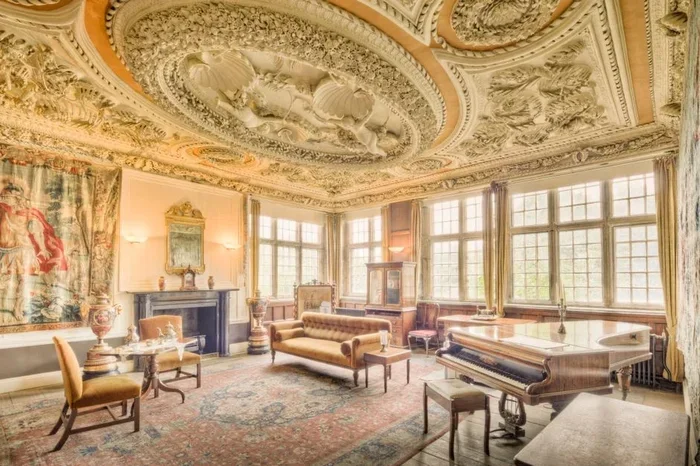
Drawing Room vs Living Room Key Differences Explained
The debate between a drawing room vs living room confuses many homeowners. A drawing room serves as a formal space for guests, while a living room is your family’s everyday relaxation zone. Understanding these differences helps you design each space effectively and make your home more functional.
When people talk about a drawing room vs living room, they often use the terms interchangeably. But these two spaces serve very different purposes in a home. A drawing room is a formal area designed for receiving guests and hosting events. On the other hand, a living room is a relaxed, everyday space where the family gathers. Understanding the difference between a drawing room and a living room helps you make better design choices for your home.
Many homeowners struggle with how to use each space. Should you set up a formal seating area? Or create a cozy spot for daily relaxation? The answer depends on your lifestyle, home layout, and personal preferences. This article breaks down every important distinction between a drawing room and a living room. You will learn about their histories, purposes, design styles, and how to choose the right setup for your home.
Key Takeaways
- Distinct Purposes: A drawing room is for formal entertaining, while a living room is for everyday family use.
- Different Decor Styles: Drawing rooms feature elegant, traditional decor, whereas living rooms embrace a casual, comfortable look.
- Furniture Choices Vary: Formal seating arrangements suit drawing rooms, while cozy sofas and casual pieces work best in living rooms.
- Location Matters: Drawing rooms are often near the entrance, while living rooms are typically more central or rear-facing.
- Both Add Value: Having both rooms can increase your home’s appeal and functionality.
- Modern Homes Often Combine Them: Many contemporary homes merge these spaces into one versatile area.
📑 Table of Contents
What Is a Drawing Room?
A drawing room has a long and interesting history. The term comes from the phrase “withdrawing room,” which was a space where guests would retire after dinner. In traditional homes, this was a formal parlor used for receiving visitors. Today, a drawing room still carries that sense of elegance and formality.
The Purpose of a Drawing Room
A drawing room serves as a guest-facing space. It is where you entertain visitors, host formal gatherings, and create a polished first impression. Unlike other areas of the home, a drawing room maintains a refined atmosphere at all times.
Here are some key characteristics of a drawing room:
- Formal seating arrangement: Chairs and sofas are placed in a structured layout.
- Elegant decor: Think fine art, delicate curtains, and polished surfaces.
- Limited everyday use: This space is often kept tidy and reserved for special occasions.
- Near the entrance: Many drawing rooms are located close to the front door for easy guest access.
- Traditional color palettes: Neutral tones, deep greens, and rich golds are common choices.
Common Furniture in a Drawing Room
When furnishing a drawing room, the goal is to create a sophisticated look. Drawing room furniture often includes wingback chairs, elegant coffee tables, and refined sideboards. The seating arrangement encourages conversation while maintaining a sense of order.
A traditional drawing room might also feature a fireplace mantel as a focal point. Heavy drapes, crystal vases, and ornate mirrors add to the formal charm. Every piece of furniture serves both a functional and decorative purpose.
What Is a Living Room?
A living room is the heart of most homes. It is the space where families spend their daily time together. Unlike a drawing room, a living room is all about comfort and casual living. This space adapts to your lifestyle and changes with your needs.
The Purpose of a Living Room
The living room is your everyday relaxation zone. It is where you watch TV, read books, play games with kids, and unwind after a long day. A living room welcomes casual use and encourages a laid-back atmosphere.
Here is what makes a living room different:
- Casual seating: Comfortable sofas, bean bags, and floor cushions are common.
- Family-friendly design: The decor can be playful, colorful, and practical.
- Daily use: This room sees action every single day.
- Entertainment hub: Many living rooms house a TV, sound system, or gaming setup.
- Flexible layout: Furniture can be rearranged easily for different activities.
Modern Living Room Trends
Today’s living room design embraces open concepts. Many homeowners combine their living room with a dining area or kitchen. This creates a spacious living room layout perfect for modern family life. Smart home technology, cozy rugs, and layered lighting are popular choices in current living room trends.
A family room is closely related to the living room concept. Some people use the terms interchangeably, though a family room often feels even more casual and informal. The key idea remains the same: this is your personal, everyday space.
Drawing Room vs Living Room: Key Differences
Now that you understand what each room is, let us look at the specific differences between a drawing room and a living room. These distinctions help you decide how to use and design each space in your home.
Purpose and Function
The primary difference lies in purpose. A drawing room is for formal entertaining and guest reception. A living room is for daily family activities and relaxation. One is about making a good impression, while the other is about comfort.
Design and Decor Style
Drawing rooms lean toward traditional and classic design. You will find refined furniture, formal curtains, and curated artwork. Living rooms embrace a wider range of styles, from modern minimalist to cozy farmhouse. The living room allows more personal expression.
Furniture and Layout
In a drawing room, furniture is arranged in a structured way. Pieces are often matched and symmetrically placed. In a living room, the layout is more flexible and informal. You might find a large sectional sofa facing a TV, with throw pillows and blankets scattered around.
Location in the Home
A drawing room is typically near the front entrance. This makes it easy for guests to access without walking through private areas. A living room is usually in a more central or rear location, closer to the kitchen and bedrooms.
Level of Formality
This is perhaps the biggest distinction. A drawing room demands a certain level of formality. You might think twice before spilling coffee on the furniture. A living room, on the other hand, is built for everyday life. Spills, messes, and casual behavior are all perfectly fine here.
Comparison Table: Drawing Room vs Living Room
| Feature | Drawing Room | Living Room |
|---|---|---|
| Purpose | Formal entertaining and guest reception | Everyday family relaxation and activities |
| Decor Style | Traditional, elegant, refined | Casual, personal, versatile |
| Furniture | Matched sets, formal seating | Comfortable, flexible, mixed styles |
| Location | Near the front entrance | Central or rear of the home |
| Usage Frequency | Occasional, for special occasions | Daily, for everyday living |
| Formality Level | High | Low to moderate |
| Color Palette | Neutral, rich tones | Any color, often brighter hues |
As you can see from the table above, the difference between a drawing room and a living room is clear. Each space has its own role, and understanding that role helps you design both areas effectively.
How to Choose the Right Room Setup for Your Home
Not every home has space for both a drawing room and a living room. Many modern homes combine these functions into a single space. Here is how to decide what works best for you.
Consider Your Lifestyle
If you host formal gatherings often, a dedicated drawing room makes sense. If your priority is a cozy space for daily family time, focus on designing a great living room. Most families actually need a living room more than a drawing room.
Assess Your Available Space
Small homes benefit from a combined space. You can create zones within one room using rugs, furniture placement, and lighting. A large home can easily accommodate both a drawing room and a living room as separate areas.
Think About Your Home Architecture
Traditional home designs often include a formal drawing room near the entryway. Modern and open-plan homes typically feature a single large living area. Your home’s architecture can guide your decision about how to use each space.
Balance Formality and Comfort
You do not have to choose one or the other. Many homeowners create a space that balances formal and casual elements. A formal sofa with throw pillows and a cozy blanket gives you the best of both worlds. The key is to make the space feel welcoming while still having a sense of style.
Quick Tips, Common Mistakes, and Expert Insights
Quick Tips for Designing Each Space
- For a drawing room: Choose a cohesive furniture set. Add a statement piece like a chandelier or a large mirror. Keep clutter to a minimum.
- For a living room: Prioritize comfort. Use washable fabrics if you have kids or pets. Add plenty of seating options for different activities.
- For both: Use lighting to set the mood. A drawing room benefits from warm, dim lighting, while a living room needs bright, layered lighting.
- General tip: Invest in quality pieces for the drawing room and durable, easy-care pieces for the living room.
Common Mistakes to Avoid
Many people make avoidable errors when setting up these spaces. Here are the most common mistakes:
- Using the drawing room as a storage area: This defeats the purpose of a formal space. Keep it clear and ready for guests.
- Making the living room too formal: A living room should feel relaxed. Overly formal furniture makes the space feel unwelcoming.
- Ignoring traffic flow: Make sure there is enough space to move around comfortably in both rooms.
- Copying showroom designs exactly: Your rooms should reflect your personal style and real-life needs.
- Neglecting the drawing room: Even if you rarely use it, keep it clean and presentable for unexpected guests.
Expert Insights on Room Design
Interior designers often emphasize the importance of defining each room’s purpose clearly. According to design experts, the drawing room vs living room distinction is not just about furniture. It is about creating the right atmosphere for each activity. A well-designed drawing room makes guests feel welcomed and respected. A well-designed living room makes family members feel comfortable and at ease.
Many designers suggest using area rugs to visually separate a combined space. This trick helps define the drawing room zone from the living room zone without building walls. Lighting is another powerful tool. A drawing room looks stunning with dimmable chandeliers, while a living room thrives with a mix of floor lamps, table lamps, and overhead lights.
Color also plays a significant role. A drawing room often features muted, sophisticated tones. A living room can handle bolder, more vibrant colors. The key is to let each room’s purpose guide your design decisions.
Conclusion
The difference between a drawing room and a living room comes down to purpose, style, and daily use. A drawing room is a formal space for entertaining guests with elegance and grace. A living room is a casual, comfortable area for everyday family life. Both spaces add value to your home in different ways.
Understanding the drawing room vs living room distinction helps you design each area thoughtfully. Whether you have one combined space or two separate rooms, knowing their unique roles ensures you get the most out of your home. Take the time to plan each space based on how your family actually lives.
Start by assessing your needs, your available space, and your personal style. Then create rooms that serve you well every day. A well-designed home is one where every space has a clear purpose and feels right for the people who use it.
Frequently Asked Questions
Can a drawing room and living room be the same space?
Yes, many modern homes combine both functions into one room. You can use area rugs, furniture placement, and lighting to create distinct zones. This approach works well in open-plan layouts where space is limited.
What is the main purpose of a drawing room?
A drawing room is designed for formal entertaining and receiving guests. It serves as a polished, elegant space where you make a good first impression. Think of it as a guest-facing area that stays tidy and presentable at all times.
Is a living room the same as a family room?
They are very similar but not exactly the same. A living room is a general term for the main relaxation area. A family room tends to be more casual and informal, often located in a quieter part of the home. Both serve as everyday spaces for family activities.
Do I need both a drawing room and a living room?
Not necessarily. Many homes function perfectly well with just one main seating area. However, if you have the space and enjoy formal entertaining, having both rooms adds versatility and value to your home.
What furniture works best in a drawing room?
Formal seating pieces like wingback chairs, elegant sofas, and matched furniture sets work well. Add a coffee table, side tables, and refined decor items. The goal is to create a structured, sophisticated look that invites guests to relax in style.
How can I make my living room feel more inviting?
Focus on comfort with cozy seating, soft throw blankets, and warm lighting. Add personal touches like family photos, books, and plants. Keep the layout flexible so the room can adapt to different activities throughout the day.