How to Style Open Shelves in Your Living Room Like a Pro
Styling open shelves in your living room can instantly elevate your entire space. This guide walks you through proven techniques to create balanced, eye-catching shelf displays. You will learn how to choose the right items, arrange them beautifully, and avoid common mistakes that make shelves look cluttered.
There is something truly magical about how to style open shelves in your living room. These versatile pieces of furniture do more than just hold items. They tell a story about who you are and what you love. Whether you have one floating shelf or an entire wall of wooden cubes, the way you arrange things on them can completely transform the feel of your space.
Many people struggle with open shelving. They want a look that feels curated and intentional, not like a random pile of stuff. The good news? Styling open shelves is a skill anyone can learn. With a few simple principles, you can turn bare wooden boards into stunning focal points that draw the eye and spark conversation.
This guide breaks down everything you need to know. We will cover the basics, share practical tips, and help you avoid the mistakes that trip up most people. By the end, you will feel confident enough to style your own shelves like a seasoned interior designer.
Key Takeaways
- Start with a neutral base: A clean, intentional backdrop lets your shelf items shine without visual chaos.
- Mix heights and textures: Combining tall and short items with varied materials adds depth and visual interest.
- Use the rule of three: Grouping items in odd numbers creates a natural, pleasing arrangement on your shelves.
- Balance is everything: Spread heavy items across shelves and leave breathing room for a curated feel.
- Personal touches matter most: Include items that tell your story, like travel souvenirs or family photos.
- Refresh seasonally: Small swaps keep your shelf styling feeling current without a full overhaul.
📑 Table of Contents
- Why Open Shelves Are a Living Room Game-Changer
- How to Style Open Shelves in Your Living Room Like a Pro
- The Right Items to Display on Open Shelves
- Shelf Styling Techniques That Make a Difference
- Common Mistakes to Avoid When Styling Open Shelves
- Expert Tips for Keeping Your Shelves Looking Fresh
- Quick Tips for Styling Open Shelves
- Conclusion
Why Open Shelves Are a Living Room Game-Changer
Open shelves have become one of the most popular choices in modern living room design. Unlike closed cabinets, they invite you to see and interact with what is displayed. This openness creates a sense of warmth and personality that closed storage simply cannot match.
Here are some reasons why open shelving works so well in a living room setting:
- They make small rooms feel larger. Because you can see through and around them, open shelves do not block light or create a heavy visual weight.
- They are incredibly versatile. You can use them to display books, plants, art pieces, baskets, and pretty much anything else you love.
- They are easy to update. Swap out a few items and your whole shelf styling changes. No need for a big renovation.
- They add depth to a wall. A blank wall can feel flat. Adding shelves creates layers and dimension that make the room feel more dynamic.
The key to making open shelves work lies in how you style them. A well-arranged shelf becomes a piece of art. A cluttered one can make the room feel chaotic. That is why understanding the basics of shelf arrangement matters so much.
How to Style Open Shelves in Your Living Room Like a Pro
Styling open shelves does not require a design degree. It does require some thought and a bit of planning. Let us walk through the process step by step so you can achieve a polished look that feels both effortless and intentional.
Start With a Clean Slate
Before you place a single item on your shelf, take everything off. Yes, everything. This might feel extreme, but it gives you a blank canvas to work with. As you remove items, sort them into three piles: keep, donate, and toss.
This first step is crucial for successful shelf styling. When you start fresh, you can see exactly what you are working with. You get a clear sense of the shelf’s size, shape, and how much space you actually have. Most people underestimate how much room they have until they clear everything away.
Once your shelves are bare, take a moment to clean them. Dust the surfaces, wipe down the wood or paint, and make sure everything is in good condition. A clean foundation sets the stage for a beautiful display.
Choose a Color Palette and Style Theme
One of the biggest mistakes people make is randomly mixing items without any cohesive vision. Before you start placing things back, think about the overall look you want. Do you prefer a minimalist, Scandinavian feel? Or are you drawn to a bohemian, eclectic vibe?
Pick a color palette that ties everything together. You do not need to match perfectly. A simple rule is to choose two or three base colors and then add one or two accent colors for pops of interest. For example, a neutral base of whites and beiges with terracotta and forest green accents creates a warm, inviting look.
This color planning step makes a huge difference in how your living room shelves look and feel. When items share a visual thread, the whole display looks intentional and polished rather than random.
The Right Items to Display on Open Shelves
Now comes the fun part: choosing what goes on your shelves. The items you select say a lot about your personality and taste. But there is an art to selecting the right pieces. Let us break it down.
Books as Your Foundation
Books are the backbone of most open shelving designs. They add height, texture, and substance to your display. You can arrange them vertically, stack them horizontally, or mix both approaches for variety.
You do not have to limit yourself to actual reading material. Coffee table books, old atlases, and even blank journals can serve as beautiful base layers. Choose books in colors that complement your palette. A stack of mismatched books in varying heights creates natural visual interest.
Pro tip: Place a small basket or decorative box on top of a horizontal book stack. This adds another layer of texture and gives you hidden storage for smaller items like remotes or coasters.
Plants and Greenery
Nothing brings a shelf to life quite like plants. A small potted plant or a trailing vine adds color, freshness, and a natural element that balances out harder materials like wood and metal. Plants are essential for anyone learning how to style open shelves in a living room.
Choose plants that match the light conditions in your room. Low-light tolerant options like pothos, snake plants, and ZZ plants work well on shelves that do not get direct sun. For brighter spots, consider a fiddle leaf fig or a small succulent arrangement.
Use decorative pots that complement your color scheme. A simple terracotta pot or a white ceramic planter keeps things looking clean and cohesive. You can also use plant stands to add height variation.
Decorative Objects and Personal Items
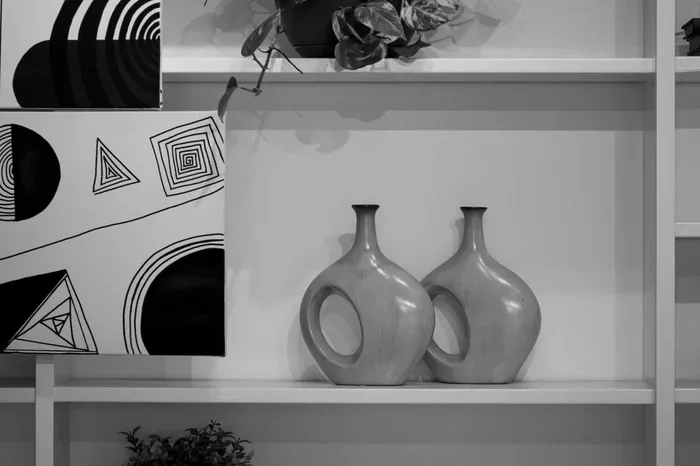
This is where your personality really shines through on shelf decor. Think about the things that make you smile. A framed photo from a favorite trip, a ceramic vase you found at a market, a small sculpture, or a candle in a beautiful holder. These personal touches turn a generic shelf into something uniquely yours.
Group similar items together for impact. A cluster of small candles, a set of stacked books with a small plant on top, or a collection of framed photos in matching frames all create a sense of curation. Avoid scattering single items randomly, as this can make the display feel disjointed.
Shelf Styling Techniques That Make a Difference
Knowing what to place on your shelves is only half the battle. How you arrange those items is just as important. Here are some proven techniques that professional stylists use to create balanced, beautiful displays.
The Rule of Three
The rule of three is a classic design principle that works wonders on open shelves. Group items in odd numbers, especially threes, because the brain finds asymmetry more interesting and dynamic than even groupings.
For example, place three books of varying heights together, add a small plant next to them, and finish with a decorative object. This trio creates a mini composition that feels complete on its own. You can repeat this pattern across multiple shelves for a cohesive look.
This technique works beautifully for living room shelf arrangement because it gives each section a clear structure without feeling rigid or formulaic.
Play With Heights and Layers
A flat, uniform shelf looks boring. The secret to eye-catching displays is creating height variation. Use tall items like vases, large plants, or stacked books to draw the eye upward. Place shorter items like candles, small frames, or trinkets at the front.
Think of each shelf as a mini landscape. You want some elements that reach high, some that sit low, and some that fill the middle. This layered approach creates depth and makes the display feel three-dimensional rather than flat.
Another trick is to use risers. Small wooden blocks, stacked books, or decorative pedestals can elevate certain items and create natural height differences. This costs almost nothing but makes a dramatic visual impact.
Balance Visual Weight
Every item on a shelf has visual weight. Heavy, dark, or large items carry more weight than small, light, or delicate ones. The goal is to distribute this weight evenly across the entire shelf so no single area feels too heavy or too light.
For example, if you place a large dark book on the left side of a shelf, balance it with a medium-sized plant and a small framed photo on the right. This creates equilibrium without making the arrangement feel symmetrical or forced.
Stepping back and squinting at your shelves can help you see the visual balance more clearly. If one side feels like it is pulling your eye too much, adjust the items until the weight feels evenly distributed.
Mix Materials and Textures
One of the easiest ways to make shelf styling look professional is to mix different materials and textures. Combine wood with metal, ceramic with glass, soft fabrics with hard surfaces. This variety keeps the eye moving and adds richness to the display.
For instance, a wooden book, a metal candle holder, a glass vase, and a woven basket on the same shelf create a layered, curated feel. Each material brings its own character and contributes to a more dynamic arrangement.
You do not need to go overboard. Even mixing just two or three different materials on each shelf can make a noticeable difference. The key is variety without chaos.
Common Mistakes to Avoid When Styling Open Shelves
Even with the best intentions, it is easy to fall into common traps when styling open shelves. Being aware of these mistakes helps you avoid them and achieve a cleaner, more polished look.
Overcrowding the Shelves
The biggest mistake most people make is cramming too much onto their shelves. When every inch is filled, the display feels cluttered and overwhelming. Empty space is actually your friend. It gives the eye room to rest and helps each individual item stand out.
A good rule of thumb is to fill about 60 to 70 percent of each shelf. Leave the rest as breathing room. This negative space is what separates a curated look from a cluttered one. Trust the empty areas. They do more for your display than you might think.
Ignoring Scale and Proportion
Items that are too large or too small for your shelves can throw off the entire look. A tiny figurine on a wide, deep shelf gets lost. A massive vase on a narrow shelf overwhelms the space. Pay attention to scale and make sure your items feel proportional to the shelves themselves.
For wider shelves, use larger items or group smaller items together to fill the space appropriately. For narrower shelves, choose smaller, more delicate pieces that do not crowd the area.
Forgeting About Function
Open shelves should look beautiful, but they should also serve a purpose. If you only display decorative items and have nowhere to put practical essentials, the room will feel impractical. Strike a balance between beauty and function.
Use baskets and boxes to hide items that are not visually appealing but are necessary, like extra blankets or remote controls. This way, you get the best of both worlds: a stylish display that also works hard for your everyday life.
Expert Tips for Keeping Your Shelves Looking Fresh
Styling open shelves is not a one-time task. It is an ongoing process that evolves with your tastes, the seasons, and the life happening in your home. Here are some expert-backed tips to keep your shelves looking their best over time.
Refresh Seasonally
One of the easiest ways to keep your living room decor feeling current is to make small seasonal swaps. In spring and summer, bring in lighter colors, fresh flowers, and airy textures. In autumn and winter, switch to warmer tones, candles, and cozy textiles like small throws or woolen accents.
You do not need to overhaul your entire shelf display. Even swapping out a few items, changing the arrangement slightly, or adding a seasonal plant can make a big difference. These small updates keep your space feeling alive and intentional.
Edit Ruthlessly
Professional stylists know that editing is just as important as arranging. Once you have placed items on your shelves, step back and look critically. Remove anything that does not serve a purpose or bring you joy. If an item feels like it is there out of obligation rather than genuine love, it probably does not belong on display.
Editing keeps your shelves feeling fresh and intentional. It is the difference between a display that looks curated and one that slowly accumulates into clutter. Make it a habit to revisit your shelves every few months and remove anything that no longer fits your vision.
Rotate Items for Visual Interest
You do not need to buy new items to keep your shelves interesting. Simply rotating what you already own can create a fresh perspective. Move a favorite book to a different shelf. Swap the positions of two decorative objects. Bring a plant from one room to another temporarily.
This rotation technique works especially well if you have a limited budget but want your space to feel constantly refreshed. It also helps you notice and appreciate items you might have overlooked before.
Quick Tips for Styling Open Shelves
Here is a quick cheat sheet you can reference whenever you are working on your shelf arrangement:
- Start with books as your base layer. They anchor the shelf and provide structure.
- Add plants for life and color. Even one small plant can transform the entire feel.
- Use the rule of three for groupings. Odd numbers feel more natural and balanced.
- Leave breathing room. Empty space is a design element, not wasted space.
- Mix textures and materials. Wood, metal, ceramic, and fabric create visual richness.
- Balance visual weight across shelves. Avoid clustering heavy items on one side.
- Include personal items. Your shelves should reflect you, not a magazine.
- Step back frequently. View your shelves from across the room to check the overall balance.
Conclusion
Learning how to style open shelves in your living room is one of the most rewarding home decor projects you can tackle. It is accessible, affordable, and incredibly satisfying to see your vision come to life on a blank set of shelves. The techniques we covered, from starting with a clean slate to balancing visual weight and mixing materials, give you a solid foundation to work from.
Remember that there is no single right way to style open shelves. Your home should reflect your personality and make you feel happy every time you look at it. Trust your instincts, have fun with the process, and do not be afraid to experiment. The beauty of open shelving is that it is always easy to change and evolve.
Start with one shelf if the idea of styling an entire wall feels overwhelming. Get comfortable with the basics, and then expand to more shelves as your confidence grows. Before long, you will have a living room that feels thoughtfully designed and uniquely yours. Happy styling!
Frequently Asked Questions
What is the best way to start styling open shelves for beginners?
Start by clearing everything off and cleaning the shelves. Then choose a simple color palette and begin with books as your base layer. Add a plant, a personal item, and a decorative object to each shelf. Keep it simple at first and build from there as you get more comfortable with the process.
How many items should I place on each open shelf?
Aim for three to five items per shelf, grouped in odd numbers. This creates a balanced, curated look without overcrowding. Remember to leave about 30 percent of the shelf empty for breathing room. This negative space is just as important as the items you display.
Can I mix different shelf styles in the same living room?
Yes, you can mix shelf styles, but keep a unifying element to tie everything together. This could be a consistent color palette, similar materials, or a shared decorative theme. A cohesive thread prevents the room from feeling chaotic while still allowing variety and personal expression.
How often should I change my shelf styling?
There is no set schedule, but many people refresh their shelf displays every season. Small swaps like switching a plant, moving a book, or changing a decorative object can make a big difference. Rotate items whenever the display starts to feel stale or when your tastes naturally evolve.
What are the best materials for open shelf styling?
Wood, ceramic, glass, metal, and woven textiles are all excellent choices. Combining these materials on the same shelf adds texture and visual interest. Stick to two or three material types per shelf to keep the look cohesive rather than scattered.
Do I need a lot of items to fill open shelves?
Not at all. In fact, less is often more when it comes to shelf styling. A few well-chosen items arranged thoughtfully look far better than a crowded shelf filled with random objects. Focus on quality and personal meaning over quantity, and let empty space do its magic.