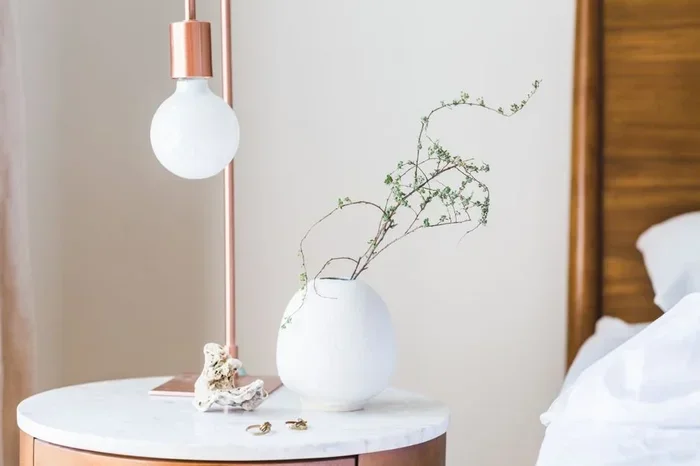
How to Style a Side Table in Your Living Room Like a Pro
Learning how to style a side table in your living room is one of the easiest ways to boost your home decor instantly. A well-styled side table adds function, warmth, and personality to any room. You will discover simple layering tricks, the best accessories to use, and common mistakes to avoid. Whether your space is small or large, these pro tips work for every home. By the end, you will feel confident creating a stunning tabletop display every time.
SEO Title: How to Style a Side Table in Your Living Room Like a Pro
Meta Title: Style Your Side Table in the Living Room Like a Pro
Meta Description: Learn how to style a side table in your living room like a pro with easy tips, ideas, and tricks for creating a beautiful and functional tabletop display.
URL Slug: /how-to-style-a-side-table-in-living-room
Opening Summary:
Styling a side table in your living room might seem simple, but it is an art that can completely transform your space. A beautifully arranged side table adds warmth, character, and a polished finish to any room. Whether you are a beginner or a seasoned decorator, understanding how to style a side table in your living room will level up your home decor game. In this guide, you will learn proven techniques for layering accessories, choosing the right pieces, and avoiding common pitfalls. By the end, you will have all the confidence you need to create a side table display that looks like it came from a magazine.
Introduction:
Your side table does more than hold your phone or a glass of water. It is a small but powerful design element that ties your living room together. A well-styled side table adds personality and balance to your space. Yet so many people overlook this opportunity. They either leave the table bare or crowd it with random items. If you have ever walked into a room and felt something was “off” about a side table, this article is for you. Here, you will find everything you need to know about side table styling made easy.
Why Your Side Table Deserves More Attention
A side table is one of the most versatile pieces of furniture in your living room. It sits at eye level, within arm’s reach, and draws the eye the moment someone enters the room. Yet it often gets treated as an afterthought. When you learn how to style a side table in your living room, you unlock a whole new level of design control. A styled side table can anchor a seating area, add color, and reflect your personal taste. It is one of the smallest investments with the biggest impact.
Common Mistakes People Make
Before we dive into the how-to, let’s talk about what goes wrong. Many people make the same mistakes when styling their side tables. One of the biggest is using too many items. A cluttered table looks messy and chaotic. Another mistake is ignoring scale. A tiny vase on a large table gets lost, and a huge lamp on a small table feels overwhelming. People also forget about function. Your side table should still be usable, not just decorative. Avoid these pitfalls, and your side table styling will instantly improve.
Choose the Right Side Table for Your Space
The foundation of great side table styling starts with choosing the right table. Not every side table works in every room. The size, shape, and material all matter. Before you buy or style, take a good look at your space. Measure the area where the table will sit. Consider the height of your sofa or chair. A side table should sit roughly at the same height as the furniture next to it. This creates a seamless, balanced look.
Consider the Size and Scale
Size matters more than most people realize. A small side table in a large living room will look lost. A large side table in a small room will feel cramped. The rule of thumb is that your side table should be about two-thirds the height of the furniture next to it. For width, aim for a table that is proportional to the wall space and seating area. When you get the scale right, everything else falls into place.
Match the Style to Your Room
Your side table should complement your room’s overall style. If your living room has a modern aesthetic, choose a side table with clean lines and a sleek finish. For a farmhouse or rustic look, go with a wooden side table that has natural grain and texture. A mid-century modern side table with tapered legs pairs beautifully with retro-inspired decor. Mixing styles can work, but try to keep at least one element consistent. This creates a cohesive look that feels intentional rather than random.
Layer Items at Different Heights
One of the most important rules of side table styling is layering at different heights. A flat, one-level arrangement looks boring. It lacks depth and visual interest. By stacking items at various heights, you create a dynamic display that draws the eye. This technique is used by interior designers in every home decor magazine you see.
Start with a Base Layer
Begin by placing your largest item on the table first. This is usually a table lamp, a stack of books, or a decorative box. This base layer sets the foundation for everything else. It gives your eye a place to start. For a table lamp, choose one that fits the scale of your side table. A lamp that is too tall will dominate the room. One that is too short will not provide enough light. Aim for the lamp shade to sit at or just above eye level when you are seated.
Add Height with Books and Trays
After your base layer, add medium-height items. Stacks of coffee table books are a classic choice. They add height and texture in one simple move. Choose books in colors that complement your room’s palette. You can also use a decorative tray to group smaller items together. A tray does two things: it organizes your accessories and it adds a polished, curated look. Place a small tray on the table and arrange a candle, a small plant, and a framed photo on top. This creates a mini vignette that tells a story.
Add Functional and Decorative Elements
A great side table balances function and decoration. You want the table to look beautiful, but it should also serve a purpose. Think about what you actually use your side table for. Do you set your drink on it? Do you reach for your phone there? Do you need a place for your reading glasses? Incorporating these everyday needs into your styling makes the table both practical and beautiful.
Lighting as a Styling Anchor
A table lamp is the most common functional element on a side table. But it also serves as a styling anchor. The lamp gives your display a focal point. It adds warmth and ambiance to the room. When choosing a lamp, consider the style of your room and the size of your table. A drum shade lamp works well in modern spaces. A fabric shade lamp adds softness to traditional rooms. For a bold look, try a sculptural or arc lamp. The lamp base itself can be a decorative statement.
Plants and Natural Touches
Adding a small plant to your side table brings life and freshness to the space. Plants are one of the best home decor accessories you can use. They add color, texture, and a sense of calm. Choose a small potted plant or a succulent that fits the scale of your table. A trailing plant like a pothos can drape over the edge for a soft, organic look. If you prefer something low-maintenance, a dried eucalyptus stem or a preserved moss ball works beautifully. Natural elements ground a room and make it feel inviting.
Create a Focal Point with a Tray
A decorative tray is the secret weapon of side table styling. It pulls together scattered items and creates a unified look. Without a tray, your accessories can look random and disjointed. With a tray, they look intentional and curated. Trays come in many shapes, sizes, and materials. A round tray softens a angular room. A square tray adds structure. A woven or wooden tray adds texture. A marble or mirrored tray adds a touch of elegance.
Why Trays Work So Well
Trays create boundaries on your side table. They tell the eye where the arrangement starts and ends. This is especially helpful on larger tables where items can spread out too much. Trays also make it easy to refresh your display. Simply lift the tray, rearrange the items, and set it back down. You can even use the tray to carry items from one room to another. This makes tray styling both practical and beautiful.
How to Arrange Items on a Tray
Start by placing the tray on the table. Then add your items inside the tray. Use the rule of odd numbers: group items in threes or fives for the most pleasing arrangement. Place a tall candle on one side and a small stack of books on the other. Fill the remaining space with a small plant or a decorative object. Leave some space on the tray so the items do not look cramped. The negative space is just as important as the items themselves.
Quick Tips for Perfect Side Table Styling
Styling a side table does not have to be complicated. A few simple tips can make a huge difference. Here are some quick wins you can try right away.
Color Coordination
Pick a color palette for your side table that matches your room. You do not need everything to match perfectly. Just choose two or three colors that work together. For example, if your room has neutral tones, add a pop of color with a blue candle or a green plant. Keeping colors consistent creates a polished, put-together look.
Seasonal Swaps
One of the easiest ways to keep your side table looking fresh is to swap items seasonally. In summer, use a bright candle, a small bowl of citrus, or a seashell. In winter, switch to a warm-toned candle, a pinecone arrangement, or a soft wool throw draped nearby. These small changes keep your decor feeling current without spending a lot of money.
Texture Mixing
Do not be afraid to mix textures. Combine a smooth ceramic vase with a rough wooden book stack and a soft linen candle holder. Texture adds depth and richness to a display. It makes the arrangement feel layered and interesting. Touch is an important part of how we experience a room. A side table that offers different textures invites people to engage with it.
Common Mistakes to Avoid
Even with the best intentions, it is easy to make mistakes when styling a side table. Here are the most common errors and how to fix them.
Overcrowding the Table
Less is more when it comes to side table styling. A cluttered table looks chaotic and stressful. It takes away from the beauty of each individual piece. Start with fewer items and add more only if the table feels empty. A good rule is to use no more than five items on a standard side table. This gives each piece room to breathe and stand out.
Ignoring Scale and Proportion
As mentioned earlier, scale is crucial. A tiny figurine on a large side table disappears. A huge bowl on a small table overwhelms it. Always consider the size of your table relative to the items you place on it. The general rule is that no single item should take up more than one-third of the table surface. This keeps the balance right.
Forgetting About Function
Your side table is not just a display shelf. It needs to be usable. Do not block access to outlets or make it hard to grab a glass. Leave enough space on the table for everyday use. A good approach is to style the table as if you already live with it. Would you be able to set your phone down comfortably? Can you reach the lamp switch easily? Function should always come first.
Comparison Table: Side Table Styling Approaches
| Styling Approach | Best For | Key Elements | Look and Feel |
|—|—|—|—|
| Minimalist | Small spaces, modern rooms | One lamp, one plant, one book | Clean, calm, uncluttered |
| Eclectic | Bold personalities, large rooms | Mixed textures, bold colors, varied heights | Vibrant, layered, dynamic |
| Traditional | Classic homes, formal rooms | Table lamp, floral arrangement, decorative tray | Polished, elegant, refined |
| Coastal | Beach houses, relaxed spaces | Natural materials, light colors, shells | Light, airy, breezy |
| Bohemian | Creative spaces, eclectic homes | Plants, woven baskets, colorful textiles | Warm, free-spirited, textured |
Expert Insights
Interior designers agree that the key to a great side table display is intentionality. Every item should have a reason for being there. Decorator Sarah Simmons says, “When I style a side table, I think about what the person uses the table for and what makes them feel at home. The best side tables tell a story.” Another designer, Mark Chen, recommends starting with a tray and building outward. “A tray gives you a foundation. From there, you can add layers and create depth without chaos.” These professional insights remind us that styling is not about perfection. It is about creating a space that feels like you.
Conclusion
Styling a side table in your living room is easier than you think. With a few simple techniques, you can turn an ordinary table into a stunning focal point. Remember to choose the right table for your space, layer items at different heights, and balance function with decoration. Avoid the common mistakes of overcrowding and ignoring scale. Use a tray to bring order and polish to your arrangement. And most importantly, make it your own. Your side table should reflect your personality and your lifestyle. Start with one small change today and watch how it transforms your living room. You have all the tools you need now. Go ahead and style your side table like a pro.
Key Takeaways
- Start with a tray: A decorative tray instantly organizes your side table and creates a polished look.
- Layer at different heights: Combining tall and short items adds visual depth and interest.
- Mix function with decor: Include both useful items like lamps and decorative pieces like books.
- Follow the rule of odd numbers: Grouping items in threes or fives creates a more natural, balanced feel.
- Avoid overcrowding: Leave breathing room on your table so each piece can shine.
- Swap seasonally: Small changes like candle colors or plant choices keep your side table fresh year-round.
- Match scale to your space: Choose side table accessories that fit the size of your table and room.
Frequently Asked Questions
What is the best way to style a small side table in a living room?
For a small side table, less is more. Choose one statement piece like a tall lamp or a single plant. Add one or two small accessories and leave plenty of empty space. A round tray works well on small tables because it softens the edges and keeps things organized. The key is to keep it simple and let each item breathe.
How high should a side table be compared to a sofa?
A side table should sit roughly at the same height as the sofa arm or just slightly lower. This makes it easy to reach for items like a phone or a drink. If the table is too high or too low, it will feel awkward to use. Measure your sofa arm height before buying a side table to get the right fit.
What items should I put on my side table?
A well-styled side table usually includes a light source like a table lamp, a decorative tray, a small plant, and a few personal items like a book or a candle. You can also add a small bowl for keys or a framed photo. Mix functional items with decorative ones to keep the table both useful and beautiful.
How often should I change my side table decor?
There is no set rule, but swapping items seasonally keeps your decor feeling fresh. You can also change things when you get bored or when the seasons shift. Even small changes like switching candle colors or rotating a plant can make a big difference. The goal is to keep the display feeling current and intentional.
Can I use a side table in the living room as an entryway table?
Yes, side tables work great as entryway tables too. The styling principles are similar. Use a tray to organize keys and mail, add a small dish for coins, and include a mirror or artwork above. Keep the items practical and easy to access. A well-styled entryway side table makes a great first impression.
What are the best materials for side table styling accessories?
Natural materials like wood, ceramic, and woven textures work well for most rooms. Glass and marble add elegance and make small spaces feel larger. Metal accents like brass or copper add warmth and a touch of luxury. Mix two or three materials on your side table for a layered, curated look that feels rich and interesting.