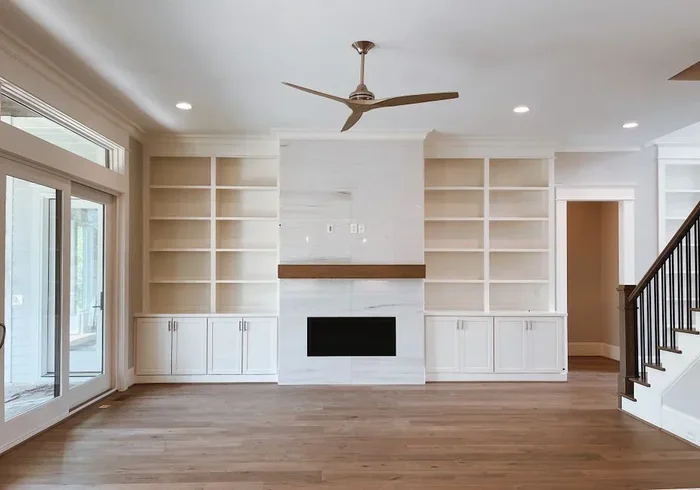
Custom Living Room Built-Ins Design Ideas You Will Love
Custom living room built-ins combine style and storage in one seamless design. These tailored pieces add value to your home while creating a polished, personalized look. Whether you want a built-in bookshelf, a window seat, or a full entertainment wall, the possibilities are endless. This guide covers design ideas, materials, planning tips, and common mistakes to help you create the perfect setup for your living room.
Custom living room built-ins are one of the best ways to elevate your home’s look and feel. These tailored pieces fit your space perfectly, giving you both style and function in one package. Whether you have a cozy apartment or a spacious family room, built-ins can transform how your living area works and looks.
If you have been searching for ideas to refresh your home, custom living room built-ins offer a solution that store-bought furniture simply cannot match. They blend into your walls, create a seamless flow, and give you extra storage without taking up valuable floor space. In this article, we will walk you through the best design ideas, materials, planning tips, and mistakes to avoid so you can create a living room you truly love.
Key Takeaways
- Custom living room built-ins maximize space: They use every inch of your room wisely, giving you extra storage without cluttering your floor.
- Endless design styles exist: From modern minimalism to classic farmhouse, you can match built-ins to your home’s personality.
- Planning matters before building: Measuring your space, choosing materials, and setting a budget early saves time and money.
- Lighting makes a big difference: Adding recessed lights or LED strips to your built-ins creates a warm, inviting glow.
- Avoid common mistakes: Skipping proper measurements, ignoring ventilation, and choosing the wrong finish can hurt your results.
- Built-ins add home value: Potential buyers love custom features, so your investment pays off if you ever sell.
📑 Table of Contents
- Why Custom Living Room Built-Ins Are Worth It
- Popular Custom Living Room Built-Ins Styles
- How to Plan Your Custom Living Room Built-Ins
- Materials and Finishes for Built-Ins
- Lighting Tips for Built-In Furniture
- Common Mistakes to Avoid
- Expert Tips for Stunning Custom Living Room Built-Ins
- Final Thoughts
Why Custom Living Room Built-Ins Are Worth It
Many homeowners wonder if built-ins are really worth the investment. The short answer is yes. Custom living room built-ins bring a range of benefits that go far beyond looks. Let us break down why so many people are choosing this option for their homes.
They Maximize Your Space
One of the biggest advantages of custom living room built-ins is how well they use your room’s layout. Built-in shelves and cabinets fit right into corners, alcoves, and awkward wall spaces that regular furniture would leave unused. This means you get more storage without making the room feel cramped.
For example, a built-in bookshelf that stretches from floor to ceiling uses vertical space that freestanding units simply cannot reach. You also get hidden storage compartments that keep clutter out of sight. This is perfect for living rooms where you need both beauty and practicality.
They Add Value to Your Home
Custom cabinetry and built-in features are highly sought after by homebuyers. When you install custom living room built-ins, you are making a long-term investment in your property. Studies show that homes with built-in features often sell faster and at higher prices than those without them.
Think of it this way. A beautiful built-in entertainment center or a window seat with storage underneath adds permanent value. Buyers see these as premium features, not just extra furniture they would need to replace.
They Reflect Your Personal Style
Store-bought furniture comes in limited styles and sizes. Custom living room built-ins let you choose every detail. From the type of wood to the finish, hardware, and shape, you control the final look. This means your living room truly feels like yours.
You can go with a rustic farmhouse look using reclaimed wood, or choose a sleek modern design with clean lines and matte finishes. The flexibility is one of the biggest reasons homeowners fall in love with built-in design.
Popular Custom Living Room Built-Ins Styles
There is no shortage of styles when it comes to custom living room built-ins. Each style brings a different vibe to your space. Here are some of the most popular options that homeowners love.
Built-In Bookshelves
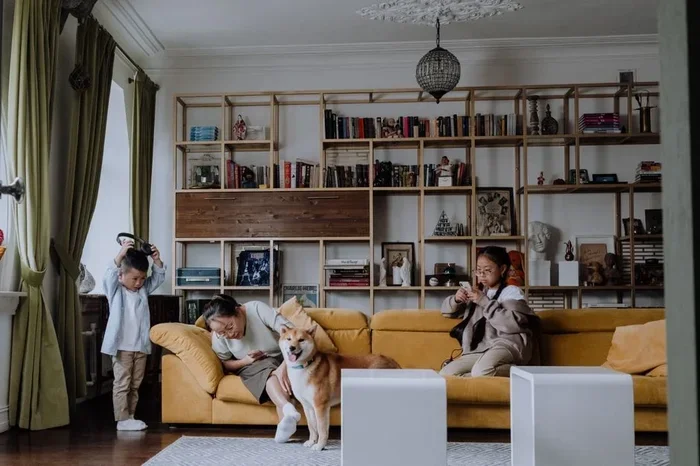
Built-in bookshelves are a timeless choice for any living room. They create a focal point on a large wall and give you plenty of space to display books, art, and decorative items. You can add open shelving for easy access or include closed cabinets to hide items you want to keep out of sight.
Many people pair built-in bookshelves with a reading nook underneath. Add a cushioned bench seat, and you have a cozy spot perfect for relaxing with a good book. This style works beautifully in both traditional and contemporary homes.
Entertainment Centers
A custom entertainment center is one of the most requested types of custom living room built-ins today. These units are designed to hold your TV, gaming consoles, speakers, and media devices while keeping cables hidden. You can add recessed lighting behind the TV to create a cinematic glow in the room.
An open display area flanking the TV lets you showcase artwork, plants, or family photos. This style keeps your entertainment gear organized and your living room looking clean and polished.
Window Seats with Storage
If your living room has large windows, a window seat is a wonderful addition. Custom living room built-ins around windows create a cozy bench that also offers hidden storage underneath. You can store blankets, cushions, or seasonal items inside the seat.
Window seats also make great spots for reading or enjoying morning coffee. Add cushioned padding and throw pillows, and you instantly create a warm, inviting corner in your room.
Built-In Desks and Workspaces
More people are working from home, and a built-in desk in the living room can be a game changer. These wall-mounted units fold away when not in use or blend seamlessly into the room’s design. You can add shelves above the desk for office supplies and a small cabinet for files.
This style is perfect for small living rooms where a separate office would take up too much space. The built-in desk stays tucked away, keeping your living area open and clutter-free.
Hybrid Shelving and Display Units
A hybrid unit combines open shelves, closed cabinets, and display niches all in one built-in design. This style gives you the best of both worlds. You can show off your favorite items on open shelves while hiding everyday clutter inside cabinets.
Hybrid units work well in living rooms that serve multiple purposes. They provide storage for everything from books and electronics to board games and blankets. The mix of open and closed storage keeps the room organized and visually interesting.
How to Plan Your Custom Living Room Built-Ins
Planning is the most important step in any home improvement project. Custom living room built-ins require careful thought before you start building. A solid plan saves you time, money, and frustration down the road.
Measure Your Space Accurately
Before you design anything, grab a tape measure and record your room dimensions. Note the height of your ceilings, the width of your walls, and any windows, doors, or vents in the area. These details will shape your design and ensure everything fits correctly.
Do not forget to account for trim molding and baseboards. These elements affect how your built-ins sit against the wall. Taking exact measurements upfront prevents costly mistakes later.
Choose Your Materials Wisely
The material you pick sets the tone for the entire built-in piece. Common options include solid wood, plywood, MDF, and laminate. Each material has its own look, durability, and price point.
Solid wood gives a rich, classic feel and lasts for decades. Plywood is strong and more budget-friendly. MDF works well for painted finishes and smooth surfaces. Your choice should match your style, budget, and how much wear and tear the piece will face.
Set a Realistic Budget
Custom living room built-ins can range from affordable to high-end depending on materials and complexity. Set a budget early and stick to it. Factor in the cost of materials, hardware, finishes, and any professional help you may need.
Keep in mind that adding features like recessed lighting, soft-close hinges, or custom cabinet hardware will increase the cost. Plan for these extras so there are no surprises during the project.
Materials and Finishes for Built-Ins
The right materials and finishes can make or break the look of your custom living room built-ins. You want a finish that looks great, holds up over time, and fits your lifestyle.
Wood Finishes
Wood is the most popular material for built-ins. Oak, walnut, maple, and cherry are all excellent choices. Each wood type has a unique grain pattern and color that adds character to your living room.
You can stain wood to match your existing furniture or leave it natural for a warm, organic feel. A polyurethane finish protects the wood from scratches and moisture, making it ideal for high-traffic living rooms.
Painted Finishes
Painting your built-ins is a great way to create a clean, modern look. White and soft neutral tones are popular choices because they blend with any color scheme. You can also try a bold accent color to make your built-ins a statement piece.
Use high-quality paint and primer for a smooth, long-lasting finish. Eggshell or satin finishes are easier to clean than flat paint, which is a smart choice for family rooms.
Mixed Materials
Combining materials adds depth and visual interest to your built-ins. Pair wood shelves with painted cabinet fronts, or mix open shelving with glass-front doors. The contrast between materials creates a dynamic look that catches the eye.
You can also add metal accents like brushed nickel handles or iron brackets for an industrial touch. Mixing materials lets you get creative while keeping your design cohesive.
Lighting Tips for Built-In Furniture
Lighting plays a huge role in how your custom living room built-ins look and feel. The right lighting highlights your design and creates a warm, welcoming atmosphere in the room.
Recessed Lighting
Recessed lights installed above or inside your built-ins create a soft, indirect glow. They are perfect for lighting up built-in bookshelves or display areas without taking up any visual space.
Place recessed lights at regular intervals along the top of your built-in unit. This draws the eye upward and makes the room feel larger and more open.
LED Strip Lighting
LED strip lights are an easy and affordable way to add glow to your built-ins. You can tuck them behind shelves, inside cabinets, or along the base of a window seat. They come in warm white, cool white, and even color-changing options.
LED strips are simple to install and use very little energy. They are a favorite choice for homeowners who want to add a modern touch to their custom living room built-ins without a big investment.
Pendant Lights and Sconces
If your built-in includes a reading nook or a desk area, consider adding a pendant light or wall sconce. These provide focused task lighting that makes the space functional and stylish at the same time.
Choose fixtures that match your room’s overall style. A sleek metal pendant works well in modern rooms, while a fabric-shaded sconce adds warmth to traditional spaces.
Common Mistakes to Avoid
Even the best-designed custom living room built-ins can run into problems if you overlook important details. Here are some common mistakes to watch out for.
Skipping Proper Ventilation
Built-in cabinets that sit against exterior walls need proper ventilation. Without it, moisture can build up and cause warping or mold growth. Leave small gaps at the back or bottom of enclosed cabinets to allow air to circulate.
Ignoring Electrical Outlets
Before you finalize your built-in design, think about where electrical outlets are located. You may need to add outlets inside cabinets for lamps or devices. Planning for this early saves you from drilling into finished walls later.
Choosing the Wrong Scale
Oversized built-ins can overwhelm a small room, while tiny ones get lost in a large space. Always choose a scale that matches your room size. If you are unsure, consult a carpenter or interior designer for guidance.
Forgetting About Maintenance
Built-ins are permanent features, so you need to think about long-term care. Painted surfaces may chip over time, and wood finishes may need refinishing every few years. Choose materials and finishes that fit your willingness to maintain them.
Expert Tips for Stunning Custom Living Room Built-Ins
Want your built-ins to look truly professional? Here are some expert tips that make a real difference in the final result.
- Use crown molding at the top of tall built-ins to create a polished, finished look that ties the piece to your ceiling.
- Add soft-close hinges to cabinet doors for a quiet, smooth operation that feels premium every time.
- Incorporate hidden storage compartments to keep everyday items out of sight while keeping them within easy reach.
- Match your trim molding style to the rest of the room so the built-ins blend naturally with the existing architecture.
- Use a level during installation to make sure shelves and cabinets sit perfectly straight.
- Add a back panel to open shelving units to give them a finished appearance and prevent dust buildup.
These small details separate good built-ins from great ones. Take your time with each step, and your custom living room built-ins will look like they were designed by a professional.
Final Thoughts
Custom living room built-ins are a fantastic way to bring style, storage, and value to your home. From built-in bookshelves to full entertainment walls, the design options are truly endless. The key is to plan carefully, choose quality materials, and pay attention to the small details that make a big impact.
Whether you are starting a full home renovation or just looking for a simple update, custom living room built-ins offer something for every budget and style. Take your time, explore different ideas, and create a living room that reflects who you are. Your dream living room is closer than you think.
Frequently Asked Questions
What are the best materials for custom living room built-ins?
Solid wood, plywood, and MDF are the most popular choices. Solid wood offers a classic, durable look, while plywood is strong and budget-friendly. MDF works well for painted finishes and smooth surfaces. Your choice depends on your style, budget, and how much wear the piece will face.
How much do custom living room built-ins cost?
The cost varies widely based on materials, size, and complexity. A simple built-in bookshelf might cost a few hundred dollars, while a full entertainment wall with lighting and custom cabinetry can run several thousand. Always set a budget upfront and get quotes from professionals if needed.
Can I install custom living room built-ins myself?
Yes, if you have basic carpentry skills and the right tools. Many homeowners successfully build simple built-ins as DIY projects. However, complex designs with electrical work or custom finishes are best left to professionals. Always measure carefully and plan your design before you start building.
Do custom living room built-ins add home value?
Yes. Built-in features are highly desirable among homebuyers. They are seen as permanent upgrades that add both function and beauty to a home. Custom built-ins often help homes sell faster and at a higher price than those without them.
What lighting works best with built-in furniture?
Recessed lights and LED strip lights are the top choices for built-ins. Recessed lights create a soft, ambient glow, while LED strips add a modern accent behind shelves or inside cabinets. Both options are energy-efficient and easy to install, making them perfect for any budget.
How do I maintain custom living room built-ins?
Maintenance depends on the material and finish you choose. Wood built-ins may need occasional polishing or refinishing, while painted surfaces can be touched up with matching paint. Keep surfaces clean, avoid excess moisture, and inspect hardware regularly to ensure everything stays in great shape for years to come.
=== CONCLUSION ===
Custom living room built-ins are a smart, stylish investment for any homeowner. They bring extra storage, add value to your property, and let you express your personal style in a way that store-bought furniture never could. From planning your design to choosing the right materials and finishes, every step matters.
Use the ideas and tips in this guide to create custom living room built-ins that you and your family will enjoy for years to come. Start small if you need to, and build from there. The best living room is the one that feels like yours.