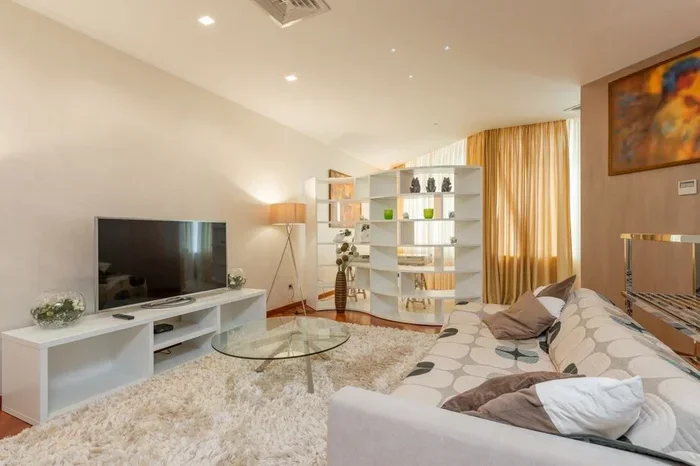
Warm Paint Colors for Living Room That Transform Any Space
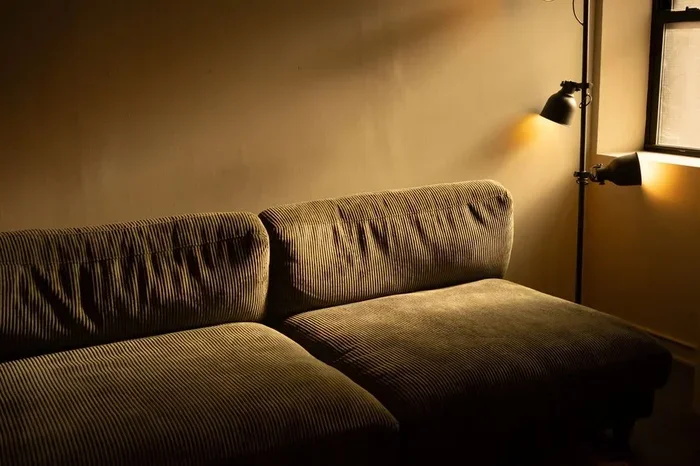
Warm paint colors for living room spaces create a cozy, inviting atmosphere that instantly transforms any home. Whether you prefer rich terracotta, soft warm beige, or golden mustard tones, the right warm palette can make your living room feel welcoming and stylish. These warm hues work beautifully with natural materials, wooden furniture, and warm lighting to elevate your entire living room paint scheme.
There is something magical about warm paint colors for living room spaces. A fresh coat of warm paint can turn a dull, lifeless room into a cozy retreat you never want to leave. Whether you are refreshing a single wall or repainting the entire room, warm tones bring energy, comfort, and personality to any living space.
Many homeowners hesitate when choosing warm colors. They worry the room will feel too heavy or overwhelming. But with the right shade and the right approach, warm paint creates a balanced, beautiful living room that feels both stylish and relaxed. This guide walks you through everything you need to know about selecting and using warm tones in your living space.
Let us explore the best warm paint colors, how to pair them with your furniture, and tips to make your living room makeover a success.
Key Takeaways
- Warm tones like terracotta, mustard yellow, and warm beige create an inviting living room atmosphere.
- Choosing the right warm paint color depends on your lighting, room size, and existing furniture.
- Pairing warm wall colors with neutral accents keeps a room balanced and stylish.
- An accent wall in a warm hue adds depth without overwhelming the space.
- Warm paint colors for living rooms work with both modern and traditional decor styles.
- Testing paint swatches in your actual room lighting prevents costly mistakes.
- Warm earthy tones pair perfectly with wooden furniture and natural textures.
📑 Table of Contents
- Why Warm Paint Colors Work So Well in Living Rooms
- Best Warm Paint Colors for Your Living Room
- How to Choose the Right Warm Shade for Your Space
- Pairing Warm Wall Colors with Your Living Room Decor
- Common Mistakes to Avoid with Warm Paint Colors
- Warm Paint Color Schemes for Different Styles
- Final Thoughts on Warm Paint Colors for Living Room
Why Warm Paint Colors Work So Well in Living Rooms
Warm colors have a natural ability to make people feel comfortable and at ease. Psychologically, tones like warm beige, soft orange, and golden yellow trigger feelings of warmth and security. This is why warm paint colors for living room designs are so popular among interior designers and homeowners alike.
Your living room is where you relax, entertain guests, and spend quality time with family. The wall color sets the tone for the entire room. Cool tones like blue and gray can feel sterile or unwelcoming if overused. Warm tones, on the other hand, create an inviting atmosphere that draws people in.
Another reason warm hues work so well is versatility. Warm paint colors for living room spaces pair easily with almost any furniture style. Whether your room features sleek modern lines or rustic wooden pieces, warm tones complement the look beautifully. They also work well with a wide range of accent pieces for living room items like throw pillows, rugs, and artwork.
The Science Behind Warm Colors
Color theory plays a big role in how we experience a room. Warm colors sit on the red, orange, and yellow side of the spectrum. These shades remind us of natural elements like sunlight, fire, and earth. That is why a warm palette feels so grounding and comforting.
When sunlight hits warm paint, it reflects back a glow that makes the room feel alive. Even in rooms with limited natural light, warm tones can add a sense of brightness and energy. This makes them an excellent choice for living room paint projects in any season.
Best Warm Paint Colors for Your Living Room
Not all warm tones are created equal. Some feel bold and dramatic, while others stay soft and subtle. Here are the best warm paint colors to consider for your living room.
Terracotta and Burnt Orange
Terracotta is one of the most trending warm tones right now. This earthy shade brings a rustic, grounded feel to any room. Burnt orange works similarly but adds a bit more energy and warmth. Both colors pair beautifully with wooden furniture and natural textures like jute and linen.
These shades work especially well in rooms that get plenty of natural light. If your living room faces north or has smaller windows, consider using terracotta as an accent wall rather than painting all four walls. This keeps the warmth without making the space feel too enclosed.
Mustard Yellow and Golden Tones
Mustard yellow is a cheerful and stylish choice for warm paint colors for living room spaces. It adds a pop of personality without being overwhelming. Golden tones like amber and honey also fall into this category and work beautifully with both light and dark furniture.
These shades pair wonderfully with aesthetic living room ideas that incorporate plants, woven baskets, and vintage accessories. A mustard accent wall combined with cream-colored sofas creates a balanced, eye-catching look.
Warm Beige and Cream Paint Colors
If you prefer a more subtle approach, warm beige and cream are perfect choices. These neutral warm tones create a soft, elegant backdrop for any decor style. Warm beige works as a main wall color, while cream paint colors are ideal for trim, ceilings, and built-in shelving.
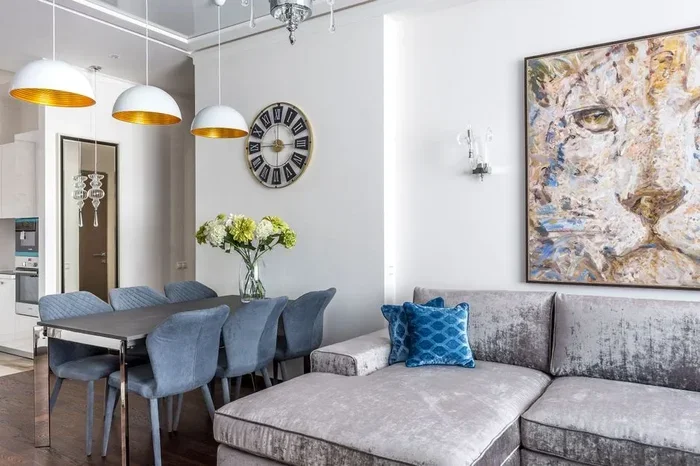
The beauty of warm beige is its flexibility. It pairs with cool-toned furniture like gray sofas and warm-toned pieces like wooden cabinets alike. This makes it one of the most popular warm neutrals for living rooms today.
Warm Earthy Tones and Rust
Deeper warm shades like rust, cinnamon, and warm brown create a rich, dramatic look. These earthy tones work best in larger living rooms with high ceilings. They add depth and sophistication without feeling dark or heavy when balanced with lighter elements.
Rust and cinnamon pair beautifully with deep greens and warm golds. This combination creates a luxurious, cozy atmosphere perfect for evening gatherings and quiet evenings at home.
How to Choose the Right Warm Shade for Your Space
Selecting the perfect warm paint color takes a bit of thought. The wrong shade can make a room feel cramped or too intense. Here is how to choose wisely.
Consider Your Room Size and Lighting
Small living rooms benefit from lighter warm tones like warm beige, soft cream, and pale golden hues. These shades reflect light and make the space feel open and airy. Darker warm colors like deep terracotta or rust work best in larger rooms with abundant natural light.
If your room lacks natural light, stick with lighter warm paint colors for living room options. Dark warm shades in dim rooms can feel heavy and suffocating. Test a sample patch on your wall and observe it at different times of day before committing.
Match Your Existing Furniture and Decor
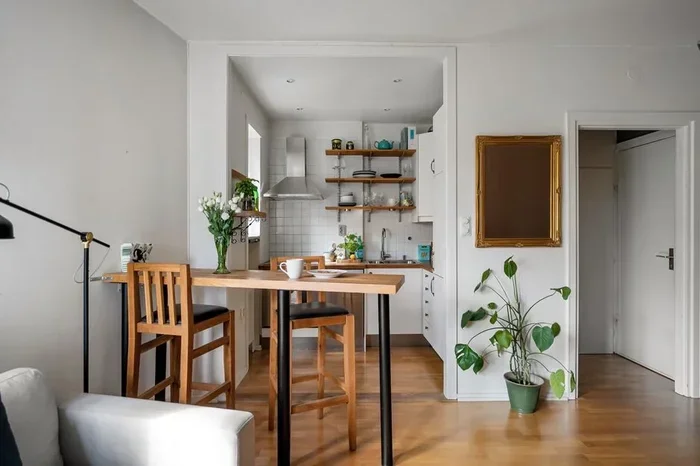
Take a look at your current furniture before choosing a paint color. If you have warm wooden floors and wooden furniture, shades like terracotta, mustard, or warm beige will complement the natural wood tones beautifully. If your furniture is cooler-toned, warm beige and cream provide a nice bridge between warm walls and cool furnishings.
When choosing a warm paint color scheme, think about your how to choose furniture for a living room approach as well. The paint color and furniture should work together as a unified design. This creates a polished, intentional look rather than a room that feels randomly decorated.
Test Before You Commit
Always buy sample pots and test your chosen warm shade on a small section of wall. Live with it for a few days. Notice how the color looks in the morning, afternoon, and evening light. Warm paint swatches can look very different depending on the lighting in your room.
This simple step saves time, money, and frustration. It also ensures your living room makeover turns out exactly the way you envisioned.
Pairing Warm Wall Colors with Your Living Room Decor
Once you have chosen your warm paint color, the next step is styling the room. The right decor choices enhance the warmth and create a cohesive look.
Furniture That Complements Warm Tones
Warm wood furniture like oak, walnut, and teak pairs naturally with warm wall colors. These materials share the same undertones and create a harmonious feel. For a more modern look, pair warm walls with white or cream-colored sofas and add warm-toned throw pillows and blankets for texture.
If you are updating your furniture alongside the paint, consider pieces that suit your warm aesthetic. Warm tones look stunning with Italian leather living room sets and other rich materials that add depth and luxury to the space.
For smaller spaces, warm paint combined with light-colored furniture prevents the room from feeling closed in. A white or light gray sofa against warm terracotta walls creates a striking contrast that feels both cozy and open.
Accessories and Accent Pieces
Accessories bring a warm room to life. Add accent pieces for living room items in complementary tones. Brass and gold accessories pair beautifully with warm beige and terracotta walls. Wooden bowls, woven baskets, and warm-toned candles add layers of texture and interest.
Artwork is another powerful tool. Abstract pictures in warm tones or earthy landscapes reinforce the color scheme without overwhelming the space. Hang pieces that echo the shades on your walls for a pulled-together look.
Warm Floors and Rugs
Do not forget about the floor. Warm-toned rugs in mustard, rust, or cream tie the room together. Wooden floors or warm-toned area rugs ground the space and make the warm walls feel intentional and designed.
When styling open shelves, keep the displayed items in warm or neutral tones for a cohesive look. How to style open shelves living room spaces with warm walls involves choosing decor items that complement rather than clash with the paint color.
Common Mistakes to Avoid with Warm Paint Colors
Even the best design ideas can go wrong if common mistakes are not avoided. Here are pitfalls to watch out for when using warm tones.
- Skipping the test patch: Warm colors shift dramatically in different lighting. Always test before painting the entire wall.
- Using too much of a bold warm shade: A little terracotta or mustard goes a long way. Use bold warm colors on one accent wall rather than all four walls.
- Ignoring the ceiling and trim: Paint your ceiling in a lighter warm tone or classic white to keep the room feeling balanced.
- Forgetting about undertones: Every warm color has an undertone (red, yellow, or orange). Make sure your furniture and decor share the same undertone for a unified look.
- Overlooking warm neutrals: Warm beige and cream are incredibly versatile and work in almost any living room setting.
Avoiding these mistakes ensures your warm wall colors enhance the room rather than overpower it. Take your time, plan carefully, and trust the process.
Warm Paint Color Schemes for Different Styles
Warm tones adapt to nearly any design style. Here are a few popular approaches.
Warm Minimalist
Pair warm beige walls with clean white furniture and natural wood accents. Keep accessories minimal and let the warm tones do the talking. This approach creates a calm, sophisticated space perfect for relaxation.
Warm Bohemian
Combine terracotta and mustard walls with colorful textiles, plants, and vintage finds. This style feels energetic, creative, and full of personality. Layer warm tones with pops of turquoise and deep green for visual interest.
Warm Traditional
Rich warm tones like deep burgundy, warm brown, and golden amber work beautifully in traditional settings. Pair with dark wood furniture, velvet upholstery, and brass fixtures for an elegant, timeless look.
Final Thoughts on Warm Paint Colors for Living Room
Warm paint colors for living room spaces offer endless possibilities for creating a cozy, stylish home. From earthy terracotta to soft warm beige, there is a warm shade for every taste and room size. The key is to choose a color that reflects your personality and complements your existing furniture and decor.
Take the time to test your chosen shade, pair it with the right accessories, and enjoy the transformation. A well-chosen warm palette can turn an ordinary living room into the most inviting space in your home. Start with a sample, trust your instincts, and watch your room come alive with warmth and character.
Whether you are going for a bold accent wall or a full-room warm makeover, the right warm paint colors for living room choices will elevate your space for years to come. Happy painting!
Frequently Asked Questions
What are the best warm paint colors for a small living room?
For small living rooms, stick with lighter warm tones like warm beige, soft cream, and pale golden yellow. These shades reflect light and make the space feel open while still adding warmth. Avoid dark warm colors like deep terracotta or rust, which can make a small room feel cramped.
How do warm paint colors affect mood in a living room?
Warm tones like terracotta, mustard, and warm beige create feelings of comfort, energy, and coziness. They make a room feel inviting and lively. This is why warm paint colors for living room spaces are so popular for family rooms and gathering areas.
Can warm paint colors work with modern furniture?
Absolutely. Warm tones pair beautifully with modern furniture. Try warm beige walls with white or gray sofas and add warm-toned throw pillows for a balanced look. Warm paint colors for living room spaces adapt easily to modern, minimalist, and transitional decor styles.
Should I paint all four walls a warm color?
It depends on the shade and your room size. Bold warm colors like terracotta and mustard look stunning as an accent wall. Lighter warm neutrals like cream and warm beige can work on all four walls without overwhelming the space. Always test a sample first.
What colors pair well with warm paint in a living room?
Warm paint pairs well with cream, white, soft gray, natural wood tones, and brass accents. Earthy greens and deep blues also complement warm wall colors nicely. These combinations create a balanced, layered look that feels intentional and stylish.
How do I keep a warm living room from feeling too heavy?
Balance warm walls with lighter furniture and plenty of natural light. Use white or cream ceilings, light-colored rugs, and minimal accessories. Adding plants and reflective surfaces like mirrors also helps keep a warm room feeling fresh and airy rather than heavy.