Warm Neutral Transitional Living Room Design Inspiration
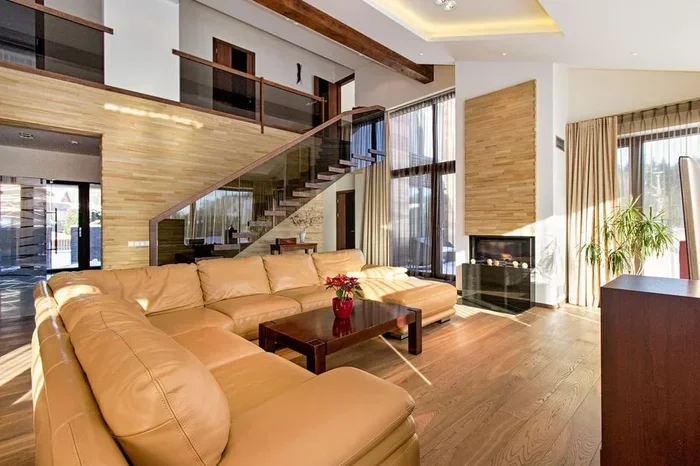
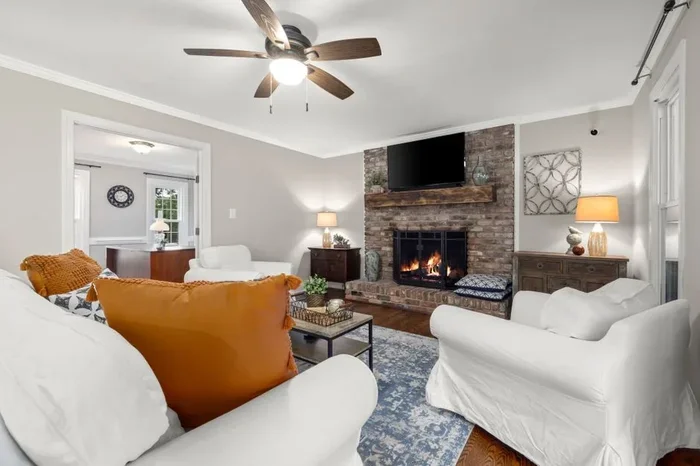
A warm neutral transitional living room combines the best of modern and traditional design with soft, inviting tones. This style creates a cozy retreat that feels both polished and comfortable. You will learn how to choose the right color palette, furniture, and decor pieces for a balanced look. The key is mixing textures, layering accessories, and keeping the space feeling open and warm. Whether you are starting fresh or refreshing a room, these tips will guide you.
A warm neutral transitional living room is one of the most popular design trends right now. It blends the clean lines of modern style with the comfort of traditional aesthetics. The result is a space that feels both sophisticated and cozy. If you have been searching for a way to update your living room without a complete overhaul, this style might be the perfect fit.
The beauty of a warm neutral transitional living room lies in its flexibility. You do not need a huge budget or a designer to make it work. With the right colors, textures, and furniture choices, anyone can create a stunning space. This guide will walk you through everything you need to know, from choosing a color palette to styling your shelves and side tables.
Key Takeaways
- Warm neutrals create a timeless foundation: Tones like beige, cream, and soft taupe work beautifully in transitional spaces.
- Mixing textures adds depth: Combine wood, linen, velvet, and metal to keep the room visually interesting.
- Furniture placement matters: Arrange seating to encourage conversation and maintain open flow.
- Layered lighting sets the mood: Use ambient, task, and accent lighting to create warmth.
- Accessorize with intention: Choose decor pieces that add personality without cluttering the space.
- Plants bring life to neutral rooms: Greenery adds color and freshness to a warm neutral palette.
- Start with a neutral base and build from there: A simple formula keeps the design cohesive and stress-free.
📑 Table of Contents
What Is a Warm Neutral Transitional Living Room?
Transitional design bridges the gap between traditional and modern styles. It takes the best elements of both and blends them seamlessly. A warm neutral transitional living room uses soft, earthy tones as its foundation. Think beige, cream, taupe, and warm gray. These colors create a calm and inviting atmosphere that works for almost any home.
The transitional style avoids the extremes of any single design movement. It is not too formal and not too casual. It strikes a balance that feels intentional but relaxed. This makes it a perfect choice for families, professionals, and anyone who values comfort without sacrificing style.
What sets a warm neutral palette apart is its emotional warmth. Cool grays and stark whites can feel sterile. But warm neutrals bring a sense of hug and coziness to a room. They make spaces feel lived-in and welcoming from the moment you walk in.
Why Warm Neutrals Work So Well
Neutral colors are timeless. They do not go out of style quickly like bold trends do. Warm neutrals also pair easily with almost any accent color. Whether you want to add navy blue pillows or mustard yellow throws, the base works hard to support your choices.
Another reason warm neutrals are so popular is their versatility. They look great in small apartments and large open-plan homes alike. A warm neutral transitional living room adapts to your lifestyle and personal taste over time. You can shift accessories and decor without redoing the entire room.
Building the Perfect Color Palette
Choosing the right colors is the first step in designing a warm neutral transitional living room. The palette should feel cohesive and soothing. Start with a base color and build from there using layers of tone and texture.
Start With a Warm Base
Your walls set the tone for the entire room. Soft beige, warm cream, or pale taupe make excellent base colors. These shades reflect light beautifully and make the room feel open. They also provide a neutral backdrop for furniture and decor.
Here are some popular warm neutral wall colors to consider:
- Warm beige: A classic choice that works in any lighting condition.
- Cream white: Softer than pure white and adds a subtle warmth.
- Light taupe: A gray-beige blend that feels modern and grounded.
- Soft warm gray: Adds a contemporary edge while staying inviting.
- Pale sand: Brings a beachy, relaxed feel to the space.
Layer With Accent Colors
Once your base is set, add depth with accent colors. A warm neutral transitional living room benefits from soft accents. Consider dusty rose, sage green, or muted gold. These tones complement the neutrals without overpowering them.
Textiles are an easy way to introduce accent colors. Throw pillows, area rugs, and curtains can shift the mood of a room in an instant. You can also change these elements seasonally to keep the space feeling fresh.
Choosing Furniture for a Transitional Look
Furniture is the backbone of any living room. In a warm neutral transitional living room, the pieces should feel both comfortable and refined. The goal is to mix clean lines with plush comfort.
Sofas and Seating
Your sofa sets the tone for the entire room. Choose a neutral fabric in a warm tone. Linen, velvet, or soft chenille all work beautifully. Avoid anything too shiny or overly modern. The furniture should feel approachable and inviting.
For a transitional living room, consider a sofa with simple, tapered legs. This adds a modern touch without feeling cold. Rolled arms and plush cushions bring the traditional comfort factor. The combination creates that perfect balanced look.
Coffee Tables and Side Tables
Wooden coffee tables are a staple in transitional design. Warm wood tones like oak, walnut, or maple complement the neutral palette. A table with clean lines but a natural finish keeps the look grounded.
Side tables are often overlooked but play a big role. They provide function and style. A well-styled side table can anchor a seating area and display your favorite accessories. Choose pieces that match the wood tone of your coffee table for a unified look.
Storage and Display Pieces
Transitional living rooms benefit from furniture that does double duty. Media consoles, bookcases, and storage ottomans keep clutter hidden. They also add structure to the room. Look for pieces with simple profiles and warm wood finishes.
If you are working with a smaller space, consider multifunctional furniture. A storage bench or a lift-top coffee table adds seating and storage in one piece. This is especially helpful in small living rooms where every square foot counts.
Adding Texture and Depth
Texture is what transforms a flat room into a rich, layered space. In a warm neutral transitional living room, mixing textures is essential. It adds visual interest and makes the room feel cozy and collected.
Mix Natural Materials
Natural materials bring warmth and authenticity to any room. Wood, jute, rattan, and stone all work beautifully in a transitional space. These materials connect the room to nature and add a grounding element.
Here are some easy ways to incorporate natural textures:
- Jute or sisal rug: Adds warmth underfoot and anchors the seating area.
- Wooden accent pieces: Picture frames, trays, or a wooden lamp base.
- Linen curtains: Softens the windows and adds a relaxed feel.
- Woven baskets: Great for storage and as decorative accents.
- Stone or ceramic vases: Bring an earthy, organic touch to shelves.
Soft Furnishings for Coziness
Soft furnishings are your best friend when it comes to creating a warm atmosphere. Layered textiles make a room feel hugged and complete. Think of it as building layers that invite touch and relaxation.
Start with a plush area rug under your coffee table. Add throw blankets draped over the sofa. Pile on cushions in varying textures like velvet, boucle, and linen. Each layer adds warmth and dimension to the warm neutral transitional living room.
Lighting That Warms the Space
Lighting can make or break a room’s atmosphere. In a transitional living room, the goal is layered lighting that serves both function and mood. A mix of light sources creates depth and warmth.
Ambient Lighting
Ambient lighting is the general glow that fills the room. A warm-toned chandelier or pendant light works well in transitional spaces. Choose fixtures with soft lines and warm finishes like brass or brushed gold.
Dimmers are a game-changer for any living room. They let you adjust the brightness to match the time of day and the mood you want. In the evening, softer light makes a warm neutral room feel even more inviting.
Accent and Task Lighting
Accent lighting highlights specific areas or objects. A floor lamp next to a reading chair adds both light and style. Table lamps on side tables provide task lighting while also serving as decor pieces.
Consider adding wall-mounted shelves with built-in lighting. This adds a modern touch and gives you a place to display books, plants, and art. The warm glow of the lights against neutral shelves creates a beautiful focal point.
Styling Decor and Accessories
Accessories are what give a warm neutral transitional living room its personality. They are the finishing touches that make the space feel like yours. The key is to curate thoughtfully rather than fill every surface.
Art and Wall Decor
Art sets the emotional tone of a room. For a warm neutral space, choose pieces with soft colors or earthy themes. Abstract art with warm tones, botanical prints, or landscape photography all work well.
Create a gallery wall with a mix of frames in warm wood tones and simple metal finishes. This adds visual interest without feeling cluttered. The art should complement the room, not compete with it.
Decorative Objects and Plants
Less is more when it comes to styling a transitional living room. Choose a few meaningful pieces rather than filling every surface. A ceramic vase, a stack of coffee table books, and a small sculpture can do wonders.
Plants are a wonderful addition to any warm neutral room. They add a pop of green and bring life to the space. Low-maintenance plants like pothos, snake plants, or olive trees fit perfectly with the transitional aesthetic. Place them on side tables, shelves, or in woven planters for a natural touch.
Accessorizing With Intention
Every accessory should earn its place in the room. Ask yourself if each piece adds to the feeling you want. A well-chosen accent piece can tie the whole room together.
Use the rule of odd numbers when grouping accessories. Three candles, five books, or a cluster of seven small objects creates a more natural and visually appealing arrangement. This small trick makes a big difference in how polished the room looks.
Common Mistakes to Avoid
Even with the best intentions, it is easy to make mistakes when designing a warm neutral transitional living room. Here are some pitfalls to watch out for.
- Using too many similar tones: If everything is the same beige, the room will feel flat. Add contrast with darker and lighter shades.
- Skipping texture: A room with only smooth surfaces feels cold. Layer in textiles and natural materials for warmth.
- Overcrowding the space: Transitional design values breathing room. Leave some empty space on shelves and surfaces.
- Ignoring lighting: Relying on one overhead light creates harsh shadows. Build layers of light sources instead.
- Forgetting the rug: A rug anchors the seating area and adds warmth. Do not skip this foundational piece.
- Matching everything too perfectly: Transitional design embraces a mix of styles. Not every piece needs to match. The eclectic mix is what makes it work.
Quick Tips for a Stunning Result
Here are some fast tips to keep in mind as you design your warm neutral transitional living room:
- Start with a neutral base. Paint the walls and choose large furniture pieces first.
- Add warmth with wood tones. Wooden furniture and accents instantly make the room feel cozier.
- Layer your textiles. Rugs, throws, and cushions build depth and comfort.
- Use warm lighting. Swap cool bulbs for warm ones to enhance the cozy feel.
- Bring in greenery. Plants add freshness and color without disrupting the neutral palette.
- Edit as you go. Step back frequently and remove anything that feels unnecessary.
Designing a warm neutral transitional living room is a journey, not a race. Take your time finding pieces that speak to you. The best rooms evolve over time as you add personal touches and meaningful objects. Trust your instincts and enjoy the process.
Final Thoughts
A warm neutral transitional living room offers the perfect blend of style and comfort. It is a design approach that works for real life. It is beautiful but also practical, elegant but also inviting. The warm neutral palette gives you a timeless foundation that will not feel dated in a few years.
Remember that the best interior design reflects who you are. Use these tips as a starting point and make the space your own. Add the colors and textures that bring you joy. The goal is a room that feels like home, every single day.
Whether you are starting from scratch or simply refreshing your current space, a warm neutral transitional approach delivers results. It is one of the most satisfying and rewarding design styles you can explore. Start with one change today and build from there. Your dream living room is closer than you think.
Frequently Asked Questions
What colors work best for a warm neutral transitional living room?
Beige, cream, taupe, warm gray, and soft sand are excellent base colors. You can add accents in dusty rose, sage green, or muted gold for depth. The key is keeping the overall palette warm and cohesive.
How do I make a neutral living room feel cozy?
Layer textures like linen, velvet, and boucle. Add soft throw blankets and plenty of cushions. Use warm lighting with dimmers and incorporate natural wood elements. These touches transform a neutral room into a cozy retreat.
Can I mix modern and traditional furniture in a transitional room?
Absolutely. That is the whole idea behind transitional design. Pair a modern sofa with a traditional coffee table, or mix clean-lined chairs with a classic rug. The contrast creates a balanced and interesting space.
What kind of rug works best in a warm neutral living room?
Jute, sisal, and soft wool rugs in neutral tones work beautifully. Choose a size that fits under at least the front legs of your sofa and chairs. A textured rug adds warmth and anchors the seating area.
How many accent colors should I use in a transitional living room?
Stick to one or two accent colors. This keeps the room feeling curated and intentional. Too many colors can make a neutral palette feel scattered and busy. Less is more when it comes to accents.
Are plants necessary for a warm neutral living room?
Plants are not required, but they add a wonderful touch of life and color. They complement the warm neutral palette naturally. Even one or two low-maintenance plants can make a noticeable difference in the room’s feel.