Warm Living Room Colors That Make Your Space Feel Cozy
Warm living room colors can completely transform your space into a cozy retreat. From earthy terracotta to soft cream tones, the right palette sets the mood and makes your home feel welcoming. This guide covers the best warm shades, pairing tips, and practical ways to bring warmth into any room.
Have you ever walked into a room and immediately felt calm and at ease? That feeling often comes down to the colors on the walls. Warm living room colors have a special power. They make a space feel hugged, safe, and deeply welcoming. Whether you are redesigning from scratch or just refreshing a few elements, choosing the right warm palette is one of the easiest ways to change the entire mood of your home.
Color temperature matters more than most people realize. Cool blues and grays can feel sleek but sometimes sterile. Warm tones, on the other hand, bring life and energy into a room. They pair beautifully with natural textures like wood, linen, and woven rugs. If you have been searching for ways to make your living room feel more inviting, you are in the right place. Let us explore the best warm living room colors and how to use them effectively.
Key Takeaways
- Warm tones like terracotta, mustard, and burnt orange create an inviting atmosphere in any living room.
- Warm neutrals such as cream, beige, and warm gray offer a versatile base for cozy color schemes.
- Pairing warm colors with natural materials like wood and linen boosts the cozy feel even more.
- Accent walls and warm decor pieces are easy ways to add color without a full makeover.
- Warm lighting complements warm paint colors and enhances the overall cozy vibe.
- Small spaces benefit from lighter warm tones that still feel inviting without feeling heavy.
- Testing paint samples before committing saves time and ensures the right color for your space.
📑 Table of Contents
- Why Warm Colors Make a Room Feel Cozy
- Best Warm Living Room Colors to Try
- How to Pair Warm Living Room Colors with Your Furniture
- Warm Living Room Color Schemes for Different Styles
- Common Mistakes to Avoid When Using Warm Colors
- Quick Tips for Adding Warmth Without Painting
- Final Thoughts on Warm Living Room Colors
Why Warm Colors Make a Room Feel Cozy
Warm colors sit on the red, orange, and yellow side of the color wheel. They remind us of fire, sunlight, and autumn leaves. These associations trigger feelings of comfort and security in our brains. That is why a room painted in warm shades often feels smaller and more intimate compared to one painted in cool tones.
The Science Behind Warm Tones
Studies in color psychology show that warm hues can raise heart rate slightly and stimulate conversation. This makes them perfect for living rooms, where people gather and connect. Warm earth tones like terracotta and burnt sienna create a grounded feeling. They anchor a room and make it feel stable and relaxing.
When you think about your ideal cozy living room color ideas, think about the emotions you want to feel. Do you want warmth and energy? Or softness and calm? The answers will guide your choices. Most people find that a mix of warm neutrals and one or two richer accents works best.
Best Warm Living Room Colors to Try
Not all warm colors work for every room. The key is finding shades that match your space, lighting, and personal style. Here are some of the most popular warm living room colors that designers and homeowners love.
Terracotta and Burnt Orange
Terracotta is having a major moment in home decor right now. This warm, clay-inspired shade brings a rustic yet modern feel. It pairs wonderfully with cream, white, and warm wood furniture. Burnt orange is a bolder cousin that adds energy without overwhelming a room.
You can use terracotta on an accent wall or through decor items like throw pillows and curtains. For a subtle touch, try a terracotta vase or candle holders. These warm earth tones work especially well in rooms with plenty of natural light.
Mustard Yellow and Amber Tones
Mustard yellow brings a cheerful warmth to any space. It is bold enough to make a statement but soft enough to feel inviting. Amber tones are deeper and richer, creating a luxurious, enveloping feel. Both colors work beautifully as warm accent wall ideas.
Try painting the wall behind your sofa a deep mustard. Pair it with neutral furniture and natural textures. The result is a warm living room that feels both stylish and comfortable. Amber tones also work well in lamps and pendant lights, adding a golden glow to the entire room.
Warm Neutrals: Cream, Beige, and Warm Gray
Not everyone wants a bold color. That is where warm neutrals shine. Cream and beige tones create a soft, calming backdrop that works with almost any style. Warm gray is a modern favorite that adds depth without the heaviness of true gray.
These warm neutrals are perfect if you plan to change your decor often. They provide a flexible base that lets your furniture and accessories do the talking. A cream-colored living room set can look elegant and cozy at the same time. Pair it with warm wood tones and soft lighting for the ultimate inviting atmosphere.
Deep Reds and Wine Hues
Deep reds like wine and maroon add drama and sophistication. These rich warm hues work best as accent colors. A wine-colored accent wall behind a reading nook creates a cozy, intimate corner. Pair deep reds with warm golds and dark wood for a classic, elegant look.
These colors are perfect for larger living rooms where bold tones won’t feel suffocating. If you love the warmth of red but worry about intensity, try a muted wine shade. It delivers the same cozy feeling with a softer touch.
How to Pair Warm Living Room Colors with Your Furniture
Choosing the right wall color is only half the battle. You also need to make sure your furniture and decor complement the palette. The goal is a cohesive look that feels intentional and harmonious.
Matching Warm Tones with Wood Furniture
Warm wood furniture like oak, walnut, and teak naturally complements warm living room colors. The wood grain adds texture and visual interest that flat paint cannot match. If your furniture has warm undertones, lean into that with matching wall colors and accessories.
For example, a warm walnut coffee table pairs beautifully with terracotta walls and cream-colored sofas. The combination feels organic and balanced. You can also mix different wood tones, as long as they share the same warm undertone. This creates a layered, curated look that feels effortless.
Using Warm Accents to Tie a Room Together
Accent pieces are your best friend when working with warm tones. Throw pillows, blankets, rugs, and curtains in complementary warm shades pull a room together. They also give you an easy way to update your look without repainting.
Consider adding warm brass or gold-toned accessories. These metals reflect light beautifully and enhance the cozy feel. A warm-toned area rug under your coffee table defines the seating area and adds another layer of warmth. When styling open shelves, use warm-colored books and decorative objects to maintain the theme.
Contrasting Warm Colors with Cool Accents
You do not have to stick to an all-warm palette. Adding cool accents like soft blues or muted greens creates a sophisticated contrast. This technique works especially well in modern or Japandi-inspired living rooms. The cool tones give the eye a place to rest while the warm colors keep the room feeling grounded.
For instance, a warm terracotta wall looks stunning next to a cool sage green sofa. The contrast is striking but balanced. This approach works well if you want a cozy room that still feels fresh and modern. It is one of the most popular warm living room color schemes among interior designers today.
Warm Living Room Color Schemes for Different Styles
Warm colors fit into almost every design style. The trick is choosing the right shades and pairing them with the right materials. Here are some popular warm color schemes organized by style.
Boho Warm Living Room
Bohemian style loves warm, earthy tones. Think terracotta, burnt sienna, and golden yellow layered with natural textures. Add rattan furniture, macrame wall hangings, and plenty of plants. The result is a warm, eclectic space that feels bohemian and inviting.
In a boho warm living room, no color needs to match perfectly. The beauty comes from the mix. Use warm neutrals as your base and layer in richer tones through textiles and decor. This style works beautifully in casual, lived-in spaces.
Modern Warm Living Room
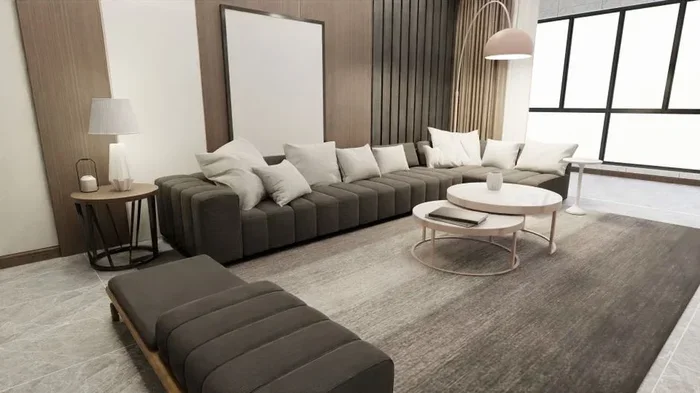
Modern design often uses warm neutrals as a clean base. Warm gray walls paired with white furniture and warm wood accents create a sleek yet cozy look. Add geometric patterns and minimalist decor to keep things feeling contemporary.
A modern warm living room benefits from warm lighting. Use floor lamps with warm bulbs and avoid harsh overhead lights. The lighting sets the tone and makes the warm colors glow. This style is perfect for those who want a cozy room without a cluttered feel.
Traditional Warm Living Room
Traditional style embraces rich, deep warm colors. Wine reds, deep golds, and warm browns create a formal yet inviting atmosphere. Pair these with dark wood furniture, velvet upholstery, and classic patterns like toile or damask.
In a traditional warm living room, symmetry matters. Arrange furniture in balanced pairs and use matching warm-toned accessories. This creates a polished, put-together look that feels both elegant and comfortable. It is a timeless approach that never goes out of style.
Common Mistakes to Avoid When Using Warm Colors
Warm colors are beautiful, but they can also cause problems if used incorrectly. Here are some common mistakes to watch out for when designing your warm living room.
Using Too Much of One Warm Color
Painting every wall in a bold warm shade can overwhelm a room. It can also make the space feel smaller and heavier than it is. Instead, use bold warm colors as accents. Let one wall or a few decor pieces carry the color, and keep the rest of the room balanced with warm neutrals.
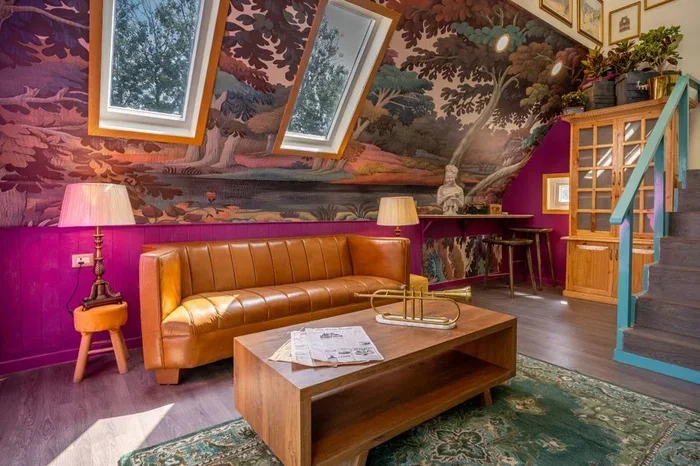
If you love a rich color like deep red or mustard, try using it on just the accent wall behind your sofa. This gives you the impact you want without the intensity of a fully colored room. You can always add more color gradually through accessories.
Ignoring Natural Light
Warm colors look different in every type of light. A room with lots of natural sunlight can handle deeper warm tones without feeling dark. A north-facing room with limited light may need lighter warm shades like soft cream or pale terracotta.
Before committing to a color, paint a large test patch on your wall. Observe it at different times of the day. Morning light, afternoon light, and evening light all change how a warm color appears. This simple step saves you from costly mistakes and ensures your warm living room colors look exactly the way you want.
Forgetting About the Ceiling and Trim
Many people focus only on wall color and forget about the ceiling and trim. If your walls are warm, consider using a lighter warm or crisp white for the ceiling. This creates a sense of height and keeps the room from feeling too enclosed. For trim, a warm white or cream tone ties everything together seamlessly.
A warm living room should feel cohesive from floor to ceiling. When all the elements work together, the room looks polished and intentional. Take the time to think about every surface, not just the walls.
Quick Tips for Adding Warmth Without Painting
Not ready to commit to a new paint color? There are many easy ways to bring warmth into your living room without lifting a paintbrush.
- Swap your curtains to warm-toned fabrics like linen or velvet in cream, terracotta, or mustard.
- Add a warm area rug under your seating area. This instantly grounds the room and adds texture.
- Use warm-toned lighting. Replace cool LED bulbs with warm white bulbs for an instant cozy glow.
- Incorporate warm wood accessories like picture frames, shelving, or a new coffee table.
- Layer in textured throws and pillows in warm earth tones. These small changes make a big difference.
- Add warm-toned art or prints to your walls. Look for pieces with golden, amber, or terracotta hues.
- Bring in real plants with warm-toned pots. Greenery adds life and warmth to any space.
These quick tips work especially well if you are renting or prefer not to make permanent changes. They also pair beautifully with any warm living room color scheme you eventually choose. Start with one or two changes and build from there.
Final Thoughts on Warm Living Room Colors
Creating a warm, inviting living room comes down to choosing the right colors and using them thoughtfully. Warm living room colors like terracotta, mustard, cream, and warm gray have the power to transform any space. They make rooms feel smaller, cozier, and more personal. Whether you prefer bold accents or soft neutrals, there is a warm palette that fits your style perfectly.
Remember to consider your lighting, furniture, and existing decor when choosing colors. Test samples before committing, and do not be afraid to mix warm tones with cool accents for a balanced look. The best living room is one that reflects who you are and makes you feel at home.
Start small if you need to. A warm throw blanket or a set of amber-toned lamps can shift the entire mood of your room. As you grow more confident, you can layer in bolder warm colors and textures. The journey to a cozy, warm living room is one of the most rewarding projects you can take on. Enjoy the process and trust your instincts.
For more inspiration on creating beautiful living spaces, check out our guide on aesthetic living room ideas. You will find even more warm palettes and styling tips to bring your vision to life. Also, explore our tips on how to style open shelves to display your warm-toned decor pieces beautifully. And for furniture that complements warm palettes, browse our collection of Italian living room furniture for timeless, warm wood pieces that elevate any space.
Frequently Asked Questions
What are the best warm living room colors for small spaces?
Lighter warm tones like soft cream, pale terracotta, and warm beige work best in small rooms. They add warmth without making the space feel cramped. Pair them with warm wood furniture and good lighting to keep the room feeling open and airy.
Can I mix warm living room colors with cool-toned furniture?
Absolutely. Mixing warm wall colors with cool-toned furniture creates a balanced, modern look. Try terracotta walls with a cool gray sofa or mustard walls with a sage green chair. The contrast adds visual interest while keeping the room feeling cohesive.
How do warm living room colors affect mood and energy?
Warm tones stimulate feelings of comfort, energy, and connection. They encourage conversation and make a room feel lively yet cozy. However, very bold warm colors can feel intense, so it is best to balance them with neutral elements and soft lighting.
What warm colors pair well with white furniture?
Cream, terracotta, and warm gray look stunning against white furniture. These warm living room colors create a fresh, clean look while still feeling inviting. Add warm wood accents and soft textiles to complete the warm and inviting atmosphere.
Are warm living room colors suitable for modern homes?
Yes, warm colors work beautifully in modern homes. Warm neutrals like warm gray and cream create a sleek, contemporary base. Pair them with minimalist furniture and warm lighting for a modern space that still feels welcoming and comfortable.
How can I test warm paint colors before committing?
Buy sample pots of your top choices and paint large swatches on your wall. Observe them in morning, afternoon, and evening light. Live with the samples for a few days to see how the warm tones feel in your space before making a final decision.