Stunning Wall Trim Ideas for Living Room You Will Love
Wall trim ideas for living room spaces can completely transform your home’s look and feel. From classic crown molding to modern farmhouse styles, the right trim adds depth, elegance, and architectural interest to any room. This guide covers the best trim types, colors, and installation tips to help you create a living room you will love.
Wall trim is one of the easiest and most affordable ways to refresh your living room. Whether you are updating a rental or renovating a family home, adding trim can make a huge difference. It frames your walls, adds dimension, and gives the room a finished, polished look.
If you have been staring at bare walls and feeling stuck, trim is the answer. It is a simple design element that packs a big punch. In this article, we will explore the best wall trim ideas for living room spaces, from classic options to trendy modern styles. You will learn about different types of trim, how to choose the right one, and tips for installation.
So grab a coffee and let us dive in. By the end of this guide, you will have plenty of inspiration and practical advice to get started.
Key Takeaways
- Wall trim adds architectural interest: Even simple trim can elevate a plain room into something special and eye-catching.
- Many styles are available: From classic to modern, there is a trim style for every home decor preference.
- Color matters: Choosing the right trim color can make your walls pop or create a subtle, cohesive look.
- Installation is doable DIY: With the right tools and patience, you can install wall trim yourself and save money.
- Trim pairs well with other decor: Combining trim with accent pieces and wall art creates a polished, designed space.
- Mixing styles works: Don’t be afraid to blend traditional and modern trim for a unique, personalized look.
📑 Table of Contents
- Why Wall Trim Matters in Your Living Room
- Types of Wall Trim for Living Rooms
- Choosing the Right Trim Style for Your Living Room
- Best Trim Colors and Finishes
- Combining Wall Trim with Other Living Room Elements
- Installing Wall Trim: Tips and Tricks
- Common Mistakes to Avoid with Wall Trim
- Expert Insights on Wall Trim Trends
- Key Takeaways
- Final Thoughts on Wall Trim Ideas for Living Room
Why Wall Trim Matters in Your Living Room
Wall trim is more than just a decorative detail. It serves both a functional and aesthetic purpose in your home. Trim protects walls from damage, especially in high-traffic areas where furniture or doors might cause scuffs and marks. But more than that, it adds character and style to any room.
Think of wall trim as the jewelry for your living room. Just like a nice necklace or a pair of earrings can complete an outfit, trim completes a wall. Without it, walls can look flat and unfinished. With the right trim, they instantly feel more designed and intentional.
Another great thing about trim is its versatility. You can go classic with detailed molding, keep it minimal with clean lines, or get bold with painted contrasts. No matter your style, there is a trim option that will work for you. It is also a budget-friendly way to update your space without a full renovation.
Types of Wall Trim for Living Rooms
Not all trim is the same. There are many different types, each with its own look and feel. Let us break down the most popular options so you can find the perfect fit for your space.
Baseboards
Baseboards are the trim pieces that run along the bottom of your walls where they meet the floor. They are the most common type of trim and come in many styles. Simple baseboards give a clean, modern look, while ornate ones add a traditional feel. Baseboards protect your walls from kicks and sweeps, making them both practical and decorative.
Crown Molding
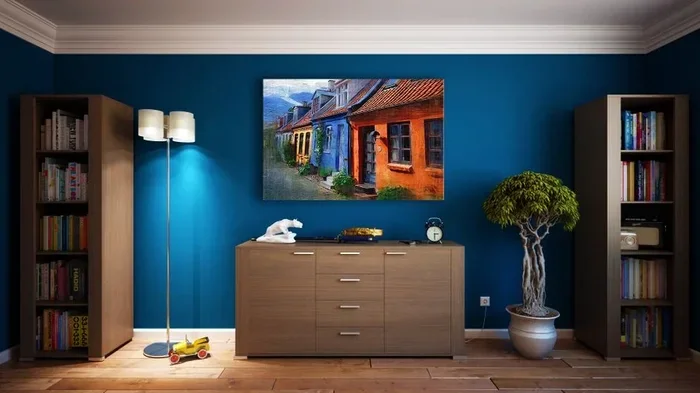
Crown molding sits at the top of your walls where they meet the ceiling. It is a classic choice that adds elegance and height to a room. Crown molding works beautifully in living rooms because it draws the eye upward and makes the space feel larger. You can choose simple profiles for a modern look or detailed designs for a more traditional vibe.
Chair Rail Molding
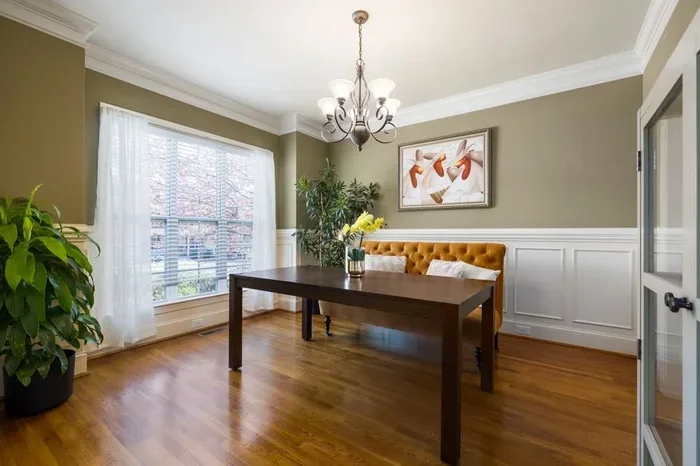
Chair rail molding runs horizontally about a third of the way up the wall. Originally, it was used to protect walls from chair backs. Today, it is a popular design element that divides wall space and adds visual interest. You can paint the upper and lower sections different colors for a striking effect.
Wainscoting and Paneling
Wainscoting refers to wooden panels that cover the lower portion of a wall. It adds texture and depth in a way that flat trim cannot. Paneling is similar but often covers more of the wall. Both options create a cozy, layered look that works well in living rooms. They pair especially well with farmhouse and rustic decor styles.
Picture Rail Molding
Picture rail molding is a thin strip installed near the ceiling. It is designed to hang pictures and artwork without damaging the wall. This type of trim is perfect for living rooms where you want to display art. It adds a subtle architectural detail without being too overpowering.
Choosing the Right Trim Style for Your Living Room
With so many trim styles out there, how do you pick the right one? The answer depends on your personal taste, your home’s architecture, and the overall decor you are going for. Here are some tips to help you decide.
Consider Your Home’s Architecture
The style of your home should guide your trim choices. Victorian and colonial homes look best with detailed, ornate molding. Mid-century and modern homes pair well with simple, clean-lined trim. If you live in a farmhouse or ranch-style home, you have more flexibility to mix and match.
Match Your Decor Theme
Your trim should complement your overall decor, not clash with it. If your living room has a minimalist aesthetic, choose simple trim profiles. For a more eclectic look, you can mix different trim types on the same wall. Accent pieces like trim can tie a room together and make the design feel cohesive.
Think About Scale
The size of your living room matters when choosing trim. Large rooms can handle bigger, more detailed molding. Small rooms benefit from simpler, more delicate trim that won’t overwhelm the space. Also consider ceiling height. If you have low ceilings, avoid heavy crown molding that can make the room feel cramped.
Mix and Match with Confidence
You do not have to stick with just one type of trim. Many stunning living rooms combine baseboards, chair rails, and crown molding for a layered look. The key is to keep the profiles consistent. For example, if your baseboards have a rounded edge, choose chair rail and crown molding with similar curves. This creates harmony while adding visual depth.
Best Trim Colors and Finishes
Color plays a huge role in how your trim looks in the living room. The wrong color can make even the best trim look out of place. The right color, on the other hand, can make the entire room feel complete.
Classic White Trim
White is the most popular trim color for good reason. It is clean, versatile, and works with almost any wall color. Bright white creates a crisp, modern contrast, while creamy white offers a softer, warmer feel. Most designers agree that white trim gives a room a polished, finished look.
Painted Trim for a Bold Statement
Why keep trim the same color as your walls? Painting trim a different shade adds depth and definition. Dark trim, like charcoal or navy, creates a dramatic, sophisticated look. Lighter trim, like soft gray or sage green, adds a subtle pop without overwhelming the room. For a aesthetic living room feel, try painting trim in a contrasting color that matches your accent palette.
Natural Wood Finishes
If you love a warm, rustic vibe, natural wood trim is a beautiful option. Unfinished or lightly stained wood trim adds texture and organic charm. This look works especially well in farmhouse, boho, and Japandi-style living rooms. Just make sure the wood grain complements your other furniture pieces.
Matte vs. Satin vs. Gloss Finish
The finish of your trim matters just as much as the color. Matte finishes hide imperfections and give a modern, understated look. Satin finishes have a soft sheen and are easy to clean, making them a great all-around choice. Gloss finishes are shiny and reflective, which makes them perfect for traditional or formal spaces. For most living rooms, satin is the safest and most versatile option.
Combining Wall Trim with Other Living Room Elements
Wall trim does not exist in isolation. It works best when it is thoughtfully combined with other elements in your living room. Here is how to make trim part of a bigger design vision.
Pair Trim with Wall Art and Shelves
Trim creates natural frames for wall art and shelves. Crown molding above a gallery wall adds a gallery-like feel. Chair rail molding pairs beautifully with open shelves, creating a structured backdrop for displayed items. Styling open shelves becomes even easier when you have built-in trim to anchor the display. You can place trim-mounted shelves at the perfect height for showcasing books, plants, and decor objects.
Use Trim to Define Zones
In open-concept living rooms, trim can help define different areas. A chair rail or wainscoting panel can visually separate a seating area from a dining space. This trick works especially well in studio apartments or loft-style layouts. It adds structure without building walls or using furniture as dividers.
Coordinate Trim with Furniture and Flooring
Your trim should relate to the other elements in the room. If you have dark wood floors, consider wood trim in a similar tone. If your furniture has clean, straight lines, choose simple trim profiles. The goal is for everything to feel connected, not competing for attention.
Add Trim Around Windows and Doors
Do not forget about window and door trim! Casing around doors and windows completes the wall trim look. It creates a polished, professional finish that ties the whole room together. Window trim is especially important because windows are focal points in most living rooms. Well-framed windows draw the eye and make the space feel more put-together.
Installing Wall Trim: Tips and Tricks
You do not need to hire a professional to install wall trim. With some basic tools and a little patience, you can do it yourself. Here are some tips to make the process smoother.
Gather Your Tools
You will need a miter saw or miter box, a nail gun or finishing nails, a level, a tape measure, caulk, and paint. A coped joint cutter is also helpful for inside corners. Having the right tools makes a big difference in the quality of your finished trim.
Measure Twice, Cut Once
This old woodworking saying is especially true for trim. Measure every piece carefully before cutting. Small mistakes in measurement can lead to gaps or uneven joints. Take your time, and the results will be much cleaner.
Prepare Your Walls First
Before installing trim, make sure your walls are clean, dry, and smooth. Fill any holes or cracks with spackle and sand them down. This ensures the trim adheres properly and looks smooth once installed. If you are painting, do the walls first and then install the trim for cleaner lines.
Use Caulk for Seamless Joints
Even with careful cutting, small gaps can appear at joints. Apply a thin bead of caulk along seams and corners, then smooth it with a damp finger. Once dry, caulk creates an invisible transition between pieces. This small step makes a huge difference in the final look.
Paint After Installation
Always paint trim after it is installed. This lets you paint right up to the edges without worrying about getting paint on your walls. Use a small angled brush for clean lines along the wall and ceiling edges. Two thin coats always look better than one thick coat.
Common Mistakes to Avoid with Wall Trim
Even with the best intentions, people make mistakes when adding trim to their living rooms. Here are some common pitfalls to watch out for.
- Choosing trim that is too small for the room: Tiny trim in a large room looks lost and insignificant. Scale your trim to match the size of your space.
- Ignoring the ceiling height: Thick crown molding in a room with low ceilings can make the space feel even smaller. Choose simpler profiles for lower ceilings.
- Skipping the level: Uneven trim looks sloppy and unprofessional. Always use a level when marking and installing trim pieces.
- Painting before caulking: Skipping caulk leaves visible seams that ruin the clean look. Always caulk before painting for a seamless finish.
- Matching trim to baseboards too perfectly: While consistency is good, exact matching can look too matchy. Varying the size slightly adds visual interest.
Avoiding these mistakes will save you time, money, and frustration. The result will be a beautifully trimmed living room that looks professional and polished.
Expert Insights on Wall Trim Trends
Interior designers agree that wall trim is making a big comeback. After years of minimal, trim-free walls, homeowners are rediscovering the charm of molding and paneling. The trend is toward mixing traditional elements with modern sensibilities. For example, industrial living room furniture pairs beautifully with simple, black metal trim for an edgy, urban look. Similarly, wainscoting has become a favorite for those seeking a cozy, layered aesthetic in their living spaces.
Designers also recommend thinking of trim as part of your overall color palette. Rather than treating trim as an afterthought, choose its color with your wall color, furniture, and accessories in mind. This holistic approach creates a room that feels intentionally designed from every angle.
Key Takeaways
- Wall trim adds architectural interest: Even simple trim can elevate a plain room into something special and eye-catching.
- Many styles are available: From classic to modern, there is a trim style for every home decor preference.
- Color matters: Choosing the right trim color can make your walls pop or create a subtle, cohesive look.
- Installation is doable DIY: With the right tools and patience, you can install wall trim yourself and save money.
- Trim pairs well with other decor: Combining trim with accent pieces and wall art creates a polished, designed space.
- Mixing styles works: Do not be afraid to blend traditional and modern trim for a unique, personalized look.
Final Thoughts on Wall Trim Ideas for Living Room
Wall trim is one of the simplest and most effective ways to upgrade your living room. Whether you choose classic crown molding, modern chair rails, or rustic wainscoting, the right trim adds character, depth, and style to your space. It is a small investment that makes a big impact.
Start by choosing a style that fits your home and your taste. Pick colors that complement your existing decor. And do not be afraid to get creative with placement and combinations. The best living rooms are the ones that reflect the personality of the people who live in them.
With the ideas and tips in this guide, you are ready to transform your living room with beautiful wall trim. Your space will look more polished, more designed, and more like home. Happy trimming!
Frequently Asked Questions
What is the best wall trim for a small living room?
For small living rooms, choose simple, slim-profile trim that won’t overwhelm the space. Flat baseboards and thin crown molding work best. Light colors like white or soft gray make the room feel larger. Avoid heavy, ornate styles that can make a small room feel cramped.
Can I install wall trim myself?
Yes, wall trim installation is a great DIY project for beginners. You need basic tools like a miter saw, nail gun, level, and caulk. Measure carefully, take your time with cuts, and always use a level. The process is straightforward, and there are many online tutorials to guide you step by step.
What color should wall trim be in the living room?
White is the most popular and versatile trim color. It works with any wall color and gives a clean, classic look. For a bolder statement, try painting trim in a contrasting color like charcoal, navy, or sage green. Natural wood finishes also work beautifully for a warm, organic feel.
How do I style shelves with wall trim?
Wall trim creates a beautiful backdrop for shelves. Install chair rail molding or picture rail molding at the desired height, then mount shelves above or below it. This creates a structured, gallery-like display area. Add accent pieces like plants, books, and small decor objects for a styled look.
What is the difference between baseboards and crown molding?
Baseboards run along the bottom of the wall where it meets the floor. They protect the wall from damage and ground the room visually. Crown molding sits at the top of the wall where it meets the ceiling. It draws the eye upward and adds elegance and height to the space.
How much does it cost to add wall trim to a living room?
The cost depends on the type of trim, the size of your room, and whether you hire a professional or DIY. Material costs typically range from $1 to $10 per linear foot. If you install it yourself, you only pay for materials and basic tools. Professional installation adds labor costs but ensures a flawless finish.
=== CONCLUSION ===
Wall trim ideas for living room spaces offer endless possibilities for refreshing and redesigning your home. From choosing the right type of molding to picking the perfect color, every decision contributes to the final look. The beauty of wall trim is that it is affordable, customizable, and incredibly impactful.
Whether you prefer the timeless elegance of crown molding, the cozy charm of wainscoting, or the clean lines of modern baseboards, there is a trim solution for you. Take your time, plan your design, and enjoy the process of transforming your living room. The results will be worth every effort.