Living Room Layout With Sectional Design Inspiration
A living room layout with sectional can completely change how your space feels and functions. Whether you have a small apartment or a large open floor plan, the right sectional arrangement creates a cozy, inviting atmosphere. This guide covers design inspiration, furniture placement tips, and common mistakes to avoid. You will learn how to choose the perfect sectional, arrange it for the best traffic flow, and style your room like a pro. Let us dive into the best living room layout with sectional ideas for every home.
A living room layout with sectional can truly transform how your home feels and works. Sectional sofas have become the go-to choice for many homeowners because they offer plenty of seating and a laid-back vibe. But placing one in your room is not just about pushing it against a wall. The right arrangement affects how you move through the space, how you entertain guests, and how comfortable your daily life feels.
In this guide, we will walk you through everything you need to know about designing a living room layout with sectional that looks great and functions well. From choosing the right shape to styling with accessories, you will find practical tips and design inspiration you can use right away. Let us explore the best ideas for making your sectional the centerpiece of your living room.
Key Takeaways
- Choose the right sectional shape: L-shaped, U-shaped, and modular sections each suit different room sizes and layouts.
- Focus on the focal point: Arrange your sectional around a fireplace, TV, or window to create a natural conversation area.
- Prioritize traffic flow: Leave enough space between furniture pieces so movement feels easy and the room does not feel cramped.
- Use an area rug and coffee table wisely: These pieces anchor the seating group and tie the whole room together.
- Avoid common mistakes: Pushing the sectional against the wall is not always the best choice, and oversized furniture can overwhelm small rooms.
- Style with accessories: Throw pillows, blankets, and lighting add warmth and personality to your living room layout with sectional setup.
📑 Table of Contents
- Why a Sectional Sofa Works So Well in Living Rooms
- Best Sectional Shapes for Different Room Layouts
- How to Arrange Your Sectional for the Best Layout
- Choosing the Right Coffee Table and Accessories
- Common Mistakes to Avoid in Living Room Layout
- Expert Tips for Styling Your Sectional Living Room
- Conclusion
Why a Sectional Sofa Works So Well in Living Rooms
A sectional sofa offers many benefits that traditional sofa and chair combos simply cannot match. First, they provide generous seating for families and guests alike. Second, they create a natural anchor point for the entire room. Third, they come in many shapes and sizes, so there is a fit for almost any space.
Here are some key reasons a living room layout with sectional works so well:
- Seating capacity: A sectional comfortably seats five or more people, making it ideal for movie nights and gatherings.
- Built-in conversation area: The curved design of many sectionals naturally invites people to sit together and talk.
- Space efficiency: Instead of buying a sofa, loveseat, and multiple chairs, one sectional covers all your seating needs.
- Style flexibility: Sectionals come in modern, traditional, and mid-century styles, so they fit many design aesthetics.
- Customization: Modular sectionals let you add or remove pieces as your needs change.
Understanding Your Room Before You Buy
Before you choose a sectional, take time to measure your room and think about how you use the space. A large open floor plan needs a different approach than a small apartment living room. Consider the following questions:
- What is the primary use of the room? Is it for relaxing, entertaining, or both?
- Where is the main focal point, such as a fireplace or television?
- How many people regularly use the living room?
- Do you need extra storage or a workspace in the same area?
Answering these questions helps you pick the right sectional couch layout and avoid buying furniture that does not fit. Always measure your room dimensions and sketch a rough floor plan before shopping. This simple step saves time, money, and frustration.
Best Sectional Shapes for Different Room Layouts
Not all sectionals are the same, and the shape you choose has a big impact on your living room layout with sectional. Each shape offers different benefits depending on your room size and seating needs.
L-Shaped Sectionals
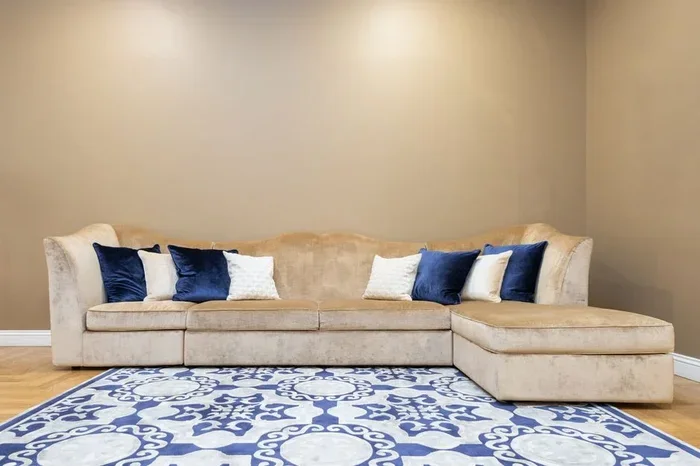
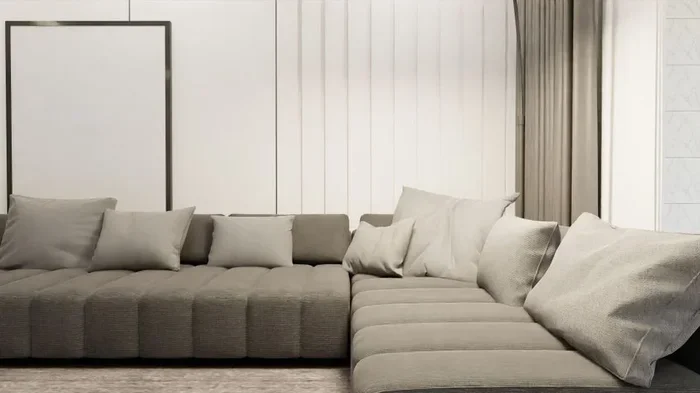
The L-shaped sectional is the most popular choice for living room layout with sectional designs. It fits snugly into a corner and creates a defined seating area. This shape works well in both medium and large rooms. It also leaves plenty of floor space for a coffee table and side tables.
Place an L-shaped sectional so the longer side faces the room and the shorter side anchors the corner. This arrangement opens up walkways and makes the room feel balanced. Pair it with a rectangular area rug under the seating group to ground the furniture visually.
U-Shaped Sectionals
A U-shaped sectional wraps around three sides of a room, creating a cozy and enclosed seating area. This shape is perfect for large living rooms and families who love to gather together. The seating arrangement naturally encourages conversation because everyone faces inward.
However, a U-shaped sectional can overwhelm a small room. If your space is under 300 square feet, consider a smaller modular option instead. The key is to ensure there is enough room flow around the furniture so people can move freely.
Modular Sectionals
Modular sectionals are made up of separate pieces that you can rearrange in many ways. This makes them incredibly versatile for different living room design ideas. You can start with a basic configuration and add pieces later as your needs change.
Modular sectionals work especially well in open floor plan homes. You can shift the pieces to define different zones, such as a seating area and a reading nook. This flexibility is one of the biggest advantages of a modular sectional sofa arrangement.
How to Arrange Your Sectional for the Best Layout
Placing your sectional in the right position makes all the difference. A thoughtful furniture placement strategy improves both the look and function of your living room. Here are proven methods for arranging your sectional.
Anchor Around the Focal Point
Every room needs a focal point, and your sectional should face it. The focal point could be a fireplace, a television, a large window, or even a piece of wall art. When your living room layout with sectional centers on a focal point, the room feels intentional and balanced.
For example, if your room has a fireplace, position the sectional so the seating faces it. Place the chaise or corner piece toward the fireplace to create a natural gathering spot. Add a coffee table in front of the seating to complete the setup.
Create a Conversation Area
A good conversation area encourages people to sit together and interact. To create one, arrange your sectional so seats face each other at a comfortable distance. Add a couple of accent chairs opposite the sectional to complete the grouping.
Keep the distance between seats around five to eight feet. This is close enough for easy conversation but far enough to feel comfortable. An area rug underneath the seating group helps define the conversation area and adds warmth to the room.
Balance the Room with Side Tables and Lighting
Do not forget the smaller pieces that make a big difference. Side tables next to the sectional give everyone a place for drinks and lamps. Floor lamps or table lamps add layers of light that make the room feel warm and inviting.
Place a side table at each end of the sectional and at least one near the accent chairs. This ensures everyone has easy access to a surface. Good lighting also enhances the furniture arrangement and highlights your design style.
Choosing the Right Coffee Table and Accessories
The coffee table and accessories you choose complete your living room layout with sectional. These pieces add function, style, and personality to the room. Here is how to pick and style them effectively.
Selecting the Right Coffee Table
Your coffee table should be proportional to the sectional. A general rule is to leave about 16 to 18 inches between the table edge and the sofa seats. This gives people enough legroom while keeping the table within easy reach.
Choose a table shape that complements the sectional shape. A rectangular table pairs well with an L-shaped sectional. A round table softens the look of a U-shaped configuration. For modular setups, a smaller nesting table set offers flexibility.
Styling with Throw Pillows and Blankets
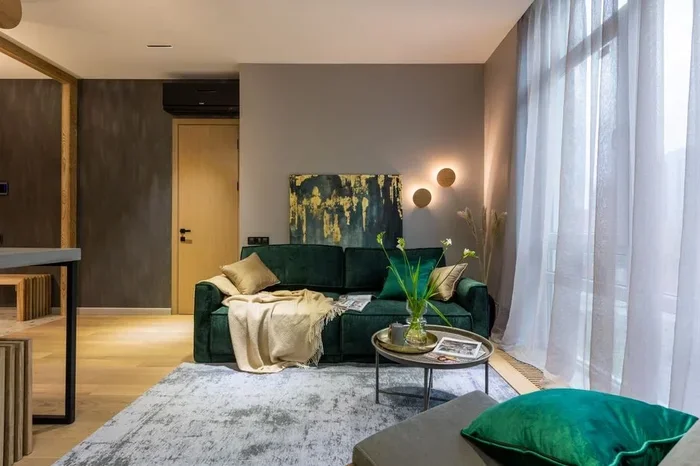
Throw pillows and blankets are simple but powerful tools for styling a sectional couch layout. They add color, texture, and comfort to the seating area. Use a mix of sizes and textures to create visual interest.
Start with two or three large pillows on the main seating, then add smaller accent pillows in coordinating colors. Drape a soft blanket over one arm of the sectional for a cozy, lived-in look. Stick to a color palette that matches your living room design ideas for a polished finish.
Adding an Entertainment Center
If your focal point is the television, position the sectional so everyone has a clear view. A media console or entertainment center below the TV keeps devices and remotes organized. Choose a unit that is low and long enough to avoid blocking the view from any seat.
For a more modern look, consider a floating TV mount and a sleek media console. This approach keeps the room proportions balanced and prevents bulky furniture from weighing down the space.
Common Mistakes to Avoid in Living Room Layout
Even the best living room layout with sectional can go wrong if you make common mistakes. Avoid these pitfalls to ensure your room looks and feels its best.
Pushing the Sectional Against the Wall
Many people assume the sectional must sit flush against the wall. While this works in very small rooms, it is not always the best choice. Pulling the sectional a few inches away from the wall creates a more relaxed and inviting feel. It also allows you to place a console table behind the sofa for extra style and storage.
Choosing a Sectional That Is Too Large
An oversized sectional can make a room feel cramped and overwhelming. Measure your space carefully before buying, and leave at least 30 inches of clearance around the sectional for walkways. A modular sectional is a great option if you want flexibility in size and shape.
Ignoring Traffic Flow
Good traffic flow is essential for a functional living room. Make sure there are clear paths between the sectional, entry doors, and other furniture pieces. A layout that blocks movement feels frustrating and makes the room seem smaller than it is.
Forgetting About Scale and Proportion
The scale of your furniture should match the size of the room. A large sectional in a tiny apartment creates a cluttered feel. Conversely, a small loveseat in a spacious room looks lost and unbalanced. Always consider room proportions when planning your furniture arrangement.
Expert Tips for Styling Your Sectional Living Room
Professional interior designers use a few tricks to make living room layout with sectional spaces look polished and intentional. Here are some expert tips you can apply in your own home.
Layer Your Rugs
Placing an area rug under the sectional defines the seating zone and adds texture to the floor. Choose a rug that is large enough to fit at least the front legs of all seating pieces on it. This creates a cohesive look and makes the room feel put together.
Use a Mix of Heights
Varying the height of furniture and decor adds visual interest to the room. Pair a low-profile sectional with tall floor lamps and a medium-height coffee table. This layering effect makes the space feel dynamic and well-designed.
Add Personal Touches
Your living room should reflect your personality. Display family photos, artwork, or travel souvenirs on shelves and side tables. Personal touches make the space feel warm and uniquely yours, turning a simple sectional sofa arrangement into a true home.
Keep It Simple
Sometimes less is more. A clean and uncluttered layout lets the sectional shine as the main piece in the room. Focus on quality over quantity when selecting furniture and accessories for your living room design ideas.
Conclusion
Designing a living room layout with sectional does not have to be complicated. Start by choosing the right sectional shape for your room size and needs. Arrange the furniture around a clear focal point, and make sure the traffic flow feels natural and easy. Add the right coffee table, accessories, and lighting to complete the look.
Avoid common mistakes like pushing the sectional against the wall or choosing furniture that is too large. Use the expert tips in this guide to create a space that is both beautiful and functional. With the right living room layout with sectional, your living room can become the most comfortable and inviting room in your home. Start planning your design today and enjoy the process of building a space you truly love.
Frequently Asked Questions
What is the best sectional layout for a small living room?
An L-shaped or compact modular sectional works best for small living rooms. These shapes fit into corners and leave more floor space for movement. Choose a sectional with a shorter chaise or skip it entirely to keep the room feeling open and airy.
How far should a coffee table be from a sectional sofa?
Leave about 16 to 18 inches between the edge of the sectional seats and the coffee table. This distance allows comfortable legroom and easy movement. Make sure the table is low enough to maintain a clear sightline across the room.
Can I place a sectional in the middle of the room instead of against a wall?
Yes, placing a sectional in the middle of the room can create a cozy conversation area. This works especially well in large open floor plan spaces. Just make sure there is enough walkways around the furniture so the room does not feel blocked.
What type of sectional is best for families with kids and pets?
Durable fabrics like microfiber or performance leather are the best choices for families with kids and pets. Modular sectionals are also a great option because you can replace or rearrange individual pieces as needed. Look for sectionals with removable and washable covers for easy cleaning.
How do I choose the right size sectional for my living room?
Measure your room dimensions and sketch a floor plan before shopping. Leave at least 30 inches of clearance around the sectional for walkways. A good rule of thumb is to use no more than two-thirds of the wall length for the sectional to maintain balance.
What accessories work best with a sectional living room layout?
Throw pillows, blankets, and an area rug are the top accessories for a sectional setup. Add side tables and floor lamps for function and style. Personal touches like artwork and plants complete the look and make the space feel inviting and warm.