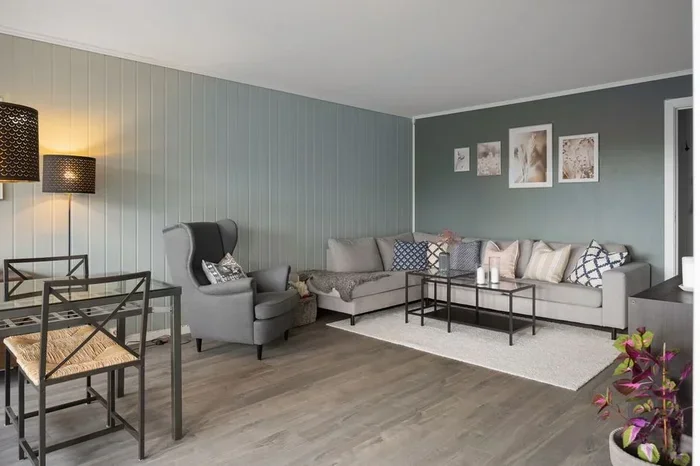
Stunning Wall Painting Art for Living Room Inspiration
Wall painting art for living room spaces can completely transform the feel and style of your home. Whether you prefer bold murals, elegant abstracts, or simple accent pieces, the right wall art brings personality and warmth to any room. In this guide, you will learn proven techniques, popular styles, and practical tips to choose and display the perfect wall paintings for your living room.
Your living room walls are a blank canvas waiting to tell your story. Wall painting art for living room spaces does more than fill empty space. It sets the mood, adds color, and gives your home a sense of identity. Whether you are moving into a new place or refreshing your current setup, the right wall art can make a huge difference.
Many people underestimate how much wall paintings can change a room. A single large piece or a curated gallery wall can turn a plain room into a stunning space. The key is knowing what works, where to place it, and how to style it. This guide covers everything you need to know about choosing, styling, and enjoying living room wall art that truly reflects you.
Below, you will find detailed sections on popular styles, color strategies, placement tips, and common mistakes to avoid. You will also discover practical ideas you can use right away. Let us dive in and explore the world of decorative wall art for your living space.
Key Takeaways
- Wall painting art for living room spaces sets the tone: The right art creates a focal point and defines your room’s personality.
- Multiple styles work for every taste: From modern abstracts to traditional murals, there is a wall painting style for everyone.
- Color choice matters a lot: Matching your wall art with your existing decor creates a cohesive and polished look.
- Placement and styling make a difference: Hanging art at the right height and pairing it with shelves or furniture boosts visual impact.
- DIY options save money and add charm: Hand-painted walls and stencil designs let you create unique living room wall art on a budget.
- Mix and match for depth: Combining different art pieces creates a layered, curated look that feels intentional and stylish.
📑 Table of Contents
- Why Wall Painting Art Matters in Your Living Room
- Popular Styles of Wall Painting Art for Living Rooms
- How to Choose the Right Colors for Your Wall Art
- Placement and Styling Tips for Maximum Impact
- DIY Wall Painting Ideas You Can Try at Home
- Common Mistakes to Avoid When Choosing Wall Art
- Final Thoughts on Wall Painting Art for Living Room Spaces
Why Wall Painting Art Matters in Your Living Room
Walls take up the most visual space in any room. When they are bare or boring, the whole room feels incomplete. Wall painting art for living room areas fixes this instantly. Art draws the eye, creates a focal point, and anchors the furniture layout around it.
Think about it. When guests walk into your living room, what do they notice first? Usually, it is the biggest statement piece on the wall. That is the power of accent wall art. It tells a story before anyone says a word. A colorful mural or a striking abstract piece sets the emotional tone for the entire space.
Creating a Focal Point
Every well-designed room needs a focal point. This is the element that captures attention and gives the eye a place to rest. Wall art for walls above your sofa or fireplace makes a perfect focal point. It ties the furniture arrangement together and gives the room a sense of purpose.
Without a focal point, rooms can feel scattered and unplanned. A well-chosen canvas art piece or a hand-painted mural gives the room structure. Your furniture and accessories then support that central piece, creating a harmonious flow throughout the space.
Adding Personality and Character
Your home should feel like you. Hand painted walls and unique art pieces express who you are in a way that furniture alone cannot. Maybe you love bold, colorful expressionism. Or perhaps you prefer minimalist line drawings. Either way, artistic wall decor lets your personality shine through.
Many people settle for generic store-bought prints because they do not know where to start. But the beauty of wall painting art for living room projects is that there are no rules. You can mix styles, play with colors, and create something truly one-of-a-kind. The more personal it feels, the more your guests will notice and appreciate it.
Popular Styles of Wall Painting Art for Living Rooms
The world of living room wall art is incredibly diverse. Each style brings a different energy and vibe. Let us explore the most popular options so you can find what resonates with you.
Abstract Wall Art
Abstract wall painting designs are among the most beloved choices for modern living rooms. They use shapes, colors, and textures to evoke emotion without depicting a specific subject. A large abstract piece above a sofa instantly adds sophistication and visual interest.
Abstract art works beautifully in rooms with neutral furniture. It adds a pop of color without overwhelming the space. If you are unsure where to start, abstract pictures for living room themes offer endless inspiration. You can find pieces in every color palette, from soft pastels to bold, vibrant hues.
Murals and Hand-Painted Walls
Nothing beats the impact of a full wall mural. Hand-painted walls turn an entire surface into a work of art. Whether you choose a landscape scene, geometric patterns, or botanical motifs, murals create an immersive feel that no print can match.
Murals work best in rooms with high ceilings and plenty of natural light. They make a bold statement and become the centerpiece of the entire space. If you are handy with a paintbrush, you can even create your own hand painted walls design. Many homeowners love the satisfaction of a custom mural that no one else has.
Minimalist and Line Art
For those who prefer a clean, understated look, minimalist wall hanging art is a perfect choice. Simple line drawings, geometric shapes, and monochrome palettes create a calm and refined atmosphere. This style pairs especially well with modern wall art furniture and Scandinavian-inspired interiors.
Minimalist art does not mean boring. A single, well-placed line drawing can be just as powerful as a large colorful piece. The trick is in the placement and the negative space around it. Less truly is more when it comes to this style of wall painting art for living room design.
Gallery Walls
A gallery wall is a collection of smaller art pieces arranged together on one wall. This approach allows you to mix different sizes, frames, and styles for a layered, curated look. Gallery walls are incredibly popular in aesthetic living room decor because they add depth and visual complexity.
You can combine framed prints, canvas pieces, and even small shelves to display mini artworks. The key to a successful gallery wall is balance. Start by arranging pieces on the floor first, then transfer the layout to the wall. This saves time and ensures a polished result every time.
How to Choose the Right Colors for Your Wall Art
Color is one of the most powerful tools in wall painting art for living room design. The right palette creates harmony, while the wrong choices can clash with your entire room. Here is how to make smart color decisions.
Match Your Room’s Existing Palette
Start by looking at the dominant colors in your room. What are the wall colors, sofa fabric, and rug tones? Your home wall art should complement these existing elements. You do not need an exact match, but the colors should work together naturally.
For example, if your room has warm beige walls and a terracotta sofa, consider art with warm orange, cream, and brown tones. This creates a cohesive feel that looks intentional and well thought out. A quick way to find matching colors is to pull a shade from your sofa or rug and find art that includes that exact tone.
Use Bold Colors to Create Contrast
Sometimes the best approach is to go bold. A vibrant colorful wall art piece in a neutral room creates a stunning contrast. This technique works especially well for accent wall art above a fireplace or on a feature wall.
Bold art adds energy and excitement to a space. It also gives you the freedom to keep the rest of the room simple and calm. The art becomes the star, and everything else supports it. This is a tried-and-true approach in aesthetic 90s living room and mid-century modern design styles.
Consider the Mood You Want to Create
Different colors evoke different emotions. Cool blues and greens create a calming, peaceful atmosphere. Warm reds and yellows bring energy and warmth. Neutral tones like white, gray, and beige offer a clean, sophisticated look.
Before you buy any piece, ask yourself what feeling you want your room to have. Do you want a cozy retreat or an energetic social space? Your answer will guide your color choices and help you select wall painting designs that enhance the mood you are going for.
Placement and Styling Tips for Maximum Impact
Choosing great wall painting art for living room pieces is only half the battle. How and where you place them matters just as much. Poor placement can make even the best art look lost or out of place. Follow these tips to get the most out of your wall art.
Hang Art at Eye Level
The general rule is to hang art so the center is at about 57 to 60 inches from the floor. This is the average eye level for most people. When art hangs too high, it feels disconnected from the room. When it hangs too low, it can make the ceiling feel lower.
For furniture groupings, center the art above the sofa or console table. Leave about 6 to 10 inches between the top of the furniture and the bottom of the frame. This gap creates a clean, balanced look that ties the art to the furniture below it.
Pair Art with Functional Furniture
One of the best ways to style wall art for walls is to pair it with functional furniture pieces. A console table below a large painting adds both utility and visual balance. Shelves next to art create a layered display that feels curated and intentional.
If you have open shelves, try how to style open shelves living room techniques by placing small art pieces or framed prints alongside books and plants. This creates a dynamic display that draws the eye across the entire wall. You can also add accent pieces for living room like decorative bowls or candles on the shelves to complete the look.
Create Balance with Symmetry or Asymmetry
Symmetrical arrangements feel formal and orderly. They work well in traditional and classic interiors. Place two matching pieces on either side of a fireplace or sofa for a balanced, elegant look.
Asymmetrical arrangements feel more casual and dynamic. They work well in modern and eclectic spaces. Try hanging a large piece on one side and a cluster of smaller pieces on the other. The visual weight should feel balanced even though the arrangement is not identical on both sides.
DIY Wall Painting Ideas You Can Try at Home
Not ready to buy expensive art? Creating your own wall painting art for living room projects can be incredibly rewarding. DIY art saves money and gives you complete creative control. Plus, there is nothing quite like the pride of decorating your home with something you made yourself.
Stenciling for Beginners
Stenciling is one of the easiest ways to create beautiful wall painting designs at home. You can buy stencil kits at most craft stores or online. Simply tape the stencil to your wall, apply paint with a roller or brush, and remove the stencil to reveal a clean pattern.
Geometric shapes, botanical outlines, and abstract wave patterns are popular stencil designs. They look professional but are surprisingly simple to execute. Start with a small section of wall to practice before committing to a larger area.
Freehand Painting for the Adventurous
If you are feeling bold, freehand painting lets you create truly unique living room wall art. You do not need to be a professional artist to get great results. Simple shapes, abstract splashes, and organic lines all work well for beginners.
Start by sketching your design lightly with chalk. This makes it easy to adjust before you commit to paint. Use high-quality acrylic paint for the best results on walls. And remember, imperfect lines and organic shapes often look more charming and authentic than rigid precision.
Using Washers and Found Objects
Not all wall painting art for living room needs to be painted directly on the wall. You can create textured art using washers, fabric, or found objects mounted on canvas. This approach adds a tactile, three-dimensional quality that standard flat art cannot match.
Many aesthetic living room ideas incorporate mixed-media wall art. Combining paint, fabric, and natural materials creates a rich, layered look that feels both modern and organic. This is a wonderful way to express your creativity while adding texture and depth to your walls.
Common Mistakes to Avoid When Choosing Wall Art
Even with the best intentions, many people make mistakes when selecting and hanging wall painting art for living room pieces. Avoiding these common pitfalls will save you time, money, and frustration.
Choosing Art That Is Too Small
One of the most frequent mistakes is picking art that is too small for the wall. A tiny piece floating on a large wall looks lost and unfinished. As a general rule, your art should cover about two-thirds to three-quarters of the furniture it hangs above.
If you have a large sofa, consider a wide piece or a gallery wall arrangement. This fills the space appropriately and creates the visual impact you are looking for. Properly sized living room wall art makes the room feel complete and balanced.
Ignoring the Room’s Lighting
Lighting plays a huge role in how your wall art looks. A beautifully painted piece can appear dull in a dimly lit room. Conversely, good lighting can make simple art look dramatic and stunning.
Consider adding picture lights or track lighting above your art. These fixtures highlight the artwork and create a gallery-like feel in your living space. Natural light also works well for decorative wall art, so place pieces near windows when possible.
Matching Everything Too Perfectly
While cohesion is important, matching every piece of art exactly can make a room feel sterile and uninspired. The best wall painting designs have a mix of textures, styles, and sizes that work together without being identical.
Allow yourself to mix different art styles and frame types. A modern abstract piece next to a vintage botanical print creates an interesting contrast that keeps the eye engaged. This kind of eclectic approach is at the heart of great aesthetic living room decor and gives your space real character.
Final Thoughts on Wall Painting Art for Living Room Spaces
Wall painting art for living room spaces is one of the most effective and affordable ways to transform your home. The right art brings color, personality, and visual interest to walls that might otherwise feel plain and lifeless. Whether you choose to buy a statement piece, create a gallery wall, or paint your own mural, the key is to select art that genuinely speaks to you.
Remember to consider your room’s color palette, lighting, and furniture layout when making your choices. Hang pieces at the right height, balance them with functional furniture, and do not be afraid to mix styles for a more personal look. With the tips and ideas in this guide, you have everything you need to create a living room that feels inspiring, beautiful, and truly yours.
Start small if you need to. Even a single well-placed piece of wall painting art for living room can change the entire feel of your space. Trust your instincts, have fun with it, and enjoy the process of making your house a home.
Frequently Asked Questions
What is the best wall painting art for a small living room?
For small living rooms, choose one or two medium-sized pieces rather than many small ones. A single large canvas or a small gallery wall above the sofa works best. Keep colors light and airy to avoid making the space feel cramped. You can also explore ikea living room furniture for small spaces ideas that pair well with compact wall art.
How do I style wall art above a sofa?
Center the artwork above the sofa and make sure it is about two-thirds the width of the furniture. Hang it so the bottom of the frame is 6 to 10 inches above the sofa back. This creates a balanced, connected look that ties the art to the seating area below.
Can I mix different art styles in the same room?
Absolutely! Mixing styles adds depth and personality to your space. The key is to find a unifying element, such as a shared color palette or a consistent frame style. This approach is a hallmark of aesthetic living room decor and eclectic interior design.
What colors work best for wall painting art?
Neutral tones like white, beige, and gray are safe and versatile. Bold colors like teal, mustard, and burgundy make a strong statement. The best choice depends on your existing room palette. Pull a color from your sofa or rug and find art that includes that shade for a cohesive look.
How can I display wall art without hanging it on the wall?
You can use standing easels, shelf displays, or prop art against the wall. Floating shelves are especially popular for displaying small paintings and framed prints. This approach also works well with how to style a side table in living room setups where art and functional decor coexist on the same surface.
Is DIY wall painting art worth the effort?
Yes! DIY wall art is budget-friendly and allows you to create something truly unique. Stenciling and freehand painting are beginner-friendly techniques that produce impressive results. Even simple abstract splashes on canvas can become stunning living room wall art that guests will admire.
=== INTERNAL LINKS ===
Looking for more ideas? Check out these related articles for additional inspiration on abstract pictures for living room themes, or learn how to decorate shelves in living room spaces to display your art pieces beautifully. You can also explore aesthetic living room decor trends and discover the perfect accent pieces for living room to complement your new wall art.