Vintage Wall Art for Living Room Decor That Shines Bright
Vintage wall art for living room spaces brings warmth, personality, and timeless charm to any home. Whether you love retro posters, botanical prints, or antique mirrors, the right wall art can completely transform your living space. This guide covers styles, placement tips, and creative ideas to help you build a beautiful gallery wall that truly shines.
Key Takeaways
- Choose your style: Retro posters, botanical prints, and vintage photographs each bring a unique vibe to living room walls.
- Mix and match: Combining different vintage pieces creates a curated, gallery-wall look that feels personal and inviting.
- Placement matters: Proper hanging height and arrangement make a big difference in how your wall art looks and feels.
- Frame wisely: The right frame elevates vintage art and ties the whole room together.
- DIY options exist: You can create affordable vintage-style wall art using simple craft supplies and thrift store finds.
- Color coordination: Sticking to a vintage color palette keeps your wall art looking cohesive and polished.
📑 Table of Contents
- Why Vintage Wall Art for Living Room Spaces Is a Game-Changer
- Top Styles of Vintage Wall Art to Consider
- How to Create a Stunning Gallery Wall with Vintage Pieces
- Placement Tips for Maximum Impact
- Framing and Finishing Touches
- DIY Vintage Wall Art Ideas on a Budget
- Common Mistakes to Avoid When Styling Vintage Wall Art
- Expert Insights on Choosing Vintage Wall Art
- Conclusion
Why Vintage Wall Art for Living Room Spaces Is a Game-Changer
There is something magical about vintage wall art for living room spaces. It adds character. It tells a story. It makes your home feel like it has a soul. Unlike mass-produced prints, vintage pieces carry history and charm that you simply cannot replicate with modern decor.
If you have been staring at bare walls in your living room, you are not alone. Many homeowners struggle with making their walls feel interesting without spending a fortune. The good news? Vintage wall art solves this problem beautifully. It is affordable, widely available, and incredibly versatile. You can find pieces at flea markets, thrift stores, estate sales, and online shops.
What makes vintage art so appealing? It brings a sense of nostalgia. It sparks conversations. It gives your room a focal point that draws the eye. Whether your style is rustic, bohemian, or mid-century modern, there is a vintage piece waiting for you. Retro wall decor has made a huge comeback in recent years, and for good reason.
The beauty of vintage wall art for living room decor is that it works in almost any space. You have a small apartment or a large family room? Vintage art fits both. You prefer bold colors or soft pastels? Vintage pieces come in every shade imaginable. The options are truly endless.
In this guide, we will walk you through everything you need to know. From choosing the right style to hanging your pieces like a pro, you will find practical tips you can use today. Let us dive in.
Top Styles of Vintage Wall Art to Consider
Not all vintage wall art is the same. Different styles create different moods. Understanding these styles helps you pick pieces that match your living room perfectly.
Retro Posters and Prints
Retro posters are a classic choice for vintage wall art for living room spaces. Think old movie advertisements, travel posters from the 1950s, and vintage soda advertisements. These pieces bring bold colors and playful energy to any wall.
You can find original vintage posters at antique shops or reproduction prints online. Both options work well. Originals carry more authenticity, but reproductions are often more affordable and easier to find in larger sizes.
Botanical and Nature Prints
Botanical prints have been popular for decades, and they show no signs of fading. These pieces feature detailed illustrations of flowers, leaves, and plants. They bring a calming, organic feel to your living room.
Pair botanical prints with accent pieces for living room like ceramic vases or woven baskets. This creates a cohesive look that feels natural and relaxed. Botanical art works especially well in rooms with plenty of natural light.
Vintage Photographs and Portraits
Old photographs have a warmth that modern prints simply cannot match. Black and white portraits, family snapshots from decades past, and vintage cityscapes all add depth to your walls. These pieces make your living room feel personal and lived-in.
You can frame old family photos or purchase vintage-style photographs from vintage shops. Either way, they add a layer of storytelling to your space. Vintage photographs pair beautifully with wooden frames and warm lighting.
Antique Maps and Vintage Charts
Antique maps are a fantastic option if you love adventure and exploration. Old world maps, nautical charts, and star maps bring a sense of wanderlust to your walls. They look especially striking in dark wood frames.
These pieces work well in studies or reading nooks within the living room. They add intellectual charm and visual interest without being overpowering.
Vintage Tapestries and Textile Art
Do not overlook textile art when thinking about vintage wall art for living room decor. Vintage tapestries, woven wall hangings, and embroidered pieces add texture and warmth. They soften a room and create a cozy atmosphere.
Tapestries are especially great for large walls that need filling. They also add a bohemian touch that pairs well with afro bohemian living room aesthetics and eclectic design styles.
How to Create a Stunning Gallery Wall with Vintage Pieces
A gallery wall is one of the most popular ways to display vintage wall art for living room spaces. It allows you to mix different sizes, styles, and eras into one cohesive display. But creating a gallery wall that looks intentional takes a bit of planning.
Start with a Focal Point
Every great gallery wall needs a centerpiece. Choose your largest or most striking piece first. This could be a big vintage mirror, a bold retro poster, or a framed antique print. Place this piece at eye level, which is typically about 57 to 60 inches from the floor.
From there, build outward. Add smaller pieces around the focal point. Leave about 2 to 3 inches between frames for a clean look. This spacing keeps the arrangement from feeling cluttered.
Mix Frames and Sizes
Do not be afraid to mix different frame styles. A vintage gallery wall looks best when it feels curated, not uniform. Combine ornate gold frames with simple wooden ones. Mix square and rectangular sizes for visual variety.
The key is to keep a thread of connection. This could be a consistent color palette, a shared theme like botanical art, or a similar frame finish. This ties everything together and prevents the wall from looking chaotic.
Lay Out Before You Hang
Here is a pro tip that saves time and frustration. Lay out all your pieces on the floor before hanging them. Arrange them in your desired pattern. Take a photo, then use that photo as a guide when you start putting pieces on the wall.
This simple trick helps you visualize the final result. It also makes the hanging process much faster and less stressful. You can adjust the layout easily on the floor before committing to nails and hooks.
Add Dimension with Shelves
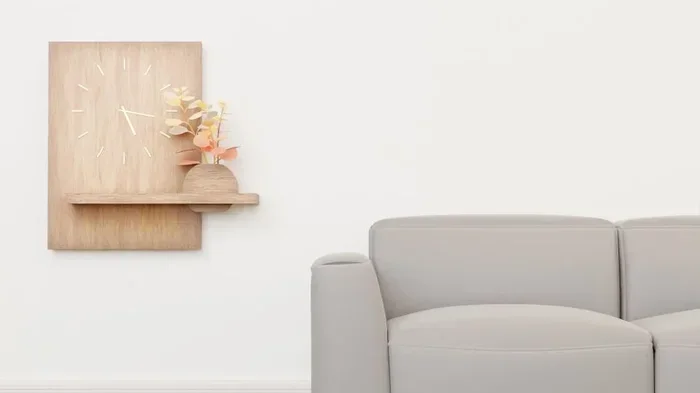
Consider adding ikea living room shelves or floating shelves to your gallery wall. Shelves let you display small vintage objects alongside your framed art. You can place tiny plants, old books, or decorative objects on the shelves.
This creates a three-dimensional display that feels rich and layered. It also gives you the flexibility to swap out items whenever you want a fresh look. How to style open shelves living room is a great resource for ideas on combining shelves with wall art.
Placement Tips for Maximum Impact
Where you hang your vintage wall art for living room matters just as much as what you hang. The right placement enhances your entire room.
Above the Sofa
The wall above your sofa is prime real estate. Hang a large piece or a curated arrangement here. The art should span about two-thirds of the sofa width for balanced proportions. Leave 6 to 12 inches between the top of the sofa and the bottom of the frame.
This placement instantly anchors the seating area. It gives the room a polished, intentional look. A vintage oil painting or a set of framed botanical prints works beautifully in this spot.
On the Feature Wall
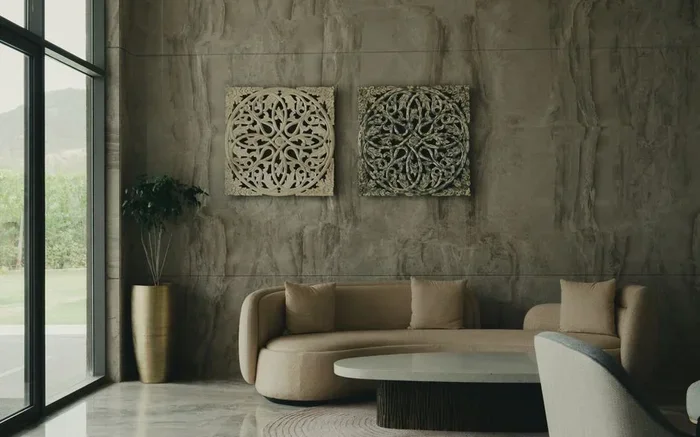
Every living room has a feature wall. This is usually the wall that first catches your eye when you enter the room. It might have a fireplace, built-in shelving, or a bold paint color. Use this wall to showcase your best vintage wall art.
A large vintage mirror above a fireplace is a timeless choice. It reflects light and makes the room feel bigger. If your feature wall has shelves, use them to display smaller vintage pieces alongside books and plants.
In Hallways and Entryways
Do not limit your vintage art to the main living area. Hallways and entryways are perfect spots for smaller pieces. Create a vertical gallery along a narrow hallway using a row of small vintage prints.
This turns often-overlooked spaces into visual delights. Guests will notice the effort the moment they walk through your door. How to style a side table in living room and entryway pieces work hand in hand to create a welcoming first impression.
Framing and Finishing Touches
The frame you choose can make or break your vintage wall art. The right frame enhances the piece and ties it into your room’s overall design.
Choose Frames That Complement the Era
For true vintage pieces, ornate gilt frames or simple wood frames work best. These frames match the era of the art and add authenticity. For reproduction prints, you have more freedom. Choose frames that match your current decor style.
Matting also plays an important role. A white or cream mat gives vintage art a clean, fresh look. A colored mat adds a modern twist to a traditional piece. Experiment with different mat colors to see what works best in your space.
Protect Your Investment
Vintage art deserves proper care. Use UV-protective glass to prevent fading from sunlight. Avoid hanging pieces in direct sunlight or near heat sources. Dust frames regularly with a soft cloth to keep them looking their best.
For delicate pieces like old photographs or fragile prints, consider using archival-quality materials. Acid-free mats and backing papers prevent yellowing and deterioration over time. These small steps preserve the beauty of your collection for years to come.
Add Vintage-Inspired Lighting
Lighting can transform your wall art display. Picture lights mounted above frames highlight the artwork beautifully. For a more budget-friendly option, use warm LED strip lights or clip-on spotlights.
Proper lighting draws attention to your vintage pieces and creates a warm ambiance in the room. It also makes the space feel more inviting at night. Pair your lighting with ac for living room considerations to ensure your art stays in great condition year-round.
DIY Vintage Wall Art Ideas on a Budget
You do not need a big budget to create beautiful vintage-inspired wall art. Some of the best pieces are handmade or repurposed from items you already own.
Distressed Canvas Art
Buy inexpensive canvas prints or paint your own designs on plain canvas. Then distress the edges using sandpaper. This gives the piece an aged, vintage look. You can use stencils to add vintage-style typography or botanical designs.
This technique works great for creating a cohesive set of pieces. Make several in matching styles but different sizes for a gallery wall effect. It costs very little but looks surprisingly high-end.
Vintage Book Page Art
Old books with yellowed pages make wonderful wall art. Frame pages with beautiful illustrations or text. You can also cut out letters to spell words or phrases that match your living room theme.
This idea is perfect for book lovers and adds a literary charm to your walls. It pairs well with japandi living room furniture and minimalist decor styles for a clean, thoughtful look.
Pressed Flower Frames
If you enjoy gardening or walking in nature, press flowers and leaves to create your own botanical art. Arrange them on cardstock and frame them in simple white frames. This creates stunning, one-of-a-kind pieces that cost almost nothing.
Pressed flower art captures a moment in time. It adds a natural, organic element to your living room that complements any style. These pieces also make thoughtful handmade gifts.
Common Mistakes to Avoid When Styling Vintage Wall Art
Even with the best intentions, mistakes happen. Here are common pitfalls to watch out for when styling your vintage wall art for living room space.
- Hanging art too high. Many people mount pieces too far up the wall. Art should sit at eye level for the best visual impact. Aim for the center of the piece to be about 57 to 60 inches from the floor.
- Using mismatched styles. Too many different styles can create visual chaos. Stick to a cohesive theme or color palette. Even when mixing pieces, keep a unifying element like frame color or subject matter.
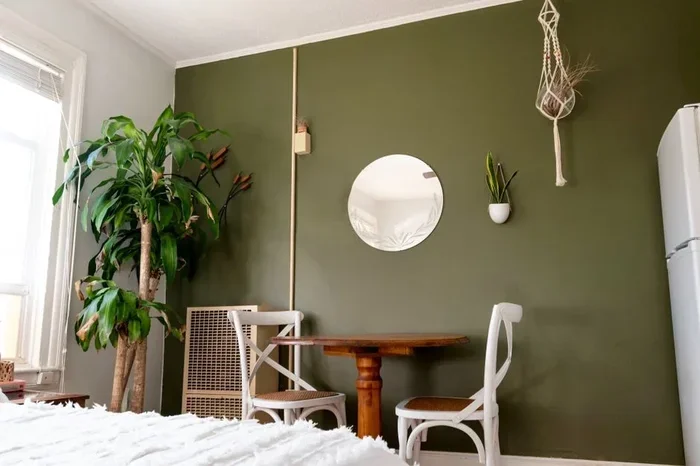
- Ignoring wall color. Your wall color affects how your art looks. Dark walls make light art pop. Light walls make dark art stand out. Test how your pieces look against your actual wall color before committing.
- Overcrowding the wall. More is not always better. Leave breathing room between pieces. A cluttered wall feels chaotic rather than curated. Start with fewer pieces and add more over time.
- Forgetting about scale. A tiny print on a huge wall gets lost. A massive piece on a small wall overwhelms. Match the size of your art to the wall space available. How to place furniture in living room principles also apply to wall art placement.
Expert Insights on Choosing Vintage Wall Art
Interior designers and vintage art collectors share a few insights that can elevate your wall art game.
Start with what you love. Do not buy pieces just because they are trendy. Choose art that resonates with you personally. Your living room should reflect your taste and tell your story. Authentic passion for your pieces shows in how you display them.
Build your collection slowly. You do not need to furnish your entire wall at once. Visit flea markets and thrift stores regularly. Pick up pieces that catch your eye over time. A collection built gradually feels more authentic and personal than one assembled all at once.
Layer your art. Combine framed prints with unframed pieces, mirrors with paintings, and flat art with dimensional objects. This layering adds visual richness and makes your wall feel collected over time rather than designed all at once.
Consider the room’s purpose. If your living room doubles as a family space or entertainment area, choose durable pieces that can handle activity. Avoid fragile or irreplaceable items in high-traffic areas. Save precious antiques for quieter rooms or display cases.
Conclusion
Vintage wall art for living room spaces is one of the easiest and most affordable ways to transform your home. It adds personality, warmth, and visual interest that mass-produced decor simply cannot match. Whether you choose retro posters, botanical prints, antique mirrors, or handmade pieces, the right wall art makes a lasting impression.
Remember to start with a style you love, plan your arrangement carefully, and take your time building your collection. The best gallery walls evolve naturally over time. Each piece you add tells a part of your story. So explore thrift stores, browse online shops, and let your personal taste guide you.
Your living room walls are a canvas. Make them shine with the timeless beauty of vintage art. You will love the difference it makes every time you walk into the room.
Frequently Asked Questions
What types of vintage wall art work best in small living rooms?
In small living rooms, opt for smaller pieces or a single statement vintage mirror. Botanical prints and black-and-white photographs take up less visual space while still adding character. You can also use a single large piece rather than a gallery wall to keep the look clean and uncluttered.
How do I know if a piece of wall art is truly vintage?
Look for signs of age like yellowed paper, aged frames, or production techniques from past decades. Check for manufacturer marks or dates on the back of the piece. Genuine vintage items often have a patina or wear that cannot be perfectly replicated. When shopping online, ask sellers for detailed photos and provenance information.
Can I mix vintage wall art with modern furniture?
Absolutely. Mixing vintage art with modern furniture creates an eclectic, layered look that many designers love. The contrast between old and new adds visual interest and makes both the art and the furniture stand out. Just keep a unifying element like color palette or frame style to maintain cohesion.
What is the best way to clean and preserve vintage wall art?
Use a soft, dry cloth to gently dust framed pieces. Avoid chemical cleaners or water on delicate prints and photographs. For unframed textile art, use a soft brush attachment on your vacuum cleaner. Store unused pieces flat with acid-free tissue paper to prevent damage and yellowing over time.
How much should I spend on vintage wall art for my living room?
Vintage wall art can range from a few dollars at thrift stores to hundreds for genuine antiques. Set a budget before you shop and focus on pieces that speak to you personally. Reproduction prints and DIY projects offer beautiful results at a fraction of the cost of originals. The most important thing is that the art resonates with you.
Where can I find affordable vintage wall art near me?
Thrift stores, flea markets, estate sales, and antique shops are excellent sources for affordable vintage pieces. Online platforms like Etsy, eBay, and Facebook Marketplace also offer a wide selection. Local auction houses sometimes have vintage art at surprisingly low prices. Visit these places regularly, as inventory changes frequently and the best pieces go fast.