Victorian Dark Green Living Room Ideas and Inspiration
A Victorian dark green living room brings timeless elegance and rich warmth to any home. This classic color palette pairs beautifully with ornate furniture, gold accents, and vintage textures. You will learn how to choose the right shade of green, select period-inspired furniture, and layer accessories for a cohesive look. These ideas work for both traditional and modern spaces that embrace Victorian charm.
A Victorian dark green living room is one of the most beautiful and timeless design choices you can make. This color evokes history, luxury, and a sense of refined comfort. Whether you are renovating an older home or simply want to add character to a modern space, dark green works like magic. It creates a cozy yet sophisticated atmosphere that welcomes everyone who walks in.
The Victorian era (1837 to 1901) was all about bold choices and rich details. Homeowners back then loved deep, saturated colors. Dark green was a favorite because it felt both natural and regal. Today, this same color palette brings warmth and personality to living rooms everywhere. You do not need a historic home to pull it off. A few key decisions can transform any room into a Victorian-inspired retreat.
Let us explore how to design a stunning dark green living room that honors this beautiful style.
Key Takeaways
- Dark green is a signature Victorian color that adds depth, richness, and timeless elegance to living rooms.
- Pair dark green walls with ivory, gold, and warm wood tones to capture the authentic Victorian aesthetic.
- Ornate furniture pieces like tufted sofas and carved wooden tables are essential for an authentic Victorian feel.
- Layering textures such as velvet, brocade, and brass accents brings dimension and luxury to the space.
- Proper lighting and window treatments complete the Victorian atmosphere and enhance the dark green palette.
📑 Table of Contents
- Why Dark Green Fits the Victorian Style Perfectly
- Choosing the Right Furniture for a Victorian Living Room
- Wall Treatments and Color Schemes
- Accessorizing with Victorian Charm
- Color Pairings That Work Beautifully
- Common Mistakes to Avoid
- Quick Tips for a Stunning Victorian Living Room
- Bringing It All Together
Why Dark Green Fits the Victorian Style Perfectly
Dark green has deep roots in Victorian interior design. During this period, people valued nature and craftsmanship. Green represented growth, renewal, and the beauty of the natural world. But it was not just any green. Victorians preferred deep, moody shades like forest green, hunter green, and bottle green.
These dark greens worked beautifully with the materials available at the time. Think heavy mahogany furniture, patterned wallpaper, and ornate metalwork. The combination of dark green with these elements created rooms that felt warm, enclosed, and elegant. Even today, this palette feels luxurious and inviting.
Shades of Dark Green to Consider
Not all dark greens are the same. Each shade brings a different mood to your Victorian dark green living room. Here are some popular options:
- Forest Green: A deep, earthy green that feels grounded and natural. It pairs well with wood tones and warm lighting.
- Hunter Green: Slightly brighter than forest green. It adds a touch of energy while still feeling classic and refined.
- Bottle Green: Very dark and moody. This shade creates a dramatic, intimate feel perfect for larger rooms.
- Olive Green: A softer, warmer dark green. It works well in smaller spaces where you want depth without heaviness.
- Sage Dark Tones: A muted green with gray undertones. It feels more modern but still fits the Victorian vibe.
When choosing your shade, consider the natural light in your room. Rooms with plenty of sunlight can handle darker greens. Rooms with less light might benefit from a slightly lighter option like olive or sage.
Choosing the Right Furniture for a Victorian Living Room
Furniture is the backbone of any Victorian dark green living room. The right pieces set the tone for the entire space. Victorian furniture is known for its ornate details, curved lines, and rich materials. You want pieces that feel substantial and carefully crafted.
One of the best approaches is to mix vintage-inspired pieces with modern comfort. This way, your room looks authentic but remains practical for everyday living. A vintage living room aesthetic does not mean sacrificing functionality.
Sofas and Seating
Start with a statement sofa. Look for pieces with rolled arms, tufted backs, and rich upholstery. Dark green velvet is a classic choice that screams Victorian luxury. The texture of velvet catches the light beautifully and adds depth to the room.
If velvet feels too bold, consider brocade or damask fabrics. These patterned textiles were very popular during the Victorian era. They add visual interest without overwhelming the space. A deep green brocade sofa paired with matching throw pillows creates a cohesive and inviting seating area.
Coffee Tables and Side Tables
Wooden tables with carved details are perfect for this style. Look for pieces with curved legs, inlaid designs, or gilded edges. A dark wood coffee table anchors the seating area and provides a beautiful contrast against green walls. You can also add a smaller side table with brass or gold accents for extra Victorian flair.
For a more modern take, consider a sleek wooden table with subtle ornate details. This keeps the room feeling fresh while still honoring the style.
Wall Treatments and Color Schemes
Walls play a huge role in setting the mood of a Victorian dark green living room. During the Victorian era, wallpaper was the go-to wall treatment. Rich patterns with floral motifs, damask designs, and intricate borders covered nearly every wall.
Today, you have more options. Here are some wall treatment ideas that work beautifully with dark green:
- Deep Green Wallpaper: Choose a wallpaper with a subtle pattern. Floral or damask designs in dark green on a cream or ivory background look stunning.
- Paint One Wall Dark Green: Create a feature wall using a deep green paint. This adds drama without overwhelming the room. Pair it with lighter walls for balance.
- Wall Paneling: Victorian homes often had wood paneling. You can add raised panel molding to create a similar effect. Paint the panels dark green for an authentic look.
- Textured Wallpaper: A textured wallpaper in green adds dimension and visual interest. Grasscloth or linen-textured options feel elegant and tactile.
The key is balance. Dark green walls need lighter elements to keep the room from feeling too heavy. Ivory and cream tones work perfectly as complementary colors. They brighten the space and let the green shine.
Accessorizing with Victorian Charm
Accessories bring a Victorian living room to life. This is where you add personality, warmth, and that unmistakable old-world charm. The goal is to layer items thoughtfully. Every piece should feel intentional and cohesive.
Accent pieces for living room spaces are especially important in Victorian design. They tie together the color palette and add visual interest at every turn.
Curtains and Window Treatments
Thick, floor-length curtains are a hallmark of Victorian rooms. Choose fabrics like velvet, silk, or heavy cotton in deep green or matching patterns. Gold or brass curtain rods add a touch of elegance. Sheer inner curtains can soften the look while still maintaining privacy.
Rugs and Flooring
Area rugs define the seating area and add warmth underfoot. Look for rugs with intricate patterns in shades of green, gold, and cream. Persian-inspired designs or Oriental rugs work beautifully in this setting. For flooring, dark hardwood with a glossy finish captures the Victorian aesthetic perfectly.
Lighting Fixtures
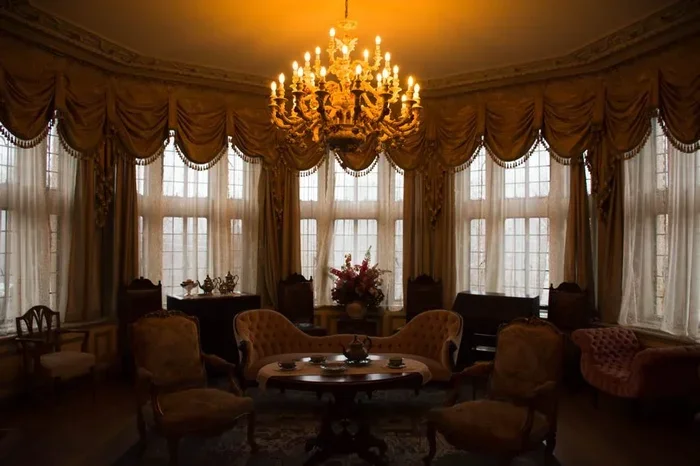
Lighting in a Victorian room should feel warm and inviting. Crystal chandeliers are the most iconic choice. They cast beautiful patterns of light across dark green walls. For a more subtle approach, consider table lamps with brass or gold bases and patterned shades. Aesthetic living room decor elements like candle holders and mirrored trays also add to the ambiance.
Decorative Objects
Victorian rooms were filled with decorative objects. Think vases, figurines, framed artwork, and books on display. Group items in odd numbers for a more natural look. Mix heights and textures to create visual depth. A gilded mirror, a stack of leather-bound books, and a small potted plant can transform a side table into a focal point.
Color Pairings That Work Beautifully
A successful Victorian dark green living room relies on thoughtful color combinations. Dark green is a versatile color that pairs well with many tones. Here are some proven pairings:
| Color Pairing | Mood | Best For |
|---|---|---|
| Dark Green + Ivory | Elegant and fresh | Classic Victorian look |
| Dark Green + Gold | Luxurious and warm | Formal sitting rooms |
| Dark Green + Burgundy | Rich and dramatic | Deep, moody spaces |
| Dark Green + Cream | Soft and inviting | Cozy everyday living |
| Dark Green + Brass | Vintage and refined | Accent pieces and hardware |
Each pairing creates a different feeling. The green and ivory combination is probably the most timeless. It feels clean yet rich. The green and gold pairing adds opulence and feels very Victorian. Do not be afraid to mix two or three pairings in the same room. Just keep the proportions balanced.
For example, you might use green and ivory on the walls and upholstery, gold in metal accents, and burgundy in throw pillows or artwork. This layered approach creates a room that feels complete and curated.
Common Mistakes to Avoid
Designing a Victorian dark green living room is exciting, but there are pitfalls to watch out for:
- Using too much dark green: When every element is dark green, the room can feel oppressive. Balance dark tones with lighter accents like ivory, cream, or gold.
- Skipping texture: Victorian design thrives on texture. A room with only smooth surfaces feels flat. Mix velvet, wood, brass, and patterned fabrics for richness.
- Choosing the wrong shade: Not all dark greens work in every lighting condition. Test paint samples on your walls before committing. Watch how the color changes throughout the day.
- Overcrowding the room: Victorian style loves accessories, but too many items create clutter. Edit your decor and keep surfaces mostly clear.
- Ignoring scale: Furniture should fit the room proportionally. Oversized pieces in a small room feel cramped. Measure your space before shopping.
Quick Tips for a Stunning Victorian Living Room
- Start with one statement piece like a dark green velvet sofa and build around it.
- Add gold or brass accents through picture frames, lamp bases, and hardware.
- Use layered lighting with a chandelier, table lamps, and floor lamps for warmth.
- Hang heavy curtains that pool slightly at the floor for an authentic feel.
- Display books and collectibles on shelves to add personality and depth.
- Incorporate natural elements like potted plants or fresh flowers to soften the richness of the green.
Bringing It All Together
A Victorian dark green living room is more than just a color choice. It is a design philosophy that values craftsmanship, warmth, and timeless beauty. Every element, from the walls to the smallest accessory, should work together to create a cohesive and inviting space.
Start by choosing your dark green shade and building a color palette around it. Select furniture that feels both ornate and comfortable. Layer in accessories thoughtfully, and pay attention to lighting and textures. The result will be a living room that feels like a retreat from the modern world. It will be a space that is elegant, warm, and uniquely yours.
Remember, the best Victorian dark green living room designs reflect your personal taste. Use these ideas as a foundation, then let your creativity guide you. Whether you go all-in with a full Victorian makeover or simply add a few dark green elements to your existing room, the effect will be transformative. Your living room will become a place where style and comfort meet in perfect harmony.
Take your time with the process. Great design takes patience. Choose pieces you love, trust your instincts, and enjoy the journey of creating a living room that truly feels like home. The Victorian aesthetic rewards those who care about detail, and the result is a space that will be admired for years to come.
Frequently Asked Questions
What shade of green is best for a Victorian living room?
Forest green, hunter green, and bottle green are the most authentic choices. These deep, rich shades capture the Victorian spirit perfectly. If your room has less natural light, olive green or a darker sage works well too.
Can I use dark green in a small living room?
Yes, you can. Use dark green on just one wall or in accent pieces like a sofa and curtains. Pair it with lighter tones on the remaining walls to keep the room feeling open and airy. This approach adds depth without making the space feel cramped.
What furniture styles pair well with dark green walls?
Ornate wooden furniture with carved details works best. Look for pieces with curved arms, gilded edges, and rich wood finishes. Italian living room set styles with their European craftsmanship also complement dark green beautifully. Velvet and brocade upholstery adds an extra layer of Victorian charm.
How do I light a Victorian dark green living room?
Use warm, layered lighting to enhance the richness of the green. A crystal chandelier serves as the centerpiece, while table lamps and floor lamps add ambient glow. Brass or gold-toned light fixtures reinforce the Victorian aesthetic and complement the dark green palette.
What colors go best with a dark green Victorian living room?
Ivory, cream, gold, and burgundy are the most complementary colors. These warm tones balance the coolness of green and add luxury to the space. You can incorporate these colors through furniture, curtains, rugs, and decorative accessories.
Do I need an old house to create a Victorian living room?
Not at all. Victorian style can be adapted to any home. Focus on the key elements like dark green walls, ornate furniture, layered textures, and classic accessories. Even a modern apartment can feel Victorian with the right choices. The style is about the look and feel, not the architecture.
=== CONCLUSION ===
A Victorian dark green living room offers a timeless escape into elegance and warmth. The deep green palette brings richness and character that few other colors can match. By choosing the right shade, pairing it with complementary tones like ivory and gold, and layering in textured accessories, you create a space that feels both historic and livable. Start with one or two elements and build from there. Let the color guide your choices and trust the process. Your Victorian-inspired living room will be a place of beauty, comfort, and lasting style.