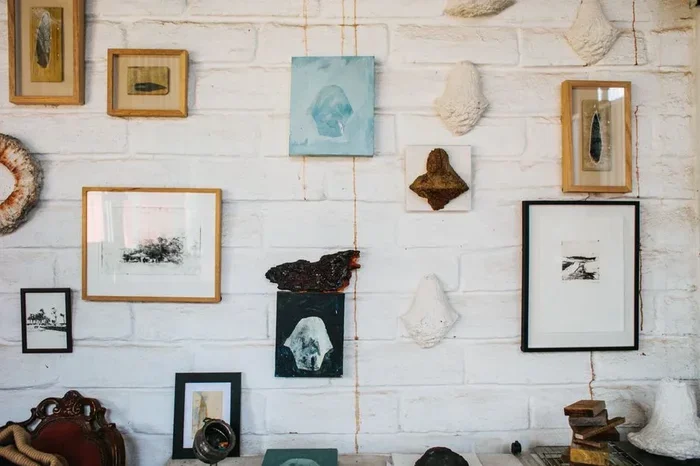
Unique Wall Art for Living Room Ideas You Will Love
Unique wall art for living room spaces can completely change the feel of your home. Whether you love bold colors, minimalist designs, or textured pieces, the right wall art adds personality and style. This guide covers the best ideas, tips, and mistakes to avoid when decorating your living room walls.
Key Takeaways
- Choose the Right Style: Match your wall art to your existing decor for a cohesive look that feels intentional and polished.
- Mix and Match: Combine different sizes, textures, and frame styles to create a dynamic and eye-catching gallery wall.
- Consider Wall Space: Use large statement pieces or group smaller items together depending on the size of your wall.
- DIY Options Save Money: Create your own unique wall art using simple materials and a little creativity.
- Avoid Common Mistakes: Don’t hang art too high, skip proper measuring, or choose pieces that don’t fit the room’s scale.
- Accent Pieces Matter: Pair your wall art with complementary accent pieces for a fully styled living room.
📑 Table of Contents
- Why Unique Wall Art for Living Room Spaces Matters
- Types of Unique Wall Art for Living Room Spaces
- How to Choose the Perfect Wall Art for Your Living Room
- Creative Ideas to Display Your Living Room Wall Art
- DIY Unique Wall Art Ideas You Can Make at Home
- Common Mistakes to Avoid When Choosing Wall Art
- Pairing Wall Art with Your Overall Living Room Decor
- Where to Find Unique Wall Art for Your Living Room
- Final Thoughts on Unique Wall Art for Living Room Spaces
Why Unique Wall Art for Living Room Spaces Matters
Your living room is the heart of your home. It is where you relax, entertain guests, and spend quality time with family. The walls around you set the tone for the entire room. That is why choosing the right wall art matters so much.
Unique wall art for living room spaces does more than fill empty walls. It tells a story. It reflects your personality. It turns a plain room into a space that feels like yours. Whether you prefer abstract designs, nature-inspired prints, or bold geometric patterns, the art you choose shapes the mood of every room.
Many people underestimate the power of a well-placed piece of art. A single large painting can anchor an entire seating area. A curated gallery wall can become the focal point guests notice first. The key is to choose pieces that resonate with you and complement your existing decor.
Types of Unique Wall Art for Living Room Spaces
There are so many options when it comes to wall art. Each style brings a different energy to your room. Let us explore the most popular types you can consider.
Gallery Walls
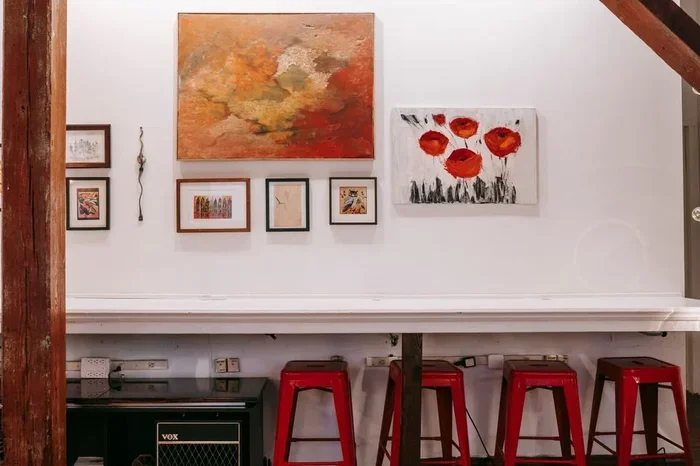
A gallery wall is a collection of art pieces arranged together on one wall. This approach works beautifully in living rooms of all sizes. You can mix paintings, photographs, prints, and even small shelves to create depth and interest.
Start by choosing a theme. It could be a color palette, a subject matter, or a mix of frame styles. Lay everything out on the floor first. Then transfer your arrangement to the wall. This simple trick saves time and prevents holes in the wrong spots.
If you want extra styling ideas, check out our guide on how to style open shelves in the living room for tips on mixing art with functional display pieces.
Statement Pieces
A statement piece is one large artwork that commands attention. Think oversized abstract paintings, dramatic murals, or sculptural wall hangings. These pieces work best on large, empty walls where they can truly shine.
Statement wall art creates an instant focal point. It draws the eye the moment someone enters the room. Choose a piece that matches your color scheme but still stands out. The goal is balance between bold and harmonious.
Textured and 3D Wall Art
Texture adds another dimension to your walls. Woven tapestries, macrame hangings, metal sculptures, and wooden reliefs all create visual interest. These pieces catch the light differently throughout the day, making your room feel alive and dynamic.
Textured art is especially popular in bohemian and eclectic living room designs. It adds warmth and character that flat prints simply cannot match. Consider combining textures with your accent pieces for living room for a fully layered look.
Minimalist and Abstract Art
Not everyone wants bold and busy. Minimalist wall art uses clean lines, simple shapes, and limited color palettes. Abstract pieces invite viewers to interpret the art in their own way.
This style works beautifully in modern and contemporary living rooms. A single large abstract canvas can make a powerful impact without overwhelming the space. Pair it with clean furniture lines and neutral tones for a cohesive aesthetic.
How to Choose the Perfect Wall Art for Your Living Room
Choosing wall art can feel overwhelming with so many options. Here are some practical steps to help you make the best decision for your space.
Consider Your Room’s Color Palette
Look at the colors already in your room. Your wall art should complement these colors, not clash with them. If your furniture is neutral, you can go bold with colorful art. If your room is already colorful, opt for something more subdued.
A good rule of thumb is to pull one color from your art into your accessories. This creates a seamless flow throughout the room. It makes the space feel intentionally designed rather than randomly decorated.
Measure Your Wall Space
Before buying any art, measure the wall. A tiny print on a huge wall looks lost and lonely. A massive piece on a small wall feels cramped and overwhelming.
As a general guide, your art should cover about two-thirds to three-quarters of the available wall space above furniture. This proportion creates visual balance and makes the room feel complete.
Think About the Room’s Purpose
Is your living room a cozy reading nook or a lively entertaining space? Your art choices should reflect how you use the room. Calming landscapes and soft abstracts work well for relaxation areas. Vibrant and energetic pieces suit social spaces better.
Also think about the mood you want to create. Cool blues and greens promote calm. Warm reds and oranges add energy. Neutral tones keep things peaceful and timeless.
Creative Ideas to Display Your Living Room Wall Art
How you display your art matters just as much as the art itself. Creative presentation can elevate even simple prints into stunning decor features.
Use Shelves to Showcase Art
Floating shelves are a fantastic way to display wall art. You can stack books, place small plants, and lean framed pieces against the wall all on one shelf. This layered approach adds depth and dimension.
For more ideas on arranging art on shelves, visit our article on how to decorate shelves in the living room. It covers styling techniques that work beautifully with wall art displays.
Create a Color Story with Mixed Frames
Mixing frame colors and styles adds visual interest to a gallery wall. Try pairing gold frames with black and white photos. Or combine natural wood frames with colorful prints. The key is to keep some consistency, like similar frame widths or a unified color theme.
You can also use clipboards, washi tape, or magnetic frames for a casual and changeable display. These options make it easy to swap out art whenever you want a fresh look.
Go Big with a Single Mural or Wall Decal
If you want maximum impact with minimal effort, consider a wall mural or large decal. These options transform an entire wall into a work of art. They are especially great for renters who cannot make permanent changes.
Murals come in every style from botanical prints to cityscapes to abstract patterns. Choose one that matches your aesthetic and watch your living room come alive.
DIY Unique Wall Art Ideas You Can Make at Home
Creating your own wall art is rewarding and budget-friendly. You do not need to be a professional artist to make something beautiful. Here are some simple DIY ideas to try.
Canvas and Paint Techniques
Buy a blank canvas and use acrylic paints to create your own abstract masterpiece. You do not need a specific plan. Just play with colors, brush strokes, and textures. Tape off geometric shapes for clean lines. Splatter paint for an energetic feel. The beauty of abstract art is that there are no mistakes.
Print and Frame Your Own Photos
Turn your favorite photographs into gallery-worthy pieces. Print them on high-quality paper or canvas. Choose frames that match your room’s style. Black and white photos are timeless and versatile. Color photos add warmth and personality.
Macrame and Textile Hangings
Macrame wall hangings are trending for good reason. They are easy to make with basic materials and they add beautiful texture to any room. You can find countless tutorials online for beginners. Start with a simple design and build your skills from there.
For more inspiration on combining handmade art with your room’s style, explore our post on aesthetic living room ideas to see how unique pieces fit into a beautifully styled space.
Common Mistakes to Avoid When Choosing Wall Art
Even the best intentions can lead to decorating mistakes. Here are common pitfalls to watch out for.
- Hanging art too high: The center of your artwork should be at eye level, typically around 57 to 60 inches from the floor. Art hung too high makes the room feel disconnected.
- Ignoring scale: Tiny art on a large wall looks lost. Oversized art on a small wall feels overwhelming. Always match the size of the art to the wall space available.
- Choosing art you do not love: Trendy pieces might look great in magazines but may not resonate with you personally. Choose art that makes you feel something.
- Forgetting about lighting: Proper lighting makes a huge difference. Add picture lights or track lighting to highlight your wall art and bring out its colors and details.
- Matching everything too perfectly: Your wall art does not need to match every other item in the room. Some contrast adds visual interest and keeps the space from feeling too coordinated.
Pairing Wall Art with Your Overall Living Room Decor
Wall art does not exist in isolation. It works best when it connects to the rest of your room. Think about how your art relates to your furniture, rugs, cushions, and lighting.
For example, if you have a bold-colored sofa, choose wall art that pulls from one of those colors. If your room has natural wood furniture, consider art with earthy tones and organic textures. The connection between pieces creates a polished and intentional look.
Do not forget about the floor and ceiling. A rug can echo the colors in your art. A ceiling detail or light fixture can complement the style of your wall pieces. Every element in the room should work together like a team.
If you are looking for more ways to accessorize your living room alongside your new wall art, our article on accent pieces for living room offers great suggestions for tying everything together.
Where to Find Unique Wall Art for Your Living Room
Finding the perfect piece of wall art is easier than ever. Here are some great places to explore.
- Local art markets and fairs: These are goldmines for one-of-a-kind pieces. You support local artists and find art you will not see anywhere else.
- Online marketplaces: Sites like Etsy, Society6, and Saatchi Art offer thousands of options in every style and price range.
- Thrift stores and flea markets: Vintage frames and unexpected art pieces can be found at a fraction of the cost. A simple reprint or frame swap can transform a find into something stunning.
- DIY and craft stores: For supplies to create your own art, stores like Michaels and Hobby Lobby carry everything you need.
- Your own photography: If you enjoy photography, print your best shots. They are personal, meaningful, and completely unique.
Final Thoughts on Unique Wall Art for Living Room Spaces
Choosing unique wall art for your living room is one of the most impactful decorating decisions you can make. It sets the tone, reflects your personality, and transforms plain walls into a visual story. The best part is that there are no strict rules. Your living room should feel like you, and your wall art should make you happy every time you look at it.
Start with one piece you love. Build from there. Experiment with arrangements. Swap things out when the mood strikes. Decorating is a journey, not a destination. Enjoy every step of making your living room a space you are proud to show off.
Remember that great living room wall art does not have to be expensive or complicated. It just has to be authentic. Whether you buy a statement painting, create a DIY masterpiece, or curate a gallery wall of cherished memories, the result will be a living room that feels truly unique to you.
Frequently Asked Questions
What are some unique wall art ideas for small living rooms?
For small living rooms, consider a single large statement piece or a small gallery wall with 3 to 5 frames. Vertical art makes walls feel taller. Mirrors with artistic frames also create the illusion of more space while adding style.
How do I create a cohesive look with multiple wall art pieces?
Stick to a consistent color palette or theme across all pieces. Use matching or complementary frames. Maintain even spacing between each piece. A unified color story ties everything together naturally.
Can I mix different art styles in the same living room?
Absolutely. Mixing styles adds personality and depth. The key is to find one common element, such as a shared color, a similar frame style, or a consistent subject matter that connects the pieces.
What is the best wall art for a modern living room?
Modern living rooms pair well with abstract art, minimalist line drawings, black and white photography, and geometric prints. Keep frames sleek and simple. Stick to neutral tones or bold single-color pieces for maximum impact.
How do I hang wall art securely on different wall types?
For drywall, use anchors and screws. For brick or stone walls, use masonry drill bits and wall plugs. For plaster, choose specialized plaster anchors. Always check the weight capacity of your hardware before hanging.
How much should I spend on unique wall art for my living room?
Wall art prices vary widely. You can find beautiful pieces for under 50 dollars at thrift stores and online marketplaces. Statement pieces from galleries may cost more. The most important thing is choosing art you love, regardless of price.