Small Living Room Accent Wall Ideas That Transform Your Space
A small living room accent wall is one of the easiest and most affordable ways to completely change the feel of your space. Whether you prefer bold paint colors, textured panels, or a curated gallery wall, the right accent wall can make your room look bigger and feel more intentional. In this guide, you’ll find practical ideas, expert tips, and step-by-step advice to help you pick and create the perfect accent wall for your small living room.
A small living room accent wall can completely change the vibe of your entire room. It draws the eye, adds texture, and gives your space a sense of purpose. Whether your living room feels cramped or just plain boring, one focused wall can make a huge difference. The best part? You don’t need a big budget or professional skills to pull it off.
Many homeowners shy away from accent walls because they think the concept is too bold for small rooms. But that’s exactly the opposite. A well-chosen accent wall design creates depth and makes a small space feel more dynamic. It gives your eyes a resting point and adds visual interest without cluttering the room. In this article, we’ll walk you through the best ideas, practical tips, and mistakes to avoid when designing your accent wall.
## Why an Accent Wall Works in Small Living Rooms
An accent wall is a single wall that stands out from the rest. It usually features a different color, material, or pattern. In a small living room, this contrast creates a sense of dimension. The room feels layered instead of flat.
When you have limited square footage, every design choice matters. A plain room with four matching walls can feel like a box. But add one feature wall and suddenly the room has a focal point. Your furniture arrangements naturally gravitate toward it. This is why interior designers often recommend an accent wall as the first step in a room makeover.
### The Psychology of a Feature Wall
Color and texture affect how we perceive space. A lighter accent wall can make a room feel open and airy. A darker accent wall adds intimacy and coziness. Textured walls like shiplap or stone add warmth and character. Understanding this psychology helps you pick the right approach for your room.
Also, the human eye naturally gravitates toward contrast. When one wall looks different, it anchors the entire room. This is especially helpful in small living room design where you want to guide the eye without adding furniture.
## Best Small Living Room Accent Wall Ideas
There are countless ways to create an accent wall. Below are some of the most effective options for small living rooms. Each idea comes with its own unique vibe and level of difficulty.
### Painted Accent Walls
Paint is the simplest and most affordable option. You just need a can of paint, a roller, and some painter’s tape. Choose a color that complements your existing furniture and decor.
For small rooms, stick with lighter shades like soft white, pale gray, or muted pastels. These colors reflect light and make the room feel bigger. If you want something bolder, try a deep navy or forest green on just one wall. The contrast adds drama without making the space feel closed in.
Pro tip: Use a matte or satin finish instead of high gloss. Matte finishes hide imperfections better and give a modern, clean look.
### Shiplap and Wood Panel Accent Walls
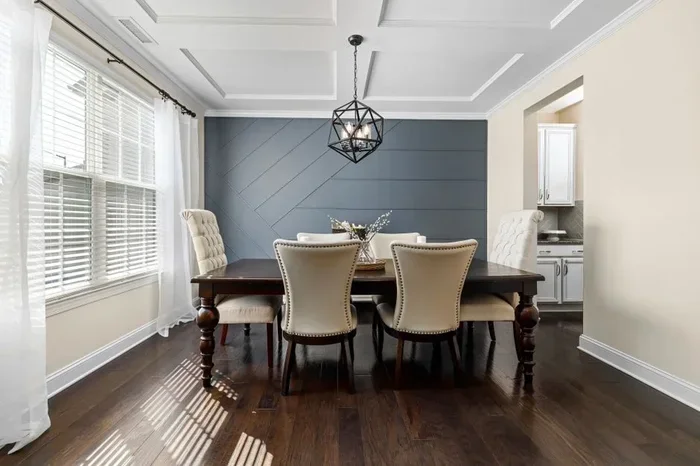
Shiplap has been hugely popular in recent years, and for good reason. The horizontal planks add texture and warmth to any room. You can install real wood planks or use affordable MDF panels.
For a small living room, light-colored wood works best. White or natural pine shiplap keeps the room feeling bright. You can also stain the wood a warm tone for a rustic or farmhouse look. Shiplap pairs beautifully with minimalist furniture and modern decor.
### Brick and Stone Accent Walls
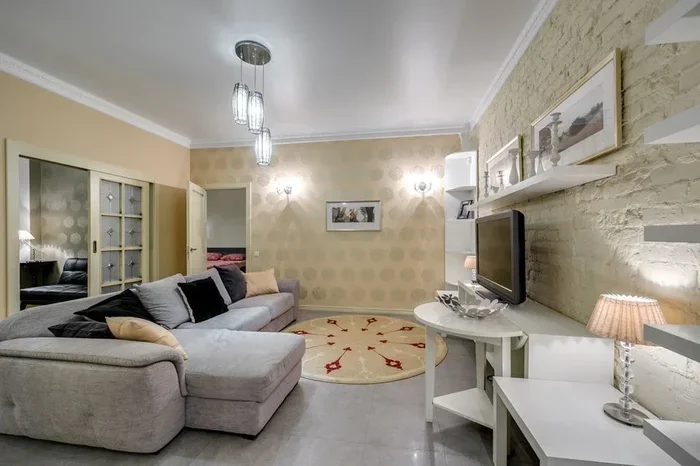
Real or faux brick and stone walls bring an industrial or rustic feel to a living room. They add a lot of texture and visual depth. Faux brick panels are especially popular because they’re easy to install and much lighter than real brick.
This style works well in rooms that get plenty of natural light. The rough texture catches shadows and creates interesting visual effects throughout the day. If your room lacks windows, consider pairing a brick wall with good lighting to keep the space from feeling dark.
### Gallery Walls
A gallery wall is a collection of framed art, photos, and decorative items arranged on a single wall. It’s a great way to showcase your personality without taking up floor space.
For small living rooms, keep the gallery wall curated. Choose a cohesive color palette and mix frame sizes for visual interest. You can add a small shelf below the gallery to display books or plants. This creates a layered look that feels intentional and stylish.
### Wallpaper Accent Walls
Wallpaper is making a big comeback. A single accent wall with a bold pattern or textured wallpaper can become the centerpiece of your room. Floral patterns, geometric designs, and grasscloth textures are all trending right now.
For small spaces, choose wallpaper with a lighter base color. Dark or busy patterns can overwhelm a compact room. If you’re not ready for permanent wallpaper, removable wallpaper options are a great alternative.
## How to Choose the Right Accent Wall for Your Space
Not every wall in your living room is a good candidate for an accent treatment. Choosing the right wall makes all the difference in how the room looks and feels.
### The Best Wall to Accent
The wall directly across from your main entrance is usually the best choice. This is the first wall guests see when they walk in. It immediately sets the tone for the entire room.
The wall behind your sofa is another strong option. It creates a backdrop for your seating area and draws attention to the furniture. If you have a fireplace, that wall is a natural focal point and a perfect spot for an accent treatment.
### Consider Your Room’s Natural Light
Light plays a huge role in how an accent wall looks. Rooms with plenty of windows can handle darker or bolder accent walls. Rooms with limited natural light benefit from lighter colors and reflective materials.
If your room faces north and gets little direct sunlight, avoid dark accent walls. They can make the space feel even smaller and gloomier. Instead, opt for light wood, white shiplap, or a soft pastel paint color.
### Match Your Existing Decor
Your accent wall should complement your current furniture and decor. Look at the colors, textures, and style of your room before making a choice. If your furniture is modern and minimal, a clean painted wall or smooth paneling works well. If your style is more eclectic, a gallery wall or textured brick might be the perfect fit.
## Tips for Making Your Accent Wall Shine
Once you’ve chosen your accent wall idea, these tips will help you get the best results.
### Keep the Rest of the Room Balanced
An accent wall is meant to stand out, but the rest of the room shouldn’t compete with it. Keep the other three walls in neutral tones. Use simple window treatments and avoid hanging too many items on the non-accent walls.
Let the accent wall do the heavy lifting. The rest of the room should support it, not fight for attention. This balance is what makes a room look professionally designed.
### Add Proper Lighting
Lighting can make or break an accent wall. Use wall sconces, picture lights, or a nearby floor lamp to highlight the texture and color of your accent wall. Lighting creates shadows that bring out the depth of textured walls like shiplap or brick.
For painted accent walls, a simple wall wash with a soft light works wonders. It makes the color look richer and more dynamic.
### Use Accessories to Tie the Look Together
Accessories like cushions, throws, and rugs should echo the colors of your accent wall. This creates a unified look that makes the room feel put-together. You can also add a small console table or a stylish side table near the accent wall to complete the arrangement.
### Don’t Forget the Floor
The flooring in your living room should also complement your accent wall. If you have light wood floors, a darker accent wall adds contrast and warmth. If your floors are dark, a lighter accent wall keeps the room from feeling too heavy.
## Common Mistakes to Avoid
Even with the best intentions, accent walls can go wrong. Here are some common mistakes to watch out for.
### Choosing the Wrong Size Wall
Not every wall is suitable for an accent treatment. A wall that’s too small might get lost in the room. A wall that’s too large can overwhelm a small space. The ideal accent wall is one that’s visible from multiple angles and has enough surface area to make an impact.
### Overcrowding the Wall
Less is more when it comes to accent walls. If you’re going for a gallery wall, don’t fill every inch of space. Leave some breathing room. The same goes for shelves or hanging decor. A few well-placed items look better than a cluttered wall.
### Ignoring the Room’s Function
Think about how you use your living room. If you watch a lot of TV, a busy or dark accent wall behind the sofa might be distracting. Choose something that supports the room’s main purpose. For a reading nook, a calm and textured wall creates a cozy atmosphere.
### Skipping the Prep Work
Rushing through prep work leads to uneven paint lines, bubbling wallpaper, and poorly attached panels. Take the time to clean the wall, patch any holes, and use proper tools. The extra effort pays off in a finished look that looks polished and professional.
## Expert Insights on Accent Walls for Small Spaces
Interior designers agree that an accent wall is one of the most impactful changes you can make in a small living room. It adds personality and visual interest without the cost and effort of a full room renovation.
“An accent wall gives small rooms a sense of architecture,” says interior designer Sarah Mitchell. “It breaks up the monotony of four identical walls and gives the space a reason to feel special.”
When working with tight budgets, experts recommend starting with paint. It’s the most cost-effective way to test an idea. If you love the result, you can always upgrade to shiplap, wallpaper, or textured panels later.
## Bringing It All Together
An accent wall is one of the simplest and most affordable ways to refresh your living room. Whether you choose a bold paint color, natural wood panels, or a curated gallery wall, the key is to keep it balanced and intentional. The right accent wall makes your small living room feel bigger, brighter, and more personal.
Take your time choosing the right idea. Look at your room’s natural light, existing furniture, and overall style before making a decision. And don’t be afraid to experiment — paint is easy to change if you don’t love the first result.
Once your accent wall is in place, you’ll notice how the entire room feels more put-together. The small living room accent wall becomes the heart of the space. It gives your furniture a backdrop, your decor a stage, and your room a sense of style that feels intentional and inviting.
Pair your new accent wall with well-placed aesthetic living room decor and thoughtful accessories for a truly transformed space. The combination of a standout wall and complementary decor creates a room that feels both stylish and comfortable.
Key Takeaways
- An accent wall instantly adds depth and character to a small living room without overwhelming the space.
- Painted accent walls, shiplap, brick, and gallery walls are among the most popular options for compact rooms.
- Light colors and reflective materials make a small living room feel larger and brighter.
- Proper placement matters — always choose the wall that draws the eye first when entering the room.
- DIY accent walls are budget-friendly and achievable with basic tools and a weekend of effort.
- Pairing your accent wall with the right accent pieces for living room creates a cohesive and polished look.
- Avoid common mistakes like choosing dark colors in windowless rooms or overcrowding the wall with too many decor items.
Frequently Asked Questions
What is the best color for a small living room accent wall?
Light and neutral colors work best for small living rooms. Soft whites, pale grays, and muted pastels reflect light and make the room feel larger. If you want something bolder, try a deep navy or charcoal on just one wall.
Which wall should I choose for my accent wall?
The wall directly across from your main entrance is usually the best choice. It’s the first wall people see and it naturally sets the tone for the room. The wall behind your sofa is another strong option.
Can I create an accent wall without painting?
Absolutely. You can use shiplap, brick panels, wallpaper, or a gallery wall instead of paint. Each option adds a different texture and style. Many of these alternatives are easy to install as DIY projects.
How do I make a small room with an accent wall feel bigger?
Use light colors and reflective materials on your accent wall. Keep the other walls neutral. Add mirrors nearby to bounce light around the room. Avoid cluttering the accent wall with too many items.
Is an accent wall worth the effort in a rental apartment?
Yes, especially if you use removable options like peel-and-stick wallpaper or temporary panels. These let you enjoy an accent wall without damaging the walls. You can remove them easily when you move out.
What style of accent wall works best for modern living rooms?
Clean painted walls in a contrasting color, smooth paneling, or minimal gallery walls work best for modern spaces. Keep the design simple and avoid busy patterns. The goal is a sleek, uncluttered look.
=== CONCLUSION ===
A small living room accent wall is one of the smartest design moves you can make. It transforms your space without the cost and hassle of a full renovation. From painted walls to textured shiplap and curated gallery walls, there’s an idea for every style and budget. The key is to choose a wall that complements your room’s natural light, furniture, and overall aesthetic.
Take the time to plan your design, avoid common mistakes, and enjoy the process. Your living room deserves a wall that reflects your personality and makes the space feel truly yours. Start with one idea, test it out, and watch how it completely changes the feel of your room.