Sage Green and White Living Room Ideas for a Fresh Look
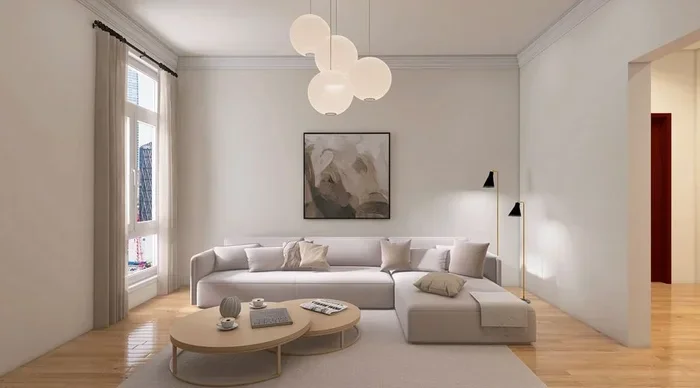
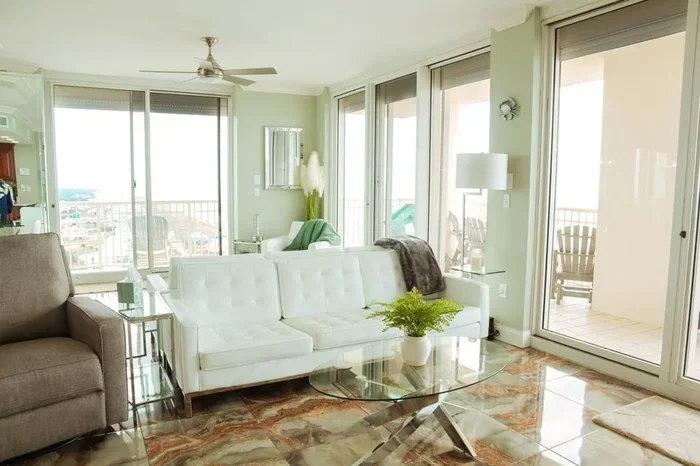
A sage green and white living room creates a fresh, calming atmosphere that feels both modern and timeless. This color combination brings nature-inspired serenity into your space while keeping things clean and elegant. You will learn how to choose the right furniture, layer textures, add accent pieces, and arrange your layout for a cohesive look.
There is something really special about a sage green and white living room. It feels calm, fresh, and inviting all at once. Whether you are refreshing a tired space or starting from scratch, this color pairing gives you so much room to play with.
Sage green and white is one of the most popular combinations in home decor right now, and for good reason. Sage green brings a soft, nature-inspired tone that instantly relaxes the mind. White keeps things bright, open, and airy. Together, they create a look that feels both modern and timeless.
In this guide, we will walk you through everything you need to know about designing a beautiful sage green and white living room. You will find practical tips on furniture selection, layout, accessories, and more. Let us dive in and bring some fresh energy into your space.
Key Takeaways
- Sage green and white is a versatile, calming palette that works for any living room style.
- Start with a neutral base like white walls and build around sage green furniture or accessories.
- Layering textures like linen, jute, and wood adds warmth and depth to a sage and white scheme.
- Proper furniture arrangement keeps the room feeling open and balanced.
- Adding natural elements like plants and botanical prints enhances the fresh feel of this palette.
- Mixing in warm wood tones prevents the room from feeling too cold or sterile.
- Small accent pieces like throw pillows and rugs are an easy way to introduce sage green into a white room.
📑 Table of Contents
- Why Sage Green and White Works So Well Together
- Choosing the Right Shades of Sage Green
- Furniture Selection for a Sage Green and White Living Room
- Arranging Your Living Room Layout
- Adding Texture and Layers for Depth
- Accessories and Decor That Bring the Room Together
- Common Mistakes to Avoid
- Final Thoughts on Creating Your Sage Green and White Living Room
Why Sage Green and White Works So Well Together
Sage green and white is a winning combination for several reasons. First, sage green is a muted, cool-toned green that does not overpower a room. It sits softly in the background and lets other design elements shine. White, on the other hand, acts as a clean canvas that reflects light and makes spaces feel larger.
This pairing also connects to nature. Sage green reminds many people of gardens, herbs, and outdoor landscapes. When you pair it with white, you get a fresh, spa-like feeling that makes your living room feel like a peaceful retreat.
The Psychology Behind These Colors
Colors affect our mood more than we realize. Sage green is known to promote calmness and balance. It can reduce stress and create a sense of harmony in a room. White represents clarity, simplicity, and openness.
When you combine these two tones, you get a living room that feels both grounding and uplifting. It is no wonder that neutral living room palette designs featuring sage and white have become so popular in recent years.
Who Is This Palette Best For?
Almost anyone can pull off sage green and white. It works beautifully in:
- Minimalist living rooms that favor clean lines
- Coastal-style homes that lean into natural tones
- Modern spaces looking for a soft, organic touch
- Small apartments where light and openness matter
- Farmhouse or rustic interiors seeking a fresh update
Choosing the Right Shades of Sage Green
Not all sage greens are the same. The color can range from a very pale, almost gray-green to a deeper, richer herbal tone. Choosing the right shade matters a lot for your overall look.
Light Sage Green
Light sage green is soft and subtle. It works well on walls, especially if your living room gets plenty of natural light. This shade keeps the room feeling bright and open while still adding that refreshing green hint.
If you are painting your walls, a light sage green pairs perfectly with crisp white trim and ceilings. It creates a clean, fresh look that feels like a breath of fresh air.
Medium Sage Green
Medium sage green has more depth and richness. This shade is ideal for larger pieces of furniture like a sofa or an armchair. A medium sage green sofa against white walls makes a beautiful statement without being too bold.
It also works well as an accent wall color. Paint one wall in medium sage green and keep the rest white for a balanced, stylish look.
Deeper Sage Green
Deeper sage green leans toward an earthy, moody tone. Use this shade sparingly through accessories like throw pillows, curtains, or a feature rug. It adds warmth and visual interest without overwhelming the room.
Furniture Selection for a Sage Green and White Living Room
Furniture is the backbone of any living room design. When working with sage green and white, your choices will set the tone for the entire space.
White Furniture Pieces
White furniture creates a clean, streamlined foundation. A white sofa or white armchair keeps the room feeling spacious and light. It also gives you the flexibility to change accessories and accents without redoing the whole room.
White furniture works best in rooms with good natural light. In darker rooms, white pieces can sometimes look dingy, so consider adding warm lighting to keep things bright.
Sage Green Furniture Pieces
If you want sage green to be the star of the room, consider a sage green sofa or a sage green accent chair. This approach creates a strong focal point and anchors the entire design.
A white sofa with sage green accent pillows is another great option. It gives you the best of both worlds, keeping the base neutral while adding that signature green tone.
Wood Tones and Natural Materials
Warm wood tones pair wonderfully with sage green and white. Think oak, walnut, or bamboo furniture pieces. Natural wood adds warmth that prevents the room from feeling too cold or sterile.
Wicker and rattan furniture also fit beautifully into this palette. They bring texture and a relaxed, coastal feel that complements the fresh sage and white combination.
Arranging Your Living Room Layout
Getting the layout right can make or break your design. A well-arranged room feels welcoming and functional, while a poorly planned one can feel cluttered or awkward.
Creating a Focal Point
Every living room needs a focal point. This could be a fireplace, a television, a large window, or a piece of statement furniture. Arrange your seating around this focal point to create a natural flow.
If you have a white sofa with sage green cushions, place it facing the main feature of the room. This draws the eye and makes the space feel intentional and designed.
Balancing Furniture Sizes
When arranging furniture in a sage green and white living room, pay attention to scale. A large sage green sectional needs breathing room. Pair it with lighter, smaller pieces like a white side table or a slim armchair.
For more specific guidance on furniture placement, check out our guide on how to arrange sofa and loveseat in living room. It covers proven layout strategies that work with any color palette.
Making Small Spaces Feel Larger
If your living room is on the smaller side, sage green and white is actually a great choice. Light tones reflect light and make spaces feel more open. Use white or light-colored furniture to maximize that effect.
Avoid pushing all furniture against the walls. Pulling your sofa slightly forward and creating conversation areas can actually make a small room feel bigger and more inviting.
Adding Texture and Layers for Depth
One of the secrets to a stunning sage green and white living room is texture. Without it, the room can feel flat and one-dimensional. Layering different materials adds warmth, interest, and that cozy feel.
Soft Textiles
Throw pillows and blankets are your best friends here. Mix textures like linen, cotton, velvet, and boucle in both sage green and white tones. A white linen throw draped over a sage green sofa looks effortlessly chic.
Try to use at least three different textures in the room. This creates visual depth and makes the space feel curated rather than thrown together.
Rugs and Floor Textures
A jute or sisal rug adds an earthy, natural element that complements sage green beautifully. For a softer look, consider a plush white rug with subtle sage green patterns.
Area rugs also help define different zones in open-concept spaces. A sage green rug under your coffee table anchors the seating area and ties everything together.
Window Treatments
Sheer white curtains are a classic choice for this palette. They filter light beautifully and keep the room feeling airy. If you want more drama, try sage green linen curtains that add richness without blocking the light.
Accessories and Decor That Bring the Room Together
Accessories are where you can really personalize your sage green and white living room. They add personality, color, and charm without requiring a major investment.
Plants and Botanical Elements
Plants are a natural fit for sage green and white rooms. The green tones in real plants echo the sage green palette and bring life into the space. Consider a large fiddle leaf fig, a hanging pothos, or a cluster of small succulents.
Botanical print pillows or wall art also work well. They reinforce the nature-inspired theme and add visual interest without adding clutter.
Wall Art and Pictures
When choosing wall art for a sage green and white living room, look for pieces that feature soft greens, botanicals, or abstract nature scenes. A large white frame with a sage green abstract painting makes a strong statement.
You can also create a gallery wall mixing white-framed prints with natural wood frames. This adds visual variety while staying on theme.
Lighting Fixtures
Lighting sets the mood in any room. For a sage green and white scheme, consider warm-toned light bulbs with natural material fixtures. Wicker pendant lights, rattan floor lamps, or brushed brass sconces all work beautifully.
Avoid harsh cool white lighting, as it can make sage green look flat and lifeless. Warm lighting brings out the best in both sage green and white tones.
Accent Pieces and Decor Objects
Small decor objects like vases, candles, and trays pull a room together. Choose pieces in ceramic, glass, or natural stone. A sage green ceramic vase on a white side table, or a woven basket for blankets, adds those finishing touches that make a room feel complete.
For more ideas on styling small details, explore our collection of accent pieces for living room. These guides offer inspiration for choosing and placing the small items that make a big difference.
Common Mistakes to Avoid
Even with a beautiful palette like sage green and white, certain mistakes can hold your design back. Here are a few to watch out for.
- Using too much sage green at once. Stick to one or two main sage green pieces and use the rest as accents. Too much green can feel heavy and overwhelming.
- Ignoring warm tones. Pure white and sage green can feel cool and clinical without some warmth. Add wood tones, warm lighting, or soft textiles to balance things out.
- Choosing the wrong sage shade. Test paint samples on your walls before committing. Sage green can look very different depending on the lighting in your room.
- Skipping texture. A room with only smooth, flat surfaces looks boring. Layer in rugs, throws, and textured pillows to add depth.
- Overcrowding the space. Give your furniture room to breathe. A cluttered room undermines the calm, fresh energy that sage green and white are meant to create.
Final Thoughts on Creating Your Sage Green and White Living Room
Designing a sage green and white living room is a rewarding project that can truly transform your home. This palette offers a perfect balance of calm and style, making it suitable for virtually any living room size or layout.
Start with a solid foundation of white walls or furniture, then introduce sage green through key pieces like a sofa, armchair, or accent wall. Layer in textures, add natural elements like plants, and finish with carefully chosen accessories.
Remember, the best living room is one that reflects your personal style and makes you feel at ease. Do not be afraid to experiment with different shades of sage, mix in warm wood tones, and add your own unique touches along the way.
For more inspiration on arranging your furniture and making the most of your living room, check out our article on how to arrange sofa and loveseat in small living room. It is packed with practical tips that work hand in hand with the sage green and white aesthetic.
With the right approach, your sage green and white living room can become the most relaxing and beautiful space in your home. Start small, build gradually, and enjoy the process of creating a room that truly feels like yours.
Frequently Asked Questions
What colors go well with sage green in a living room?
Sage green pairs beautifully with white, cream, beige, soft gray, and warm wood tones. It also works well with muted gold, dusty pink, and navy as accent colors. The key is to keep the overall palette soft and balanced for a cohesive look.
How do I incorporate sage green into a white living room without overwhelming it?
Start small by adding sage green through throw pillows, a throw blanket, or a small area rug. You can also use a single sage green accent chair or a few botanical vases. Gradually add more green tones as you become comfortable with the color balance.
Is sage green a good color for a small living room?
Yes, sage green is an excellent choice for small living rooms. It is a light, muted tone that does not shrink the space the way darker colors can. Pair it with white walls and light furniture to maximize the feeling of openness and airiness.
What type of lighting works best in a sage green and white living room?
Warm, soft lighting works best with sage green and white. Avoid harsh cool-toned bulbs, as they can make sage green look flat. Consider warm white LED bulbs, natural material lampshades, and layered lighting from floor lamps, table lamps, and sconces.
Can I mix sage green with other green tones in the same room?
Yes, you can mix sage green with other muted greens like olive or eucalyptus for a layered, botanical look. Just make sure the tones are similar in brightness and saturation. Stick to one dominant green and use others as subtle accents to keep the room harmonious.
What furniture styles suit a sage green and white living room?
Sage green and white works with many furniture styles including modern, minimalist, coastal, farmhouse, Scandinavian, and mid-century modern. The key is to choose pieces with clean lines and natural materials like wood, rattan, or linen to complement the organic feel of sage green.