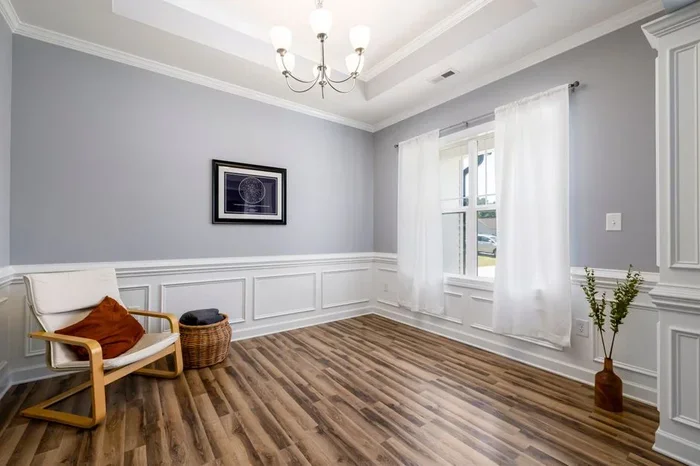
Rustic Living Room Colors That Will Warm Your Home
Rustic living room colors bring warmth, comfort, and natural beauty into your home. Choosing the right rustic living room colors can turn any space into a cozy retreat that feels both inviting and timeless. From warm browns and soft creams to earthy terracotta and muted greens, these palettes work beautifully with natural materials and organic textures. In this guide, you will learn how to pick the perfect shades, pair them with furniture, and avoid common mistakes that ruin the rustic look.
There is something magical about a room that feels warm, grounded, and full of character. Rustic living room colors do exactly that. They pull you in with their gentle warmth and make you want to curl up with a good book and a cup of tea. If you have been searching for the perfect palette to give your living room that cozy, cabin-like feel, you are in the right place.
Choosing rustic living room colors is more than just picking a shade off a paint chip. It is about creating a feeling. A space that tells a story. A room that wraps you in comfort the moment you walk through the door. Whether you love the look of farmhouse warmth or the charm of a mountain cabin, the right colors make all the difference. In this article, we will walk you through the best rustic palettes, how to use them, and simple tips to get the look you want.
Key Takeaways
- Warm earthy tones like browns, creams, and terracotta form the foundation of any rustic color scheme.
- Natural wood hues and organic textures add depth and authenticity to your rustic living room.
- Muted and desaturated colors create a relaxed, calming atmosphere that feels grounded and cozy.
- Accent pieces and wall art can tie your rustic color palette together without overwhelming the space.
- Lighting and natural fibers play a huge role in how your rustic colors feel throughout the day.
- Avoiding overly bright or cool tones is key to keeping the rustic warmth intact.
- Testing paint samples in your actual space ensures the colors look their best in your unique lighting.
📑 Table of Contents
Why Rustic Living Room Colors Work So Well
Rustic living room colors draw from nature. They come from the earth, the trees, the stones, and the sky at sunset. This is why they feel so comforting. Our brains are wired to respond positively to these organic tones. They lower stress and create a sense of peace. That is the real power behind a well-chosen rustic palette.
Another reason these colors work so hard is their versatility. Warm earthy tones pair with almost any style. You can mix them with modern furniture or keep things traditional. They also age beautifully. Unlike trendy bright colors that feel dated quickly, rustic shades stay relevant year after year. A room painted in warm browns and soft creams will still look stunning a decade from now.
The Science Behind Warm Colors
Color psychology plays a big role here. Warm colors like reds, oranges, and yellows stimulate feelings of comfort and security. When you soften these tones into muted versions, you get the cozy warmth that defines rustic spaces. Muted earth tones like sand, clay, and burnt sienna give you that same feeling without being too intense. This is why rustic living room colors are so popular in bedrooms and living areas where relaxation is the goal.
Top Rustic Living Room Color Palettes to Try
Not sure where to start? Here are some of the most popular rustic living room colors that designers and homeowners love. Each palette has a slightly different mood, so you can pick the one that fits your personality and space.
The Classic Warm Neutral Palette
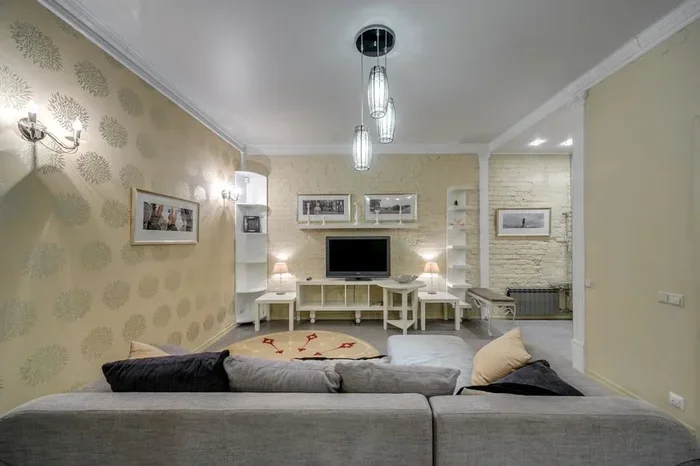
This is the safest and most timeless choice. Think creamy whites, warm beiges, soft taupes, and gentle grays with warm undertones. These warm neutrals create a blank canvas that lets your furniture and decor shine. They also make a small room feel larger and more open.
Pair this palette with natural wood furniture and linen textiles for an effortless look. Add a few accent pieces for living room like a woven throw or a ceramic vase, and you have a space that feels both put-together and relaxed.
The Earthy Terracotta Palette
Terracotta brings a rustic, Mediterranean feel to any room. This palette combines warm oranges, deep reds, and sandy browns. It feels sun-baked and inviting. Terracotta accents work beautifully as wall color, throw pillows, or even a statement rug.
The key to making this palette work is balance. Use terracotta as a dominant or accent color, but anchor it with plenty of cream or white. This prevents the room from feeling too heavy. A few pieces of abstract pictures for living room in warm tones can also add visual interest without cluttering the space.
The Forest-Inspired Palette
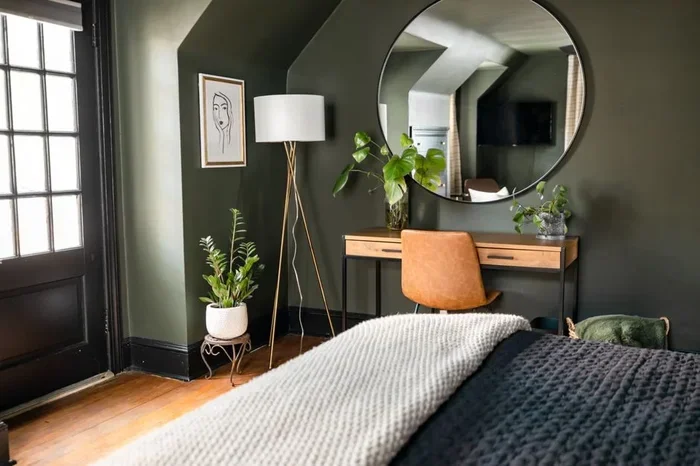
If you love the outdoors, this palette is for you. Think deep forest greens, mossy shades, warm wood browns, and soft charcoal. This combination brings the peace of nature right into your home. It works especially well in rooms with plenty of natural light.
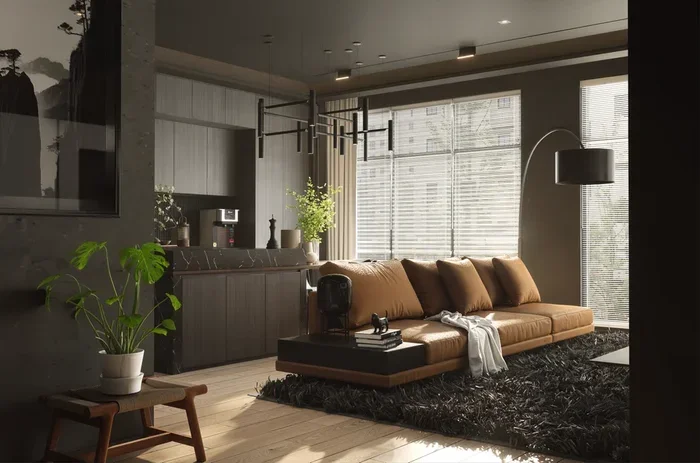
Use forest greens on an accent wall or through upholstery. Pair with natural wood tones for furniture and shelving. This palette pairs beautifully with organic textures like jute rugs, wool blankets, and wooden bowls. The result is a living room that feels like a peaceful cabin retreat.
How to Choose the Right Rustic Colors for Your Space
Picking rustic living room colors is not just about what looks good on a swatch. You need to think about your room size, lighting, and the furniture you already own. Here is how to make the right choice.
Consider Your Natural Light
Rooms with lots of natural light can handle darker, richer tones. If your living room faces north or gets limited sunlight, stick with lighter warm neutrals and soft creams. These will keep the space feeling bright while still maintaining that rustic warmth.
A simple trick is to paint a large swatch on your wall and watch it at different times of day. Colors can look completely different in morning light versus evening light. This small step saves a lot of regret later.
Match Your Existing Furniture
Before you choose your wall colors, look at the furniture you plan to keep. If you have a warm wood coffee table or a leather sofa, you have a head start. Rustic furniture colors like oak, walnut, and distressed wood pair naturally with earthy wall tones.
If you are starting fresh, take your time choosing pieces. Visit a few stores and see what draws you in. When your furniture and wall colors speak the same language, the room instantly feels cohesive. You can also explore options like how to choose furniture for a living room to make sure every piece supports your color vision.
Think About Your Room Size
Dark colors absorb light and can make a small room feel cramped. If you have a compact space, go with lighter rustic shades like soft beige, warm white, or light sand. You can always add depth through textures and accent pieces rather than heavy wall color.
For larger rooms, you have more freedom. Deep browns, charcoal, and rich greens can create a dramatic, enveloping feel. Just make sure you balance them with enough light-colored elements to keep the space from feeling closed in.
Pairing Rustic Colors with Furniture and Decor
The right furniture and decor choices make your rustic living room colors pop. Without the right pieces, even the best palette can fall flat. Here is how to bring it all together.
Choose Furniture with Natural Finishes
Wood furniture is the backbone of any rustic room. Look for pieces with visible grain, natural edges, or a lightly distressed finish. Warm wood tones like honey, cedar, and walnut complement nearly every rustic palette. They add an organic warmth that painted walls alone cannot achieve.
When selecting furniture, think about function too. A sturdy wooden coffee table, a plush sofa in a neutral fabric, and a couple of cozy arm chairs form the foundation. You can always add personality through smaller items like accent pieces for living room and decorative objects.
Use Textiles to Add Depth and Warmth
Textiles are your best friend when working with rustic living room colors. A chunky knit throw, a linen curtain, or a wool rug adds layers of texture that make the room feel complete. These soft elements also absorb sound, making your space feel quieter and more peaceful.
Stick to natural materials like cotton, wool, linen, and burlap. Avoid synthetic fabrics that look and feel too polished. The goal is to create a space that feels honest and grounded. Mix patterns like plaids, stripes, and geometric prints in muted tones for added visual interest.
Add Rustic Wall Decor and Shelving
Walls are the perfect place to layer in your personality. Open shelves for living room made from reclaimed wood can display books, plants, and vintage finds. They add both storage and charm. Hang a collection of framed art in warm tones or nature-inspired prints to tie the wall color into the overall design.
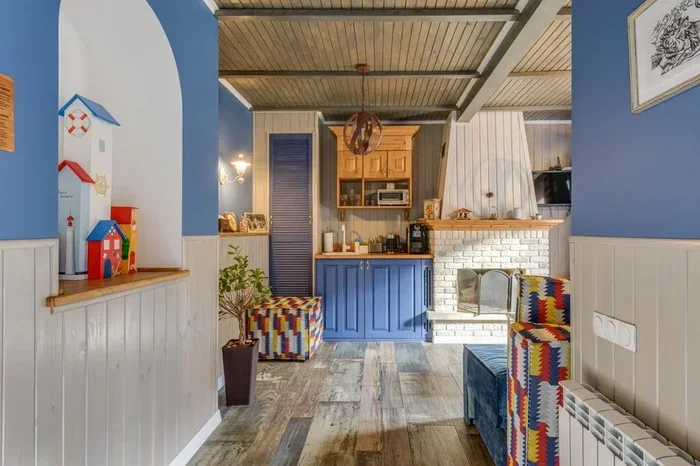
For a more hands-on approach, consider adding shiplap or wainscoting in a complementary shade. These architectural details add character and make a flat wall feel dynamic. They also give you more surface area to play with rustic living room colors without committing to a full paint job.
Common Mistakes to Avoid with Rustic Color Schemes
Even the best intentions can go wrong when working with rustic palettes. Here are some pitfalls to watch out for.
Using Too Much of One Color
While a monochromatic rustic look can be elegant, using one color everywhere gets boring fast. A room painted entirely in dark brown, with brown furniture and brown pillows, feels flat. Instead, follow the 60-30-10 rule: 60% dominant color, 30% secondary color, and 10% accent color. This keeps things balanced and visually interesting.
Ignoring the Floor
Your floor is a huge part of your room’s color story. Dark hardwood floors pair well with lighter wall colors. Light floors can handle darker, richer tones above them. If your floor is neutral, you have more flexibility. Just make sure the wall color and floor tone work together harmoniously.
Skipping the Lighting Factor
Colors change dramatically under different lighting. A warm terracotta that looks gorgeous in daylight can feel overwhelming under a single overhead bulb. Use a mix of warm ambient lighting like table lamps, floor lamps, and candles to set the right mood. Warm lighting also enhances the cozy feel that makes rustic spaces so appealing.
Quick Tips for Nailing the Rustic Look
- Start with a neutral base and build from there with accent colors.
- Use natural materials like wood, stone, and woven fibers throughout the room.
- Hang warm-white or soft yellow bulbs to enhance your rustic color palette.
- Add greenery with real plants or dried flowers for a natural touch.
- Layer rugs, throws, and cushions in varying textures but matching tones.
- Visit a home decor store for inspiration and bring swatches home before committing.
- Take your time. The best rustic rooms develop their character over months and years.
Conclusion
Rustic living room colors have the power to transform any space into a warm, welcoming retreat. By choosing warm earthy tones, pairing them with natural materials, and avoiding common mistakes, you can create a room that feels both beautiful and deeply comfortable. The beauty of rustic design is that it does not need to be expensive or complicated. It just needs to feel real.
Start small if you need to. A fresh coat of warm paint, a few accent pieces for living room, and some cozy textiles can go a long way. Trust your instincts, have fun with the process, and remember that the best rustic rooms are the ones that feel like home. Your perfect rustic living room is waiting to come to life.
Frequently Asked Questions
What are the best rustic living room colors for small spaces?
Stick to light warm neutrals like soft beige, creamy white, and light sand. These rustic living room colors reflect natural light and make small rooms feel more open. You can add depth through textured textiles and a few warm accent pieces without overwhelming the space.
Can I use rustic colors in a modern living room?
Absolutely. Rustic living room colors like warm browns, muted greens, and soft terracotta blend beautifully with modern furniture. The key is balance. Pair a clean-lined sofa with a rustic wood coffee table and natural fiber rugs. This mix of styles creates a look that is both fresh and grounded.
What lighting works best with rustic color palettes?
Warm ambient lighting enhances rustic colors the most. Use table lamps with warm-white bulbs, string lights, or candles to create a cozy glow. Avoid cool-toned LED lights, as they can make warm rustic shades feel flat and uninviting.
How do I prevent my rustic room from feeling too dark?
Use lighter shades for the majority of your walls and keep darker tones as accents. Add plenty of reflective surfaces like mirrors and glass accessories. Good natural light and warm artificial lighting also help keep a rustic room feeling bright and airy.
What fabrics work best with rustic color schemes?
Natural fibers like linen, cotton, wool, and burlap are perfect for rustic rooms. These materials add texture and warmth. Look for fabrics in muted, earthy tones that complement your rustic living room colors without competing for attention.
How often should I update my rustic living room decor?
Rustic design is meant to age gracefully, so you do not need to update often. Swap out small items like throw pillows, blankets, and wall art seasonally. This keeps the room feeling fresh while maintaining the warm, timeless character that defines the rustic style.