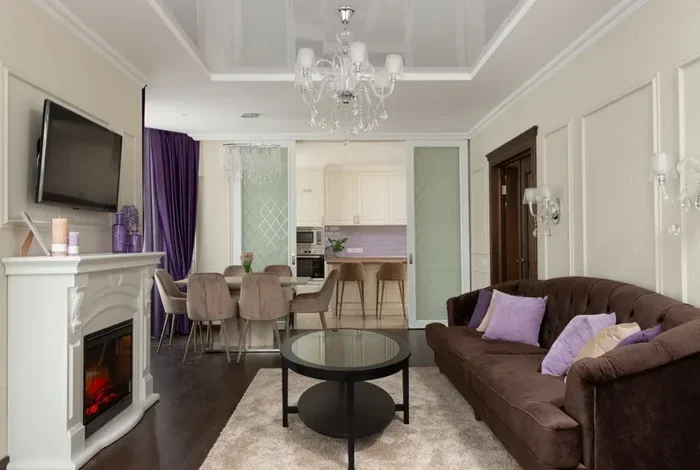
Purple Living Room Walls Ideas To Transform Your Space
Purple living room walls can instantly elevate your home’s style and create a moody, elegant atmosphere. Whether you prefer deep eggplant tones or soft lavender hues, the right purple shade brings warmth and personality to any room. In this guide, you will find practical ideas, color pairing tips, and decor advice to help you choose the perfect purple wall color for your living room.
There is something magical about purple living room walls. This color brings a sense of luxury, creativity, and calm all at once. If you have been staring at blank walls and wondering what to do, purple might be the answer you have been looking for.
Purple is not just a trend. It has been a favorite of designers and homeowners for decades. From deep royal shades to soft pastel lavenders, purple offers endless possibilities. The right purple wall color can make a small room feel cozy or a large room feel intimate and inviting.
In this article, we will walk you through the best purple living room walls ideas. You will learn which shades work best, how to pair them with furniture, and what decor pieces bring the whole look together. By the end, you will feel confident enough to pick the perfect purple for your space.
Key Takeaways
- Choose the Right Shade: Not all purples work the same. Pick a tone that matches your room size, lighting, and personal style.
- Pair With Neutrals: Purple walls look best when balanced with white, gray, or beige furniture and accents.
- Add Texture: Velvet, metallic, and natural materials make purple walls feel rich and inviting.
- Use Accent Pieces Wisely: Gold, brass, and green plants complement purple beautifully.
- Test Before You Commit: Always paint a small patch and observe it in different lighting before committing to a full wall.
- Consider Your Lighting: Natural light changes how purple looks on your walls throughout the day.
- Start Small If Needed: An accent wall is a great way to ease into purple without overwhelming the space.
📑 Table of Contents
Why Purple Works So Well in Living Rooms
Purple has a unique place in color psychology. It blends the energy of red with the calm of blue. This makes it a balanced choice for a room where you relax, entertain, and spend quality time with family.
Here are a few reasons purple works so well:
- It feels luxurious. Purple has long been associated with royalty and elegance. A purple wall instantly adds a touch of sophistication to any room.
- It is versatile. You can go bold with deep plum or keep it soft with lilac. Both directions look stunning.
- It creates mood. Purple walls can make a room feel dreamy, warm, or dramatic depending on the shade you choose.
- It pairs easily. Purple works with a wide range of colors, from crisp whites to earthy greens and warm golds.
If you love the idea of a moody purple room, consider a darker shade like eggplant or aubergine. These tones work especially well in rooms with plenty of natural light or rooms that get evening sun.
Choosing the Right Purple Shade for Your Walls
Not all purples are created equal. The shade you pick will change the entire feel of your room. Here is a simple guide to help you choose.
Light Purple and Lavender
Light purples and lavenders bring a soft, airy feel to a room. They work best in small spaces or rooms that lack natural light. A lavender wall can make your living room feel calm and peaceful, almost like a spa.
These lighter shades pair beautifully with white furniture and wooden floors. They also look lovely with gray and white decor for a modern, clean look.
Medium Purple and Violet
Medium purples like violet or orchid add warmth without being too heavy. They are perfect for living rooms that get a good amount of sunlight. These shades feel vibrant yet sophisticated.
A medium purple wall looks stunning next to neutral-toned sofas and gold accent pieces. It gives the room a pop of color without feeling overwhelming.
Deep Purple and Eggplant
Deep purples make a bold statement. An eggplant wall or a rich plum shade creates a dramatic, cozy atmosphere. These tones work best in larger rooms or rooms with high ceilings.
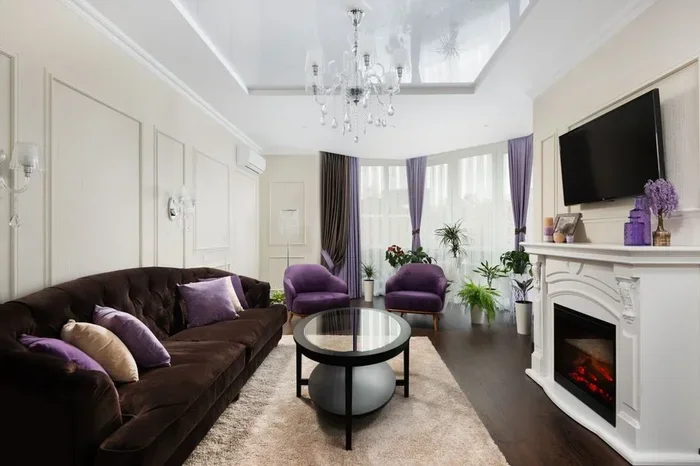
Pair deep purple walls with lighter furniture to keep the room from feeling too dark. A white or cream sofa with metallic accents can balance the richness of the wall color.
Purple Wall Color Combinations
Choosing the right color combo is just as important as picking the shade. Here are some proven combinations that work beautifully with purple walls.
| Wall Color | Best Pairing Colors | Vibe |
|---|---|---|
| Lavender | White, soft gray, beige | Fresh and airy |
| Medium Violet | Cream, gold, warm wood tones | Warm and inviting |
| Deep Eggplant | White, brass, forest green | Dramatic and luxurious |
| Soft Lilac | Light wood, sage green, gray | Calm and organic |
| Plum | Charcoal, gold, deep teal | Rich and moody |
The key is balance. Purple walls can be the star of the room, but you need supporting colors to keep things harmonious. If you are unsure, start with a neutral palette and add purple through smaller elements.
For more ideas on mixing colors and styles, check out our guide on aesthetic living room ideas. It covers a wide range of color schemes and design approaches that pair well with purple.
Furniture and Decor That Complements Purple Walls
Purple walls set the stage, but your furniture and decor bring the room to life. The right pieces can make your purple walls feel intentional and polished.
Sofas and Seating
Neutral-colored sofas work best with purple walls. Think cream, white, soft gray, or beige. These colors let the purple wall shine without competing for attention.
If you want a pop of texture, consider a velvet sofa in a complementary color. Deep green, dusty rose, or even a soft yellow velvet chair can add depth and interest.
Accent Pieces and Accessories
Accent pieces are where you can really have fun. Here are some ideas:
- Gold or brass lamps add warmth and a touch of glamour.
- Green indoor plants bring life and contrast to purple walls.
- Throw pillows in white, gold, or emerald green tie the room together.
- Wall art with abstract or floral designs adds personality.
- Rugs in neutral tones ground the room and prevent it from feeling too colorful.
For more tips on selecting the right pieces, visit our article on accent pieces for living room. It offers practical advice on how to choose accessories that enhance your wall color.
Shelving and Storage
Open shelves against a purple wall can look incredibly stylish. Use them to display books, plants, and small decor items. White or wooden shelves work best because they keep the look clean and balanced.
If you need more storage ideas, our piece on how to decorate shelves in living room has great suggestions for making the most of your wall space.
Common Mistakes to Avoid with Purple Walls
Even the best design ideas can go wrong if you skip a few key steps. Here are common mistakes people make with purple walls and how to avoid them.
- Choosing the wrong shade for your lighting. Purple looks different in bright sunlight versus dim evening light. Always test a sample on your wall first.
- Overdoing the purple. Too much purple can feel overwhelming. Balance it with neutral furniture and plenty of white space.
- Ignoring the floor and ceiling. Your wall color does not exist in a vacuum. Consider how your floor color and ceiling height interact with the purple.
- Skipping the rug and curtains. These soft furnishings play a big role in tying the room together. Choose them with care.
- Forgetting about trim and doors. Paint your trim in white or a light complementary shade to keep the room feeling fresh and defined.
One of the biggest mistakes is rushing the decision. Purple is a bold choice, and you want to love it for years to come. Take your time, gather inspiration, and trust your instincts.
Expert Tips for Painting Purple Living Room Walls
Getting the perfect finish on your purple walls takes a little extra care. Here are some expert tips to ensure a beautiful result.
- Prime your walls first. Purple paint can require an extra coat, especially if you are covering a dark or bright existing color. A good primer makes a big difference.
- Use a high-quality paint. Cheaper paints often show brush strokes and uneven coverage. Invest in a good brand for a smooth finish.
- Paint in natural light. Check your wall color during the day and in the evening. Purple can shift dramatically depending on the light source.
- Apply thin, even coats. Two thin coats always look better than one thick coat. Let each layer dry completely before adding the next.
- Consider the finish. A matte or satin finish works well for purple walls. Avoid high gloss, which can reflect too much light and make the color feel harsh.
These small steps can make the difference between a professional-looking result and a paint job you will want to redo in a few years.
Bringing It All Together
Purple living room walls are more than just a color choice. They are a design statement that reflects your personality and style. Whether you go with a soft lavender or a bold eggplant, the key is to create a space that feels balanced, inviting, and truly yours.
Start by choosing the right shade for your lighting and room size. Pair it with neutral furniture and thoughtful decor. Add texture through velvet, metal, and natural materials. And most importantly, enjoy the process. Your living room is your sanctuary, and it should make you feel happy every time you walk in.
If you love the idea of a purple-themed space, you might also enjoy exploring our article on aesthetic living room decor for more inspiration on creating a cohesive and beautiful home interior.
Purple walls can truly transform your space. They add depth, warmth, and a sense of elegance that few other colors can match. So go ahead, pick up that paintbrush, and bring some purple magic into your living room.
Frequently Asked Questions
What is the best purple shade for small living rooms?
Light purples and lavenders work best in small rooms. They make the space feel open and airy instead of cramped. A soft lilac or pale violet can add color without overwhelming the room.
Can I pair purple walls with a gray sofa?
Absolutely. Gray and purple is a classic combination that looks modern and sophisticated. A light gray sofa against purple walls creates a calm, stylish living room that feels put together with minimal effort.
Do purple walls make a room feel darker?
Deeper shades of purple can make a room feel moody and cozy. However, lighter purples like lavender keep the room bright and fresh. The key is choosing the right shade for your lighting conditions.
What colors go best with purple living room walls?
White, cream, gold, gray, and green all pair beautifully with purple. These colors create balance and let the purple wall be the focal point without competing for attention.
How do I make purple walls feel cozy rather than dramatic?
Use soft lighting, plush textiles, and warm wood tones to create a cozy feel. Add throw blankets, cushions, and warm-toned rugs to soften the look and make the room feel inviting.
Is purple a good color for a living room in a sunny climate?
Yes, purple looks gorgeous in sunny rooms. Natural light enhances the richness of purple without making it feel heavy. Medium shades like violet or orchid thrive in bright, warm spaces.
=== CONCLUSION ===
Purple living room walls offer a beautiful way to add personality, warmth, and elegance to your home. From soft lavender to deep eggplant, there is a purple shade for every style and every room size. The key is to choose wisely, balance your colors, and have fun with the decor.
Remember to test your paint, invest in quality materials, and take your time with the design process. Purple walls can completely change the feel of your living room, turning it into a space you will love spending time in. So go ahead, embrace the purple, and let your living room shine.