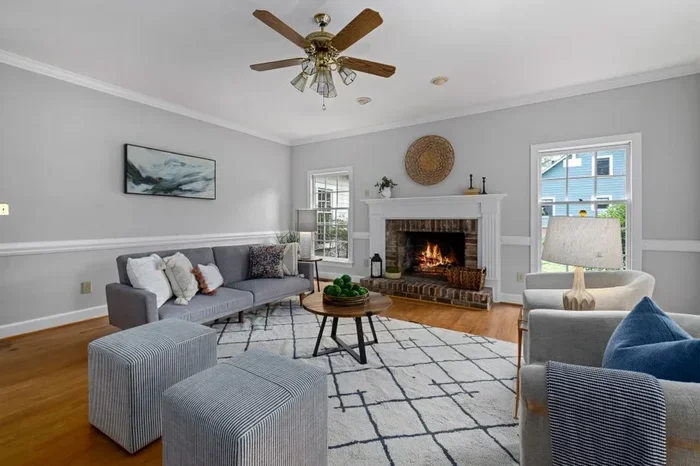
Beautiful Paintings for Living Room Wall Art Ideas
Paintings for living room spaces can completely change the feel of your home. Whether you prefer bold abstracts or serene landscapes, the right wall art brings personality and warmth to any room. This guide covers the best painting styles, placement tips, and design tricks to help you create a living room that looks and feels amazing every single day.
Key Takeaways
- Choose the Right Style: From abstract to minimalist, picking the right painting style sets the entire mood of your living room.
- Size Matters: Matching the size of your paintings to your wall space creates balance and visual harmony.
- Color Coordination: Your wall art should complement your existing furniture, curtains, and accessories for a cohesive look.
- Placement Is Key: Hanging paintings at the right height and grouping them thoughtfully makes a huge difference.
- Mix and Match: Combining different painting sizes, frames, and styles adds depth and visual interest to your walls.
- Budget-Friendly Options: You do not need to spend a fortune to find beautiful paintings for your living room.
📑 Table of Contents
- Why Paintings for Living Room Spaces Matter
- Best Painting Styles for Living Room Walls
- How to Choose the Perfect Paintings for Your Living Room
- Placement Tips for Living Room Paintings
- Common Mistakes to Avoid When Hanging Living Room Art
- Budget-Friendly Ways to Get Beautiful Paintings for Living Room Walls
- Final Thoughts on Paintings for Living Room Walls
Why Paintings for Living Room Spaces Matter
Your living room is the heart of your home. It is where you relax, entertain guests, and spend quality time with family. Paintings for living room walls play a huge role in setting the tone for this important space.
A bare wall can make even the most beautifully furnished room feel empty and cold. A single well-chosen painting changes everything. It adds color, depth, and personality. It tells a story about who you are and what you love.
Wall art is more than decoration. It is a reflection of your taste and style. When you walk into a room with thoughtful artwork, it feels complete. The right piece can make a small room feel larger or give a big room a cozy vibe.
Many people underestimate the power of living room wall paintings. They focus on furniture, lighting, and rugs but forget about the walls. Yet walls take up the most visual space in any room. Making them count is one of the easiest ways to elevate your entire home.
Best Painting Styles for Living Room Walls
Not sure which style suits your space? There are many options to explore. Each style brings a different energy and feeling to your room. Here are the most popular choices for paintings for living room walls.
Abstract Paintings
Abstract art is one of the most popular choices for living rooms. These pieces use bold colors, shapes, and lines to create emotion without depicting real objects. They work beautifully in modern and contemporary spaces.
If you love abstract pictures for living room designs, you are not alone. Abstract paintings add energy and movement to a wall. They are perfect for creating a focal point above a sofa or fireplace.
One great thing about abstract art is its versatility. A vibrant abstract piece can liven up a neutral room. A muted abstract painting can soften a colorful space. The possibilities are endless.
Landscape Paintings
Landscape paintings bring the outdoors inside. Whether it is a serene mountain view, a beach sunset, or a lush forest, nature-inspired art creates a calming atmosphere.
These paintings work well in traditional and rustic living rooms. They also fit beautifully in aesthetic living room ideas that lean toward a natural, earthy vibe. A large landscape painting above a sofa instantly makes the room feel open and peaceful.
Minimalist Paintings
Less is more with minimalist art. These pieces use simple shapes, limited colors, and clean lines. They are perfect for people who prefer a clean, uncluttered look.
Minimalist paintings pair well with aesthetic living room decor that focuses on simplicity and elegance. A single small canvas on a large white wall can be just as powerful as a gallery wall full of art. The key is restraint and intention.
Oil Paintings and Classical Art
Oil paintings bring a timeless, elegant feel to any room. Rich textures and deep colors create a sense of warmth and sophistication. Classical art pieces work beautifully in traditional and vintage-inspired living rooms.
If your furniture has classic lines or rich wood tones, oil paintings complement them perfectly. They add a layer of refinement that modern prints sometimes lack. A single oil painting above a mantelpiece can become the centerpiece of the entire room.
Pop Art and Bold Colorful Pieces
Pop art uses bright colors, bold outlines, and playful imagery. It adds fun and energy to a living room. These pieces are perfect for eclectic or modern spaces that embrace color.
Bold paintings work best when the rest of the room has a neutral base. A colorful piece against white walls and neutral furniture really pops. It becomes the conversation starter every guest notices.
How to Choose the Perfect Paintings for Your Living Room
Choosing the right wall art for living room can feel overwhelming. There are so many options out there. But a few simple guidelines can make the process much easier and more enjoyable.
Consider Your Room’s Color Palette
Look at the colors already in your room. What are your sofa cushions, curtains, and rug colors? Your painting should complement these existing colors, not clash with them.
A good rule of thumb is to pull one or two colors from your room into the artwork. This creates a natural flow and makes the space feel coordinated. You do not need an exact match, just a harmony of tones.
Match the Scale to Your Wall Space
A tiny painting on a huge wall gets lost. A massive painting on a small wall feels overwhelming. Measure your wall space before you buy anything.
As a general guide, your painting should take up about two-thirds to three-quarters of the furniture below it. For a standard sofa, that usually means a piece that is at least 24 to 36 inches wide. This proportion creates visual balance and makes the art feel intentional.
Think About Your Personal Taste
Your living room should reflect who you are. Do not choose a painting just because it is trendy if it does not speak to you. The best living room wall paintings are the ones you love looking at every day.
Think about what moves you. Do you love the ocean? Choose seascapes. Are you drawn to geometric shapes? Go for abstract or modern art. Your personal connection to the art makes the room feel authentic.
Frame Matters
The frame of a painting affects its overall look just as much as the art itself. A thin white frame feels modern and clean. A thick gold frame feels classic and elegant. A raw wooden frame adds a rustic, earthy touch.
Match your frame style to your room’s overall aesthetic. If your furniture is sleek and modern, choose simple frames. If your room has a vintage feel, ornate frames can add to the charm.
Placement Tips for Living Room Paintings
Where you hang your paintings matters just as much as which ones you choose. Proper placement ensures your art looks its best and enhances the room’s flow.
The Golden Rule: Eye Level
The center of your painting should hang at about 57 to 60 inches from the floor. This is considered eye level for most people. It is the standard used in galleries and museums for good reason.
When hanging art above furniture, keep the bottom of the frame about 6 to 8 inches above the furniture piece. This creates a natural visual connection between the art and the sofa or console below it.
Creating a Gallery Wall
A gallery wall is a collection of smaller paintings arranged together on one wall. It is a fantastic way to display multiple pieces and add visual interest to a large blank space.
Start by laying out your pieces on the floor first. Arrange them in a pattern you like before hanging anything on the wall. Mix different frame styles for an eclectic look, or keep them uniform for a more polished appearance. A well-designed gallery wall can truly transform a plain wall into a stunning feature.
Using Paintings Above Furniture
Paintings above sofas, sideboards, and consoles are classic placement choices. They anchor the furniture to the wall and give the room a finished look.
For a sofa, choose a painting that is at least two-thirds the width of the sofa. For a console table, a single medium-sized piece or a pair of smaller matching works works beautifully. Avoid hanging art too high above furniture, as it creates an awkward gap that visually disconnects the pieces.
Corner Placement
Do not forget about your corners. A tall painting or a set of stacked pieces in a corner adds dimension and draws the eye around the room. This technique works especially well in accent pieces for living room arrangements where you want to create visual depth.
Common Mistakes to Avoid When Hanging Living Room Art
Even with the best intentions, many people make avoidable mistakes when decorating their walls with paintings. Here are the most common ones to watch out for.
- Hanging art too high: This is the number one mistake people make. Art hung too high makes the room feel disconnected and awkward.
- Choosing the wrong size: A painting that is too small for the wall looks lost. One that is too large overwhelms the space.
- Ignoring the room’s lighting: Good lighting makes artwork shine. Consider adding picture lights or placing art near natural light sources.
- Matching everything too perfectly: Your art does not need to match every other item in the room. A little contrast adds character and visual interest.
- Skipping the gallery wall option: Some people avoid grouping art because they are unsure how to arrange it. A little planning goes a long way.
Budget-Friendly Ways to Get Beautiful Paintings for Living Room Walls
You do not need a huge budget to fill your walls with beautiful art. There are many affordable options that look just as stunning as expensive originals.
Prints and art reproductions are an excellent starting point. They give you access to famous artworks and high-quality designs at a fraction of the cost. Look for giclée prints, which offer museum-quality reproduction on fine art paper or canvas.
Local art fairs and community markets often feature emerging artists selling original work at reasonable prices. You can find unique pieces that no one else has while supporting local talent. Online marketplaces also offer a wide range of affordable options from independent artists around the world.
DIY is another great route. If you enjoy crafting, try creating your own abstract paintings or watercolor pieces. Even simple canvas paintings can look stunning when framed well and placed thoughtfully in your space.
Remember, the value of a painting comes from how much you love it, not how much it costs. A heartfelt piece you found at a small market can mean more than a mass-produced print from a big store.
Final Thoughts on Paintings for Living Room Walls
Choosing paintings for living room spaces is one of the most rewarding parts of home decorating. The right artwork transforms blank walls into personal galleries. It adds color, texture, and meaning to your everyday environment.
Start by identifying your style, considering your room’s colors, and measuring your wall space. Then have fun exploring different options. Mix styles if you want. Change your art seasonally if it brings you joy. There are no hard and fast rules, only what makes your space feel like home.
Take your time. The perfect painting is out there waiting for you. And once you find it and hang it on your wall, your living room will feel complete in a way it never did before.
Frequently Asked Questions
What size painting is best for a living room wall?
A painting should be about two-thirds to three-quarters the width of the furniture it hangs above. For most standard sofas, a piece that is 24 to 36 inches wide works well. The key is proportion, so measure your wall and furniture before purchasing.
How many paintings should I hang in my living room?
There is no set number. It depends on your wall space and personal style. A single large painting makes a bold statement. A gallery wall of smaller pieces adds visual interest. Start with one or two pieces and build from there based on how the room feels.
What colors should my living room paintings be?
Choose colors that complement your room’s existing palette. Pull one or two colors from your sofa, curtains, or rug into the artwork. You can also use bold, contrasting colors for a statement piece against neutral walls and furniture.
Can I mix different painting styles in my living room?
Absolutely. Mixing styles adds personality and depth to your space. Just make sure there is some visual connection between the pieces, such as a shared color palette, similar frame styles, or a cohesive theme that ties them together.
Where should I hang paintings in my living room?
Hang paintings at eye level, about 57 to 60 inches from the floor. Place them above sofas, consoles, or fireplaces for the most balanced look. The bottom of the frame should sit about 6 to 8 inches above the furniture piece below it.
Are prints a good alternative to original paintings?
Yes, prints are an excellent and affordable alternative. High-quality giclée reproductions look stunning and cost much less than originals. They allow you to enjoy beautiful artwork without a large investment, and you can always upgrade to originals later if you wish.
=== CONCLUSION ===
Paintings for living room walls are one of the simplest and most effective ways to transform your home. They add color, personality, and warmth to any space. Whether you choose bold abstracts, serene landscapes, or minimalist pieces, the right art makes your living room feel complete.
Use the tips in this guide to choose styles that match your taste, sizes that fit your walls, and placement that enhances your room’s flow. Take your time, trust your instincts, and enjoy the process of making your living room truly yours. Your walls are waiting to tell your story.