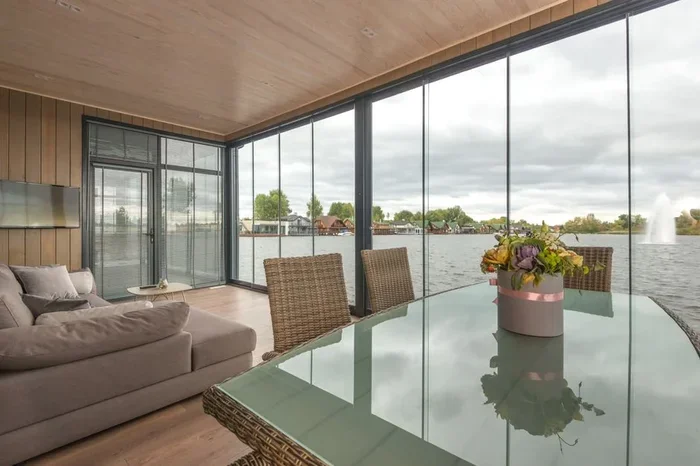
Neutral Living Room With Pops of Color Inspiration
A neutral living room with pops of color is one of the most popular and timeless decorating approaches today. By starting with a calm neutral base and adding vibrant color accents, you create a space that feels both sophisticated and lively. This guide shares practical tips, color combinations, and real decorating ideas to help you transform any room into a stylish retreat that reflects your personality.
A neutral living room with pops of color is one of the easiest ways to create a space that feels both calming and exciting. Think of it as a blank canvas where you get to decide how much personality to add. Whether you love soft beige walls or prefer warm gray tones, the right color accents can completely change the mood of your room.
Decorating with neutrals does not mean your space has to feel boring. In fact, some of the most Instagram-worthy living rooms start with a simple neutral base and then come alive through thoughtful pops of color. The trick is knowing which colors to choose, where to place them, and how much is enough.
This guide walks you through everything you need to know about creating a beautiful neutral living room that feels fresh, modern, and full of character. From choosing your base colors to adding statement accessories, you will find practical tips you can use right away.
Key Takeaways
- Start with a neutral foundation: Walls, large furniture, and rugs set the tone for a balanced room.
- Use bold accents strategically: Throw pillows, artwork, and colorful furniture add energy without overwhelming the space.
- Follow the 60-30-10 rule: This classic color ratio keeps your neutral living room with pops of color looking polished.
- Mix textures and materials: Combining different fabrics and finishes adds depth to a neutral palette.
- Add statement pieces: A single bold item can anchor the entire room’s color story.
- Keep it personal: Choose colors and accents that reflect your style and make you feel at home.
📑 Table of Contents
Why Neutral Living Rooms Work So Well
Neutral colors like white, beige, gray, and cream have been popular in interior design for decades. And for good reason. They create a calm backdrop that makes any room feel open and inviting. When you add pops of color, the contrast brings energy and visual interest to the space.
One of the biggest advantages of a neutral living room with pops of color is flexibility. If you get tired of a certain accent color, you can swap it out easily without redoing the entire room. Paint stays on the walls, but your accessories can change with the seasons or whenever you want a new look.
The Psychology of Neutrals
Neutral colors have a calming effect on the mind. They make a room feel peaceful and balanced. Gray and beige tones reduce visual clutter and help the eye rest. This is why so many designers recommend neutral bases for spaces where people relax and unwind.
When you introduce color into this calm setting, it creates focal points. Your eye goes straight to the colorful elements. This is how you guide attention in a room without making it feel chaotic. A bright yellow throw pillow on a gray sofa instantly becomes the star of the space.
Choosing Your Neutral Base
The foundation of any great neutral living room starts with your base colors. This includes your wall color, large furniture pieces, and main rugs. Getting this part right makes adding color accents much easier and more effective.
Wall Colors for a Neutral Base
White and off-white are classic choices. They make rooms feel bright and spacious. Warm whites like cream or ivory add a cozy touch. Gray walls bring a modern, sleek feel. Greige, which is a mix of gray and beige, works beautifully in almost any style of home.
When picking a wall color, always test a sample first. Paint a small section and look at it in different lighting throughout the day. Natural light and artificial light can change how a neutral color looks dramatically.
Furniture and Large Pieces
Your sofa, coffee table, and main storage pieces should anchor the room in neutral tones. A beige or gray couch works perfectly as a starting point. Wooden furniture in natural tones also fits the neutral palette beautifully.
If you already have furniture in bold colors, you can still create a neutral base by covering pieces with neutral slipcovers or throws. This is an easy and affordable way to reset the look of your living room design without buying new furniture.
For more ideas on arranging your furniture effectively, check out this guide on how to place furniture in living room to make the most of your neutral base.
Adding Pops of Color: The Fun Part
This is where your neutral living room with pops of color really comes to life. The key is to be intentional about where you add color. Random splashes of bright hues can feel messy, but strategic color placement creates a polished and curated look.
The 60-30-10 Color Rule
The 60-30-10 rule is a classic decorating guideline that works wonders. Here is how it breaks down:
- 60% neutral tone: This is your dominant color, usually your walls and large furniture.
- 30% secondary neutral: Think rugs, curtains, and larger accent pieces in a complementary neutral shade.
- 10% pops of color: This is your bold accent color, used in smaller items like pillows, art, and decor objects.
Following this ratio keeps your room balanced. The neutral colors give your eyes a place to rest, while the color accents provide excitement and personality.
Best Color Accents for Neutral Rooms
Not sure which colors to add? Here are some tried-and-true options that pair beautifully with neutrals:
- Yellow: Adds warmth and energy. Great for sunny living rooms.
- Teal or turquoise: Brings a refreshing, coastal vibe to any space.
- Terracotta: Adds warmth and earthiness, perfect for fall and winter decor.
- Emerald green: Creates a rich, luxurious feel against beige or gray tones.
- Coral or blush pink: Softens the room with a gentle, inviting pop.
- Navy blue: Adds depth and sophistication to any neutral palette.
You do not need to use all of these. Pick one or two accent colors and stick with them throughout the room. Consistency is what makes the look feel intentional and cohesive.
Where to Place Color Accents
Color works best when it appears in multiple spots across the room. This creates a sense of flow and connection. Here are the best places to add your pops:
- Throw pillows: These are the easiest and most affordable way to add color. Mix sizes and textures for a layered look.
- Artwork and wall decor: A colorful painting or print can become the centerpiece of the room.
- Rugs: A rug with a colorful pattern ties the whole room together.
- Curtains: Colored curtains add a bold backdrop that frames the entire space.
- Small furniture pieces: A colorful accent chair or a vibrant side table can anchor a seating area.
- Books and objects on shelves: Stack colorful books and place decorative objects in coordinating hues.
For more inspiration on selecting the right accent pieces, take a look at these accent pieces for living room ideas that can elevate any neutral space.
Living Room Design Ideas for Neutral Spaces
Let us look at some real-world examples of how to style a neutral living room with pops of color. These ideas work for different tastes and budgets.
Idea 1: The Warm and Cozy Look
Start with warm beige walls and a cream-colored sofa. Add a terracotta area rug and golden throw pillows. Place a few green plants around the room for a natural touch. Hang warm-toned artwork on the walls. This creates a living room that feels inviting and perfect for relaxing evenings.
Idea 2: The Modern and Bold Look
Use gray walls and a charcoal sectional as your base. Add bright yellow throw pillows and a teal accent chair. Hang a large abstract painting with splashes of yellow and teal. Keep the rest of the decor minimal to let the colors stand out. This style feels fresh, energetic, and very contemporary.
Idea 3: The Soft and Feminine Look
Paint walls a soft white and use a light wood coffee table. Add blush pink and dusty rose accents through pillows and a floral rug. Place a golden lamp on the side table for warmth. This look feels gentle, elegant, and perfect for creating a serene retreat.
For more creative living room ideas that work with neutral bases, explore these aesthetic living room ideas to find styles that match your taste.
Common Mistakes to Avoid
Even with the best intentions, it is easy to make decorating mistakes. Here are some common ones to watch out for when adding color to a neutral living room.
Using Too Many Accent Colors
The biggest mistake people make is adding too many colors at once. If every pillow, every vase, and every rug is a different hue, the room starts to feel noisy and chaotic. Stick to two or three accent colors maximum. This keeps the look clean and intentional.
Ignoring the Floor and Ceiling
Sometimes people focus only on wall color and furniture but forget about the floor and ceiling. A colorful rug can ground the room, while a subtle ceiling color can add a surprising touch of depth. Make sure every element in the room works together.
Forgetting About Lighting
Lighting changes everything. Natural light makes colors feel fresh and alive. Warm artificial light can make neutrals feel cozy but can also dull bright accent colors. Consider how your room looks at different times of day before finalizing your color choices.
Skipping Texture
A neutral living room with pops of color needs more than just color variation. Texture adds depth and interest. Mix smooth fabrics with rough textures, shiny surfaces with matte finishes. A chunky knit throw on a leather sofa creates a beautiful contrast that makes the room feel rich and layered.
Expert Tips for a Stunning Neutral Room
Professional interior designers use a few tricks that make a big difference. Here are some expert insights to help you nail the look.
Use a Color Story Board
Before you buy anything, create a simple color board. Pin up swatches of your wall color, fabric samples, and paint chips for accent items. Arrange them together and see how they look as a group. This helps you spot clashes before you spend any money.
Add Metallic Accents
Gold, brass, and copper tones work beautifully in neutral rooms. They add a subtle shimmer that catches the light and makes the space feel polished. A gold picture frame or a brass lamp can serve as a neutral accent that still adds visual interest.
Let Nature Inspire You
Nature is the best color palette designer. Look at a sunset, a garden, or even a beach for inspiration. The colors found in nature always work well together because they are already harmonized. Bring those tones into your living room through your accent choices.
For tips on styling surfaces and tables within your neutral room, check out this guide on how to style a side table in living room for practical and stylish suggestions.
How to Arrange Furniture in a Neutral Living Room
The way you arrange your furniture affects how the color pops are perceived in the room. Good furniture placement ensures that colorful accents are visible and create a natural flow throughout the space.
Start by placing your largest neutral piece, usually the sofa, against the main wall or as the focal point of the room. Arrange seating so that it faces the main visual anchor, whether that is a fireplace, a TV, or a piece of colorful artwork.
Use colorful accent chairs to define different seating areas in open-concept spaces. A bright orange armchair next to a neutral gray sofa creates a natural conversation nook. Place colorful throw blankets and pillows on each seat to tie the color scheme together.
For more detailed guidance on furniture arrangement, this article on how to arrange living room furniture with tv offers helpful strategies that work well with neutral bases and colorful accents.
Quick Tips for Success
- Start small. You do not need to redecorate the entire room at once.
- Purchase one or two colorful items first and build from there.
- Use the same accent color in at least three different places for a cohesive look.
- Add plants. Green is a natural color that complements any neutral palette.
- Rotate your accessories seasonally to keep the room feeling fresh.
- Take photos of your room from different angles to see how the colors balance.
Conclusion
Creating a neutral living room with pops of color is one of the most rewarding decorating projects you can take on. It gives you the best of both worlds: a calm, sophisticated base paired with vibrant accents that express your personality. The neutral foundation keeps the space timeless, while the color pops make it feel alive and current.
Remember to start with a solid neutral base, follow the 60-30-10 rule, and choose your accent colors with intention. Avoid common mistakes like using too many colors or ignoring texture and lighting. With the tips and ideas in this guide, you have everything you need to create a living room that looks stunning and feels like home.
Start small, have fun with it, and let your neutral living room evolve over time. The best rooms are never finished, they just keep getting better with each new addition.
Frequently Asked Questions
What colors work best with a neutral living room?
Warm tones like terracotta, mustard yellow, and coral pair beautifully with beige and cream neutrals. Cool tones like teal, navy, and emerald green work well with gray bases. The best color choice depends on the mood you want to create and the natural light in your room.
How many accent colors should I use in a neutral living room?
Stick to two or three accent colors maximum. Using more than three can make the room feel cluttered and chaotic. Pick your main accent color and one or two supporting shades, and use them consistently throughout the space.
Can I add pops of color if I already have colored furniture?
Yes, but keep the balance in mind. If your furniture is already colorful, use more neutral accents to ground the room. If your furniture is neutral, you have more freedom to add bold color through pillows, art, and decor items.
How do I make pops of color feel intentional rather than random?
Repeat each accent color at least two or three times in the room. This creates a sense of connection and purpose. Also, group colorful items together rather than scattering them randomly. A cohesive color story looks deliberate and polished.
What are the easiest pops of color to add to a neutral room?
Throw pillows, blankets, and artwork are the easiest and most affordable ways to add color. You can swap them out anytime without making a permanent change. Rugs and curtains are also simple updates that make a big visual impact.
How often should I update the color accents in my living room?
There is no set schedule. Some people change accents seasonally for a fresh look. Others keep the same palette for years and simply swap out small items when they get tired of them. Follow your instincts and update whenever it feels right for you.