Cozy Aesthetic Living Room Ideas to Transform Your Space
A cozy aesthetic living room blends warmth, comfort, and personal style to create a space you never want to leave. This guide covers everything from soft lighting and warm color palettes to layered textiles and hygge-inspired decor. You will learn practical tips, common mistakes to avoid, and expert insights that make styling easy. Whether you are refreshing a single room or redesigning your entire home, these ideas deliver real results.
Creating a cozy aesthetic living room is one of the most rewarding home projects you can take on. It is not about following trends or spending a fortune. It is about building a space that feels warm, welcoming, and truly yours. A well-designed living room becomes the heart of your home. It is where you relax, connect with loved ones, and recharge after a long day.
The good news is that you do not need a huge budget or professional training. With the right approach, anyone can transform their space into a cozy retreat. This guide walks you through proven strategies, simple swaps, and creative ideas that work in any home. Let us dive in and explore how to bring that cozy feeling to life.
## Why a Cozy Aesthetic Living Room Matters
Your living room sets the tone for your entire home. It is the first room guests see and the place you return to every evening. When it feels good, everything else falls into place. A well-styled living room can reduce stress, improve your mood, and make everyday moments feel special.
Think about the last time you walked into a beautifully designed space. Did it make you feel calm? Did you want to sit down and stay a while? That is the power of intentional design. A cozy aesthetic living room does not just look good. It makes you feel good too.
### The Psychology of Comfort
Colors, textures, and lighting all influence how we feel in a room. Warm tones like soft beige, muted terracotta, and dusty rose create a sense of grounding. Soft lighting signals our brains that it is time to relax. These small details work together to build a space that supports rest and connection.
Interior design experts often talk about the concept of hygge. This Danish word describes a feeling of warmth, comfort, and contentment. It is at the core of cozy home design. You do not need to be Danish to embrace it. Simple choices in your living room decor can bring this feeling to life every single day.
## Choosing the Right Color Palette
Color is the backbone of any cozy aesthetic living room. The right palette sets the mood before you even add furniture or accessories. Warm, muted tones work best because they feel soothing and inviting. Avoid harsh whites or bright colors that can feel cold or overwhelming.
### Warm Neutral Tones
Soft neutrals are the safest and most versatile choice for a warm living room. Think cream, taupe, warm gray, and sandy beige. These colors create a calm backdrop that lets your furniture and decor shine. They also make a small room feel more spacious and open.
Here are some popular warm neutral combinations to try:
– Cream walls with taupe sofa and beige rugs
– Warm gray walls with soft white trim and muted terracotta accents
– Sandy beige walls with dusty rose throw pillows and wooden furniture
### Adding Depth with Accent Colors
Once you have your base neutral, add depth with accent colors. Muted gold, olive green, burnt orange, and deep burgundy all work beautifully. Use these accents sparingly through pillows, blankets, curtains, and artwork. This keeps the room feeling balanced rather than chaotic.
A quick tip is to follow the 60-30-10 rule. Sixty percent of your room should be your dominant neutral. Thirty percent should be a secondary tone. Ten percent should be your accent color. This simple formula creates harmony and visual interest without any guesswork.
## Lighting for a Warm and Inviting Atmosphere
Lighting can make or break the cozy feel of a living room. Harsh overhead lights create a cold, clinical atmosphere. Soft, layered lighting does the opposite. It adds warmth, depth, and a sense of intimacy to any space.
### Layered Lighting Explained
Layered lighting means using multiple light sources at different heights and purposes. This approach gives you flexibility and control over the mood of your room. Here is how to layer your lighting effectively:
1. Start with ambient lighting. A floor lamp or wall sconce provides gentle overall glow.
2. Add task lighting for reading or working. A table lamp next to your favorite chair works perfectly.
3. Use accent lighting to highlight art or architectural features. String lights or candles create a magical touch.
### Embracing Candlelight and Warm Bulbs
Candlelight is one of the easiest ways to create instant coziness. Place candles on your coffee table, mantel, or windowsill. Even flameless candles add a warm glow and a lovely scent. Pair them with warm-toned light bulbs in your lamps. Bulbs labeled 2700K or lower give off a soft yellowish warmth that feels much more inviting than cool white light.
Expert designers often suggest dimmer switches for your main lights. This simple upgrade lets you adjust brightness throughout the day. In the evening, dimming the lights by even 20 percent can transform the entire feel of your room.
## Furniture and Layout for Comfort
The furniture you choose shapes how your living room feels and functions. For a cozy aesthetic living room, comfort should always come before style. That does not mean you have to sacrifice beauty. Many pieces today combine both perfectly.
### Selecting Comfortable Seating
Your sofa and chairs are the anchors of the room. Choose pieces that invite you to sink in and relax. Deep seats, soft cushions, and supportive backs make all the difference. Materials like velvet, chenille, and soft leather add tactile warmth that bare arms or leather can never match.
Consider the scale of your furniture carefully. A massive sectional can overwhelm a small room. A tiny loveseat can look lost in a large space. Measure your room first and leave enough walking space around each piece. A good rule is to keep at least 30 inches between furniture for easy movement.
### Creating a Cozy Nook
One of the best ways to add character to your living room is by creating a dedicated cozy nook. This could be a reading corner by the window, a window seat with cushions, or a small seating area in a corner. Add a soft blanket, a side table for your coffee, and a good reading lamp. This small addition gives the room a focal point and a place for quiet relaxation.
## Textiles and Soft Furnishings
Textiles are the secret weapon of cozy home design. They add texture, warmth, and visual richness to any room. A well-curated mix of fabrics makes a space feel layered and thoughtfully designed.
### Layering Rugs, Throws, and Pillows
Start with a large area rug that anchors your furniture arrangement. It should be big enough that the front legs of your sofa and chairs sit on it. This creates a defined seating area and adds softness underfoot.
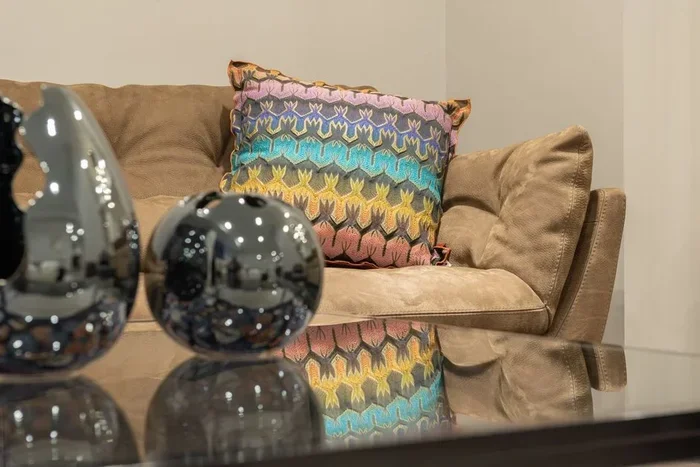
Next, layer your textiles on the furniture. Mix different sizes, shapes, and textures of throw pillows. Combine knit cushions with velvet ones, or add a faux fur throw for extra softness. Draping a blanket over the arm of your sofa looks intentional and inviting.
Here are some texture combinations that work beautifully together:
– Velvet pillows with a chunky knit throw and a jute rug
– Linen cushions with a faux fur blanket and a wool area rug
– Chenille sofa covers with embroidered pillows and a cotton runner
### Natural and Organic Fabrics
Natural materials bring an earthy warmth that synthetic fabrics cannot replicate. Cotton, linen, wool, and jute all breathe well and age gracefully. They also add a touch of rustic charm that complements the cozy aesthetic perfectly. Look for throws and pillow covers made from organic or sustainably sourced materials for an extra feel-good factor.
## Decorative Accents and Personal Touches
Decor is where your personality truly shines through. Without the right accents, a room can feel incomplete or impersonal. The right decorative elements tie everything together and make the space feel like home.
### Artwork and Wall Decor
Choose artwork that reflects your taste and enhances the warm mood of the room. Soft landscapes, abstract pieces in warm tones, or botanical prints all work well. Hang art at eye level for the best visual impact. A gallery wall with a mix of framed prints, photographs, and small shelves adds depth and interest.
### Natural Elements and Greenery
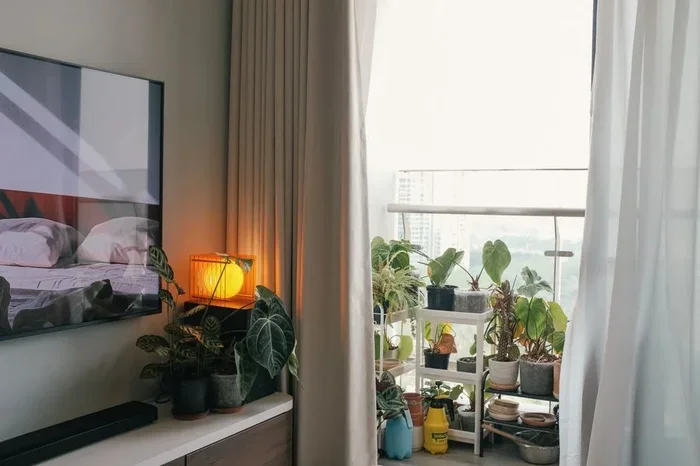
Bringing nature indoors is one of the easiest ways to boost the cozy feel of any room. Plants clean the air and add life and color. Choose low-maintenance options like pothos, snake plants, or peace lilies if you are a beginner. A small potted tree or a cluster of succulents on the coffee table adds a natural, grounded feel.
Wooden accessories also play a big role. A wooden tray, a bamboo lamp base, or a live-edge shelf adds rustic charm and warmth. Stone elements like a marble coaster set or a geode paperweight add subtle texture and interest.
## Common Mistakes to Avoid
Even with the best intentions, it is easy to make mistakes when designing a cozy living room. Awareness of these pitfalls helps you create a space that feels intentional and balanced.
### Overcrowding the Room
One of the most common mistakes is adding too much furniture or decor. A cluttered room feels chaotic and stressful, not cozy. Leave breathing room between pieces. Choose quality over quantity. A few well-chosen items always look better than a crowded collection.
### Ignoring Scale and Proportion
Furniture that is too large or too small for the room throws off the entire balance. A tiny coffee table in a large room looks lost. An oversized sectional in a small room makes the space feel cramped. Always consider the proportions of your room before making any purchase.
### Neglecting the Lighting
Many people rely on a single overhead light and call it done. This creates flat, unflattering illumination. Layered lighting is essential for creating depth and warmth. Combine floor lamps, table lamps, wall sconces, and candles for the best results.
## Quick Tips for Instant Coziness
If you want quick wins that transform your room right away, try these simple strategies:
– Swap out cool-toned lampshades for warm-toned ones in soft white or cream
– Add a large throw blanket to your sofa in a warm texture
– Group candles of varying heights on your coffee table
– Bring in a small potted plant or a vase of dried flowers
– Layer a plush area rug over hard flooring
– Hang warm-toned curtains that frame your windows beautifully
– Display a stack of coffee table books with a small tray and candle on top
These small changes take minutes but make a noticeable difference. They are the easiest way to start building your cozy aesthetic living room right now.
## Conclusion
Designing a cozy aesthetic living room is about more than just decorating. It is about creating a space that nourishes your soul and welcomes everyone who walks through the door. From choosing the right warm color palette to layering soft textiles and adding personal touches, every detail matters. The beauty of this style is that it does not require perfection. It requires intention and heart.
Start with one or two changes and build from there. Add a new throw pillow, swap a lampshade, or introduce a plant. Small steps lead to big transformations. Your ideal living room is closer than you think. Trust your instincts, enjoy the process, and let your space reflect who you are.
Key Takeaways
- Warm tones and soft lighting set the foundation for a cozy aesthetic living room that feels inviting all year round.
- Layered textiles like throw pillows, blankets, and rugs add depth and comfort to any seating area.
- Natural elements such as wood, plants, and stone bring rustic charm and balance to your interior design.
- Personal decorative accents make the space uniquely yours and strengthen the cozy home design feel.
- Avoiding clutter and choosing the right furniture scale keeps the room comfortable and visually appealing.
- Small changes like swapping lampshades or adding candlelight ambiance can transform a room quickly.
Frequently Asked Questions
What colors make a living room feel cozy?
Warm neutrals like cream, taupe, warm gray, and beige form the perfect base. Accent with muted gold, olive green, terracotta, or dusty rose for depth. These tones create a soft, inviting atmosphere that feels grounding and relaxing.
How can I make my living room cozier without spending much money?
Start with affordable swaps like adding throw pillows, a soft blanket, or warm-toned lampshades. Candles, plants, and rearranging your furniture layout cost little but make a big impact. A new area rug or framed print can also refresh the space quickly.
What is the hygge concept and how does it relate to interior design?
Hygge is a Danish concept centered on comfort, warmth, and contentment. In interior design, it translates to soft lighting, natural materials, cozy textiles, and a clutter-free environment. Embracing hygge means creating a space that feels safe, peaceful, and deeply inviting.
What type of lighting is best for a cozy living room?
Layered lighting works best. Combine ambient light from a floor lamp, task light from a table lamp, and accent light from candles or string lights. Use warm-toned bulbs (2700K or lower) and consider adding dimmer switches for full control over the room’s brightness and mood.
How do I choose the right furniture for a small cozy living room?
Focus on scale and comfort. Choose pieces that fit the room without crowding it. A compact sofa with deep seats, a small armchair, and a appropriately sized coffee table work well. Prioritize soft fabrics and warm wood tones to maintain the cozy feel even in a smaller space.
Can I mix different styles in a cozy aesthetic living room?
Absolutely. The cozy aesthetic is flexible and personal. You can blend rustic, modern, boho, or minimalist elements as long as they share warm tones, soft textures, and an inviting feel. The key is to keep the palette cohesive and avoid clutter so the room still feels harmonious.