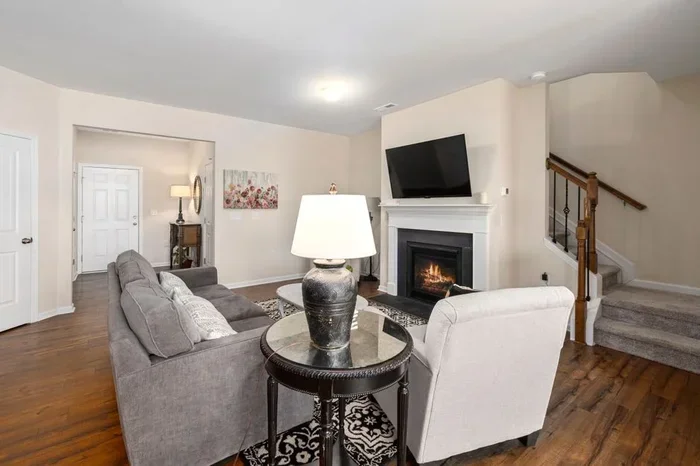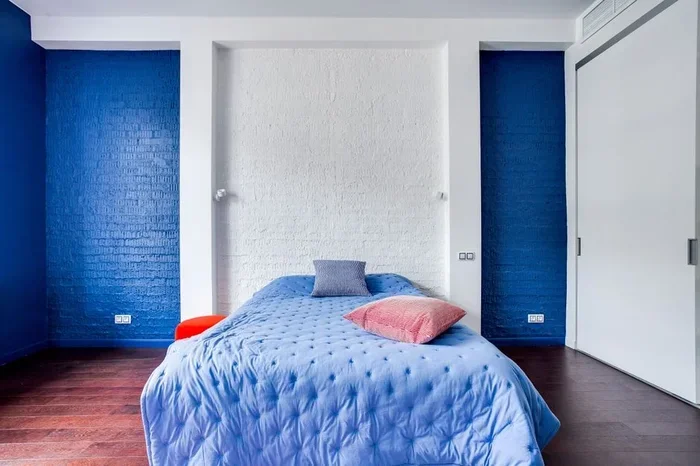
Modern Living Room Wall Design Trends You Will Love
Modern living room wall design is the easiest way to refresh your entire home without a full renovation. You will learn about trending accent walls, textured finishes, color palettes, and decor styling tips that work in any living space. These ideas help you create a room that feels stylish, welcoming, and uniquely yours.
Your living room walls do more than just surround you. They set the tone for the entire space. When you walk into a room, your eyes go straight to the walls first. That is why modern living room wall design matters so much.
A well-designed wall can make a small room feel bigger. It can add warmth to a cold space. It can even change the mood of your whole home. Whether you are refreshing a single room or redesigning your entire house, the walls are your canvas.
In this guide, we will walk you through the latest trends in modern living room wall design. You will discover color ideas, texture options, and decor styles that work in 2024 and beyond. We will keep things simple and practical. No fluff, just real advice you can use right away.
Let us dive in and explore how to make your living room walls truly shine. By the end, you will have a clear plan to transform your space with confidence.
Key Takeaways
- Accent walls add instant depth: They create a focal point and bring personality to any living room without overwhelming the space.
- Textured finishes are trending hard: Shiplap, micro-cement, and wood paneling add dimension and visual interest to plain walls.
- Color psychology matters: The right wall color can change your mood, make rooms feel larger, and tie your entire decor together.
- Gallery walls and statement art elevate any room: A well-planned mix of artwork and decor pieces turns blank walls into conversation starters.
- Wall shelves serve double duty: They provide storage, display space, and become part of the overall wall design.
- Avoid common mistakes: Skipping paint tests, overcrowding walls, and ignoring lighting can undermine even the best wall design.
📑 Table of Contents
Why Your Living Room Wall Design Matters
Walls cover the largest surface area in any living room. They naturally draw the eye when someone enters the room. Many people underestimate how much impact a single wall can have on the overall feel of a space.
Think of your walls as the backdrop for your furniture and decor. A plain white wall works fine, but it misses a chance to add personality. A thoughtfully designed wall tells a story about who you are. It reflects your taste and style in everything you choose.
The right wall design also affects how you feel in a room. Cool tones can make a space feel calm and peaceful. Warm tones create a cozy and inviting atmosphere. Bold patterns add energy and excitement. Your wall choices shape your daily mood more than you might think.
Consider how much time you spend looking at your walls. Every evening, every morning, every gathering with friends. Your living room walls deserve the same attention you give to your furniture and flooring. They are the foundation of your entire room design.
Top Modern Living Room Wall Design Trends
Accent Walls: Still Going Strong
Accent walls remain one of the most popular modern living room wall design choices today. An accent wall focuses attention on one specific area. It creates a natural focal point without feeling overwhelming or too busy.
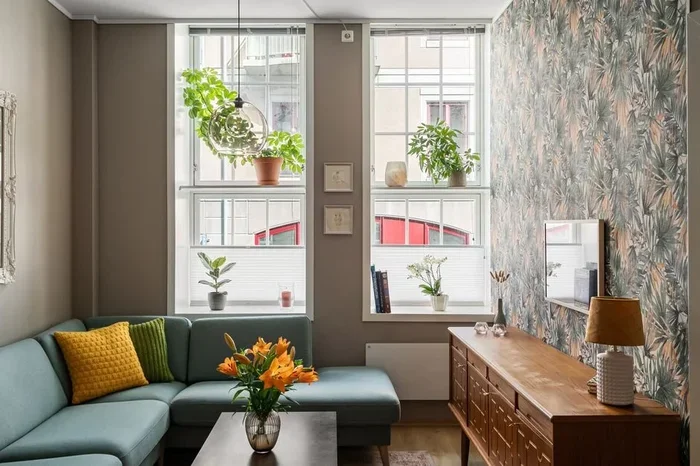
You can create an accent wall using paint, wallpaper, or textured materials. A darker shade on one wall instantly adds depth and dimension. Shiplap paneling gives a rustic yet modern vibe that many homeowners love. Concrete finishes bring an industrial edge that pairs well with contemporary furniture.
The key is to choose the right wall for your accent. The wall behind your sofa works best in most cases. The first wall you see when entering the room also makes a strong choice. Pick the wall that naturally draws the eye and creates a natural focal point.
Accent wall ideas range from simple painted panels to full wall coverings. You could use a bold wallpaper pattern for a dramatic effect. Or keep it subtle with a slightly different shade of your main wall color. Both approaches deliver a polished and intentional look.
Geometric Patterns and Gallery Walls
Geometric patterns are having a major moment in modern living room wall design. Think hexagons, triangles, and intersecting lines. These shapes add visual interest without being too busy or distracting. They bring a sense of movement and energy to any flat surface.
You can paint geometric patterns directly on the wall for a custom look. Use removable wallpaper for a renters-friendly option that still feels personal. Wall decals offer another easy way to add pattern without commitment. The beauty of geometric designs is their versatility. They work with almost any color scheme and complement both modern and traditional styles.
Gallery walls also fall into this trend. A mix of framed art, photos, and decorative pieces creates a curated and intentional look. The key is to plan the layout before you start hanging anything. Aesthetic living room ideas often feature well-planned gallery walls that balance different sizes, shapes, and styles beautifully.
Minimalist Wall Design for Clean Spaces
Not everyone wants bold patterns or bright colors. Minimalist modern living room wall design focuses on simplicity and clean lines. This approach works beautifully in open-concept spaces and small apartments alike.
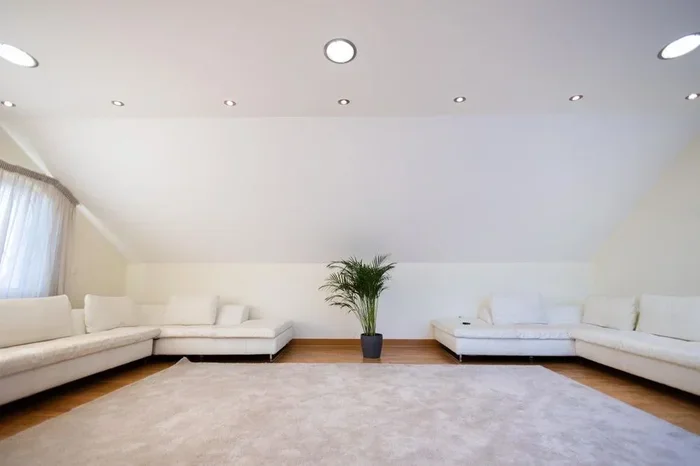
Stick to neutral tones like white, beige, or light gray for a serene backdrop. Add just one or two pieces of wall art to keep things understated. Let the space breathe and feel open. Minimalism is not about having nothing. It is about choosing what matters most and letting it stand out.
Floating shelves in a single tone blend seamlessly into minimalist walls. They add function without cluttering the visual space. A single large piece of wall art often makes a stronger statement than several small ones grouped together. Clean lines and uncluttered surfaces create that peaceful, modern feel people love.
Choosing the Right Colors and Textures
Color Psychology for Living Room Walls
Color plays a huge role in modern living room wall design. Different colors trigger different emotions and responses. Understanding this helps you pick the right shade for your specific space and needs.
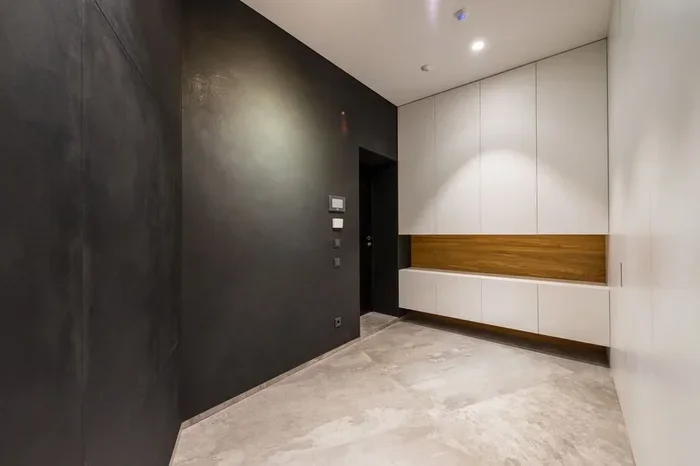
Soft blues and greens create a calming effect. They work well in rooms meant for relaxation and unwinding. Warm terracotta and blush tones add coziness and intimacy. They make a room feel inviting and comfortable for both you and your guests. Bold blacks and deep charcoals add sophistication and drama. They give a room a sense of elegance and weight.
White remains a classic choice for wall color. It reflects light and makes rooms feel larger and airier. But pure white can feel sterile and cold in some spaces. Try warm whites or off-whites for a softer, more welcoming touch. These shades still keep the modern feel while adding warmth and personality.
When choosing your wall color, consider your existing furniture and decor. The wall color should complement what is already in the room. It should enhance your pieces, not compete with them. A simple rule is to pull colors from your largest furniture piece and build from there.
Textured Wall Finishes That Impress
Texture adds another layer of interest to your walls. Flat paint is perfectly fine, but it lacks dimension and depth. Textured finishes create visual and tactile interest that catches the light beautifully throughout the day.
Shiplap is one of the most popular textured options right now. It brings a coastal-meets-modern feel to any room. Wood plank paneling adds warmth and natural beauty to living spaces. Brick veneer offers an industrial look that pairs wonderfully with leather furniture and metal accents.
For a truly modern look, consider micro-cement finishes. These create a smooth, concrete-like surface that feels contemporary and sleek. They work especially well in modern living room wall design schemes that lean toward an industrial or Scandinavian aesthetic. Wallpaper with raised patterns adds a tactile element you can actually feel and enjoy.
Material Choices That Transform Walls
Beyond paint and wallpaper, many materials can transform your walls completely. Wood panels add warmth and natural beauty. They pair well with both modern and rustic styles. Metal accents bring a sleek, industrial touch that works in urban lofts and modern homes.
Combination approaches work wonders too. Pair a wood accent wall with metal light fixtures for contrast. Mix smooth paint with rough stone textures for added dimension. The contrast creates visual interest and keeps the design from feeling one-dimensional or flat.
Wall Decor Ideas That Make a Statement
Statement Wall Art That Speaks
One large piece of wall art can transform an entire room. It becomes the centerpiece of your wall design and sets the tone for everything else. Choose artwork that reflects your personal style and complements your furniture and color scheme.
Abstract paintings work exceptionally well in modern spaces. They add color and energy without feeling too literal or specific. Large-scale photography prints create a dramatic and cinematic effect. Black and white images offer timeless appeal that fits any decor style effortlessly.
When hanging art, center it at eye level. This is typically about 57 to 60 inches from the floor. Group smaller pieces together for a cohesive gallery effect. The spacing between pieces matters just as much as the art itself. Leave about two to three inches between frames for a clean, intentional look.
Decorative Wall Panels and Molding
Wall panels and molding add architectural interest to any living room. They create depth and structure without requiring permanent changes to your walls. These elements work especially well in modern living room wall design projects that need a custom and polished touch.
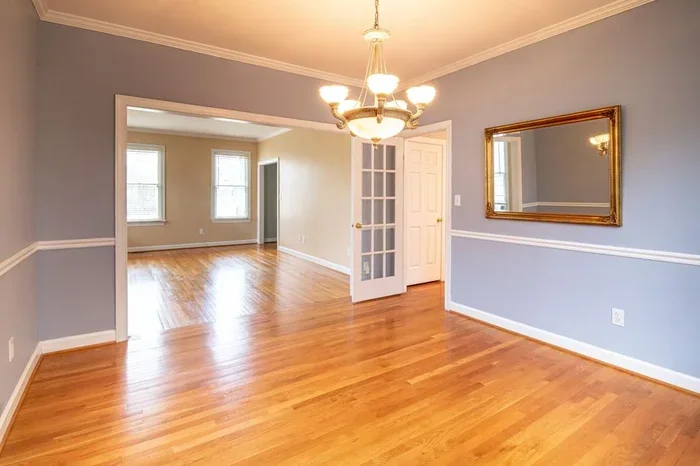
Chair rails divide walls into visual sections and add a classic touch. Wainscoting adds character and a timeless feel that works in both traditional and modern settings. Crown molding near the ceiling draws the eye upward and makes ceilings feel higher and more spacious.
You can install panels in sections for a modern twist. A full wall of panels can feel heavy in smaller rooms. Instead, try panels on just the lower half. Pair the upper section with paint or wallpaper for a balanced and stylish result.
How to Style Wall Shelves and Accent Pieces
Wall Shelves: Function Meets Fashion
Wall shelves serve double duty in any living room. They provide essential storage space and beautiful display areas at the same time. When styled well, they become a seamless part of the wall design itself rather than an afterthought.
Floating shelves are the most popular choice for modern spaces. They create a clean, streamlined look that suits contemporary aesthetics. You can arrange them in rows or at staggered heights for visual interest. Mix closed cabinets with open shelves for the best of both worlds. This gives you hidden storage and display space in one setup.
How to decorate shelves in living room starts with choosing the right items to display. Add a thoughtful mix of books, plants, candles, and small decor objects. Vary the heights and textures of what you place on the shelves. This creates a natural, curated look that feels effortless and intentional at the same time.
Accent Pieces That Complete the Look
Accent pieces bring your wall design to life. They add personality, warmth, and charm to your space. Without them, even the best wall treatment can feel incomplete and flat. These finishing touches are what turn a decorated room into a truly designed one.
Wall-mounted lights are a must-have for modern living rooms. They provide task lighting while serving as beautiful decor pieces. Sconces flanking a mirror or artwork create a balanced and symmetrical look. LED strips behind shelves add a soft glow that highlights your displays beautifully.
Mirrors are another powerful accent piece for living room walls. They reflect light and make rooms feel larger and brighter. A large mirror on a blank wall instantly opens up the space. Choose mirrors with interesting frames to add an extra layer of design and style.
When selecting accent pieces, think about balance and distribution. Spread items evenly across the wall rather than clustering everything on one side. A well-placed mix of items creates visual harmony and keeps the design feeling intentional. Accent pieces for living room can include anything from ceramic bowls to sculptural objects that reflect your personality.
For additional inspiration on completing your wall design, explore aesthetic living room decor to discover finishing touches that complement your wall design perfectly and bring the whole room together.
Common Mistakes and Expert Tips
Mistakes to Avoid in Wall Design
One of the biggest mistakes in modern living room wall design is choosing a color you love in the store but hate in your actual space. Always test paint on a small section first. View it at different times of day. Natural light changes how colors appear dramatically throughout the day.
Another common error is overcrowding the walls with too many pieces. Too many items create visual chaos and clutter. Give each item room to breathe and stand out. Less is often more when it comes to wall decor and styling.
Skipping the ceiling is also a missed opportunity many homeowners make. The fifth wall deserves attention too. A fresh coat of ceiling paint or subtle wallpaper can tie the whole room together in a surprising and delightful way.
Ignoring the floor-to-wall transition matters as well. Baseboards and trim frame your walls and should complement your design. They should not clash with your chosen color palette or style. Choose trim that matches or intentionally contrasts with your wall color for a polished result.
Expert Tips for Stunning Results
Start with a mood board before making any changes to your walls. Collect paint swatches, fabric samples, and images that inspire you. This gives you a clear vision before you commit to anything permanent. It also helps you see how everything works together as a complete picture.
Work in layers for the best results. Start with paint or wallpaper as your base. Add texture next to create depth. Then incorporate wall art and shelves for function. Finally, place accent pieces to finish the look. This approach ensures a cohesive and balanced result that feels intentional and designed.
Do not forget about lighting when planning your wall design. Proper lighting makes or breaks a wall design completely. Install dimmer switches to control the ambiance easily. Use warm-toned bulbs for a cozy and inviting feel. Cool-toned bulbs work better for modern, crisp, and clean aesthetics.
Refresh your walls seasonally if you want to keep your space feeling fresh and new. Swap out wall art, rearrange shelves, or add a seasonal wreath or wall hanging. Small changes keep your space feeling current and updated without requiring a full renovation or big investment.
Conclusion
Modern living room wall design offers endless possibilities for transforming your space into something truly special. From accent walls and textured finishes to gallery displays and statement art, there is a style that fits every taste and budget. The key is to start with a clear vision and build your design layer by layer, letting each element complement the others.
Remember that your walls are the largest design element in your living room. They deserve thoughtful attention and careful planning. Choose colors that make you feel good every time you walk in. Add textures that create depth and interest. Decorate with pieces that tell your personal story and reflect who you are.
Start small if you feel overwhelmed by all the options. A fresh coat of paint and one well-placed piece of art can change everything about a room. As you grow more confident, you can experiment with bolder choices and more complex designs that truly make your space your own.
Your living room walls are waiting to be transformed into something beautiful. Use these trends and tips to create a space you love coming home to every single day. The perfect wall design is closer than you think.
Frequently Asked Questions
What is the best wall color for a modern living room?
Neutral tones like warm white, beige, and soft gray remain the safest and most versatile choices. They work with any furniture style and let your decor pieces stand out. If you want a bolder look, try deep navy, forest green, or charcoal for an accent wall.
How do I create a gallery wall in my living room?
Start by selecting a mix of art prints, photos, and decorative pieces in complementary frames. Lay them out on the floor first to plan your arrangement. Then transfer the layout to the wall, spacing pieces about two to three inches apart for a clean and curated look.
Can I use wallpaper on just one wall?
Absolutely. Using wallpaper on a single accent wall is a popular trend that adds pattern and texture without overwhelming the room. It works especially well behind a sofa or bed where it naturally becomes the focal point of the space.
What materials work best for textured wall designs?
Shiplap wood panels, exposed brick veneer, micro-cement, and textured wallpaper are all excellent choices. Each material brings a different vibe. Wood adds warmth, brick adds industrial edge, and micro-cement creates a sleek modern look that suits contemporary interiors.
How do I style floating shelves in a modern living room?
Stick to a simple color palette for your shelves to keep the look clean. Mix books, small plants, candles, and a few decorative objects. Vary the heights of items and leave some empty space on the shelves to avoid a cluttered appearance and maintain that modern aesthetic.
How often should I update my living room wall design?
There is no set rule, but refreshing your wall decor every one to two years keeps your space feeling current. You can swap out art, rearrange shelves, or add new accent pieces without repainting. Small updates make a big difference in keeping your room feeling fresh and inspired.