Living Room Wall Paint Design Ideas to Transform Your Space
Living room wall paint design is one of the simplest and most affordable ways to completely change the feel of your home. Whether you want a bold accent wall, subtle two-tone effects, or trendy geometric patterns, the right paint choices can make a huge difference. This guide covers practical ideas, expert tips, and easy techniques you can try today. You will learn how to pick the perfect colors, create eye-catching features, and avoid common mistakes. Read on for inspiration to refresh your living space with confidence.
Your living room walls carry more weight than you might think. They set the tone for the entire space. They frame your furniture. They draw the eye toward your favorite pieces. Yet most people overlook the power of a well-planned living room wall paint design.
A fresh coat of paint costs a fraction of a renovation. It takes a weekend, not a month. And the results can be dramatic. Whether you are moving into a new place or simply tired of your current setup, exploring wall paint options opens up a world of possibility. This guide walks you through the best ideas, techniques, and tips to help you make your living room feel brand new.
The beauty of wall paint design lies in its flexibility. You can go bold or subtle. You can change your mind and repaint. There is no permanent commitment. That makes it the perfect starting point for anyone looking to refresh their home without a major investment.
Key Takeaways
- Accent walls create instant focal points: A single painted wall adds depth and visual interest without overwhelming your space.
- Two-tone and ombre techniques offer versatility: These approaches blend colors smoothly for a modern, cohesive look.
- Geometric patterns and stencils are easy to DIY: You do not need professional skills to achieve bold wall designs at home.
- Matte and semi-gloss finishes affect the mood: Choosing the right finish enhances both the color and the texture of your walls.
- Color psychology matters in living rooms: The right shades can make your space feel calm, energetic, or sophisticated.
- Pair wall paint with decor for best results: Your wall design should complement furniture, lighting, and accessories in the room.
📑 Table of Contents
- Why Your Living Room Walls Deserve More Attention
- Top Living Room Wall Paint Design Ideas
- Choosing the Right Paint Finish for Your Walls
- Color Palettes That Work for Every Living Room
- Common Mistakes to Avoid in Wall Paint Design
- Pairing Wall Paint Design with Your Living Room Decor
- Quick Tips for a Successful Wall Paint Project
- Final Thoughts on Living Room Wall Paint Design
Why Your Living Room Walls Deserve More Attention
People often focus on furniture, lighting, and rugs when decorating. Those elements matter, of course. But your walls cover the largest surface area in any room. They influence how you and your guests feel the moment you walk in.
A thoughtfully designed wall can make a small room feel larger. It can add warmth to a cold space. It can create a sense of luxury without spending a fortune. The right wall paint design ties everything together. It gives your room a sense of purpose and personality.
Think of your living room walls as a canvas. Every piece of furniture and decor item sits on that canvas. When the background works well, everything else looks better. That is the real power of intentional wall design.
The Science Behind Wall Colors
Color psychology plays a big role in how we experience a room. Cool blues and greens tend to create calm and relaxation. Warm reds and oranges bring energy and conversation. Neutrals like beige and gray offer flexibility and timeless appeal.
When choosing your living room wall paint design, consider the mood you want to create. Do you want a cozy retreat after a long day? A vibrant space for entertaining friends? A sleek, modern look that feels effortlessly stylish? Your color choice sets the foundation for all of that.
Top Living Room Wall Paint Design Ideas
Not sure where to start? These popular design ideas cover a range of styles, budgets, and skill levels. Each one offers a unique way to transform your walls from plain to stunning.
1. The Classic Accent Wall
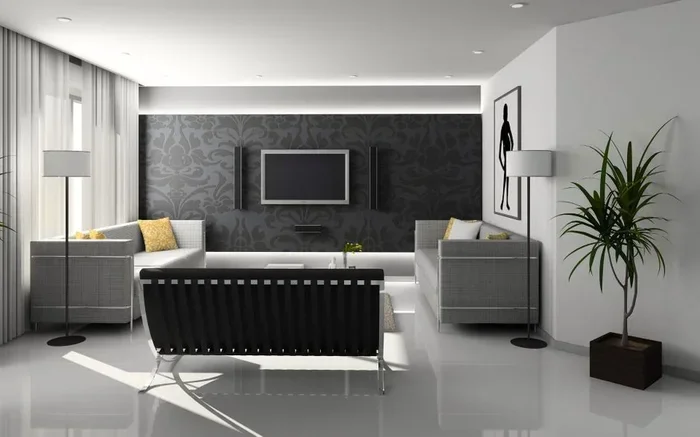
An accent wall is the most popular and accessible wall design strategy. You pick one wall in your living room and paint it a different color or finish than the others. This creates a natural focal point without overwhelming the space.
Accent walls work beautifully behind a sofa, a fireplace, or a bed. They draw attention to architectural features like columns or built-in shelving. For a modern look, try a deep navy or forest green on your accent wall. For something warmer, consider a rich terracotta or mustard yellow.
The key is contrast. Your accent wall should stand out from the other walls. But it should also complement the overall color scheme of the room. Think of it as a supporting actor that makes the lead look even better.
2. Two-Tone Wall Designs
Two-tone walls use two colors split horizontally or vertically. This technique adds dimension and visual interest without the complexity of a full mural. It works well in both small and large living rooms.
A popular approach is the half-and-half method. The bottom half of the wall stays in a lighter shade, while the top half shifts to a deeper tone. Another option is a vertical split, which can make a low ceiling feel taller.
Two-tone living room wall paint design gives you the chance to experiment with color without committing to a single bold shade. It also creates a natural dividing line that helps organize the visual layout of the room.
3. Geometric Patterns and Shapes
Geometric wall designs have surged in popularity over the past few years. Triangles, hexagons, and irregular shapes create a modern, artistic feel. These designs work especially well in contemporary and minimalist living rooms.
You can create geometric patterns using painter’s tape and multiple cans of paint. Start by sketching your design on paper. Then tape off the shapes carefully. Paint each section a different color. Remove the tape while the paint is still slightly wet for clean lines.
This approach lets you customize the pattern to your taste. You can keep it subtle with tonal shades or go bold with contrasting colors. Geometric walls pair beautifully with accent pieces for living room like sculptural objects or statement lighting.
4. Ombre and Gradient Effects
An ombre wall blends one color into another gradually. The effect is soft, dreamy, and incredibly elegant. It works best when the two colors are in the same family, such as light blue fading into deep teal.
Achieving a smooth gradient takes some patience. You will need at least three shades of your chosen color. Start with the lightest shade at the bottom. Blend into the medium tone in the middle. Finish with the darkest shade at the top.
Use a large brush or a roller for a seamless transition. Work in small sections and blend while the paint is still wet. Ombre walls create a stunning backdrop for any living room wall paint design and pair beautifully with natural textures like wood and linen.
5. Stenciled Patterns and Textures
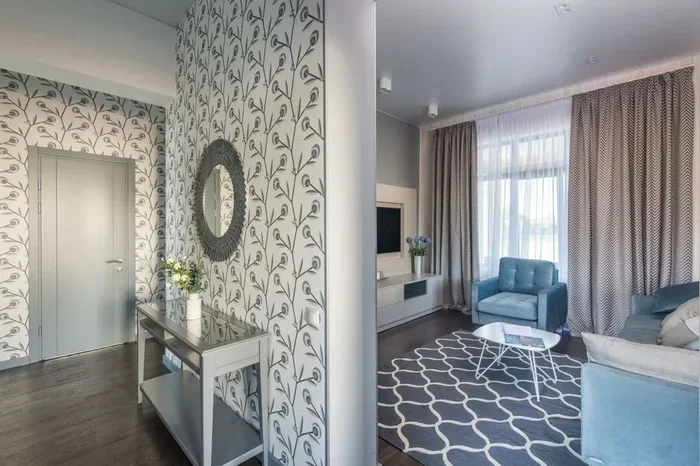
Stencils offer endless creative possibilities. You can find templates for florals, damask, Moroccan tiles, and abstract designs. All you need is a stencil, some paint, and a steady hand.
Stenciling works best on a single accent wall. It adds texture and visual depth without the cost of wallpaper. For a subtle effect, use a shade slightly darker than your base wall color. For a dramatic look, go with a contrasting shade.
Many homeowners pair stenciled walls with open shelving. If you are considering adding shelves to your painted wall, check out our guide on how to style open shelves in your living room for practical tips on combining wall design with functional storage.
6. Ombré and Metallic Accents
For a touch of glamour, consider incorporating metallic paint into your wall design. Gold, copper, and silver accents add a sophisticated shimmer. You can use metallic paint for geometric borders, stripes, or subtle highlights on an ombre wall.
Metallic finishes catch the light beautifully. They create a dynamic, ever-changing look throughout the day. Pair metallic wall accents with aesthetic living room decor for a polished, curated feel.
Choosing the Right Paint Finish for Your Walls
The finish you choose affects both the look and the durability of your wall paint design. Different finishes create different effects, and understanding them helps you make the best choice for your living room.
| Finish | Look | Best For | Durability |
|---|---|---|---|
| Matte | Flat, non-reflective | Accent walls, hiding imperfections | Low to medium |
| Eggshell | Soft, subtle sheen | Living room walls, easy cleaning | Medium |
| Satin | Smooth, noticeable glow | High-traffic areas, trim | High |
| Semi-Gloss | Shiny, reflective | Accent details, moisture-prone areas | Very high |
For most living room walls, eggshell and satin finishes offer the best balance of appearance and practicality. They are easy to clean and hold up well over time. Matte finishes work beautifully on accent walls because they absorb light and reduce glare.
Avoid using semi-gloss on large wall areas unless you want a very shiny look. It can highlight every imperfection on the surface. Reserve semi-gloss for trim, doors, and small decorative details.
Color Palettes That Work for Every Living Room
Selecting the right color palette is one of the most important steps in any living room wall paint design. The colors you choose set the emotional tone of the entire space. Here are some tried-and-true palettes that work across different styles.
Earthy and Warm: Think terracotta, warm beige, olive green, and soft clay. These colors create a cozy, inviting atmosphere. They pair well with wooden furniture and natural textures like jute and linen.
Cool and Calm: Soft blues, sage greens, and muted lavenders bring a sense of peace. These colors work well in rooms that get plenty of natural light. They create a restful retreat from the busyness of daily life.
Bold and Dramatic: Deep charcoal, midnight blue, and rich burgundy make a statement. These colors work best as accent walls or in larger rooms with high ceilings. They add depth and sophistication to any space.
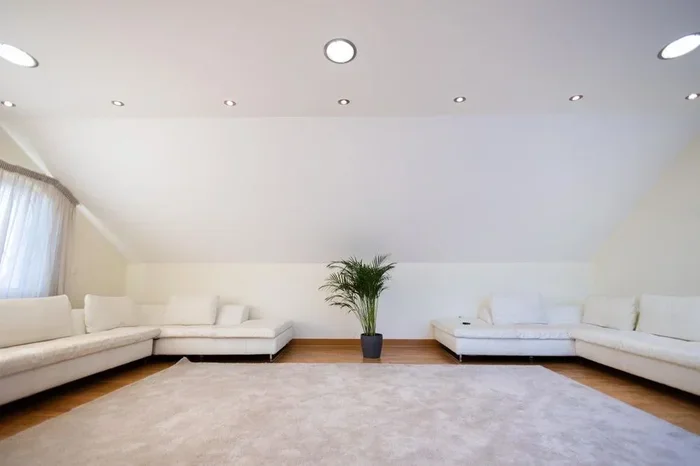
Modern Neutrals: Warm grays, soft whites, and greige (gray-beige) offer timeless flexibility. They let your furniture and decor take center stage while still adding visual interest through texture and finish.
Trending Color Combinations for 2024
This year, the biggest trends in wall paint design lean toward earthy tones and moody hues. Sage green paired with warm cream is hugely popular. So is the combination of deep chocolate brown with soft terracotta. Both create rich, layered looks that feel grounded and inviting.
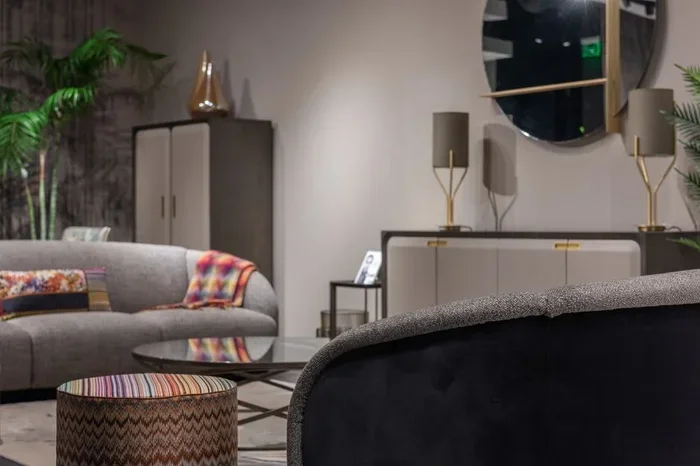
Another trending approach is the “quiet luxury” palette. This uses muted golds, warm taupes, and soft whites to create an understated, elegant feel. It works beautifully with Italian living room furniture and other refined pieces.
Common Mistakes to Avoid in Wall Paint Design
Even the best design ideas can go wrong if you skip the basics. Here are some common mistakes to watch out for when planning your living room wall paint design.
- Skipping the primer: Primer helps the paint adhere properly and shows the true color. Skipping it can lead to patchy coverage and extra coats.
- Choosing the wrong shade: Paint looks different on a large wall than on a small swatch. Always test your color on a small area first and observe it at different times of day.
- Ignoring the lighting: Natural light and artificial light change how colors appear. A color that looks perfect in the morning might feel different in the evening.
- Overdoing the boldness: One bold wall is powerful. Three bold walls can feel overwhelming. Balance is key to a harmonious space.
- Not prepping the walls: Clean, smooth walls make paint look better and last longer. Fill any holes, sand rough spots, and wipe down surfaces before you start.
Avoiding these mistakes saves you time, money, and frustration. Take the extra steps to prepare properly, and your walls will look professional and polished for years to come.
Pairing Wall Paint Design with Your Living Room Decor
Your wall design does not exist in isolation. It works alongside your furniture, lighting, rugs, and accessories. The best results happen when all these elements feel connected.
If your wall features a bold color or pattern, keep the rest of the room relatively simple. Let the wall do the talking. Choose neutral furniture and let a few well-placed accent pieces for living room add personality and charm.
For a more integrated look, pull colors from your wall design into your throw pillows, curtains, and artwork. This creates a cohesive flow that makes the entire room feel intentional and curated.
Lighting also plays a huge role. A warm floor lamp or a set of candles can completely change how your wall color reads in the room. Experiment with different lighting setups to find what brings out the best in your paint design.
For more ideas on combining wall design with storage solutions, explore our article on IKEA living room storage ideas for practical and stylish ways to keep your walls and shelves looking their best.
Quick Tips for a Successful Wall Paint Project
Ready to transform your walls? Here are some quick tips to ensure your project goes smoothly.
- Start with a clean canvas: Wash your walls and let them dry completely before painting.
- Invest in quality tools: Good brushes and rollers make a noticeable difference in the final result.
- Paint in the right order: Cut in along the edges first, then roll the larger areas.
- Allow proper drying time: Do not rush between coats. Follow the drying time recommended on the paint can.
- Work with natural light: Paint during the day when you can see how the color looks in different lighting conditions.
- Protect your floors and furniture: Use drop cloths and painter’s tape to keep everything clean.
These simple steps help you achieve a professional-looking finish without hiring a painter. Even if you have never painted a wall before, these tips will guide you through the process with confidence.
Final Thoughts on Living Room Wall Paint Design
A well-executed living room wall paint design can completely transform your home. It is affordable, customizable, and incredibly rewarding. Whether you choose a simple accent wall, a bold geometric pattern, or a dreamy ombre effect, the right design adds personality and depth to your space.
Take your time choosing colors and techniques. Test your ideas. Have fun with the process. Your living room walls are a blank canvas waiting for your creativity. Use the tips and ideas in this guide to create a space that feels uniquely yours. Your dream living room is just a few cans of paint away.
Remember, the best wall design is one that reflects your personal style and makes you feel at home. Do not be afraid to experiment. Do not be afraid to change your mind. That is the beauty of paint. It is always there when you are ready for a fresh start.
Frequently Asked Questions
What is the best wall paint design for a small living room?
For small living rooms, light colors and simple designs work best. A single accent wall in a slightly darker shade adds depth without making the space feel cramped. Avoid busy patterns on all walls, as they can make a small room feel cluttered and overwhelming.
How do I choose the right wall paint colors for my living room?
Start by considering the natural light in your room. Rooms with plenty of sunlight can handle deeper, bolder colors. Rooms with limited light look best in lighter, warm shades. Test your top choices on a small area and observe them at different times of day before committing.
Can I create a wall paint design without artistic skills?
Absolutely. Many wall designs use simple techniques like painter’s tape, stencils, and two-tone splits. These methods are beginner-friendly and produce professional-looking results. You do not need to be an artist to create a beautiful accent wall.
How much does it cost to paint an accent wall?
The cost depends on the size of the wall and the quality of paint you choose. On average, a single accent wall costs between $50 and $150 in materials. If you hire a professional, labor adds another $200 to $500 depending on your location and the complexity of the design.
What finishes work best for wall paint designs?
Eggshell and satin finishes are the most popular choices for living room walls. They offer a subtle sheen that looks polished without being too shiny. Matte finishes work well for accent walls where you want to minimize glare and highlight texture.
How often should I refresh my living room wall paint design?
There is no set timeline. High-quality interior paint can last 5 to 10 years or more with proper care. You may want to refresh your design when your style evolves or when the walls start to look dull. Paint is one of the easiest and most affordable ways to update your space whenever you feel inspired.
=== CONCLUSION ===
A thoughtful living room wall paint design has the power to completely change how your space feels and functions. From classic accent walls to modern geometric patterns, there is a design approach for every taste and budget. The key is to choose colors and techniques that reflect your personality while creating a cohesive look with the rest of your decor.
Start small if you are new to wall design. Try a single accent wall or a simple two-tone split. As you grow more confident, you can explore bolder techniques like ombre effects and stenciled patterns. Each project builds your skills and expands your creative vision.
Most importantly, enjoy the process. Painting your walls is one of the most satisfying home improvements you can do. It is fast, affordable, and immediately visible. So grab your brushes, pick your colors, and start transforming your living room today.