Classic Living Room Design Ideas That Never Go Out of Style
Classic living room design brings warmth, elegance, and timeless charm into any home. This guide covers timeless decor ideas, furniture choices, color palettes, and lighting tips to help you create a space that feels both refined and inviting. Whether you are starting fresh or refreshing an existing room, these classic living room design tips will elevate your space with lasting appeal.
A classic living room design is one of the most rewarding investments you can make in your home. Unlike trendy styles that come and go, a timeless living room stays beautiful year after year. It feels warm, welcoming, and effortlessly put together.
But what exactly makes a living room feel “classic”? The answer lies in a blend of quality materials, balanced arrangements, and a restrained color palette. In this guide, we will walk you through everything you need to know about classic interior design for your living space. You will learn about furniture choices, lighting tricks, architectural details, and much more. By the end, you will have a clear roadmap to create a room that your family and guests will love for decades.
Whether you are building a new home or simply refreshing an existing room, these ideas will help you achieve that polished, timeless look. Let us dive in and explore what makes classic living room design so special.
Key Takeaways
- Neutral color palettes form the foundation of every timeless living room. Soft whites, warm beiges, and rich creams create a versatile backdrop for any decor style.
- Elegant furniture with clean lines and quality materials stands the test of time. Think hardwood frames, tufted upholstery, and heirloom-quality pieces.
- Architectural details like crown molding and wainscoting add instant character. These classic elements give a room depth and visual interest without trendy fuss.
- Layered lighting transforms a classic space from flat to fabulous. Combine chandeliers, table lamps, and floor lamps for a warm, inviting glow.
- Accessories should be curated, not cluttered. Select a few meaningful pieces like area rugs, throw pillows, and curated artwork to tie the room together.
- Symmetry and balance are the hallmarks of traditional living room design. Arranging furniture in pairs creates a sense of order and elegance.
- Avoid over-trending your space. Stick to timeless principles and let accessories be the easy, affordable way to refresh your look over time.
📑 Table of Contents
- What Makes a Classic Living Room Design Timeless?
- Key Elements of a Classic Living Room
- Color Palettes for a Classic Living Room Design
- Furniture Choices for a Timeless Look
- Lighting and Accessories That Elevate the Space
- Common Mistakes to Avoid in Classic Living Room Design
- Bringing It All Together: Your Classic Living Room Checklist
- Frequently Asked Questions
What Makes a Classic Living Room Design Timeless?
A timeless living room is not about copying a single style. It is about combining elements that feel balanced, elegant, and enduring. Think of it as a curated collection of pieces that work together in harmony. The best part? You do not need a huge budget to pull it off.
Timeless decor relies on a few core principles. First, it favors quality over quantity. A single well-made sofa will always look better than three cheap ones. Second, it uses a neutral color palette as a base, which makes it easy to update accessories without redoing the whole room. Third, it embraces architectural details that add depth and character.
When you think about classic interior design, picture rooms that feel calm and composed. There is no loud wallpaper or flashy furniture. Instead, every piece earns its place in the room. This is the beauty of a well-designed living space.
Why Timeless Design Always Wins
Trendy decor can be fun, but it fades fast. A bold accent wall might look great for a season, but it will feel dated in a few years. Classic design, on the other hand, ages gracefully. Rich wood tones, elegant furniture, and thoughtful arrangements only get better with time.
Here are a few reasons why timeless design wins:
- It saves money in the long run. You do not need to renovate every few years.
- It creates a sense of calm. Neutral tones and balanced layouts feel restful.
- It increases home value. Buyers love rooms that feel sophisticated and move-in ready.
- It is endlessly adaptable. You can swap out throw pillows or curtains to refresh the look without starting over.
The goal is to build a living room that feels like it has always belonged there. That is the magic of classic living room design done right.
Key Elements of a Classic Living Room
Every timeless living room shares a few essential elements. These building blocks work together to create a space that feels complete and cohesive. Let us break them down so you can start planning your own classic retreat.
Architectural Details That Make a Difference
One of the easiest ways to add instant elegance is through architectural details. Crown molding along the ceiling creates a polished frame for the room. Wainscoting on the lower walls adds texture and visual interest without overwhelming the space. A decorative fireplace mantel serves as a natural focal point and anchors the entire seating arrangement.
These details do not have to be expensive. Many affordable molding kits and paneling options are available at home improvement stores. Even adding simple baseboards can transform a plain room into something that feels intentional and crafted.
Here are the architectural elements to consider:
- Crown molding: Gives the room a finished, high-end look.
- Wainscoting: Adds warmth and a touch of traditional charm.
- Fireplace mantel: Creates a natural gathering point for furniture.
- Built-in shelving: Offers storage while looking elegant and integrated.
The Power of Symmetry and Balance
Symmetry is a cornerstone of traditional living room design. Arranging furniture in pairs creates a sense of order and calm. For example, place two matching armchairs on either side of a fireplace. Flank a sofa with identical table lamps. This balanced approach makes the room feel intentional and harmonious.
You do not need to be perfectly symmetrical in every corner. The idea is to create a general sense of balance. If you have a large window on one side, anchor it with a tall plant or a piece of art on the opposite side. This keeps the eye moving and the room feeling stable.
Color Palettes for a Classic Living Room Design
Color sets the mood for any room, and in a classic living room, the palette should feel soothing and sophisticated. A neutral color palette is your best friend here. Soft whites, warm beiges, gentle grays, and rich creams form the perfect foundation.
Once you have your base colors down, you can add depth with accent tones. Navy blue, forest green, dusty rose, and warm burgundy all work beautifully in a timeless living room. The key is to use them sparingly and with purpose.
Choosing the Right Neutral Base
Your walls, large furniture pieces, and main textiles should stick to the neutral family. This creates a calm backdrop that lets your accessories shine. Here are some timeless neutral combinations to consider:
- White and warm beige: Bright, airy, and universally appealing.
- Cream and soft gray: Cool and modern while still feeling classic.
- Greige and white: A warm gray-beige mix that adds subtle depth.
- Soft taupe and ivory: Elegant and cozy without feeling heavy.
Adding Accent Colors Without Overdoing It
Accent colors bring life to a neutral palette. Use them in small doses through throw pillows, area rugs, curtains, and curated artwork. A deep navy sofa pillow against a cream backdrop adds a pop of sophistication. A rich green area rug ties the seating group together beautifully.
Remember, less is more. Stick to two or three accent colors max. This keeps the room feeling refined and avoids visual clutter. A well-chosen color scheme is one of the simplest ways to make your classic living room design feel polished and intentional.
Furniture Choices for a Timeless Look
Furniture is the backbone of any living room, and choosing the right pieces makes all the difference in a classic living room design. The goal is to select items that are beautiful, comfortable, and built to last. Quality materials and clean lines are your guiding principles.
Investing in Key Pieces
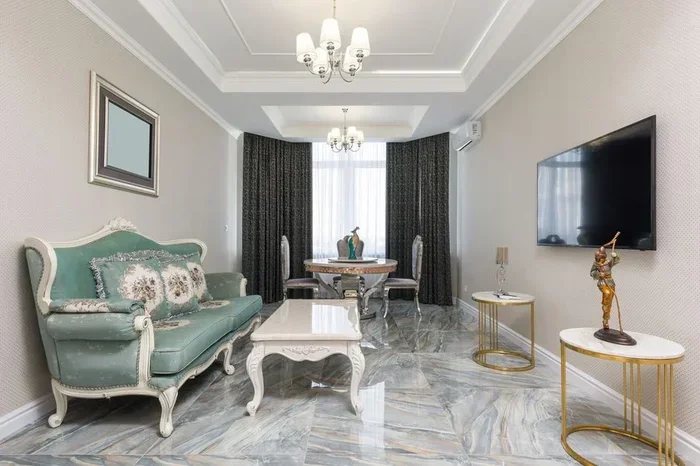
Start with your largest furniture items and work outward. The sofa should be the star of the room. Look for pieces with hardwood frames, quality upholstery, and tailored lines. Tufted sofas, rolled arms, and Chesterfield-style chairs are all hallmarks of elegant furniture that stands the test of time.
Here are the furniture pieces worth investing in:
- A quality sofa: Choose a neutral fabric or leather in a shape that fits your space.
- Armchairs in pairs: Matching chairs create symmetry and balance.
- A coffee table with character: Look for solid wood or marble-topped options.
- Side tables and consoles: These add function and style without taking up too much space.
- A statement bookshelf or cabinet: Built-in or freestanding pieces add storage and elegance.
Mixing Period Styles with Ease
You do not need to stick to one historical period. The best classic living rooms blend elements from different eras in a thoughtful way. A mid-century coffee table paired with a traditional sofa can look stunning when done right. The trick is to keep the overall palette and scale consistent.
Heirloom furniture adds a special touch. A vintage sideboard passed down through the family or an antique mirror brings a sense of history and warmth. These pieces tell a story and make the room feel personal and lived-in.
Lighting and Accessories That Elevate the Space
Lighting is often overlooked, but it can make or break a classic living room design. The right mix of light sources creates warmth, highlights architectural details, and sets the mood for any occasion. Accessories, when chosen carefully, tie everything together into a cohesive whole.
Layered Lighting for Maximum Impact
Think of lighting in layers. Start with ambient light from a chandelier or pendant fixture. This sets the general glow for the room. Next, add task lighting with table lamps or floor lamps near reading spots. Finally, use accent lighting to highlight artwork, built-in shelves, or a beautiful fireplace mantel.
A crystal chandelier or a classic pendant light instantly elevates the room. It becomes a focal point and signals sophistication. For a more budget-friendly option, a well-placed table lamp with a fabric shade works just as well.
Curating Accessories with Intention
Accessories are where your personality shines through in a classic living room. But here is the golden rule: curate, do not clutter. Select a few meaningful pieces and arrange them thoughtfully. Too many accessories make a room feel busy and chaotic.
Some timeless accessories to consider include:
- Area rugs: Define the seating area and add warmth underfoot.
- Throw pillows: Layer different textures and accent colors for visual interest.
- Curtains and drapery panels: Frame the windows and add a sense of formality.
- Curated artwork: Choose pieces that reflect your taste and complement the color palette.
- Books and objects on shelves: Add height and personality to built-in or freestanding shelving.
- Vases and candles: Simple, elegant touches that make the room feel lived-in.
Common Mistakes to Avoid in Classic Living Room Design
Even with the best intentions, it is easy to stumble when designing a classic living room. Awareness of common pitfalls helps you steer clear of them. Here are a few mistakes to watch out for.
Overdoing the Trends
The biggest mistake is letting trends take over your space. A bold geometric wallpaper or a bright neon accent might look great online, but it can clash with a timeless aesthetic. Trends should be used sparingly, if at all, in a classic living room. Let your furniture and architecture carry the design, and use accessories to add a modern touch if you want.
Ignoring Scale and Proportion
Furniture that is too large or too small for the room throws off the entire balance. A massive sectional in a small living room feels cramped, while a tiny loveseat in a large room looks lost. Measure your space before you buy anything. Leave enough room for easy movement and a natural flow between furniture groups.
Skipping the Rug
A common oversight is forgetting the area rug. Rugs anchor the seating group and add texture, color, and warmth. Without one, the room can feel unfinished and cold. Choose a rug that is large enough to fit at least the front legs of all sofa and chair legs on top of it.
Neglecting the Walls
Walls matter just as much as furniture. Blank white walls can feel sterile, while overly busy wallpaper can overwhelm a classic space. Consider subtle options like wainscoting, a soft wash of color, or a single statement piece of wall art. The goal is to support the room without competing with it.
Bringing It All Together: Your Classic Living Room Checklist
Designing a classic living room does not have to be overwhelming. Use this simple checklist to keep yourself on track and make confident decisions throughout the process.
Start with a neutral color palette. Choose elegant furniture with quality materials. Add architectural details that give the room character. Layer your lighting for warmth and ambiance. Curate your accessories with care. And always remember that balance and symmetry are your best friends.
A classic living room design is a labor of love. It reflects your taste, your comfort, and your appreciation for things that last. Take your time, enjoy the process, and trust that the result will be a space you love coming home to every single day.
Start small if you need to. Swap out a few pillows, add a new area rug, or hang a piece of art. Small changes add up over time and gradually transform your living room into the elegant, timeless space you have always wanted. The beauty of classic living room design is that it rewards patience and thoughtful choices at every step.
Frequently Asked Questions
What are the best colors for a classic living room design?
Neutral tones like soft white, warm beige, cream, and gentle gray form the perfect foundation for a classic living room. You can add depth with accent colors such as navy blue, forest green, or dusty rose through pillows, rugs, and artwork. Keeping the palette restrained ensures the room feels timeless and cohesive rather than cluttered or trendy.
How do I make a small living room feel classic and elegant?
Focus on quality over quantity when choosing furniture. A well-proportioned sofa, a pair of armchairs, and a compact coffee table create a classic feel even in a small space. Use a light neutral color palette to make the room feel open, and add mirrors and layered lighting to create the illusion of depth and warmth.
What architectural details work best in a classic living room?
Crown molding, wainscoting, and a decorative fireplace mantel are the three most impactful architectural details for a classic living room. Built-in shelving and elegant baseboards also add character without overwhelming the space. These features give the room a sense of craftsmanship and permanence that defines timeless interior design.
How often should I update my classic living room decor?
A classic living room should not need frequent overhauls. Instead, refresh the room every few years by swapping out throw pillows, adding a new area rug, or updating curtains. These small, affordable changes keep the space feeling current while preserving its timeless foundation. The key is to let the core furniture and architecture stay steady.
Is classic living room design expensive to achieve?
Not necessarily. While investing in quality furniture pays off over time, you can achieve a classic look on a budget. Focus on neutral paint colors, affordable molding, and secondhand or vintage finds. A few well-chosen accessories like throw pillows and curtains can transform a room without a large investment.
What is the difference between classic and traditional living room design?
Classic design emphasizes timeless elegance, balanced proportions, and a restrained color palette. Traditional design often refers to specific historical styles like Georgian, Victorian, or Federal periods. In practice, the two overlap significantly. A classic living room design may incorporate traditional elements while keeping the overall look modern and livable.