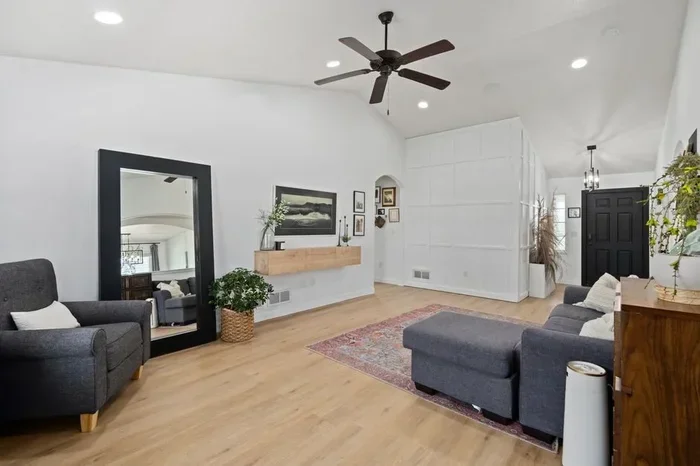
Board and Batten Living Room Design Ideas You Will Love
Board and batten living room designs bring warmth, texture, and timeless style to any home. This guide covers everything from classic farmhouse looks to modern twists you will love. You will learn how to choose materials, plan layouts, and DIY your own accent wall with confidence. Whether you are refreshing a rental or renovating a forever home, these ideas make it simple and fun.
There is something magical about a living room that feels warm, textured, and full of character. Board and batten living room walls deliver exactly that feeling. This timeless wall treatment has been around for centuries, and it is having a major moment in home design right now. If you have been searching for a way to add personality and depth to your main gathering space, you are in the right place.
Board and batten involves placing vertical boards on a wall with narrower strips (called battens) covering the seams. The result is a beautiful pattern that catches light and shadow in the most lovely way. Before you dive into the ideas, let us talk about why this design choice is worth your time and effort.
What exactly is board and batten? It is a wall paneling technique where wide boards are mounted vertically, and thinner strips of wood (the battens) are placed over the joints. This creates a quilted, dimensional look that adds instant architectural interest. Originally used on barns and farmhouses, it has evolved into a beloved design element for modern and traditional homes alike.
Why does it work so well in living rooms? Your living room is the heart of your home. It is where you relax, entertain guests, and spend quality time with family. A board and batten accent wall gives this important space a focal point that draws the eye and sparks conversation. It also adds a layer of insulation and sound dampening, which is a nice bonus.
Key Takeaways
- Board and batten adds architectural interest: This classic wall treatment creates depth and texture that plain drywall simply cannot match.
- It works in any style: From rustic farmhouse to sleek modern, board and batten adapts to your personal taste and home aesthetic.
- DIY-friendly project: You can install board and batten yourself with basic tools and a weekend of free time.
- Multiple layout options exist: Horizontal, vertical, and herringbone patterns each create a unique visual effect in your living room.
- Painting matters: The right paint color and finish can completely change the mood and feel of your board and batten walls.
- Pair it with the right furniture: Complementary furniture and decor choices make your board and batten walls the hero of the room.
📑 Table of Contents
- Why Board and Batten Is Perfect for Your Living Room
- Popular Board and Batten Living Room Layouts
- Choosing the Right Materials for Your Board and Batten Wall
- Design Ideas to Inspire Your Board and Batten Living Room
- Step-by-Step Guide to Installing Board and Batten
- How to Style Your Board and Batten Living Room
- Expert Tips for a Stunning Board and Batten Living Room
- Common Mistakes to Avoid with Board and Batten Walls
- Conclusion
Why Board and Batten Is Perfect for Your Living Room
Board and batten is more than just a pretty wall. It brings real benefits that make your living room better every single day. Let us explore the reasons this design choice continues to win hearts.
It Adds Texture and Dimension
Flat walls can feel boring and lifeless. Board and batten introduces layers and shadows that make a room feel alive. The vertical lines also draw the eye upward, making your ceiling feel taller. This is especially helpful in rooms with low ceilings or open floor plans.
It Works with Any Decor Style
One of the best things about board and batten is its versatility. You can pair it with farmhouse furniture, mid-century modern pieces, or ultra-contemporary sofas. It fits right in whether your style is cozy and rustic or clean and minimalist. The key is choosing the right paint color and wood finish to match your existing decor.
It Increases Home Value
Homebuyers love character. A beautifully executed board and batten wall signals quality craftsmanship and attention to detail. It is one of those features that makes people fall in love with a home at first sight. When you invest in this wall treatment, you are investing in your property’s appeal.
Popular Board and Batten Living Room Layouts
Not all board and batten walls look the same. The layout you choose sets the tone for the entire room. Here are the most popular options homeowners love right now.
Classic Full-Wall Vertical Panels
This is the traditional approach where board and batten covers the entire wall from floor to ceiling. Each panel is typically 12 to 24 inches wide, with battens spanning the width to cover seams. This layout creates a bold, gallery-like effect that feels both elegant and grounded. It works beautifully as a fireplace surround or behind a sofa.
Half-Wall Wainscoting Style
Not ready to commit to a full wall? The half-wall approach covers just the lower third or half of your wall. This style is sometimes called wainscoting, and it gives you the charm without the full commitment. Pair it with a chair rail or a contrasting paint color above for a polished, finished look.
Horizontal Board and Batten
While vertical is the classic choice, horizontal board and batten creates a completely different mood. It makes rooms feel wider and more relaxed. This layout works great in casual, beachy, or cottage-inspired living rooms. It also looks stunning when used on a single accent wall behind a media console or bookshelf.
Herringbone and Chevron Patterns
For a more modern take, consider arranging your boards in a herringbone or chevron pattern. These angled layouts add movement and visual complexity. They are perfect for homeowners who want the warmth of wood but prefer a contemporary edge. This approach does require more precision during installation, but the results are stunning.
Choosing the Right Materials for Your Board and Batten Wall
The materials you select will determine the look, feel, and durability of your board and batten wall. There are several options to consider, each with its own charm and practical benefits.
Wood Options
Real wood is the gold standard for board and batten. Common choices include pine, oak, cedar, and poplar. Pine is affordable and easy to work with, making it a favorite for DIYers. Oak brings a richer grain and more durability. Cedar adds a natural fragrance and is naturally resistant to moisture, which makes it great for humid spaces.
When selecting wood, consider the board width and thickness. Thicker boards (1×6 or 1×8) create a bolder statement. Thinner boards (1×4 or 1×3) give a more delicate, refined look. You can also choose between smooth and textured finishes depending on your aesthetic goals.
MDF and Composite Options
If real wood is outside your budget, medium-density fiberboard (MDF) is an excellent alternative. It is smooth, affordable, and takes paint beautifully. Composite panels also come in pre-finished styles that mimic the look of real wood without the maintenance. These options are lighter and easier to handle, which makes them ideal for renters or first-time DIYers.
Plywood Paneling
Plywood is another budget-friendly choice that offers surprising elegance. Birch plywood, in particular, has a beautiful, consistent grain that looks fantastic when stained. It is also very strong and resistant to warping. Many interior designers now embrace plywood as a stylish and practical option for wall treatments.
| Material | Cost Range | Best For | Durability |
|---|---|---|---|
| Real Wood (Pine/Oak) | $$$ | Traditional and rustic looks | High |
| MDF | $ | Painted finishes and budget projects | Medium |
| Plywood | $$ | Modern and budget-friendly styles | High |
| Composite Panels | $$ | Low-maintenance and renter-friendly | Medium-High |
Design Ideas to Inspire Your Board and Batten Living Room
Now for the fun part. Let us explore specific design ideas that will help you picture your dream board and batten living room.
Farmhouse Chic with Shiplap Accents
Combine board and batten with shiplap for a layered, farmhouse-inspired look. Use board and batten on the main accent wall and add shiplap molding along the ceiling or baseboards. Stick to neutral tones like warm white, soft gray, or greige. Add natural wood furniture, woven textiles, and vintage accessories to complete the vibe.
Modern Minimalist with a Single Accent Wall
Not every board and batten wall needs to cover every surface. A single accent wall behind your sofa or entertainment center creates a modern, curated feel. Keep the rest of the walls clean and paint them in a complementary shade. This approach works beautifully in open-concept living rooms where you want to define the seating area without closing it off.
Bold and Dark Stained Walls
Dare to go dark? Deep walnut, espresso, or charcoal-stained board and batten walls create a dramatic, moody atmosphere. This look pairs perfectly with brass fixtures, velvet furniture, and warm lighting. It is especially striking in living rooms with large windows that let natural light play off the textured surface.
Painted Board and Batten for a Soft, Airy Feel
Not a fan of wood tones? Painting your board and batten wall in a soft, matte white or pale blue creates a fresh, airy atmosphere. This approach makes the wall treatment feel lighter and more integrated with the rest of the room. It is a wonderful choice for coastal, cottage, or Scandinavian-inspired interiors.
Board and Batten with Built-In Shelves
Take your board and batten wall to the next level by incorporating built-in shelves. The vertical boards frame the shelves beautifully, creating a custom look that store-bought furniture simply cannot replicate. Use the shelves to display books, plants, art, and family photos. This combination adds both function and stunning visual appeal to your living room.
Step-by-Step Guide to Installing Board and Batten
Installing board and batten might sound intimidating, but it is very doable with basic tools and a bit of patience. Here is a simple walkthrough to get you started.
What You Will Need
- Boards: Pre-cut or rip-cut to your desired width
- Battens: Narrow strips, typically 1×2 or 1×3 lumber
- Level: A laser or bubble level for straight lines
- Measuring tape and pencil: For marking placement
- Nail gun or screws: To secure boards to the wall
- Stud finder: To locate wall studs for secure mounting
- Paint or stain: In your chosen color or finish
- Trim and caulk: For finishing touches and filling gaps
Installation Steps
Start by measuring your wall and planning your panel layout. Mark the top and bottom of each board with a level to ensure straight lines. Next, locate the wall studs using a stud finder and mark them clearly. Secure each board directly into the studs using a nail gun or screws. Once all boards are up, measure and cut your battens to cover the seams. Attach the battens over the joints, making sure they are level and evenly spaced. Finally, fill any nail holes with wood filler, sand smooth, and apply your chosen paint or stain.
Before you begin any installation, make sure you understand the terms and conditions of your materials purchase and any warranties that come with your supplies. This protects you in case of defects or issues down the road.
Common Mistakes to Avoid
- Skipping the stud finder: Mounting boards only into drywall leads to sagging and popping over time.
- Ignoring expansion gaps: Wood expands and contracts with humidity changes. Leave small gaps between boards to allow for movement.
- Rushing the leveling process: One crooked board throws off the entire pattern. Take your time and check your work frequently.
- Choosing the wrong paint finish: Flat paint hides imperfections but is harder to clean. Satin or semi-gloss finishes are easier to wipe down and look more polished on wood surfaces.
How to Style Your Board and Batten Living Room
Once your board and batten wall is up, the real fun begins. Styling is where you bring the whole room together and make it feel like home.
Furniture Choices
Board and batten walls pair beautifully with a variety of furniture styles. For a farmhouse look, choose a plush sofa in a neutral fabric, a rustic wood coffee table, and woven area rugs. For a modern aesthetic, go for sleek lines, metal accents, and a monochromatic color palette. The key is balance. Let the wall be the star and keep furniture choices complementary rather than competing.
Lighting That Enhances the Texture
Lighting plays a huge role in how your board and batten wall looks and feels. Warm, ambient lighting highlights the shadows and dimension of the panels. Consider installing wall sconces on either side of the accent wall, or use floor lamps to cast light across the textured surface. Pendant lights and track lighting also work well, especially in modern settings. Natural light is your best friend here. Keep windows unobstructed when possible to let the sun showcase your hard work.
Accessorizing with Purpose
Accessorizing should enhance, not overwhelm. Choose a few statement pieces like a large piece of art above the sofa, a decorative tray on the coffee table, or a collection of candles. Plants are a natural complement to board and batten walls. They add life, color, and a fresh contrast to the wood texture. Keep the color palette cohesive and let the wall do the talking.
Color Palette Recommendations
Neutral tones are the safest and most popular choice for board and batten living rooms. Think warm whites, soft grays, creams, and beiges. These colors let the texture shine without competing for attention. If you want to add a pop of color, do it through accessories like throw pillows, blankets, and artwork rather than painting the wall itself.
For those who love bold choices, deep navy, forest green, or even black can create a dramatic and sophisticated look. Just remember that darker colors will make the wall feel more enclosed, so use them in rooms with plenty of natural light.
Expert Tips for a Stunning Board and Batten Living Room
Before you grab your tools and get started, here are a few expert insights that will elevate your project from good to great.
Vary the board widths for visual interest. Mixing 1×4 and 1×6 boards creates a dynamic, layered look that keeps the eye moving. This technique is especially effective in larger living rooms where you want the wall to feel substantial and intentional.
Use crown molding at the top. Adding crown molding where the board and batten meets the ceiling gives a polished, built-in feel. It also hides any gaps between the boards and the ceiling, which can be especially helpful in older homes with uneven framing.
Consider the room’s purpose when choosing your layout. A full-wall vertical layout works well in formal living rooms where you want a bold, traditional statement. A half-wall or horizontal layout is better for casual family rooms where you want a relaxed, approachable feel.
Always prime before painting. Wood absorbs paint unevenly if it is not primed first. A good primer ensures smooth, even coverage and helps your paint last longer. This small step makes a big difference in the final result.
Remember that every home is different, and what works in one living room may not work in another. Trust your instincts, and do not be afraid to experiment with layouts and finishes until you find what feels right for your space.
Common Mistakes to Avoid with Board and Batten Walls
Even the best-laid plans can go wrong if you overlook common pitfalls. Here are mistakes that even experienced DIYers sometimes make.
- Not accounting for outlet and switch placements: Measure carefully around electrical fixtures before installing. Cutting boards to fit around outlets is much easier than removing installed panels.
- Using the wrong fasteners: Nails can pop out over time, especially in humid climates. Screws provide a more secure hold and are easier to remove if adjustments are needed.
- Ignoring the floor and ceiling lines: Your wall may not be perfectly level or plumb. Use a laser level to establish true horizontal and vertical reference lines before you start installing.
- Overlooking maintenance: Wood walls need occasional care. Dust them regularly and touch up paint or stain as needed to keep them looking their best.
Before starting any home improvement project, review the terms and conditions regarding your materials and any professional services you hire. Understanding your rights and responsibilities ensures a smooth and stress-free renovation experience.
Conclusion
A board and batten living room has the power to transform your entire home. It adds texture, warmth, and architectural detail that makes every corner feel more intentional and inviting. Whether you choose a full-wall installation or a simple accent panel, this timeless design choice brings character and value to your space.
The beauty of board and batten is that it works for every budget, every style, and every skill level. You can go all-in with a custom wood installation or keep it simple with pre-finished panels. The ideas in this article give you a solid starting point, but the best design is always the one that reflects your personal taste and lifestyle.
Start small if you are unsure. Try a single accent wall and see how it changes the feel of your room. As your confidence grows, you can expand to additional walls or rooms. The journey of creating a beautiful home is just as rewarding as the finished result. So grab your measuring tape, choose your favorite idea, and bring your board and batten vision to life. Your dream living room is closer than you think.
Frequently Asked Questions
What is board and batten in interior design?
Board and batten is a wall paneling technique where wide vertical boards are installed with narrower strips (battens) covering the seams between them. This creates a textured, dimensional look that adds architectural interest to any room, especially living rooms and hallways.
Can I install board and batten in a rental apartment?
Yes, you can! Lightweight MDF or composite panels are great rental-friendly options. You can also use removable adhesive or lightweight mounting systems that minimize wall damage. Always check with your landlord before making any modifications to a rental space.
How much does it cost to install board and batten walls?
The cost varies depending on materials and whether you DIY or hire a professional. For a DIY project, expect to spend anywhere from $1 to $5 per square foot for materials. Professional installation can range from $5 to $15 per square foot, depending on your location and the complexity of the design.
What paint color works best for board and batten walls?
Warm whites, soft grays, and creams are the most popular choices because they let the wood texture stand out. If you want a bold look, try deep navy, forest green, or charcoal. Always prime your boards before painting for the smoothest, most even finish.
Do I need to cover an entire wall with board and batten?
Not at all. Many designers recommend a half-wall or single accent wall for a more subtle, modern approach. You can also create interesting layouts with partial coverage, such as framing a fireplace or accenting just one section of a long wall.
How do I maintain board and batten walls in my living room?
Maintenance is simple. Dust the boards regularly with a soft cloth or microfiber duster. Touch up any chipped paint or stain annually. Keep the wood conditioned with a appropriate wood polish if the surface is unfinished, and check for any signs of moisture damage in humid environments.
=== INTERNAL LINKS ===
Before you begin any installation, make sure you understand the terms and conditions of your materials purchase and any warranties that come with your supplies. This protects you in case of defects or issues down the road.
Before starting any home improvement project, review the terms and conditions regarding your materials and any professional services you hire. Understanding your rights and responsibilities ensures a smooth and stress-free renovation experience.