Biophilic Interior Design Living Room Ideas That Transform
Biophilic interior design living room ideas connect your home with nature through plants, natural light, and organic materials. These design principles reduce stress, boost mood, and make your space feel alive. You will learn practical tips, trends, and easy swaps to create a nature-inspired retreat. Whether you have a small apartment or a spacious room, these ideas work for every home.
There is something magical about walking into a room that feels like a breath of fresh air. A biophilic interior design living room does exactly that. It wraps you in nature without ever leaving your couch. This design approach taps into our deep human need to connect with the natural world. The result? A space that feels calm, alive, and genuinely welcoming.
More and more homeowners are discovering the power of nature-inspired decor. It is not just about adding a few houseplants to a shelf. It is a complete philosophy that shapes every design choice. From the materials on your floors to the colors on your walls, every detail matters. And the best part? You can start small and build from there.
In this guide, we will explore the best biophilic interior design living room ideas that actually work. You will find practical tips, creative examples, and expert insights to help you transform your space. Whether you are a design beginner or a seasoned enthusiast, there is something here for you. Let us bring the outdoors in.
Key Takeaways
- Biophilic design brings nature indoors: Using plants, natural light, and organic materials creates a calming living room atmosphere.
- Natural materials matter: Wood, stone, and natural fibers are essential elements in biophilic interior design living room spaces.
- Greenery is non-negotiable: Living walls, potted plants, and plant arrangements form the backbone of any biophilic living room.
- Light and water add depth: Daylighting and water features elevate the sensory experience of your room.
- Small changes make a big impact: You do not need a full renovation to start incorporating biophilic elements into your living room.
📑 Table of Contents
What Is Biophilic Interior Design?
Biophilic design is rooted in the idea that humans have an innate connection to nature. The term comes from “biophilia,” a concept popularized by biologist E.O. Wilson. It suggests that we feel most at ease when we are surrounded by natural elements. Biophilic interior design living room spaces apply this principle directly to how we decorate and furnish our homes.
This is not a new trend. Ancient civilizations built homes with natural light, open courtyards, and living plants. Modern biophilic design takes those same principles and updates them for contemporary living. It focuses on creating spaces that support our physical and mental well-being.
The Science Behind Biophilic Design
Research shows that spending time in nature reduces cortisol levels. It lowers blood pressure and improves mood. The same benefits apply when you bring nature into your home. Studies from institutions like the University of Exeter found that people who live in homes with more plants report higher levels of happiness. They also feel more creative and focused.
Biophilic design works by engaging multiple senses at once. You see greenery, hear the trickle of water, touch natural textures, and smell earthy scents. This multi-sensory experience creates a powerful sense of calm. It is why so many people are redesigning their living rooms with these principles in mind.
Core Principles of Biophilic Living Room Design
Every successful biophilic interior design living room follows a few core principles. These guidelines help you create a cohesive and authentic nature-inspired space.
- Natural Light: Maximize daylight through windows, skylights, and light wells. Daylighting is one of the simplest ways to make a room feel alive.
- Indoor Plants: Use a variety of plants at different heights and sizes. Greenery improves air quality and adds visual interest.
- Natural Materials: Choose wood, stone, bamboo, and natural fibers for furniture and decor.
- Natural Patterns: Incorporate organic shapes, fractal patterns, and flowing lines in textiles and artwork.
- Water Elements: Add a small fountain or aquarium to introduce the soothing sound of moving water.
- Earth Tones: Use a color palette inspired by nature — greens, browns, warm beiges, and soft grays.
Why Your Living Room Needs Biophilic Design
Your living room is the heart of your home. You spend hours there relaxing, entertaining, and spending time with family. Making this space nature-friendly has real, measurable benefits. A biophilic interior design living room does more than look beautiful. It actively improves how you feel every day.
Mental Health Benefits
Stress is one of the biggest health challenges of modern life. A room filled with natural elements can counteract that stress. Studies show that viewing nature — even a picture of a forest — reduces anxiety. Imagine what a full nature-inspired decor setup can do.
People who live in biophilic spaces report better sleep, improved focus, and lower levels of depression. Your living room should be a sanctuary. Biophilic design turns it into exactly that.
Physical Health Improvements
Indoor plants are natural air purifiers. They remove toxins like formaldehyde and benzene from the air. This is especially important in living rooms where you spend most of your time. Plants like snake plants, pothos, and peace lilies are excellent choices for biophilic interior design living room spaces.
Natural light also plays a huge role. Proper daylighting helps regulate your circadian rhythm. This means better sleep at night and more energy during the day. It is a simple change with profound effects.
Aesthetic and Property Value
Let us not forget the visual appeal. A well-designed biophilic living room is stunning. It feels warm, textured, and layered. Guests will immediately notice the difference. And if you ever decide to sell, homes with nature-inspired interiors often command higher prices.
Real estate experts note that buyers increasingly look for homes with sustainable design features. A biophilic living room signals that a home is thoughtfully designed and cared for. It is an investment that pays off in both comfort and value.
Top Biophilic Living Room Ideas That Work
Now let us get to the fun part. Here are some of the best biophilic interior design living room ideas you can start using today. Each idea is practical, scalable, and genuinely transformative.
Living Walls and Vertical Gardens
A living wall is one of the most dramatic biophilic elements you can add. It is a vertical garden mounted on a wall, filled with a variety of plants. Living walls, also called green walls or plant walls, instantly turn a plain room into a lush oasis.
You can install a full living wall or start with a smaller vertical planter. Succulents, ferns, and mosses work beautifully for vertical setups. They require minimal maintenance and look incredible. Living walls also serve as natural room dividers in open-plan spaces.
Quick Tip: Use a self-watering system for your living wall. This keeps plants healthy even if you are busy or travel often.
Natural Wood Furniture and Accents
Wood is the backbone of any biophilic interior design living room. It brings warmth, texture, and a sense of grounding. Choose furniture made from reclaimed wood, oak, walnut, or bamboo for the most authentic feel.
A wooden coffee table, a reclaimed wood bookshelf, or bamboo flooring can anchor the entire room. You do not need to go all-out. Even small wooden accents — like a carved wooden tray or a driftwood sculpture — add character and connection to nature.
Expert Insight: “The grain and texture of natural wood are impossible to replicate with synthetic materials,” says interior designer Sarah Linden. “That organic variation is what makes biophilic spaces feel so alive and authentic.”
Stone and Earthy Accents
Pair wood with stone for a truly grounded look. Natural stone accents — like a marble coffee table, a slate accent wall, or a river rock collection — add depth and visual interest. Stone brings the energy of the earth directly into your space.
You can also use stone in subtle ways. A small stone vase, a pebble-filled bowl, or a stone coasters set adds texture without overwhelming the room. The key is balance between different natural textures.
Water Features for Sensory Calm
Sound is a powerful design tool. The gentle sound of flowing water can transform a room from ordinary to extraordinary. A small tabletop fountain or a wall-mounted water feature adds both beauty and sensory depth.
Water features also help mask unwanted noise. This makes them especially useful in busy urban homes. The sight and sound of water create a meditative atmosphere that encourages relaxation.
Common Mistake: Placing a water feature too close to electronics or wooden furniture. Water damage is a real risk. Always use a protective base and keep a safe distance from sensitive items.
Maximizing Natural Light and Views
Daylighting is one of the most important pillars of biophilic design. A room filled with natural light feels open, airy, and connected to the outdoors. Start by keeping windows clean and unobstructed. Use sheer curtains or blinds that let light filter through.
If your living room lacks large windows, consider adding a skylight or solar tubes. These bring daylight into even the darkest corners. You can also use mirrors strategically to reflect light and make the space feel brighter.
Arrange your seating to face the window whenever possible. This simple change encourages you to engage with the natural view and the changing light throughout the day.
Biophilic Color Palettes and Patterns
Colors set the mood of any room. For a biophilic interior design living room, stick to earth tones and natural hues. Think forest greens, warm browns, soft terracottas, sandy beiges, and muted blues inspired by sky and water.
Patterns matter too. Look for textiles with organic, flowing designs. Floral prints, leaf motifs, and fractal patterns inspired by nature all work well. Avoid harsh geometric shapes and overly synthetic-looking fabrics.
| Color/Pattern | Best For | Pairs Well With |
|---|---|---|
| Forest Green | Accent walls, throw pillows | Wood tones, cream, beige |
| Warm Terracotta | Ceramic pots, rugs | Sage green, natural linen |
| Sandy Beige | Large furniture, curtains | Green plants, stone accents |
| Muted Blue-Green | Artwork, cushions | Light wood, white walls |
| Fractal/Leaf Patterns | Rugs, throws, curtains | Solid earth tones |
Natural Materials and Textures to Use
The materials you choose define the character of your biophilic interior design living room. Synthetic materials like plastic and polyester can make a space feel cold and disconnected. Natural materials, on the other hand, create warmth and authenticity.
Wood: The Foundation of Biophilic Design
Wood appears in nearly every biophilic space for good reason. It is warm, versatile, and beautiful. You can use wood for flooring, furniture, wall panels, ceiling beams, and decorative accents. Each piece of wood has unique grain patterns that add visual richness.
Reclaimed or salvaged wood is especially popular in biophilic design. It carries history and character that new wood simply cannot replicate. A reclaimed wood coffee table or a barn-door headboard instantly adds personality to your living room.
Stone and Clay
Stone brings the solidity and permanence of the earth into your home. Use it for accent walls, fireplace surrounds, countertops, or decorative objects. Clay is another excellent natural material. Clay pots, terracotta tiles, and earthenware vases all contribute to a grounded, organic feel.
Natural Fibers and Textiles
Replace synthetic fabrics with natural fibers wherever possible. Linen curtains, cotton throw blankets, jute rugs, and wool cushions all add texture and comfort. These materials age beautifully and feel wonderful to the touch.
Quick Tip: Layer different natural textures for a rich, inviting look. Combine a jute rug with a linen sofa throw and a wool blanket draped over an armchair. The variety of textures keeps the space visually interesting.
Glass and Metal with a Natural Finish
You do not have to avoid all modern materials. Natural-finish glass and recycled metals can complement a biophilic space beautifully. A glass coffee table with a live-edge wood top, for example, blends modern and organic elements seamlessly.
The key is to choose finishes that feel warm and connected to nature. Avoid chrome and glossy plastics. Instead, opt for matte metals like brushed brass or wrought iron.
How to Add Greenery to Your Living Room
Plants are the soul of any biophilic interior design living room. They bring color, life, and fresh air into the space. But adding greenery is not just about buying a few pots and calling it done. There is an art to creating a lush, thriving indoor garden.
Choosing the Right Plants
Not all plants thrive indoors. For a biophilic living room, choose plants that tolerate low to medium light and are relatively easy to care for. Some excellent options include:
- Snake Plant: Nearly indestructible and great for air purification.
- Pothos: Trails beautifully from shelves and hangs effortlessly.
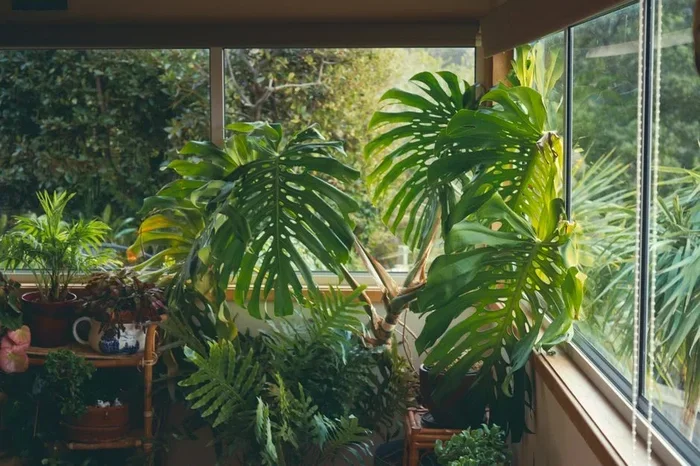
- Monstera Deliciosa: The iconic Swiss cheese plant adds a tropical feel.
- Peace Lily: Elegant white blooms and low-light tolerance.
- Fiddle Leaf Fig: A statement plant that anchors large spaces.
- Moss Wall Panels: No watering needed and incredibly lush.
Arranging Plants for Maximum Impact
Where you place your plants matters just as much as which plants you choose. Avoid scattering them randomly. Instead, create clusters and groupings that mimic how plants grow in nature.
Use plant stands, hanging planters, and wall-mounted pots to create different levels. A mix of tall floor plants, mid-height tabletop plants, and hanging greenery creates a layered, natural look. Think of it as building a tiny indoor forest.
Common Mistake: Overcrowding your plants in one corner. Spread greenery throughout the room for a balanced, cohesive feel. A single statement plant in each corner can transform the entire space.
Low-Maintenance Greenery Options
Not everyone has the time or patience to care for high-maintenance plants. If that sounds like you, there are plenty of low-effort options. Moss walls, preserved ferns, and succulent arrangements require minimal care. They still deliver the visual and psychological benefits of biophilic design.
Artificial plants have also come a long way. High-quality faux plants look incredibly realistic and require zero maintenance. They are a great option for rooms with very little natural light or for people with busy lifestyles.
Common Mistakes to Avoid in Biophilic Design
Even with the best intentions, it is easy to make mistakes when designing a biophilic interior design living room. Here are some pitfalls to watch out for.
Too Much, Too Soon
It is tempting to fill every corner with plants and natural elements. But overdoing it can create clutter rather than calm. Start with a few key pieces and build gradually. Let the room breathe.
Ignoring Practical Needs
Biophilic design should not come at the expense of functionality. Your living room still needs to be comfortable, functional, and easy to maintain. Choose plants and materials that fit your lifestyle, not just your aesthetic vision.
Using Fake Everything
While artificial plants have their place, relying entirely on fake elements defeats the purpose of biophilic design. The goal is to create a genuine connection with nature. Use real plants and natural materials wherever possible.
Forgetting About Scent and Sound
Biophilic design engages all the senses. Do not forget about the sounds of nature and the scents of earth and greenery. A small fountain, a bowl of dried herbs, or a beeswax candle can complete the sensory experience.
Bringing It All Together
Creating a biophilic interior design living room is a journey, not a one-time project. Start with the elements that resonate most with you. Maybe it is adding a living wall, or simply rearranging your furniture to face the window. Every small change brings you closer to a home that truly connects with nature.
The beauty of biophilic design is its flexibility. It works in every style, from minimalist to bohemian to modern farmhouse. You do not need a big budget or a professional designer. You just need a willingness to bring the outdoors in.
Your living room should be a place of rest, creativity, and connection. With the right biophilic design choices, it can become exactly that. Start today, and watch your space transform into something truly special.
Frequently Asked Questions
What exactly is biophilic interior design for a living room?
Biophilic interior design living room approach brings natural elements into your home to create a stronger connection with nature. It includes plants, natural light, wood, stone, water features, and earth-toned colors. The goal is to improve your well-being and make your space feel alive and calming.
How do I start incorporating biophilic design on a budget?
You do not need a big budget to start. Begin with affordable indoor plants, second-hand wooden furniture, and natural fiber textiles. Swap out synthetic decor for items made from stone, clay, or jute. Even rearranging your furniture to maximize natural light is a simple and cost-free first step.
What plants are best for a biophilic living room?
Snake plants, pothos, peace lilies, monstera, and fiddle leaf figs are excellent choices for biophilic interior design living room spaces. They thrive indoors, purify the air, and add visual interest. If you have low light, consider moss walls or preserved ferns that do not need sunlight.
Can biophilic design work in small living rooms?
Absolutely. Biophilic design works in any size space. Use vertical planters, hanging plants, and wall-mounted shelves to maximize greenery in a small room. Choose light-colored natural materials and mirrors to create the illusion of space while keeping the nature-inspired feel.
Is biophilic design the same as cottagecore or jungle core?
While there are similarities, biophilic design is distinct. It is rooted in science and human psychology, not just aesthetics. Cottagecore and jungle core focus on a specific look, while biophilic design focuses on well-being and our connection to nature. The result can overlap, but the intention is different.
How often should I maintain plants in a biophilic living room?
Maintenance depends on the plant species. Most common biophilic plants need watering once a week and occasional leaf cleaning. Invest in a self-watering system for busy schedules. Moss walls and preserved plants require almost no maintenance, making them perfect for low-effort setups.
=== CONCLUSION ===
A biophilic interior design living room is more than a design trend. It is a way of creating a home that supports your health, happiness, and connection to the natural world. From living walls and natural wood to earth tones and flowing water, every element works together to transform your space into a true retreat.
You do not need to overhaul your entire home overnight. Start with one or two ideas from this guide and build from there. Add a plant. Swap a synthetic throw for a linen one. Rearrange your furniture to catch the morning light. Each small step brings you closer to a living room that feels genuinely connected to nature.
The principles of biophilic design are timeless and proven. They work because they align with something deep inside us — our need for nature. Honor that need, and your living room will reward you with calm, beauty, and energy for years to come.