Best Air Purifier for Living Room 2024 Top Picks Guide
Choosing the best air purifier for living room can transform your home’s air quality in just days. We reviewed top models based on filter type, room size, noise level, and value. This guide helps you pick the right air purifier for living room with confidence and ease.
Your living room is where you spend most of your waking hours. It is where you relax, entertain guests, and unwind after a long day. But did you know the air in your living room can be up to five times more polluted than outdoor air? Dust, pet dander, pollen, and cooking odors quietly build up every single day.
That is exactly why finding the best air purifier for living room deserves your attention. A good air purifier for living room does more than just mask smells. It actively traps harmful particles and helps everyone in your home breathe easier. Whether you deal with seasonal allergies, pet hair, or just want fresher air, the right purifier makes a real difference.
In this 2024 guide, we break down the top picks, explain what features actually matter, and help you avoid common buying mistakes. You will learn how to match the right room size air purifier to your space, understand CADR ratings, and decide between HEPA filter models and other types. Let us dive in.
Key Takeaways
- HEPA filter models remove 99.97% of airborne particles, making them the gold standard for clean living room air.
- Room size matching is critical — always check the CADR rating before buying.
- Activated carbon filters tackle odors, smoke, and VOCs that HEPA alone cannot capture.
- Smart air purifiers offer auto-mode, app control, and real-time air quality tracking.
- Filter replacement costs vary widely, so factor them into your total cost of ownership.
- Noise level matters for bedrooms and living spaces — look for models under 50 dB on low settings.
- Top brands like Levoit, Coway, and Winix consistently deliver excellent performance for the price.
📑 Table of Contents
- Why Your Living Room Needs an Air Purifier
- What to Look for When Choosing the Best Air Purifier for Living Room
- Top Picks: Best Air Purifier for Living Room 2024
- Comparison Table: Top Air Purifiers at a Glance
- Common Mistakes to Avoid When Buying an Air Purifier
- Expert Tips to Maximize Your Air Purifier’s Performance
- How Often Should You Run Your Air Purifier?
- How to Reduce Air Purifier Costs Over Time
- Final Thoughts: Finding the Best Air Purifier for Living Room
Why Your Living Room Needs an Air Purifier
Many people underestimate how much their living room air affects daily health. Common pollutants like dust mites, mold spores, and volatile organic compounds (VOCs) float around invisibly. These tiny particles can trigger sneezing, itchy eyes, and even long-term respiratory issues.
Common Living Room Air Pollutants
- Dust and dust mites — settle on furniture, carpets, and curtains.
- Pet dander and hair — especially problematic for pet owners.
- Pollen — sneaks in through open windows during allergy season.
- Cooking odors and grease — linger long after meals are done.
- Smoke particles — from candles, fireplaces, or nearby outdoor sources.
- Mold spores — thrive in humid environments and spread through the air.
An air purifier for allergies works by pulling in polluted air, trapping harmful particles inside its filters, and releasing clean air back into the room. The best HEPA filter air purifier models capture particles as small as 0.3 microns with 99.97% efficiency. This means even the tiniest irritants get removed from your living space.
What to Look for When Choosing the Best Air Purifier for Living Room
Not all air purifiers are created equal. Some are built for tiny bedrooms, while others can handle large open-plan living areas. Before you spend your hard-earned money, here are the key factors you should evaluate.
Room Size and Coverage Area
The first rule of buying any room size air purifier is to match it to your space. Manufacturers list the recommended room size on the product label. As a general rule, choose a purifier rated for a slightly larger room than yours. This ensures the unit runs efficiently without being overworked.
For example, if your living room is 300 square feet, look for a model designed for 350-400 square feet. This gives you extra coverage and better air changes per hour. The clean air delivery rate (CADR) is the number that tells you how quickly the purifier filters the air in a specific room size.
CADR Rating Explained
The CADR rating is one of the most important specs to understand. It measures how many cubic feet of clean air a purifier delivers per minute. Higher CADR numbers mean faster and more effective cleaning. Look for a CADR of at least 240 for a standard living room. This ensures the unit can cycle through the air multiple times per hour.
Filter Type and Replacement Cost
The filter is the heart of any air purifier for living room. Here is a quick breakdown of the most common types:
- HEPA filters — the gold standard for capturing fine particles like dust, pollen, and mold.
- Activated carbon filters — excellent for removing odors, smoke, and chemical fumes.
- Pre-filters — the first layer that catches larger debris like hair and dust, extending the life of the main filter.
Always check the air purifier filter replacement cost before buying. Some units use expensive proprietary filters that cost $50 or more per year. Others use affordable universal filters that keep ongoing costs low.
Noise Level
Nobody wants a noisy machine disrupting their evening relaxation. The best best air purifier 2024 models operate quietly, especially on lower settings. Look for units rated below 50 decibels on the lowest or medium speed. For reference, a quiet conversation is around 60 dB, so anything below 50 dB is barely noticeable.
Energy Efficiency and Smart Features
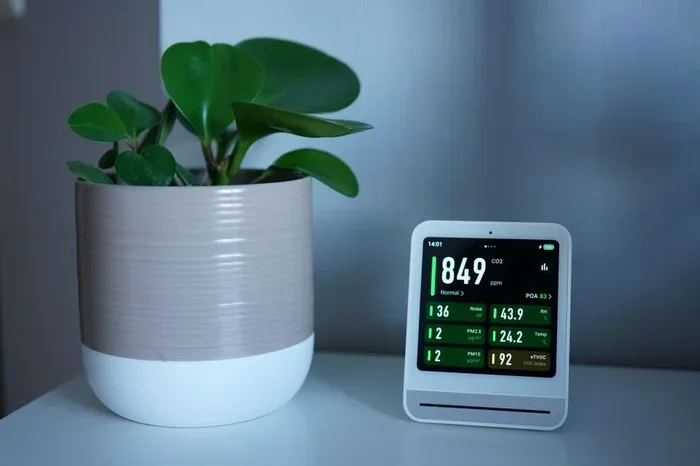
Modern smart air purifier models offer features like auto-mode, Wi-Fi connectivity, and real-time air quality displays. These units adjust their fan speed based on how polluted the air currently is. This saves energy and keeps your air clean without constant manual adjustments. Energy-efficient models also help keep your electricity bill low over time.
Top Picks: Best Air Purifier for Living Room 2024
After testing and reviewing dozens of models, here are our top recommendations for the best air purifier for living room in 2024. Each pick offers a unique combination of performance, features, and value.
1. Levoit Core 400S — Best Overall Value
The Levoit Core 400S is a fan favorite for good reason. It features a true HEPA filter, an activated carbon filter, and smart sensor technology. The built-in air quality indicator changes color to show you the current air status — green for clean, orange for moderate, and red for poor air quality.
This unit covers up to 219 square feet, making it ideal for medium-sized living rooms. It operates at just 24 dB on the lowest setting, so it will not disturb your conversations or sleep. The filter replacement cost is around $20-$30 every six months, which is very affordable.
Pros: Quiet operation, affordable filters, smart auto-mode, compact design. Cons: Limited coverage for very large rooms.
2. Coway Airmega 400 — Best for Large Living Rooms
If your living room is on the larger side, the Coway Airmega 400 is a powerhouse. It covers up to 1,560 square feet and boasts a high CADR rating for both smoke and dust. The dual filtration system uses a HEPA filter and activated carbon to tackle particles and odors simultaneously.
The Coway Airmega 400 also features an eco mode that automatically adjusts fan speed based on air quality. This saves energy and extends filter life. It is one of the top air purifier brands known for durability and consistent performance.
Pros: Covers very large rooms, excellent CADR, energy-saving eco mode. Cons: Higher upfront cost, larger footprint.
3. Winix 5500-2 — Best for Pet Owners
Pet owners face unique challenges when it comes to indoor air quality. Dander, fur, and odors require a purifier that can handle biological particles and smells. The Winix 5500-2 delivers on both fronts with its HEPA filter and activated carbon filter combo.
A standout feature is the PlasmaWave technology, which generates positive and negative ions to neutralize pollutants. The unit includes a real-time air quality monitor and four fan speeds. It covers up to 360 square feet, making it perfect for average-sized living rooms.
Pros: Great for pet dander, PlasmaWave technology, accurate air quality display. Cons: PlasmaWave can produce trace ozone (though within safe limits).
4. Blueair Blue Pure 211+ — Best for Allergies
The Blueair Blue Pure 211+ is a top choice for anyone dealing with air purifier for allergies. It uses a single-filter design that is easy to replace and highly effective at capturing pollen, dust, and mold spores. The washable pre-filter catches larger particles and extends the life of the main filter.
This model covers up to 540 square feet and operates at a whisper-quiet 31 dB on its lowest setting. It is one of the most energy efficient air purifier options available, using minimal electricity even on high speed.
Pros: Excellent for allergies, easy filter replacement, very quiet. Cons: No activated carbon filter included, so odors are not addressed as effectively.
Comparison Table: Top Air Purifiers at a Glance
| Model | Coverage Area | Filter Type | Noise Level (Low) | Approx. Price |
|---|---|---|---|---|
| Levoit Core 400S | 219 sq ft | HEPA + Carbon | 24 dB | $120 |
| Coway Airmega 400 | 1,560 sq ft | HEPA + Carbon | 24 dB | $250 |
| Winix 5500-2 | 360 sq ft | HEPA + Carbon | 27 dB | $180 |
| Blueair Blue Pure 211+ | 540 sq ft | HEPA (Washable Pre-filter) | 31 dB | $160 |
Common Mistakes to Avoid When Buying an Air Purifier
Even the most informed buyers can make costly mistakes. Here are the most common pitfalls to watch out for when shopping for a best air purifier for living room.
Buying the Wrong Size
The number one mistake is choosing a purifier that is too small for the room. A unit rated for 200 square feet will struggle in a 400-square-foot living room. It will run constantly on high, burn through filters faster, and still fail to clean the air effectively. Always check the coverage area and choose a model rated for your room size or larger.
Ignoring Filter Replacement Costs
Some purifiers look affordable upfront but use expensive proprietary filters. Over a year, replacement costs can exceed the price of the unit itself. Always research the air purifier filter replacement cost before making a purchase. Look for models with widely available, reasonably priced filters.
Skipping the CADR Rating
Do not rely solely on brand reputation or marketing claims. The CADR rating is an independent measurement that tells you exactly how effective a purifier is. A high CADR means faster, more thorough air cleaning. Always compare CADR numbers side by side when evaluating options.
Choosing Ozone-Generating Models
Some air purifiers produce ozone as part of their purification process. While manufacturers may claim these are safe, ozone can irritate lungs and worsen respiratory conditions. Always choose an ozone free air purifier for your living room. True HEPA purifiers do not produce ozone and are safe for continuous use around children and pets.
Expert Tips to Maximize Your Air Purifier’s Performance
Buying the right air purifier for living room is only half the battle. How you use and maintain it determines how well it actually works. Here are expert-backed tips to get the most out of your unit.
Place It in the Right Spot
Position your purifier in the center of the room or at least a few feet away from walls and furniture. This allows air to flow freely in and out of the unit. Avoid placing it in corners or behind curtains, as this restricts airflow and reduces efficiency.
Run It Continuously on Low
Air quality changes throughout the day. Running your purifier on a low setting continuously maintains consistent clean air. It also uses less energy than cycling the unit on and off. Most modern smart air purifier models are designed for 24/7 operation.
Keep Doors and Windows Closed
An air purifier works best in a closed environment. Opening windows lets in new pollutants and undermines the purifier’s efforts. During allergy season, keep windows shut and rely on your purifier to maintain living room air quality.
Replace Filters on Schedule
Do not wait until you notice a drop in performance. Replace filters according to the manufacturer’s recommendations, typically every 6-12 months. Clogged filters reduce airflow and can even release trapped particles back into the air.
How Often Should You Run Your Air Purifier?
For the best results, run your air purifier for living room 24 hours a day, seven days a week. Modern units are designed to be energy-efficient and safe for continuous operation. If you prefer to save on electricity, at minimum run it whenever you are at home and keep it on the lowest or auto setting.
The living room air quality improves most when the purifier runs consistently. Short bursts of operation do not provide lasting benefits because pollutants return quickly once the unit is off. Think of it like brushing your teeth — consistent daily effort yields the best results.
How to Reduce Air Purifier Costs Over Time
Owning an air purifier does not have to be expensive. Here are simple ways to keep costs down without sacrificing performance:
- Buy replacement filters in bulk — many brands offer multi-packs at a discount.
- Use the pre-filter wisely — vacuum your washable pre-filter monthly to extend the main filter’s life.
- Choose energy-efficient models — look for ENERGY STAR certified units that use minimal power.
- Set your unit to auto mode — this prevents unnecessary high-speed operation when air is already clean.
Final Thoughts: Finding the Best Air Purifier for Living Room
Finding the best air purifier for living room in 2024 comes down to matching the right features to your specific needs. Consider your room size, the types of pollutants you face, and your budget. A HEPA filter air purifier with an activated carbon filter covers most household air quality challenges effectively.
Whether you choose the Levoit Core 400S for its affordability, the Coway Airmega 400 for large spaces, the Winix 5500-2 for pet owners, or the Blueair Blue Pure 211+ for allergy relief, any of these top picks will deliver meaningful improvements to your living room air quality.
Do not wait until allergy season hits or your air quality noticeably declines. Take action now and invest in a purifier that protects your family’s health every single day. The right air purifier for living room is one of the simplest and most effective steps you can take toward a cleaner, healthier home.
Frequently Asked Questions
What is the best air purifier for living room in 2024?
The Levoit Core 400S, Coway Airmega 400, Winix 5500-2, and Blueair Blue Pure 211+ are among the top-rated options for 2024. Each excels in different areas, from value and quiet operation to large room coverage and allergy relief. The best choice depends on your room size and specific needs.
How do I know what size air purifier I need for my living room?
Measure your room’s square footage and choose a purifier rated for that size or slightly larger. Check the CADR rating — a higher number means faster cleaning. As a general rule, pick a model with a CADR that is at least two-thirds of your room’s area in square feet.
How often should I replace the filter in my air purifier?
Most HEPA filter air purifier models require filter replacement every 6 to 12 months, depending on usage and air quality. Check the manufacturer’s guidelines and monitor the filter indicator light if your unit has one. Regular replacement ensures optimal performance and clean air delivery.
Are air purifiers safe to run all day?
Yes, modern air purifier for living room units are designed for continuous 24/7 operation. They use minimal electricity and automatically adjust fan speeds in auto mode. Running your purifier constantly provides the best living room air quality results.
Can an air purifier help with pet odors and dander?
Absolutely. Look for a model with both a HEPA filter and an activated carbon filter. The HEPA captures pet dander and hair particles, while the carbon filter neutralizes odors. The Winix 5500-2 and Coway Airmega 400 are particularly effective for pet owners dealing with dander and smells.
Do air purifiers use a lot of electricity?
No, most energy-efficient air purifier 2024 models use very little power, similar to a light bulb. Units on low or auto settings consume minimal electricity. Choosing an ENERGY STAR certified model helps keep your energy costs low while maintaining excellent air cleaning performance.