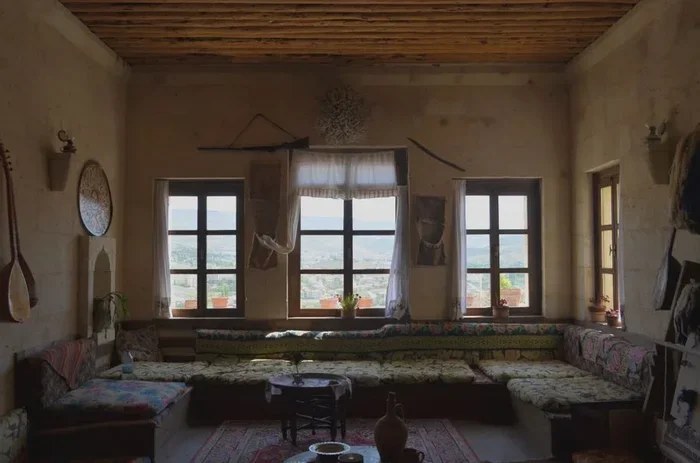
Arts and Crafts Living Room Ideas to Inspire Your Home
An arts and crafts living room celebrates handmade beauty, natural materials, and warm, earthy tones that create a cozy and inviting atmosphere. Whether you are drawn to the traditional craftsman style or want a modern twist on this classic design, there are many ways to bring this aesthetic into your home. In this guide, you will learn how to choose the right furniture, colors, lighting, and decor to build a stunning arts and crafts inspired living room that feels both timeless and personal.
An arts and crafts living room is more than just a design trend. It is a celebration of craftsmanship, simplicity, and the beauty of natural materials. This style has been around for over a century, yet it still feels fresh and relevant in modern homes. The arts and crafts movement started in the late 1800s as a reaction against mass-produced furniture and overly ornate Victorian design. People wanted something honest, functional, and beautiful. Today, that same spirit lives on in living rooms around the world.
If you have been searching for living room design ideas that feel warm, grounded, and full of character, the arts and crafts style might be exactly what you need. It works in small apartments and large family rooms alike. You do not need a huge budget either. With a few thoughtful choices, you can transform your space into a craftsman-inspired retreat. Let us explore how to bring this timeless look to life.
## What Makes an Arts and Crafts Living Room Special
The arts and crafts movement was all about valuing the maker over the machine. Every piece of furniture, every light fixture, and every decorative object was meant to show human skill and care. This philosophy shapes everything about an arts and crafts living room. You will notice clean lines, solid construction, and a deep respect for natural materials.
### The History Behind the Style
William Morris and other designers in England started the arts and crafts movement in the 1880s. They believed that everyday objects should be both useful and beautiful. The movement spread to America, where it became closely tied to the craftsman style and the bungalow aesthetic. Architects like Gustav Stickley popularized this look through his magazine and furniture designs.
Today, people who love this style appreciate its honesty. There is no pretense in arts and crafts design. Everything has a purpose. The furniture is built to last. The colors come from nature. The decor tells a story.
### Core Principles of Arts and Crafts Design
Understanding the core principles helps you make better design choices. Here are the main ideas behind this style:
- Honest materials: Wood, stone, metal, and glass are left in their natural state or finished simply.
- Function first: Every piece of furniture should serve a real purpose.
- Handcrafted quality: Decorative elements show the hand of the maker.
- Harmony with nature: Colors and textures draw from the natural world.
- Simple elegance: Ornamentation is restrained and meaningful, not excessive.
## Color Palettes That Capture the Arts and Crafts Spirit
Choosing the right colors is one of the most important steps in designing an arts and crafts living room. The palette should feel warm, grounded, and connected to nature. Most schemes rely on earthy tones that create a calm and inviting atmosphere.
### Popular Color Combinations
The traditional arts and crafts color palette includes deep reds, forest greens, warm browns, and soft creams. These colors work together beautifully because they all come from the natural world. Here are some classic combinations to consider:
- Brown and cream: A warm base with cream walls and dark wood furniture creates a cozy foundation.
- Green and gold: Sage or olive walls paired with gold-toned accents bring a sense of tranquility.
- Deep red and brown: Burgundy or maroon upholstery against dark wood feels rich and inviting.
- Soft blue and beige: A lighter take on the style that still feels grounded and natural.
### Tips for Choosing Paint and Fabrics
When selecting paint colors, look for muted and warm shades. Avoid bright whites and stark grays. Instead, choose cream, warm gray, or soft beige for your walls. For fabrics, natural fibers like linen, cotton, and wool work best. These materials have a texture that adds depth and warmth to the room.
A quick tip is to hold fabric swatches and paint samples next to each other in the room before committing. Natural light changes how colors look throughout the day. What works in the morning might feel different in the evening.
## Furniture and Decor for an Authentic Look
The furniture in an arts and crafts living room should feel solid, sturdy, and beautifully simple. This is not a style that favors flashy or delicate pieces. Instead, it celebrates the honest beauty of well-made objects.
### Choosing the Right Furniture
Craftsman furniture is the backbone of this design style. Look for pieces made from solid wood with visible joinery. Oak, cherry, and walnut are the most traditional choices. The furniture should have clean, straight lines with minimal ornamentation.
Here are some key furniture pieces to consider:
- Sofa and chairs: Choose pieces with low backs, exposed wood legs, and simple upholstery in natural fabrics.
- Coffee table: A solid wood table with tapered legs and a warm finish anchors the room.
- Built-in shelving: Custom bookshelves made from wood add both storage and character.
- Sideboards and buffets: These provide display space for handcrafted ceramics and decorative objects.
### Decorative Accessories and Accents
Decor is where your personal story comes through in an arts and crafts living room. The goal is not to fill the room with stuff. It is to choose a few meaningful items that reflect the style.
Handcrafted pottery from local artisans adds warmth and personality. Woven baskets serve as both storage and decoration. Textiles like woven throws and handmade rugs bring texture and comfort. Look for items that show the hand of the maker. Even simple objects like a hand-thrown vase or a hand-carved wooden bowl can become focal points.
A common mistake is to over-decorate. The arts and crafts style thrives on restraint. Leave some breathing room. Let each piece stand on its own.
## Lighting Ideas for Warmth and Ambiance
Lighting plays a huge role in setting the mood of an arts and crafts living room. The right fixtures enhance the warm, handcrafted feel of the space. Poor lighting, on the other hand, can make even the best design feel flat and lifeless.
### Types of Arts and Crafts Lighting
The arts and crafts movement produced some of the most beautiful lighting designs in history. These fixtures often feature art glass, hammered metal, and simple geometric forms. Here are the main types to consider:
- Table lamps: Look for lamps with oak or copper bases and art glass shades. These are iconic in the craftsman style.
- Floor lamps: A standing lamp with a warm fabric shade adds gentle light to reading corners.
- Chandeliers and pendants: Choose fixtures with clear or amber glass and simple metal frames.
- Wall sconces: These provide soft ambient light and highlight architectural features.
### Creating the Right Atmosphere
Warm white bulbs make a big difference. Avoid cool white or blue-toned LEDs. Instead, choose bulbs with a color temperature around 2700K. This creates a soft, golden glow that complements the natural materials in the room.
Layering your light sources also helps. Combine overhead light with table lamps and floor lamps to create depth. Dimmer switches let you adjust the mood throughout the day. In the evening, softer light makes the room feel cozy and welcoming.
## Common Mistakes to Avoid in Arts and Crafts Living Rooms
Even with the best intentions, it is easy to make mistakes when designing an arts and crafts living room. Knowing what to avoid saves time, money, and frustration.
### Over-Accessorizing
One of the biggest mistakes is adding too many decorative items. The arts and crafts style values simplicity and intentionality. Every object should have a purpose or a story. If a piece does not serve the room or bring you joy, consider removing it.
### Using Synthetic Materials
The arts and crafts philosophy embraces natural materials. Synthetic fabrics, plastic decor, and laminate furniture clash with the organic feel of the style. Stick to wood, metal, glass, linen, cotton, and wool whenever possible.
### Ignoring Scale and Proportion
Furniture that is too large or too small disrupts the harmony of the room. Measure your space before purchasing pieces. Leave enough room to move around comfortably. The furniture should feel balanced, not cramped or lost.
## Expert Insights on Achieving the Perfect Balance
Interior designers who specialize in arts and crafts design often emphasize one key idea: authenticity matters. You want your living room to feel genuine, not like a showroom. Mix new and vintage pieces. Add personal touches that reflect your interests and hobbies. Let the room evolve over time.
According to design experts, the best arts and crafts living rooms feel lived in. They are not overly polished or staged. They have character. They tell the story of the people who live there. So do not be afraid to mix in family heirlooms, flea market finds, and handmade pieces from local artisans.
Before making any major purchases or changes, it is always wise to review the relevant terms and conditions of your home decor vendors to ensure you are protected and informed about your choices.
## Bringing It All Together
Designing an arts and crafts living room is a rewarding journey. It is about creating a space that feels warm, honest, and full of character. Start with the basics: a solid color palette, quality furniture, and thoughtful lighting. Then add personal touches through handcrafted decor and meaningful accessories.
The beauty of this style is its flexibility. You can go traditional with classic craftsman pieces, or you can blend in modern elements for a contemporary craftsman look. Either way, the principles remain the same. Choose quality over quantity. Embrace natural materials. Let simplicity and function guide your decisions.
Your arts and crafts living room does not need to be perfect. It needs to feel real. It should be a place where you can relax, create, and connect with the people you love. Start with one or two changes today, and build from there. The journey of creating a beautiful home is just as rewarding as the result.
Key Takeaways
- Arts and crafts living rooms focus on handmade quality, natural materials, and simple yet elegant design.
- Warm earth tones like browns, greens, and creams form the foundation of this classic style.
- Craftsman furniture with clean lines and solid wood construction is essential for an authentic look.
- Proper lighting, including art glass fixtures and warm bulbs, enhances the craftsman atmosphere.
- Adding handcrafted decor items like pottery, woven textiles, and built-in shelving brings the style to life.
- Avoid common mistakes like over-accessorizing or using synthetic materials that clash with the organic feel.
- You do not need a big budget to create a beautiful arts and crafts living room with the right approach.
Frequently Asked Questions
What is the difference between arts and crafts and craftsman style?
The arts and crafts movement is the broader design philosophy that started in the 1880s. Craftsman style refers specifically to the American interpretation of this movement, popularized by Gustav Stickley. In practice, the terms are often used interchangeably for living room design.
Can I mix arts and crafts with modern furniture?
Absolutely. Many homeowners blend traditional craftsman pieces with modern elements for a contemporary craftsman look. The key is to keep a cohesive color palette and stick to natural materials so the mix feels intentional rather than chaotic.
What wood types are best for an arts and crafts living room?
Oak, cherry, walnut, and maple are the most traditional choices. Oak is especially popular because of its prominent grain and durability. The wood should have a warm finish that highlights its natural beauty.
How do I light an arts and crafts living room properly?
Use warm white bulbs around 2700K and layer your lighting with table lamps, floor lamps, and wall sconces. Art glass fixtures and fixtures with simple metal frames are ideal for maintaining the authentic craftsman atmosphere.
Is the arts and crafts style expensive to achieve?
Not necessarily. While solid wood furniture can be an investment, you can also find affordable options at thrift stores and flea markets. Focus on quality over quantity, and add personality through handmade decor and DIY projects.
What colors work best for a small arts and crafts living room?
Stick with lighter earth tones like cream, warm beige, and soft sage green. These colors make small spaces feel open and warm. You can add pops of deeper color through accessories like throw pillows and artwork.
=== CONCLUSION ===
An arts and crafts living room brings warmth, character, and timeless beauty into your home. By focusing on natural materials, handmade quality, and a restrained color palette, you can create a space that feels both inviting and intentional. Remember to choose furniture with clean lines and solid construction. Layer your lighting for a cozy atmosphere. Add personal touches through handcrafted decor and meaningful accessories.
The most important thing is to let the room reflect who you are. Do not worry about achieving perfection. Focus on authenticity and simplicity. With these arts and crafts living room ideas as your guide, you are well on your way to building a home space that feels truly special and uniquely yours.