Stunning Antique Living Room Ideas to Inspire Your Home
Antique living room ideas can transform any space into a warm, inviting retreat full of character and history. Whether you love vintage furniture, classic upholstery, or heirloom accessories, these tips will help you create a room that feels both elegant and lived-in. From choosing the right antique decor to blending old and new pieces, this guide covers everything you need to design a beautiful vintage-inspired living room.
There is something magical about an antique living room. It feels like stepping into a storybook, where every piece of furniture has a tale to tell. If you have been searching for antique living room ideas that bring warmth, character, and timeless beauty to your home, you are in the right place.
Creating a vintage-inspired living room is not about filling your space with old things. It is about curating pieces that speak to you. Whether you inherited a gorgeous wooden cabinet or found a hidden gem at a flea market, the right vintage furniture can completely change the feel of a room. In this guide, we will walk you through practical steps, creative tips, and inspiring ideas to help you design a living room that feels both classic and comfortable.
Let us dive in and explore how you can bring the charm of the past into your modern home.
Key Takeaways
- Start with statement furniture: A single antique sofa or wooden cabinet sets the tone for the entire room.
- Layer vintage accessories: Antique mirrors, lamps, and clocks add depth and personality to your space.
- Choose a warm color palette: Earthy tones, muted greens, and rich browns complement antique pieces beautifully.
- Mix old and new: Blending antique furniture with modern elements creates a balanced, fresh look.
- Focus on lighting: Vintage brass fixtures and antique lamps create a cozy, inviting atmosphere.
- Use vintage rugs and curtains: These soft furnishings tie the whole room together with texture and warmth.
- Don’t overdo it: A few well-chosen antique pieces are more impactful than filling the room with them.
📑 Table of Contents
- Why Antique Living Rooms Never Go Out of Style
- Choosing the Right Antique Furniture
- Antique Decor and Accessories That Make a Statement
- Creating the Perfect Vintage Color Palette
- Lighting and Antique Fixtures for Warmth
- Mixing Antique with Modern for a Balanced Look
- Soft Furnishings: Rugs, Curtains, and Cushions
- Key Takeaways
- Conclusion
Why Antique Living Rooms Never Go Out of Style
Trends come and go. But antique pieces have a way of making any room feel grounded and soulful. A classic living room with vintage touches never looks dated. Instead, it gains more character over time.
Here is why people love incorporating antique items into their homes:
- Timeless appeal: Antique furniture is built to last. The craftsmanship of decades ago often surpasses what we see in mass-produced items today.
- Unique character: Every antique piece has its own story. Scratches, patina, and wear patterns add life and authenticity.
- Investment value: Many heirloom furniture pieces appreciate over time, making them both beautiful and financially smart.
- Sustainability: Reusing vintage items is one of the best ways to reduce waste and shop responsibly.
When you surround yourself with items that have history, your home feels more personal. It stops looking like a showroom and starts feeling like a home.
The Emotional Connection to Vintage Pieces
Many people feel a deep emotional pull toward antique decor. Maybe it reminds them of their grandparents’ house. Or perhaps it connects them to a different era they admire. Whatever the reason, this emotional bond makes vintage living rooms feel deeply personal. You are not just decorating. You are building a space that reflects who you are and what you value.
Choosing the Right Antique Furniture
The foundation of any great antique living room ideas setup is the furniture. You do not need to buy everything vintage. Start with one or two statement pieces and build from there.
Start with a Statement Sofa or Chair
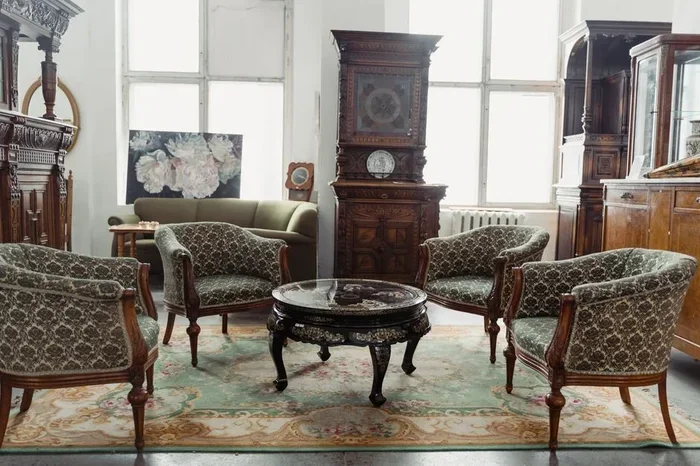
A vintage sofa or armchair can anchor the entire room. Look for pieces with solid wood frames and classic upholstery. Velvet, leather, and brocade are popular choices for antique seating. Here are some tips:
- Check for sturdy joints and solid construction.
- Choose upholstery colors that work with your wall paint.
- Do not be afraid of bold patterns like floral or damask prints.
- Consider the scale of the piece relative to your room size.
Antique Wooden Cabinets and Sideboards
Wooden cabinets add both storage and visual interest. A vintage wooden cabinet can hold books, ceramics, or family photos. Sideboards from the Victorian or Edwardian era are particularly popular for living rooms. They offer generous surface space for displaying vintage accessories while keeping clutter hidden.
Antique Tables and Consoles
An antique console table placed behind a sofa adds elegance instantly. You can use it to display a lamp, a vase, or framed photos. Coffee tables with carved legs or marble tops also work beautifully in vintage-inspired spaces.
Where to Find Quality Antique Furniture
Finding the right pieces takes patience. Here are some great places to look:
- Estate sales and auctions
- Local antique shops and flea markets
- Online marketplaces like Etsy or Chairish
- Estate cleanouts and garage sales
- Family heirlooms passed down through generations
Always inspect pieces carefully for damage. Small repairs are often easy and affordable. But major structural issues can be costly to fix.
Antique Decor and Accessories That Make a Statement
Furniture sets the stage. But it is the accessories that bring the room to life. Antique decor items add layers of texture, color, and personality that modern pieces simply cannot replicate.
Antique Mirrors
Few things make a room feel larger and more elegant than an antique mirror. Ornate gold or gilded frames from the 18th or 19th century work wonders. Place a large mirror above a fireplace or console table to reflect light and create depth.
Vintage Clocks and Barometers
An antique clock on the wall or mantelpiece adds both function and charm. Wooden shelf clocks, longcase clocks, and bracket clocks are all excellent choices. Barometers and old thermometers also make fascinating display pieces that spark conversation.
Vintage Art Pieces and Prints
Hang vintage art pieces on your walls. Old botanical prints, oil paintings, and vintage maps can create a gallery wall that feels curated and intentional. Look for frames that match the era of the art for an authentic look.
Ceramics, Vases, and Collectibles
Display vintage ceramics and porcelain vases on shelves or tables. Group items of varying heights for a visually appealing arrangement. Old teacups, small figurines, and decorative plates also add charm when displayed thoughtfully.
Vintage Brass and Metal Accents
Brass fixtures and accessories add a warm, golden glow to any room. Think brass candlesticks, picture frames, curtain rods, or table lamps. These vintage brass fixtures complement wooden furniture and add a touch of old-world elegance.
Quick Tips for Styling Accessories
- Group items in odd numbers for a more natural look.
- Mix heights and textures to create visual interest.
- Leave some negative space. Do not overcrowd surfaces.
- Use trays to corral small items and create a cohesive display.
Creating the Perfect Vintage Color Palette
The colors you choose set the mood for your entire living room. A well-planned vintage color palette makes antique pieces look even more stunning.
Warm and Earthy Tones
Earthy colors work beautifully with antique wooden furniture. Think warm browns, soft creams, muted golds, and deep terracotta. These colors create a cozy and inviting atmosphere that feels both classic and comfortable.
Rich Jewel Tones
For a more dramatic look, consider jewel tones like deep emerald green, navy blue, burgundy, and mustard yellow. These colors were popular in Victorian and Edwardian interiors and pair wonderfully with ornate vintage furniture.
Soft Pastels for a Lighter Feel
If your room feels small or dark, soft pastels can help. Pale blush, dusty blue, sage green, and cream create a light and airy feel while still feeling vintage. This approach works especially well in traditional living room settings.
Wall Colors That Complement Antique Pieces
When choosing wall paint, look for shades that were popular in the era your furniture comes from. Soft greens, warm creams, dusty blues, and muted yellows are all excellent choices. You can also use vintage wallpaper with subtle patterns to add texture and visual interest to one accent wall.
How to Test Your Color Palette
Before committing to a color, paint a large swatch on your wall. Observe it at different times of day. Natural light and artificial light can change how a color looks dramatically. Hold your antique pieces next to the wall to see how the colors interact.
Lighting and Antique Fixtures for Warmth
Lighting can make or break the mood of a vintage living room. The right fixtures add warmth, ambiance, and a sense of old-world charm.
Antique Lamps and Table Lamps
A beautiful antique lamp on a side table or console instantly draws the eye. Look for lamps with fabric shades, brass bases, or ceramic details. Tiffany-style stained glass lamps are a classic choice that adds both color and character.
Chandeliers and Pendant Lights
If your living room has high ceilings, consider a vintage chandelier. Crystal chandeliers from the early 20th century add a touch of glamour. For lower ceilings, a simple brass pendant light works just as well.
Floor Lamps and Sconces
Do not forget about floor lamps and wall sconces. A vintage brass floor lamp placed in a corner provides both task lighting and decorative appeal. Wall sconces with frosted glass or fabric shades create a soft, warm glow that is perfect for evenings.
Using Natural Light to Your Advantage
Let natural light in wherever possible. Sheer vintage curtains in light fabrics filter sunlight beautifully while maintaining privacy. Lace or linen curtains are especially effective for creating that soft, romantic vintage feel.
Quick Tips for Vintage Lighting
- Use warm-toned bulbs (2700K or lower) for a cozy glow.
- Layer your lighting with table lamps, floor lamps, and wall sconces.
- Clean brass fixtures regularly to maintain their shine.
- Mix different styles of lamps for a curated, collected look.
Mixing Antique with Modern for a Balanced Look
One of the biggest questions people ask is whether they can mix antique and modern pieces. The answer is absolutely yes. In fact, the best antique living room ideas often blend old and new elements for a fresh, balanced look.
The 70/30 Rule
A helpful guideline is the 70/30 rule. Let 70 percent of your room be one style and 30 percent be the other. If you love vintage furniture, let those pieces dominate and add a few modern accents. If your room is mostly modern, add antique pieces as focal points.
What Works Well Together
Here are some combinations that work beautifully:
- Antique sofa with a modern coffee table: The contrast adds visual interest.
- Vintage wooden cabinet with contemporary art: It bridges the old and the new.
- Ornate antique mirror with a minimalist sofa: The mirror becomes the star of the room.
- Modern rug under antique furniture: It grounds the room and adds texture.
Common Mistakes to Avoid
Mixing styles can be tricky. Here are some pitfalls to watch out for:
- Do not match everything perfectly. A little mismatch adds charm.
- Avoid choosing too many competing styles at once.
- Do not ignore scale. A tiny modern chair next to a large antique sofa can look awkward.
- Make sure there is a unifying element, like a shared color or material.
The goal is harmony, not perfection. Let the room feel curated and intentional rather than forced.
Soft Furnishings: Rugs, Curtains, and Cushions
Soft furnishings are the finishing touches that tie an antique living room together. They add warmth, texture, and comfort.
Vintage Rugs
A vintage rug can transform the feel of a room instantly. Persian rugs, Oriental rugs, and Turkish kilims are all popular choices. Look for rugs with rich colors and interesting patterns. Place the rug under the coffee table and at least partially under the sofa for a cohesive look.
Curtains and Drapes
Heavy curtains in velvet, brocade, or linen add a sense of grandeur to a vintage living room. Choose colors that complement your wall paint and furniture. Layer sheer curtains under heavier drapes for a luxurious feel.
Cushions and Throws
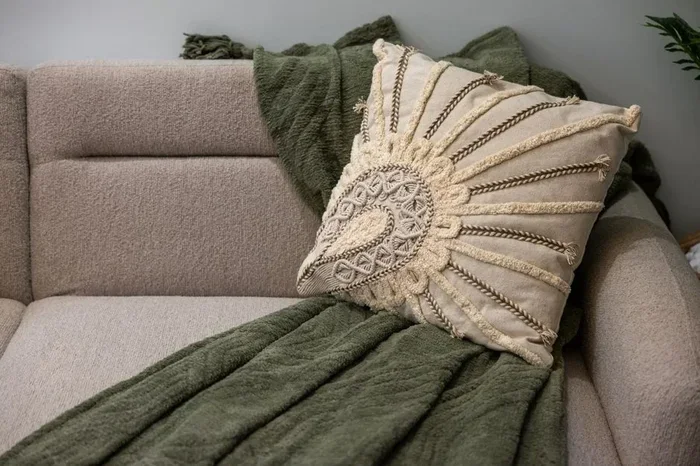
Add cushions and throws in complementary patterns and textures. Lace, crochet, and embroidered covers all work well in a vintage setting. Mix solid colors with patterned fabrics for a layered, inviting look.
Expert Insight on Soft Furnishings
Interior designers often say that soft furnishings are the easiest and most affordable way to update a room’s look. You can change cushions and curtains seasonally without spending a fortune. This makes them perfect for experimenting with different vintage color palette ideas.
Key Takeaways
- Start with statement furniture: A single antique sofa or wooden cabinet sets the tone for the entire room.
- Layer vintage accessories: Antique mirrors, lamps, and clocks add depth and personality to your space.
- Choose a warm color palette: Earthy tones, muted greens, and rich browns complement antique pieces beautifully.
- Mix old and new: Blending antique furniture with modern elements creates a balanced, fresh look.
- Focus on lighting: Vintage brass fixtures and antique lamps create a cozy, inviting atmosphere.
- Use vintage rugs and curtains: These soft furnishings tie the whole room together with texture and warmth.
- Don’t overdo it: A few well-chosen antique pieces are more impactful than filling the room with them.
Conclusion
Creating a beautiful living room with antique living room ideas is all about balance, personality, and care. You do not need a huge budget or a sprawling estate. A single vintage piece, paired with thoughtful styling, can transform any room into a warm and inviting space.
Start small. Choose one or two vintage furniture pieces that speak to you. Add antique decor and accessories gradually. Experiment with vintage color palette options and lighting until the room feels just right.
The most important thing is to make the space your own. Your living room should tell your story. It should feel like a place where you can relax, unwind, and enjoy the beauty of timeless design. So go ahead, explore antique shops, hunt for hidden gems, and start building the vintage living room of your dreams.
With a little patience and creativity, your antique living room ideas will come to life in the most beautiful way. Your home will thank you for it.
Frequently Asked Questions
What are the best antique styles for a living room?
Victorian, Edwardian, and mid-century vintage styles are among the most popular choices for living rooms. Victorian pieces tend to be ornate and dark wood. Edwardian furniture is lighter and more delicate. Mid-century modern vintage items offer clean lines and a retro feel. Choose the style that matches your personal taste and existing home decor.
How do I know if a piece of furniture is truly antique?
A genuine antique is typically at least 100 years old. Look for hand-cut dovetail joints, solid wood construction, and age-related wear patterns. Check for manufacturer marks or labels on the underside. If you are unsure, consult a local appraiser or antique dealer. They can help you authenticate pieces and determine their value.
Can I mix antique furniture with a modern living room?
Absolutely. Mixing antique and modern pieces creates a dynamic and layered look. Use the 70/30 rule to maintain balance. Choose one dominant style and let the other style complement it. A shared color palette or material, like brass or wood, helps tie everything together seamlessly.
How do I care for antique furniture in a living room?
Keep antique furniture away from direct sunlight to prevent fading. Dust pieces regularly with a soft cloth. Use furniture polish designed for the specific wood type. Avoid placing hot items directly on wooden surfaces. For upholstered pieces, vacuum gently and address stains promptly to preserve the fabric.
What colors work best with antique living room furniture?
Warm earth tones like cream, beige, and terracotta complement most antique wooden pieces. Rich jewel tones such as emerald green and burgundy add drama. Soft pastels like dusty blue and blush pink create a lighter vintage feel. Always test paint swatches next to your furniture before committing to a color.
Where can I find affordable antique living room pieces?
Estate sales, flea markets, thrift stores, and online platforms like Etsy and Facebook Marketplace are great sources for affordable antiques. Garage sales and auction houses also offer hidden finds. Patience is key. The best pieces often come to those who search regularly and are willing to wait for the right item at the right price.