How to Choose a Large Couch for a Small Living Room
Finding the right large couch for a small living room is all about smart scale and clever placement. This guide shows you how to pick a sofa that fits without crowding your space, using space-saving styles and measurement tips. You’ll walk away with design tricks that make a big couch look intentional and stylish.
Key Takeaways
- Choose the right size: Measure your room and leave at least 30 inches of walkways for comfortable traffic flow.
- Opt for space-saving styles: Low-profile, armless, or tight-back sofas create an open feel.
- Use visual tricks: Light colors, high legs, and a rug under the couch make a large piece feel smaller.
- Placement matters: Float the couch or anchor it with a console table to define the zone without blocking flow.
- Avoid common mistakes: Don’t pick an oversized sofa or block windows and doorways.
- Test before you buy: Sit in the couch and visualize it in your room with painter’s tape.
📑 Table of Contents
Why a Large Couch Belongs in a Small Living Room
A large couch for a small living room can completely transform your home. Many people assume that a big sofa will swallow their space. But the right piece adds comfort, anchors the room, and makes the area feel intentional. A small sofa often looks lost on a big wall. A properly sized large couch fills the room with a sense of balance. It also invites people to gather and stay awhile.
Think about how often you use your living room. You watch TV, read, chat with guests, or simply relax. A large sofa gives everyone a spot to stretch out. It turns a cramped room into a cozy retreat. The key is choosing the right large couch for a small living room that matches your layout and style. When you get the scale right, the room feels bigger, not smaller.
The Magic of Scale and Proportion
Scale and proportion are the secrets to making a big couch work. Scale means the size of the furniture compared to the room. Proportion is how the couch relates to other items. A large sofa with low arms and a tight back keeps the visual weight light. This creates an airy feel even in a tiny apartment. You can use space planning to find that sweet spot. Measure your room and sketch the layout. Then choose a sofa that fits the space without crowding the paths.
When Comfort Matters Most
Comfort should never take a back seat. A large couch for a small living room must feel good to sit on. You want deep seats and supportive cushions. Many people choose a loveseat or a compact sectional to save space. But a full-size sofa can still be cozy if you pick the right design. Look for seats that are at least 35 inches deep. That lets you curl up without feeling trapped. The goal is a sofa that welcomes you and your guests.
Measure Your Room Before You Shop
Buying a big sofa without measurements is a recipe for disaster. You need to know exactly what fits. Start with the room dimensions. Then think about doorways and hallways. Will the couch make it up the stairs? These details matter. Smart furniture shopping always begins with a tape measure.
Room Dimensions and Clearance
Grab a notebook and sketch your floor plan. Note the length and width of the room. Mark windows, doors, and radiators. You need at least 30 inches of walkway around the sofa. This is called traffic flow. Without it, the room feels cramped and frustrating. Also, leave space behind the sofa for a console table or a rug. A good rule is to keep the couch at least 12 inches away from the wall. This gap makes the room feel larger.
The Importance of Doorway and Hallway Width
Even if a sofa fits in the room, it must fit through the door. Standard interior doors are 30 to 36 inches wide. Measure the narrowest doorway along the path. Remove the sofa legs if possible. Some sectional couches come apart for easy moving. Always check the delivery dimensions before you order. A beautiful large couch that cannot reach your living room is a costly mistake.
Quick Tips for Measuring
- Use painter’s tape on the floor to mark the couch footprint.
- Sit in the taped area to check if you can still walk freely.
- Measure ceiling height to ensure the sofa does not block light.
- Note the room’s focal point, like a fireplace or TV wall.
Best Couch Styles That Fit Small Spaces
Not all large sofas are created equal. Some designs are made to work in tight rooms. Knowing the right style can save you from buying a piece that dominates the space. Let’s look at the best options for a large couch in a small living room.
Compact Sectionals and L-Shaped Sofas
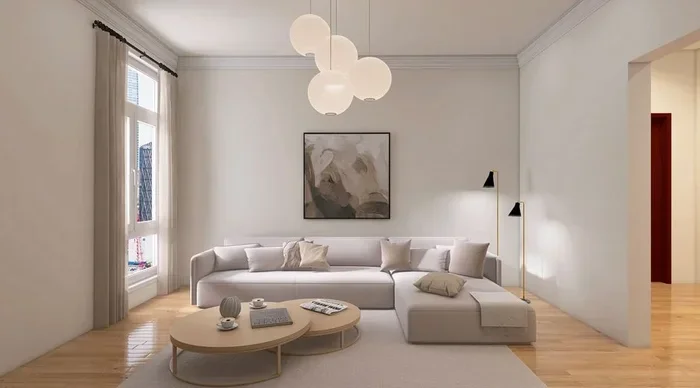
A compact sectional wraps around the room without taking over. It defines the seating area and gives everyone a place to sit. Choose a tight-back sectional with clean lines. This style keeps the visual footprint tight. Avoid oversize chaises that eat up floor space. A small L-shaped sofa can seat five or six people. It works well in open-plan apartments. Just make sure the depth does not exceed 38 inches.
Armless and Low-Profile Designs
Armless sofas are a secret weapon for small rooms. They create a low visual line that makes the ceiling feel higher. A low-back couch also lets natural light travel around the room. You can pair it with a single accent chair for extra seating. The lack of arms also makes it easier to slide the sofa into place. Many apartment sofas feature this sleek, minimal design. They feel modern and spacious at the same time.
High-Leg Sofas and Storage Options
High-leg sofas lift the seating area off the floor. This creates a sense of airiness underneath. The exposed legs make the room feel lighter and cleaner. They also make vacuuming and cleaning easier. If you need extra storage, look for a storage sofa or a sleeping sofa. A sleeper sofa serves double duty for guests. A storage ottoman nearby can hold blankets and pillows. These pieces keep clutter hidden and the room tidy.
Comparison Table: Couch Styles for Small Living Rooms
| Style | Best For | Visual Impact | Space Needed |
|---|---|---|---|
| Compact Sectional | Open layouts, family rooms | Defines a zone | Medium |
| Armless Low-Back Sofa | Tiny apartments, studio | Opens up the room | Small |
| High-Leg Sofa | Modern, minimalist spaces | Feels light and airy | Small |
| Storage Sleeper Sofa | Multi-use rooms, guest space | Practical and versatile | Medium |
| Tight-Back Loveseat | Very small rooms | Neat and compact | Small |
Placement Strategies That Make a Big Couch Shine
Where you put the sofa changes everything. A poorly placed couch can make a room feel like a hallway. A well-placed large couch for a small living room becomes the heart of the home. Use these placement strategies to get the best results.
Anchor the Room with a Rug
Place the sofa on a large area rug. The rug should extend at least 18 inches beyond the sofa on both sides. This grounds the furniture and creates a defined seating area. A rug also adds color and texture. It draws the eye and makes the room feel intentional. Choose a rug that is 8×10 feet or larger for a standard sofa. The rug should frame the couch, not trap it.
Float the Couch Instead of Pushing It Back
Many people push the sofa against the wall. This can make the room feel smaller. Try floating the couch a few inches away from the wall. It creates a subtle depth that makes the space feel larger. You can place a console table behind the sofa. This adds a surface for lamps or decor without blocking the flow. Floating the couch also allows you to place a coffee table in front. The gap between the sofa and table should be about 16 inches for comfortable legroom.
Use Light and Mirrors to Expand the Space
Lighting plays a huge role in how a room feels. Place a floor lamp beside the sofa. A table lamp on the console table adds warmth. Mirrors reflect light and make the room appear larger. Hang a mirror on the wall opposite a window. This bounces natural light across the space. The large couch will feel less bulky in a bright, open room.
Expert Insights: Small-Space Designers Share Their Tricks
Professional designers know how to make a large couch work in a tiny room. They use a few tried-and-true methods. First, they choose a sofa with the same color as the walls. This makes the furniture blend in. Second, they use a low coffee table that does not block the view. Third, they keep the area above the sofa clear. Avoid hanging heavy artwork right above the back. Instead, place a single small frame or leave the wall bare. These small space hacks create a calm, uncluttered look.
Another trick is to use vertical space. Add tall bookshelves or a wall-mounted cabinet above the sofa. This draws the eye upward and makes the ceiling feel higher. The large couch for a small living room becomes part of a balanced composition. The room feels complete and harmonious.
Common Mistakes That Shrink Your Room
Even with the best intentions, some choices can make a small room feel worse. Avoid these common mistakes when selecting a large couch for a small living room.
Overscaling the Furniture
The biggest error is buying a sofa that is too large. A massive sectional can swallow a 10×12 room. It blocks windows and doorways. The room loses its sense of flow. Always choose a sofa that fits 70% of the wall space. Leave room for side tables and walkways. If the couch touches both walls, it is too big.
Ignoring the Coffee Table Size
A huge coffee table competes with the sofa. It creates clutter and blocks movement. Pick a small round coffee table or a nested table that can be tucked away. The table should be about two-thirds the length of the sofa. This keeps the proportions balanced. A storage ottoman can also serve as a table and extra seating.
Choosing Dark, Heavy Colors
Dark fabrics absorb light and make a room feel smaller. If you love a deep sofa, pair it with light walls. Use a light-colored rug and bright throw pillows. This creates contrast and keeps the space lively. A neutral sofa in beige or light gray is a safe choice. You can always add bold accent pillows for personality.
Blocking Natural Light
Never place the sofa in front of a window. The sunlight needs to reach the room. A dark sofa blocking the window makes the space feel cave-like. If you have no choice, use sheer curtains to filter the light. A low-back sofa allows light to pass over it. This keeps the room bright and airy.
Conclusion
Choosing a large couch for a small living room is all about balance. You want comfort, style, and enough space to move freely. Measure your room carefully and pick a space-saving style that suits your life. Use placement tricks like floating the couch and adding a rug. Avoid the common mistakes that shrink your space. With the right sofa, your small living room can feel warm, inviting, and perfectly put together. Start by measuring your walls, and you will find the perfect large couch that makes your home feel complete.
Frequently Asked Questions
Can a large couch really work in a small living room?
Yes, it can. The key is choosing the right size and style. A large couch for a small living room with low arms and high legs creates an open feel. Proper placement and light colors also help the sofa blend in without crowding the space.
How do I measure my living room for a large sofa?
Measure the room length and width first. Then mark the area with painter’s tape to see the footprint. Leave at least 30 inches of walkway around the sofa. Also, measure doorways and hallways to ensure the couch can reach the room.
What is the best couch style for a tiny apartment?
An armless, low-profile sofa works best in a tiny apartment. It keeps the visual line low and the floor visible. A compact sectional or a tight-back loveseat can also save space while still offering a large seating area.
Should I choose a dark or light colored large couch?
Lighter colors make a small room feel bigger. A beige or light gray large couch reflects light and keeps the space airy. If you prefer a darker sofa, balance it with a light rug and bright throw pillows to keep the room from feeling closed in.
How far should a large couch be from the coffee table?
Leave about 16 inches between the sofa and the coffee table. This gives you enough room to pull your chair out comfortably. A smaller, round coffee table works well in tight spaces and makes it easier to move around.
Can I use a large sectional in a small living room?
Yes, but choose a compact or tight-back sectional. Avoid oversized chaises that eat up floor space. Measure the room carefully and make sure the sectional leaves enough walkway for easy movement. A well-sized sectional can actually make a small room feel more organized.