Interior Design Rules for Living Room You Must Follow
Interior design rules for living room are simple guidelines that help you create a space that looks great and feels welcoming. Following these rules ensures your living room has balance, style, and function. You will learn how to pick colors, arrange furniture, and layer lighting like a pro. These tips work for any room size or budget. Start applying them today and watch your living room come alive.
Key Takeaways
- Start with a focal point: Every living room needs a clear center of attention to anchor the space.
- Use the 60-30-10 color rule: This classic formula creates a balanced and cohesive color palette.
- Arrange furniture for traffic flow: Pulling pieces away from walls makes rooms feel larger and more inviting.
- Match furniture scale to room size: Proper furniture scale prevents overcrowding and maintains visual balance.
- Layer your lighting: Combining ambient, task, and accent lighting adds depth and warmth to any room.
- Add finishing touches carefully: Area rugs, throw pillows, and wall art tie the whole design together.
📑 Table of Contents
- Why Interior Design Rules for Living Room Matter
- Start With a Strong Focal Point
- Choose the Right Color Palette
- Arrange Furniture for Easy Traffic Flow
- Match Your Furniture Scale to the Room
- Layer Your Lighting Design
- Add Finishing Touches That Tie Everything Together
- Common Mistakes to Avoid in Living Room Design
- Putting It All Together
Why Interior Design Rules for Living Room Matter
Your living room is the heart of your home. It is where you relax, entertain guests, and spend quality time with family. That is why getting the design right matters so much.
But here is the truth. Many people decorate their living rooms without a plan. They buy pieces they like and hope everything works together. The result is often a cluttered, awkward space that feels uncomfortable.
Interior design rules for living room solve this problem. They give you a clear framework to follow. You do not need to be a professional designer to create a beautiful space. You just need to know the basics.
These rules cover everything from furniture arrangement to color choices. They help you create visual balance and a space that truly feels like yours. Let us dive into each one.
Start With a Strong Focal Point
Why Every Room Needs a Center of Attention
Every great living room has a focal point. This is the first thing your eyes see when you walk in. It anchors the entire room and gives your furniture arrangement a clear purpose.
Without a focal point, your living room decor can feel scattered. The eye wanders without a resting place. This creates visual chaos, even if the individual pieces are nice.
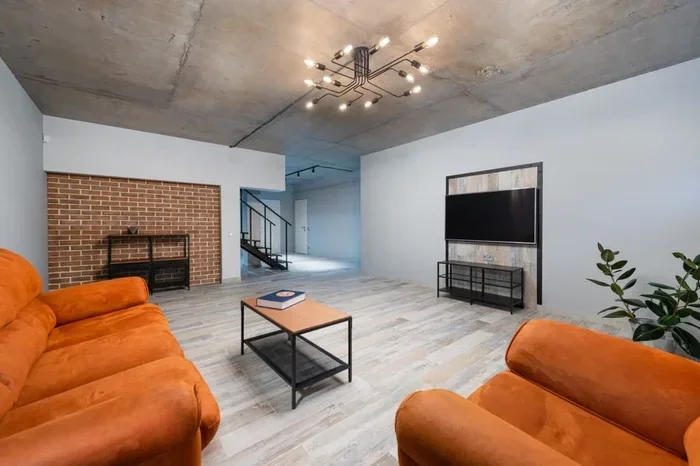
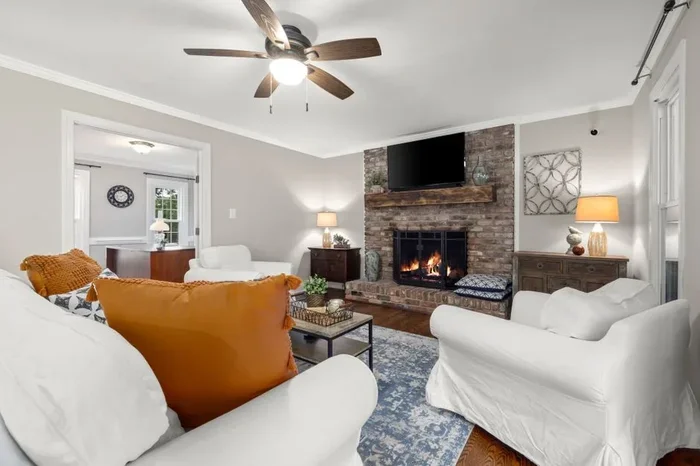
Common focal points include a fireplace, a large window with a view, or a statement wall. Your television can also serve as a focal point, though many designers now suggest alternatives.
The key is to choose one main focal point. Then arrange your furniture around it. This creates a natural flow and makes the room feel intentional.
Quick Tip: If your room lacks a built-in focal point, create one. Hang a large piece of wall art or place a bold furniture piece in a strategic spot.
Choose the Right Color Palette
Stick to the 60-30-10 Rule
Color is one of the most powerful tools in interior design. But choosing colors can feel overwhelming. That is where the 60-30-10 rule comes in.
This classic formula works like this:
- 60% dominant color: This is your main color, usually found on walls and large furniture pieces.
- 30% secondary color: This adds contrast and interest through curtains, upholstery, or a second wall.
- 10% accent color: This is your pop of personality through throw pillows, artwork, or small decor items.
Following this ratio creates a balanced color palette that feels harmonious. Your room will look polished without feeling matchy-matchy.
When selecting your accent colors, pull from existing elements in the room. A rug, a piece of art, or even a favorite blanket can inspire your choices. This keeps the room feeling connected and cohesive.
Common Mistake: Many people use too many colors. Stick to three to five colors total for the best results. More than that can make a room feel busy and restless.
Consider Your Room’s Natural Light
Your color choices should also account for natural light. Rooms with lots of sunlight can handle deeper, warmer tones. North-facing rooms with less light look better with lighter, cooler shades.
Test paint samples on your walls before committing. Look at them at different times of day. What looks good in the morning might feel completely different at night.
Arrange Furniture for Easy Traffic Flow
Pull Furniture Away From the Walls
One of the most common mistakes in living room decor is pushing all furniture against the walls. People think this makes the room look bigger. But it actually does the opposite.
When furniture floats in the center of the room, it creates conversation areas. People feel drawn together. The space feels warmer and more inviting.
Leaving space between furniture and walls also improves your room’s traffic flow. You can walk around comfortably without bumping into things. This is especially important in family-friendly homes.
Quick Tip: Aim for at least 30 inches between furniture pieces for easy movement. For main walkways, leave 36 inches or more.
Create Zones Within the Room
Even open-concept spaces benefit from defined zones. Your seating area should feel separate from your reading nook or entertainment area.
Use area rugs to define each zone. A rug under your coffee table and sofa anchors the seating area. This simple trick adds structure without walls or dividers.
Proper rug placement is crucial here. All front legs of your furniture should sit on the rug. This creates a unified look and prevents the rug from floating awkwardly.
Match Your Furniture Scale to the Room
Understand Furniture Scale and Proportions
Furniture scale refers to how the size of your pieces relates to the room. Oversized furniture in a small room feels cramped. Tiny furniture in a large room feels lost.
Start by measuring your room dimensions. Note the ceiling height, doorways, and windows. These architectural details will guide your furniture choices.
For low ceilings, choose lower-profile furniture. Tall pieces can make the room feel even smaller. For high ceilings, you can go bigger and bolder with your furniture arrangement.
The coffee table is a great example. It should be about two-thirds the length of your sofa. It should also sit about 16 to 18 inches from the seat edge for comfortable access.
Expert Insight: Think about negative space. Empty space is not wasted space. It gives the eye room to breathe and prevents the room from feeling overcrowded.
Balance Visual Weight Across the Room
Visual balance is about distributing the “heaviness” of your furniture evenly. A large, dark sofa on one side needs something to balance it on the other.
This could be a matching armchair, a tall bookshelf, or a large plant. The goal is symmetry or near-symmetry that feels natural, not rigid.
Asymmetrical balance works well too. A large plant on one side can balance a cluster of smaller chairs on the other. The key is that both sides feel equally weighted.
Layer Your Lighting Design
Combine Three Types of Lighting
Good lighting design transforms a room. Most living rooms need three layers of light working together:
- Ambient lighting: The general overhead light that fills the room. Think chandeliers, recessed lights, or a large floor lamp.
- Task lighting: Focused light for specific activities. Reading lamps and table lamps fall into this category.
- Accent lighting: Directional light that highlights features. Track lighting, wall sconces, and picture lights work well here.
Using all three layers creates depth and dimension. The room feels warm and layered rather than flat and harsh.
Quick Tip: Install dimmers on your overhead lights. This lets you adjust brightness for any mood or time of day. It is one of the easiest upgrades you can make.
Use Natural Light to Your Advantage
Natural light is your best friend in interior design. It makes spaces feel larger, brighter, and more uplifting.
Maximize natural light by keeping windows unobstructed. Choose sheer curtains instead of heavy drapes. Place mirrors opposite windows to bounce light deeper into the room.
The direction your windows face also matters. South-facing windows get the most light all day. North-facing windows get cooler, indirect light. Adjust your color choices and lighting design accordingly.
Add Finishing Touches That Tie Everything Together
Style Your Wall Art with Intention
Wall art adds personality and character to your living room. But hanging art randomly can do more harm than good.
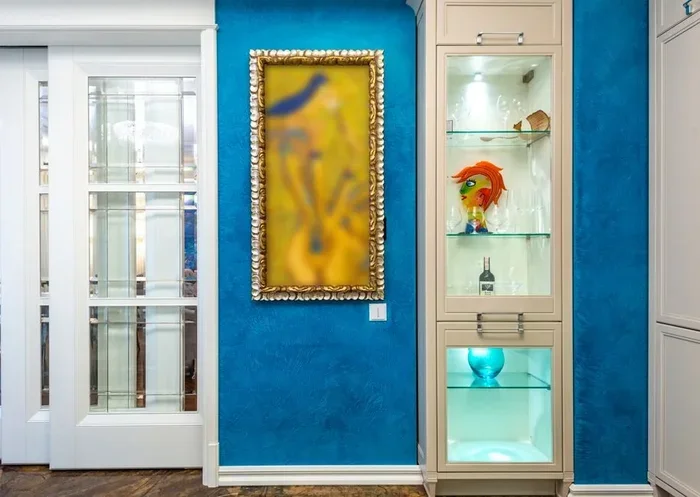
Choose artwork that complements your color palette. The pieces should reflect your personal taste while fitting the room’s overall style.
Hang art at eye level. The center of the piece should be about 57 to 60 inches from the floor. This is the standard gallery height and works well in most homes.
For grouped art, treat the entire collection as one large piece. Plan the arrangement on the floor first. Then transfer it to the wall for the best results.
Use Throw Pillows and Textiles Strategically
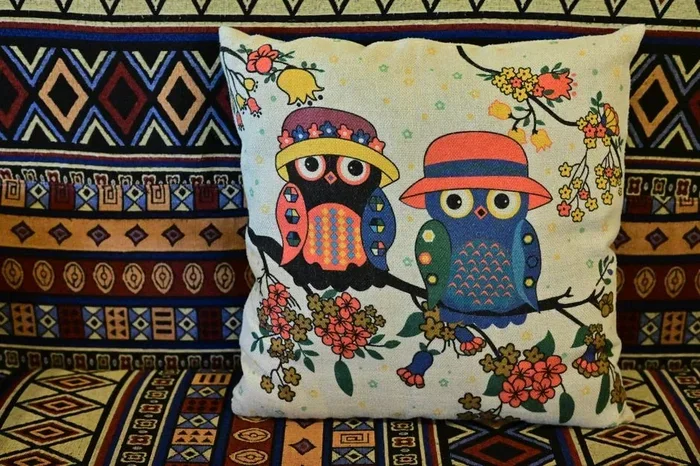
Throw pillows are more than decorative. They add comfort, color, and texture to your seating area. But too many pillows can make a couch look cluttered.
A good rule of thumb is to use an odd number of pillows. Group them in threes or fives for a natural, relaxed look. Mix sizes and textures for visual interest.
Your throw pillows should echo your accent colors from the 60-30-10 rule. This creates a sense of cohesion throughout the room. They should also complement your area rug and other textiles.
Quick Tip: Use varying textures like linen, velvet, and woven fabrics. This adds depth without adding more colors. It makes the room feel rich and curated.
Do Not Forget About the Floor
The floor is often overlooked in living room design. But the right flooring choice sets the foundation for everything else.
Area rugs define spaces and add warmth underfoot. They also help absorb sound, making your room feel quieter and more peaceful.
Choose a rug large enough that all front legs of your furniture sit on it. This anchors the seating area and creates a unified look.
For rooms with hard flooring, a plush rug adds comfort and warmth. For carpeted rooms, a flat-weave or low-pile rug adds texture without overwhelming the space.
Common Mistakes to Avoid in Living Room Design
Even with the best intentions, mistakes happen. Here are the most common pitfalls to watch out for:
- Buying furniture before measuring: Always measure your room and doorways first. A beautiful sofa that does not fit through the door is a nightmare.
- Ignoring the ceiling: The ceiling is the fifth wall. Paint it a complementary shade or add architectural details for interest.
- Skipping the rug: A room without a rug feels unfinished. The rug grounds the furniture and ties the whole design together.
- Over-matching: Everything matching looks sterile. Mix textures, tones, and styles for a room that feels lived-in and warm.
- Neglecting storage: A beautiful room quickly loses its charm with clutter. Build in hidden storage to keep surfaces clean.
Avoiding these mistakes saves you time, money, and frustration. Plan ahead and think through each decision carefully.
Putting It All Together
Designing a beautiful living room does not require a huge budget or professional training. It requires knowing and applying the right interior design rules for living room.
Start with a focal point and build outward. Choose a balanced color palette using the 60-30-10 rule. Arrange furniture for comfortable traffic flow and proper scale. Layer your lighting to create warmth and depth. Add finishing touches that reflect your personal style.
Remember that design is personal. These rules are guidelines, not rigid laws. Use them as a foundation, then let your personality shine through. The best living room is one that feels like you.
Take these tips, apply them to your space, and enjoy the transformation. Your dream living room is closer than you think.
Frequently Asked Questions
What are the top interior design rules for living room spaces?
The most important rules include starting with a focal point, using the 60-30-10 color rule, arranging furniture for easy traffic flow, matching furniture scale to room size, and layering your lighting. These basics create a balanced, welcoming space that looks intentional and polished.
How do I arrange furniture in a small living room?
Pull furniture away from the walls to create conversation areas. Use a scaled-down sofa and choose pieces with exposed legs to make the room feel lighter. Place a single area rug under the seating group to anchor the space without overwhelming it. Stick to a light color palette to enhance the sense of openness.
What is the 60-30-10 color rule in interior design?
The 60-30-10 rule is a classic formula for creating a balanced color palette. Sixty percent of the room should feature your dominant color, typically on walls and large furniture. Thirty percent should be your secondary color in curtains or upholstery. The remaining ten percent is your accent color through throw pillows, art, and decor items.
How do I choose the right lighting for my living room?
Good lighting design uses three layers: ambient light for general illumination, task light for activities like reading, and accent light to highlight features like artwork. Combine these layers using a mix of overhead fixtures, table lamps, floor lamps, and wall sconces. Install dimmers to adjust brightness for any mood or time of day.
Should all furniture touch the walls in a living room?
No. Pulling furniture away from the walls is one of the best interior design rules for living room spaces. Floating furniture creates conversation areas, improves traffic flow, and makes the room feel larger and more inviting. Leave at least 30 inches between pieces for comfortable movement.
How do I make my living room feel more cohesive?
Start by sticking to a consistent color palette and repeating accent colors throughout the room. Use matching or complementary textures in your throw pillows, rugs, and curtains. Ensure your furniture arrangement creates a natural flow. Finally, choose a unifying style direction so every piece feels like it belongs together.
=== CONCLUSION ===
Interior design rules for living room give you the foundation you need to create a space that is both beautiful and functional. From choosing the right focal point to layering your lighting, each rule plays an important role in the overall design.
Remember that good design is about balance. Balance color, balance furniture scale, and balance light. Balance is what makes a room feel harmonious and restful.
You do not need to follow every rule perfectly. Use these guidelines as a starting point and adapt them to your own style and space. The most important thing is that your living room feels like home.
Start small. Pick one or two rules to apply this weekend. Notice how much better your room feels. Then build from there. Your dream living room is within reach.