Industrial Living Room Ideas That Will Transform Your Space
Industrial living room ideas blend raw textures, metal accents, and reclaimed materials to create a bold, inviting space. This guide covers everything from exposed brick walls and Edison bulb lighting to furniture choices and color palettes. You will learn how to design an authentic industrial living room that feels warm, functional, and uniquely yours.
Industrial living room ideas have taken the design world by storm. People everywhere are falling in love with the raw, unfiltered beauty of this style. It brings a sense of history and character into modern homes. The best part? You do not need a sprawling warehouse loft to pull it off.
Whether you live in a small apartment or a spacious house, the industrial design aesthetic can work for you. It is all about embracing natural materials, visible structures, and a no-fuss attitude. In this guide, we will walk you through everything you need to know. You will learn how to choose the right furniture, lighting, and decor. By the end, you will feel confident enough to start transforming your own space.
Key Takeaways
- Exposed brick and raw walls form the foundation of any great industrial living room.
- Metal furniture and pipe fixtures add authentic character without feeling cold.
- Reclaimed wood and concrete flooring create a balanced, warm-industrial look.
- Edison bulbs and industrial lighting fixtures set the perfect mood.
- A neutral color palette keeps the space cohesive while allowing textures to shine.
- Mixing industrial elements with cozy textiles prevents the room from feeling too harsh.
- You do not need a warehouse loft to achieve this style in any home.
📑 Table of Contents
- What Makes Industrial Living Room Design So Appealing
- Key Elements of an Industrial Living Room
- Industrial Lighting Ideas That Set the Mood
- Furniture Choices for an Industrial Living Room
- Flooring and Wall Treatments
- Color Palette and Textiles
- Common Mistakes to Avoid
- Expert Tips for a Polished Industrial Living Room
- Bringing It All Together
What Makes Industrial Living Room Design So Appealing
The industrial style draws inspiration from old factories and warehouses. It celebrates the beauty of unfinished surfaces and honest materials. There is something deeply comforting about a room that feels authentic and grounded.
People are drawn to this look because it feels both rugged and refined. It does not try too hard. The design lets the materials speak for themselves. Think of it as fashioning your home after a cool downtown loft where creativity flows freely.
This style also works beautifully with modern elements. You can mix sleek electronics and contemporary art with raw textures. That flexibility is a big reason why industrial decor remains so popular. It adapts to your life instead of forcing you to adapt to it.
The History Behind the Look
The industrial design movement started in the 1970s. Artists and creatives converted old factories into living spaces in cities like New York and London. They kept the original features — steel beams, exposed ductwork, and concrete floors. Over time, this became a recognized and beloved design category.
Today, industrial living room ideas pay homage to that history while fitting modern lifestyles. The goal is to capture that same open, honest feel. You want your room to tell a story without feeling like a museum piece.
Key Elements of an Industrial Living Room
Every great industrial space has a few signature elements. These pieces work together to create that unmistakable urban aesthetic. Let us break them down so you can start planning your own room.
Exposed Brick Walls
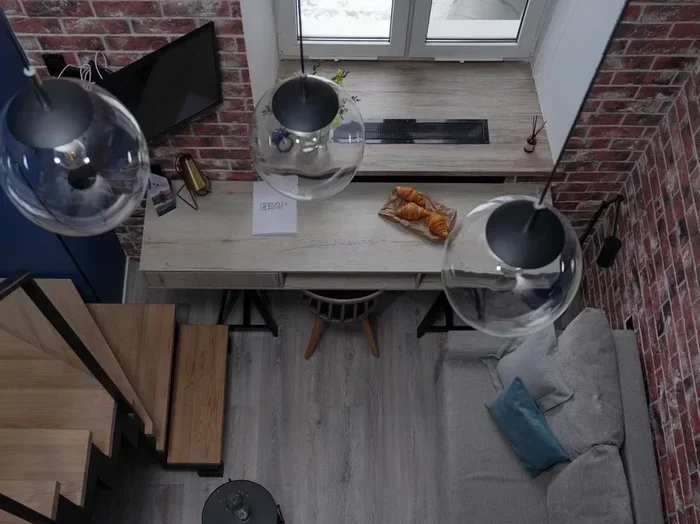
Nothing says industrial quite like an exposed brick wall. It adds instant texture and visual interest. The rough, uneven surface creates a warm backdrop for your furniture and art.
If you do not have real brick, there are great alternatives. You can use brick veneer panels or even high-quality faux brick wallpaper. Both options give you that authentic look without the renovation hassle. This is one of the easiest ways to bring the warehouse style into your home.
Metal and Steel Accents
Metal plays a huge role in industrial design. Steel frames, iron legs, and copper details all contribute to the look. Look for furniture pieces with visible metal construction.
Some popular choices include:
- Steel frame sofas with clean lines
- Iron coffee tables with pipe legs
- Metal shelving units for open storage
- Steel bar stools for a counter-height seating area
Mixing different metals can add depth. Try combining black iron with brushed copper for a layered, interesting feel. Just keep the palette mostly consistent so the room does not feel scattered.
Reclaimed Wood Features
Reclaimed wood brings warmth to balance out the coldness of metal and concrete. It softens the overall look and makes the room feel inviting. You can find reclaimed wood in old barns, factories, and shipping pallets.
Use reclaimed wood for:
- Coffee table tops with visible grain and patina
- Wall-mounted shelves for displaying books and plants
- Accent walls behind your media console
- Floating mantels around a fireplace
The beauty of reclaimed wood is that every piece tells a story. The knots, scratches, and weathering add character that new wood simply cannot replicate. This is a core principle of vintage industrial design.
Industrial Lighting Ideas That Set the Mood
Lighting is where industrial living room ideas truly come alive. The right fixtures can completely transform the feel of your space. Industrial lighting is bold, functional, and full of personality.
Edison Bulbs
Edison bulbs are the poster child of industrial lighting. Their warm glow and vintage filament shape create an instant atmosphere. You will find them in pendant lights, chandeliers, and table lamps.
Here is a quick tip: cluster several Edison bulbs together for a dramatic effect. A row of three bulbs on a black metal cord looks stunning over a coffee table. It gives off that classic loft apartment vibe without being over the top.
Pipe and Metal Fixtures
Pipe fixtures are another staple of this style. Black iron pipes used as lamp bases or curtain rods look incredibly stylish. They add an industrial edge while remaining practical.
You can buy pre-made pipe fixtures or build your own. DIY pipe lighting is a fun weekend project that lets you customize the size and shape. Just make sure to use proper wiring and follow safety guidelines.
Track Lighting and Recessed Fixtures
Do not overlook simpler lighting options. Track lighting and recessed fixtures work well in open-concept spaces. They provide even illumination without competing for attention. These work great as ambient lighting in a large industrial living room.
Furniture Choices for an Industrial Living Room
Selecting the right furniture is key to nailing the industrial look. You want pieces that feel sturdy, functional, and stylish. The furniture should hold its own against the raw textures of the room.
Leather and Upholstered Seating
Leather is a natural partner for industrial design. A deep brown or black leather sofa instantly grounds the room. Over time, leather develops a beautiful patina that adds to the vintage appeal.
If leather is not your style, look for heavy linen or canvas upholstery. These materials have a relaxed, lived-in feel that fits the industrial aesthetic perfectly. Avoid anything too delicate or overly polished.
Distressed and Rustic Pieces
Distressed furniture is a secret weapon in industrial design. A worn wooden side table or a weathered metal cabinet adds layers of visual interest. The imperfections are the point — they make the room feel real and honest.
When shopping for distressed pieces, look for authentic wear rather than artificial distressing. Real patina tells a better story and ages more gracefully. Thrift stores and antique markets are goldmines for these finds.
Multi-Functional and Minimalist Furniture
Industrial design embraces the idea of form following function. Choose furniture that serves a clear purpose. A storage ottoman, a lift-top coffee table, or a bookshelf with a built-in desk all fit this philosophy.
Keep the overall look streamlined. Too many pieces will clutter the space and fight against the clean lines of minimalist industrial design. Let each piece breathe and earn its place in the room.
Flooring and Wall Treatments
The foundation of your industrial living room starts with the floor and walls. These large surfaces set the tone for everything else in the space.
Concrete Flooring
Concrete floors are a hallmark of the industrial look. They are durable, easy to clean, and visually striking. Polished concrete gives a sleek, modern feel while stained concrete adds warmth and character.
If pouring concrete is not an option, consider concrete-look tiles or porcelain planks. Modern options are incredibly realistic and much easier to install. Pair them with a large area rug to soften the hard surface underfoot.
Wall Treatments Beyond Brick
While exposed brick is iconic, there are other wall options too. Stained concrete walls, plaster finishes, and even raw drywall can work. The key is to keep the surfaces honest and textured.
Open floor plans also play a big role in industrial design. Removing unnecessary walls makes the space feel larger and more connected. If you cannot remove walls, use open shelving and room dividers to maintain that airy feel.
Color Palette and Textiles
One of the biggest misconceptions about industrial design is that it is cold and colorless. In reality, a well-designed industrial room can feel warm and inviting. It is all about your choices.
The Neutral Base
Start with a neutral color palette as your foundation. Think grays, whites, taupes, and deep browns. These colors let the textures and materials take center stage. They also make the room feel calm and cohesive.
You can add pops of color through accessories and art. A bright throw pillow or a bold painting can liven up the space without breaking the industrial vibe. Keep the color additions minimal and intentional.
Softening with Textiles
One of the most common mistakes people make with industrial design is going too hard. A room full of metal and concrete can feel unwelcoming without the right textiles. This is where you add warmth and comfort.
Use these textile elements to balance the room:
- Wool throw blankets draped over the sofa
- Natural fiber rugs like jute or sisal
- Linen curtains that filter light beautifully
- Canvas pillows in earthy tones
These materials complement the raw textures of industrial design while making the space livable. They add softness and depth without compromising the overall aesthetic.
Common Mistakes to Avoid
Even with the best intentions, it is easy to go wrong with industrial design. Here are some pitfalls to watch out for.
Skipping comfort for style. Industrial does not mean uncomfortable. Your living room should still feel like a place you want to relax. Choose a plush sofa and cozy rugs alongside your metal and wood pieces.
Overdoing the cold elements. Too much metal and concrete without any warmth creates a sterile environment. Always balance hard surfaces with soft textiles and warm lighting.
Ignoring scale and proportion. A tiny industrial apartment needs different furniture than a large loft. Choose pieces that fit the room size. Oversized furniture in a small space will make it feel cramped and chaotic.
Forgetting personal touches. An industrial room should reflect your personality. Display your favorite books, travel souvenirs, and artwork. The style provides a framework — your personal items fill it with life.
Expert Tips for a Polished Industrial Living Room
Interior designers who specialize in industrial design share a few insider tips that can elevate your space from good to great.
Layer your lighting. Use a combination of overhead fixtures, table lamps, and floor lamps. This creates depth and allows you to adjust the mood for different occasions. A dimmer switch is your best friend in an industrial living room.
Embrace asymmetry. Perfect symmetry can feel too formal for industrial design. Arrange your furniture at slightly different angles or heights. This creates a dynamic, curated feel that looks more authentic.
Add greenery. Plants bring life to any space, and they work especially well in industrial rooms. The contrast between lush green leaves and raw materials is visually stunning. Try tall monstera plants or trailing pothos in metal planters.
Use statement art. Large-scale abstract paintings or black-and-white photography look incredible against exposed brick walls. Art becomes a focal point that ties the whole room together.
Bringing It All Together
Designing an industrial living room is about finding the right balance. You want raw textures and warm elements to coexist in harmony. Start with the big pieces — your walls, floors, and main furniture. Then layer in lighting, textiles, and decor details.
Remember, the best industrial living room ideas come from your own vision. Use this guide as a starting point, but let your personal taste lead the way. The most stunning industrial spaces feel curated over time, not designed in a single afternoon. Take your time, mix and match, and enjoy the process of creating a space that truly reflects who you are.
With the right combination of exposed brick, metal accents, reclaimed wood, and warm lighting, your living room can become the most talked-about room in your home. Start small if you need to. Even adding a few industrial decor pieces can shift the entire feel of the space. Trust the process and let the style evolve naturally.
Frequently Asked Questions
What are the essential elements of an industrial living room?
The essential elements include exposed brick walls, metal or steel furniture, reclaimed wood accents, and industrial lighting fixtures like Edison bulbs. Together, these pieces create the signature raw and authentic look that defines the industrial style.
Can I use industrial design in a small apartment?
Absolutely. Industrial design works beautifully in small spaces. Focus on light colors, open shelving, and multi-functional furniture to keep the room feeling spacious. Use mirrors to reflect light and make the area feel larger.
How do I keep an industrial room from feeling too cold?
Add soft textiles like wool throws, linen cushions, and natural fiber rugs. Warm lighting through dimmable fixtures also helps tremendously. Plants are another great way to bring life and warmth into a room with hard surfaces.
What colors work best for an industrial living room?
Neutral tones like gray, white, black, and brown form the perfect foundation. You can add accent colors through art, pillows, or small decor items. Stick to earthy and muted tones to maintain the authentic industrial feel.
Do I need real exposed brick for an industrial look?
Not at all. Brick veneer panels, faux brick wallpaper, or even a painted concrete wall can achieve the same effect. The goal is to capture the texture and character of industrial spaces, and there are many affordable alternatives to real brick.
Where can I find affordable industrial furniture?
Thrift stores, antique markets, and online resale platforms are excellent sources for authentic industrial pieces. You can also find affordable replicas at many home décor retailers. DIY projects using pipe fittings and reclaimed wood can also save money while adding a personal touch.
=== CONCLUSION ===
Industrial living room ideas offer a timeless and versatile approach to home design. By combining raw materials like brick, metal, and reclaimed wood with warm textiles and thoughtful lighting, you can create a space that is both stylish and livable. The beauty of this style lies in its honesty and simplicity. Let the materials speak, add your personal touch, and enjoy a living room that feels as unique as you do. Start experimenting today and watch your space come to life with the bold character of industrial design.