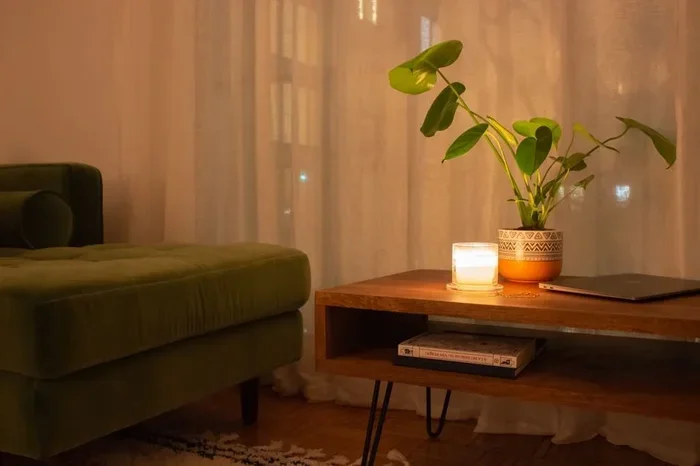
How to Style a Living Room for a Cozy and Beautiful Home
Learning how to style a living room does not require a big budget or professional help. This guide covers furniture arrangement, color palettes, lighting layers, and decorative touches that create a warm and inviting space. You will find practical tips, common mistakes to avoid, and expert insights that make the process simple and fun.
There is something truly magical about walking into a living room that feels put together. The colors feel just right. The furniture invites you to sit down and stay a while. The lighting casts a warm glow across the room. If you have ever wondered how to style a living room that looks this good, you are in the right place.
Styling a living room is not about having a huge budget or a designer on speed dial. It is about making thoughtful choices that reflect who you are and how you want to feel at home. Whether you are starting from scratch or giving an existing room a refresh, this guide will walk you through every step. You will learn how to choose a color palette, arrange furniture for comfort, layer lighting, and add the finishing touches that make a house feel like a home.
By the time you finish reading, you will have a clear action plan. You will know exactly what to do first, what to skip, and how to avoid the mistakes that trip up so many people. Let us dive in and turn your living room into the cozy retreat you have always wanted.
Key Takeaways
- Start with a vision: A clear color palette and style direction set the foundation for every decorating decision.
- Arrange furniture for flow: A thoughtful seating arrangement encourages conversation and makes the room feel open and welcoming.
- Layer your lighting: Mixing ambient, task, and accent lighting fixtures creates depth and a cozy atmosphere after dark.
- Add personality through accessories: Throw pillows, area rugs, wall art, and decorative trays bring character and warmth to any space.
- Avoid common pitfalls: Skipping the rug, choosing the wrong scale, and ignoring natural light are mistakes that cheapen the look.
- Edit ruthlessly: Less is often more. Curate your pieces carefully for a polished and intentional feel.
📑 Table of Contents
- Why Styling Your Living Room Matters
- Start with a Color Palette and Style Direction
- Arrange Furniture for Comfort and Flow
- Layer Lighting for Warmth and Ambiance
- Add Personality with Decor and Accessories
- Common Mistakes to Avoid When Styling a Living Room
- Final Thoughts on How to Style a Living Room
Why Styling Your Living Room Matters
The living room is the heart of most homes. It is where families gather, friends catch up, and quiet moments happen. A well-styled living room does more than look good. It sets the tone for your entire home. When you walk into a beautifully arranged space, your stress drops and your mood lifts.
Interior styling tips go far beyond picking out pretty things. It is about creating a space that works for your life. Think about how you use the room. Do you host movie nights? Do you love reading in a cozy corner? Do you need a space where the kids can play? Your answers to these questions should guide every decision you make. The goal is a room that feels both beautiful and livable.
A living room makeover does not need to happen all at once. You can take small steps and still see dramatic results. Start with one area, like the seating arrangement or the wall art, and build from there. Each small change adds up. Over time, your living room decor will evolve into something that feels uniquely yours.
Set the Mood with a Clear Vision
Before you buy anything, take a step back and think about the mood you want to create. Do you want a cozy aesthetics feel with soft textures and warm tones? Or do you lean toward a modern look with clean lines and bold accents? Your vision does not need to be fancy. A simple word or phrase like “relaxing retreat” or “warm and inviting” can guide your choices.
Write your vision down. Pin it to your fridge or save it in a notes app. When you are shopping for home styling ideas, this vision becomes your filter. If something does not match the feeling you are going for, you can let it go. This simple habit saves money and prevents clutter from creeping in.
Start with a Color Palette and Style Direction
Choosing a color palette is one of the most impactful steps in how to style a living room. Colors set the entire mood. They affect how the room feels, how big or small it looks, and how comfortable you feel inside it.
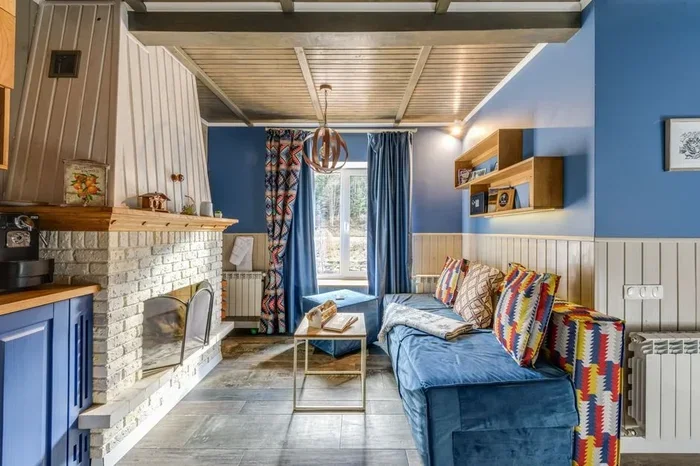
For a cozy living room, consider warm neutral tones like cream, beige, soft gray, or warm white. These colors create a calm and grounding base. Once you have your base, pick one or two accent colors. Think dusty blue, sage green, terracotta, or mustard yellow. These pops of color add interest and personality without overwhelming the space.
Use the 60-30-10 Rule
A simple trick that interior designers use is the 60-30-10 rule. About 60 percent of your room should be your dominant color. This usually means your walls and large furniture pieces. Thirty percent should be your secondary color, like upholstery or curtains. The remaining 10 percent is your accent color, which comes from throw pillows, decorative accessories, and small decor items.
This ratio creates visual balance. It keeps the room feeling harmonious while still having enough variety to keep things interesting. You do not need to be perfect about this. The rule is a guide, not a strict law. Just having a general sense of your color distribution makes a big difference.
Consider Your Natural Light
Your room’s natural light affects how colors look. A north-facing room with cool light pairs well with warm tones to balance things out. A south-facing room with plenty of sunshine can handle cooler colors like blues and greens. Look at your room at different times of day before you commit to a color. This small step prevents costly surprises.
Arrange Furniture for Comfort and Flow
The way you place your furniture has a huge impact on how the room feels. A good furniture arrangement encourages conversation, allows easy movement, and makes the space feel intentional. A poor arrangement can make even the most beautiful room feel cramped and awkward.
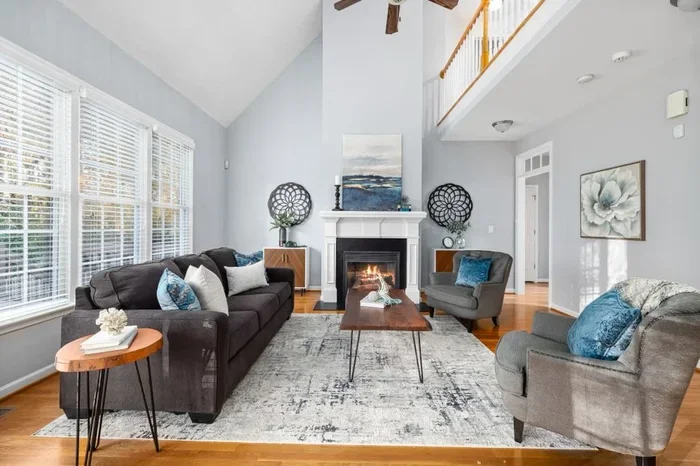
Start with your largest piece, usually the sofa. Place it facing the room’s focal point, which is often the television or a fireplace. Then build around it. Add armchairs at an angle to create a welcoming conversation area. Make sure there is enough space between pieces for people to walk through comfortably.
Anchor the Room with an Area Rug
One of the most common mistakes people make is skipping the area rug. A rug anchors the furniture grouping and defines the seating area. All front legs of your sofa and chairs should sit on the rug. This creates a sense of unity and makes the room feel pulled together.
Choose a rug size that fits your furniture layout. For a large living room, a rug that is at least eight by ten feet works well. For smaller spaces, a five by eight foot rug can still do the job. The rug adds texture, color, and warmth underfoot. It is one of the simplest ways to elevate your living room decor.
Scale Matters More Than You Think
Furniture scale refers to how large or small pieces are relative to the room. Oversized furniture in a small room makes it feel cramped. Tiny furniture in a large room makes it feel empty and unfinished. Measure your space before you shop. Sketch out a rough floor plan if that helps. Keeping furniture in proportion to the room is one of the most important interior styling tips you can follow.
Create Focal Points
Every room needs a focal point. It is the first thing your eyes land on when you enter. A fireplace, a large piece of wall art, or a beautiful window view can all serve this purpose. Arrange your furniture so that it draws the eye toward that focal point. This creates a natural flow and makes the room feel purposeful.
Layer Lighting for Warmth and Ambiance
Lighting is the secret weapon of any beautifully styled room. A single overhead light creates harsh shadows and flat energy. Layering different types of lighting fixtures transforms the mood completely. It adds depth, warmth, and dimension to the space.
Think of lighting in three layers. The first is ambient lighting, which provides general illumination. This can be a ceiling fixture or recessed lights. The second is task lighting, which helps you see clearly for specific activities. Table lamps, floor lamps, and reading lights fall into this category. The third is accent lighting, which highlights artwork, architectural details, or cozy corners.
Use Table Lamps and Floor Lamps Strategically
Table lamps on side tables and floor lamps in corners are game changers for creating a cozy atmosphere. They cast soft, warm light that makes the room feel intimate and inviting. Place lamps at varying heights to create visual interest and even light distribution.
Warm light bulbs are essential for a cozy living room. Look for bulbs with a color temperature around 2700K. This warm white tone mimics the glow of candlelight and makes everyone in the room feel relaxed. Avoid cool white bulbs, which can make the space feel clinical and unwelcoming.
Add Dimmer Switches
If you can, install dimmer switches on your main lighting fixtures. Dimmers let you adjust the brightness to match the time of day and the mood you want. A bright setting works for cleaning and entertaining. A dim setting creates a relaxing atmosphere for movie nights or quiet evenings with a book. This small upgrade makes a huge difference in how the room feels throughout the day.
Add Personality with Decor and Accessories
This is where your personal style really shines. Decor and accessories are the finishing touches that turn a generic room into a space that feels like you. The key is to curate with intention. Every item should serve a purpose or spark joy.
Start with the basics and build outward. Throw pillows add comfort and color to your seating arrangement. Mix different sizes, textures, and patterns for visual interest. A few well-chosen accent pieces like a ceramic vase, a stack of books, or a decorative tray on the coffee table add character without cluttering the space.
Use Wall Art to Tell Your Story
Wall art is one of the easiest ways to inject personality into a living room. Choose pieces that resonate with you personally. They do not have to match perfectly. A gallery wall with a mix of framed prints, photographs, and small canvases creates a dynamic and eclectic feel. Alternatively, a single large statement piece above the sofa makes a bold and clean statement.
Hang art at eye level, which is typically about 57 to 60 inches from the floor. This applies whether you are hanging one piece or an entire gallery wall. Proper placement makes the room feel polished and intentional.
Bring in Natural Textures
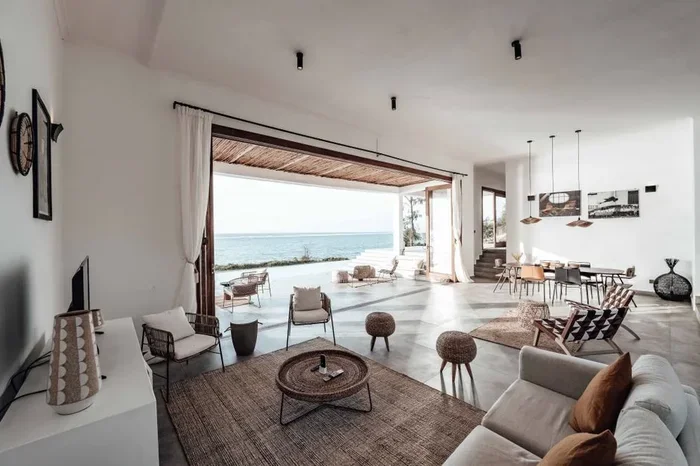
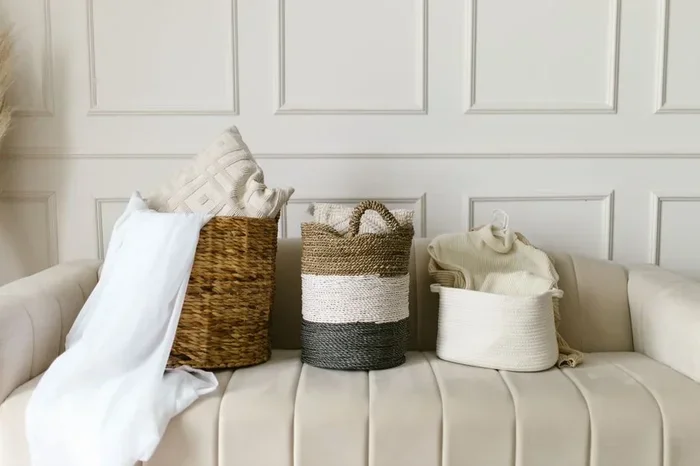
Natural textures add warmth and depth to any living room. Think woven baskets, wooden trays, linen curtains, jute area rugs, and stone or ceramic accents. These elements connect the indoor space to the natural world and create a sense of calm. They also pair beautifully with almost any color palette or style direction.
You do not need to go all natural. Even adding a few textured elements like a chunky knit throw blanket or a rattan accent chair can make a noticeable difference. These pieces invite touch and make the room feel more inviting and lived-in.
Style Your Shelves and Surfaces
Open shelves, mantels, and side tables are opportunities to display decorative accessories. Group items in odd numbers for a more natural and visually appealing arrangement. Vary heights and mix materials. A candle, a small plant, a framed photo, and a decorative object on a tray create a curated look that feels effortless.
Less is more when it comes to styling surfaces. Resist the urge to fill every inch. Leaving some breathing room makes the room feel calm and sophisticated. A few well-placed items always look better than a crowded shelf.
Common Mistakes to Avoid When Styling a Living Room
Even the best intentions can lead to missteps. Knowing what to avoid saves you time, money, and frustration. Here are the most common mistakes people make when trying to style a living room.
Skipping the rug. As mentioned earlier, a rug anchors the furniture and defines the space. Without it, the room can feel loose and disconnected.
Choosing the wrong scale. Furniture that is too large or too small for the room throws off the entire balance. Always measure before you buy.
Ignoring the lighting. Relying on a single overhead light creates a flat and uninviting atmosphere. Layering light sources is essential for a cozy feel.
Overaccessorizing. Too many decorative items create visual noise and make the room feel cluttered. Edit your accessories regularly and keep only what you love.
Forgetting about traffic flow. Make sure there is enough space to walk between furniture pieces. A good rule of thumb is to leave at least 30 inches of walkway space. This keeps the room feeling open and easy to move through.
Matching everything perfectly. A living room where every piece matches can feel sterile and boring. Embrace mix and match. Combine different textures, patterns, and styles for a space that feels curated and interesting.
Expert Insight: The Power of Editing
Professional stylists often say that editing is just as important as adding. Once you have placed your furniture, lighting, and accessories, step back and look at the room with fresh eyes. Remove anything that does not serve a purpose or bring you joy. A decluttered space always looks better than a crowded one. Editing is what takes a good room and makes it great.
Final Thoughts on How to Style a Living Room
Styling a living room is a journey, not a destination. It is about making choices that reflect your personality and create a space where you feel truly at home. Start with a clear vision and a cohesive color palette. Arrange your furniture for comfort and flow. Layer your lighting for warmth and ambiance. Then add personal touches through carefully chosen accessories and decor.
Remember that perfection is not the goal. A beautifully styled living room feels lived-in, warm, and authentic. It is a space that tells your story. So take your time, enjoy the process, and trust your instincts. With the tips and insights in this guide, you have everything you need to create a living room that is both cozy and beautiful. Your dream home is closer than you think.
Frequently Asked Questions
What is the first step in how to style a living room?
The first step is to define your vision and choose a color palette. Think about the mood you want to create and write down a few descriptive words. This foundation guides every decorating decision you make from that point forward.
How do I arrange furniture in a small living room?
Focus on scale and flow. Choose furniture that fits the room without crowding it. Place the sofa facing the focal point and add a couple of chairs at an angle to encourage conversation. Leave at least 30 inches of walkway space so the room feels open and easy to move through.
What lighting is best for a cozy living room?
Layered lighting works best. Combine ambient light from a ceiling fixture, task light from table or floor lamps, and accent light to highlight art or architectural features. Use warm white bulbs around 2700K and consider adding dimmer switches for flexibility.
How many throw pillows should I use on my sofa?
A good rule of thumb is three to five pillows for a standard sofa. Mix different sizes and textures for visual interest. Avoid matching sets exactly, as a curated mix looks more inviting and personal.
Can I mix different decorating styles in my living room?
Absolutely. Mixing styles is one of the best ways to create a space that feels unique and personal. The key is to keep a consistent color palette and repeat a few elements throughout the room so it still feels cohesive.
How often should I update my living room decor?
You do not need to redecorate often. Small swaps like changing throw pillow covers, adding a new area rug, or updating wall art can refresh the room without a big investment. Focus on editing regularly and keeping only what you truly love.