How to Brighten Up a Dark Living Room Without Spending Much
Learn how to brighten up a dark living room with simple, budget-friendly tricks that work in any home. These practical tips cover mirrors, lighting, paint, curtains, and decor choices to make your space feel open and airy. You do not need a big budget or renovation experience to transform a dim room into a warm and welcoming living space.
Is your living room feeling like a cave? You are not alone. Many homes have rooms that just do not get enough sunlight. A dark living room can feel gloomy and make the whole space feel smaller than it really is. But here is the good news. You do not need to break the bank to fix it.
There are many simple and budget-friendly ways to bring more light into your space. From swapping out curtains to adding a few well-placed mirrors, small changes can make a huge difference. This guide will walk you through practical steps on how to brighten up a dark living room without spending much money.
Whether you rent or own, these tips work for any home. You will learn easy swaps, clever tricks, and design ideas that anyone can try. Let us get started and turn that dim room into a bright and welcoming space.
Key Takeaways
- Use mirrors and reflective surfaces: Placing mirrors opposite windows instantly doubles the natural light in a room.
- Layer your lighting: Combine ambient, task, and accent lighting to eliminate dark corners and create balance.
- Choose light paint colors: White, cream, and soft neutrals reflect light and make walls feel farther away.
- Swap heavy curtains for sheer fabrics: Lightweight window treatments filter sunlight while keeping privacy.
- Declutter and pick low-profile furniture: Less furniture and lighter colors let light flow freely through the room.
- Avoid common mistakes: Steer clear of dark accents, single light sources, and overcrowded spaces.
- Start small and build up: A few simple changes can create a big difference in room brightness and feel.
📑 Table of Contents
- Why Is Your Living Room So Dark?
- Use Mirrors and Reflective Surfaces to Add Light
- Pick the Right Lighting Fixtures for Your Room
- Paint and Wall Treatments That Make a Difference
- Window Treatments That Let Light In
- Furniture and Decor Choices for a Brighter Room
- Common Mistakes to Avoid When Brightening a Dark Room
- Final Thoughts on Brightening Your Living Room
Why Is Your Living Room So Dark?
Before you fix the problem, it helps to understand what is causing it. A dark room usually comes down to a few common issues. Once you know the root cause, you can pick the right solutions.
The Usual Culprits
First, think about your windows. Small windows or windows that face north often let in less natural light. Next, consider your wall colors. Dark paint absorbs light instead of bouncing it around the room. Heavy furniture and clutter also block light from flowing freely. Even your flooring can play a role. Dark carpets and floors soak up light that could otherwise reflect upward and brighten the space.
Another big factor is your lighting fixtures setup. Many living rooms rely on just one overhead light. This creates harsh shadows and leaves corners dim. Understanding these causes helps you target your efforts where they matter most.
Quick Tips to Identify the Problem
- Stand in different spots at different times of day and notice where shadows fall.
- Check if your windows have dirty glass or blocked views that reduce incoming light.
- Look at your walls. Are they painted a dark or muted color?
- Notice if your furniture blocks windows or walkways that light needs to travel through.
Once you spot the main issues, you can start making changes that actually work. The goal is to create a bright and airy feel without a major renovation.
Use Mirrors and Reflective Surfaces to Add Light
One of the easiest and most effective tricks is adding mirrors. Mirrors bounce natural light around the room and create the illusion of more space. They are a game-changer for any dark living room and one of the best interior design tips you can follow.
Where to Place Mirrors for Maximum Impact
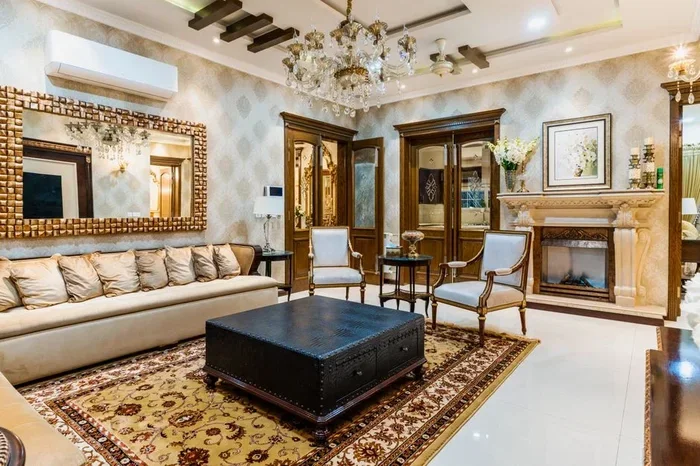
The best spot for a mirror is directly across from a window. This sends light back into the room and doubles the brightness. You can also hang mirrors on walls perpendicular to windows to spread light to the sides. A large floor mirror leaning against a wall works great too. The idea is to catch light where it enters and redirect it deeper into the room.
Do not be afraid to use more than one mirror. Grouping smaller mirrors on a gallery wall adds depth and reflects light from multiple angles. This creates a space illusion that makes the room feel larger and more open than it actually is.
Other Reflective Surfaces That Help
Mirrors are not the only option. Glossy or satin-finish furniture reflects light better than matte pieces. Glass coffee tables, metallic decor, and glossy picture frames all help. Even shiny flooring like polished hardwood or light tile can brighten a room significantly. The idea is to use surfaces that bounce light around instead of absorbing it. These small additions work together to increase overall room brightness.
Expert Insight: Interior designers often suggest placing a large mirror on the wall opposite your main window. This single trick can make a dark living room feel twice as bright. It is the simplest interior design tip that delivers real results and costs almost nothing.
Pick the Right Lighting Fixtures for Your Room
Natural light is ideal, but you also need good artificial lighting. The right lighting fixtures can transform a dim room into a warm and inviting space. The trick is to layer your light sources so there are no dark pockets in the room.
Layer Your Lighting for Better Results
A single ceiling light is not enough. Instead, combine three types of lighting. Start with ambient light from a central fixture. Add task lighting like floor lamps near reading chairs. Finish with accent lighting such as picture lights or LED strips. This layered approach eliminates dark corners and creates a balanced glow throughout the room. Proper lamp placement is key. Position lamps at eye level or slightly above to spread light evenly.
Budget-Friendly Lighting Upgrades
You do not need expensive fixtures to get great results. Swap out old bulbs for daylight or warm-white LED bulbs. These bulbs mimic natural light and make a room feel much brighter. Table lamps with light-colored shades also help soften and spread light. Even a simple plug-in wall sconce can add a warm glow where you need it most. These upgrades are some of the easiest budget-friendly decor changes you can make.
| Lighting Type | Best For | Budget Range |
|---|---|---|
| LED Daylight Bulbs | Overall room brightness | $3-$8 per bulb |
| Table Lamp with Light Shade | Task lighting and ambiance | $15-$40 |
| Floor Lamp | Filling dark corners | $20-$60 |
| Plug-in Wall Sconce | Accent and mood lighting | $10-$25 |
| LED Strip Lights | Under shelves and cabinets | $8-$20 per pack |
Mix and match these options based on your room size and needs. The goal is to have light coming from multiple directions. This makes the room feel open and welcoming. Warm lighting adds coziness without making the space feel heavy.
Quick Tip: Try using dimmable bulbs. They let you adjust the brightness throughout the day. In the morning, go bright. In the evening, dim down for a relaxed cozy atmosphere.
Paint and Wall Treatments That Make a Difference
Your wall color has a huge impact on how bright a room feels. The right paint choice can double the amount of light a room seems to have. This is one of the most effective home improvement steps you can take to brighten up a dark living room.
Best Paint Colors for a Brighter Room
Stick to light and neutral tones. White, cream, soft gray, and pale yellow all reflect light beautifully. These light colors bounce natural light around the room and keep it feeling open. If you want a bit of color, try soft pastels like light blue or sage green. They add personality without absorbing light the way dark colors do.
Consider painting your ceiling a shade or two lighter than your walls. This draws the eye upward and makes the room feel taller and more open. A glossy or semi-gloss finish on the ceiling also helps reflect light downward. If you are not ready to paint the entire room, try a lighter ceiling paint on just the upper portion of the walls for a subtle effect.
DIY Wall Treatments on a Budget
If repainting the whole room feels like too much, try smaller changes. Add a light-colored accent wall behind your sofa. Use peel-and-stick wallpaper in a light pattern. Even hanging a large light-colored tapestry can soften dark walls and add visual interest. These small touches refresh the room without a big expense. They are perfect for renters who want to improve their space without making permanent changes.
Quick Tip: If you cannot repaint, try hanging lightweight light-colored curtains even over dark walls. This adds a layer of brightness and softens the overall look of the room. It is a simple trick that makes a noticeable difference.
Window Treatments That Let Light In
Your curtains and blinds play a big role in how much light enters the room. Heavy drapes block light completely, but you do not have to remove them entirely. The trick is choosing the right window treatments that balance light and privacy.
Choose Sheer and Lightweight Fabrics
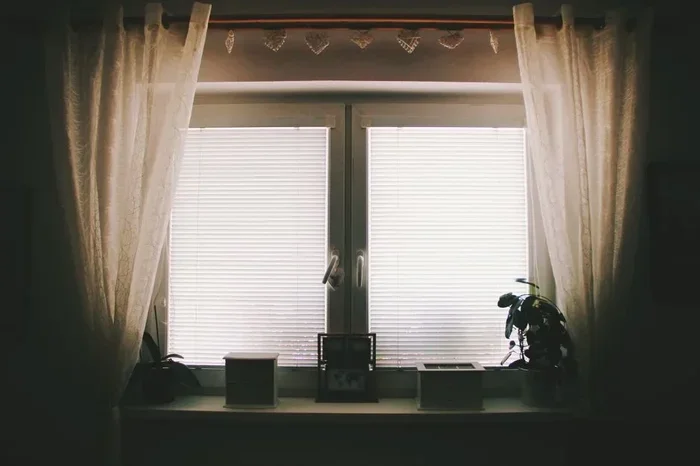
Sheer curtains are a wonderful option. They filter sunlight softly and let plenty of light pass through while still providing privacy. Look for curtains in white or light colors. These will brighten the room even when they are drawn. Avoid thick, dark fabrics that block all natural light from entering your space.
Other Window Tricks to Maximize Light
- Keep your windows clean inside and out. Dirty glass can block up to 20 percent of incoming light.
- Use curtain rods that extend wider than the window frame. This lets you pull curtains fully open.
- Try Roman shades in light linen. They look elegant and allow light to filter through gently.
- Remove heavy blinds and replace them with light-filtering roller shades.
- Place a mirror near the window to reflect light back into the room.
Common Mistake: Many people hang curtains too close to the ceiling or too short. Long curtains that reach the floor create a sense of height and make the room feel larger and brighter. Hang them as close to the ceiling as possible and let them pool slightly at the floor for the best effect.
Furniture and Decor Choices for a Brighter Room
What you put in your room matters just as much as what you leave out. Your furniture choices and decor items can either help or hurt your efforts to brighten up a dark living room. Making smart choices here can transform the entire feel of the space.
Choose Light-Colored and Low-Profile Furniture
Heavy dark furniture absorbs light and makes a room feel cramped. Instead, opt for pieces in light wood, white, or soft neutral tones. Low-profile furniture also helps because it does not block light from traveling across the room. A sleek sofa with exposed legs, for example, lets light flow underneath and around the furniture. This creates a sense of openness that heavier pieces simply cannot match.
Declutter to Let Light Flow
Clutter blocks light and makes a room feel smaller. Clear off surfaces and keep pathways open. A tidy room naturally feels brighter and more open. Use storage baskets to hide items you do not need on display. This keeps the space clean and allows light to move freely. Remember, less is more when you are trying to create a bright and airy atmosphere.
Add Light and Airy Decor Accents
Small decor choices add up over time. Light-colored throw pillows, a pale area rug, and sheer tablecloths all contribute to a brighter feel. Add plants with light green leaves for a fresh and lively touch. Glass or acrylic decor items are nearly invisible and do not block light. Even your choice of picture frames matters. Go for thin, light-colored frames instead of heavy dark ones. These small swaps collectively boost room brightness without any major expense.
Quick Tip: Place a few candles or string lights in light-colored holders. They add a warm glow that makes the room feel cozy without adding visual weight. This is a great way to create a cozy atmosphere while keeping the room feeling light and open.
Expert Insight: Designers recommend the 60-30-10 rule for room color balance. Use 60 percent light neutral tones, 30 percent a slightly darker accent color, and 10 percent a pop of brightness. This creates a harmonious and well-lit space that feels balanced and inviting. It is one of the most reliable interior design tips for any room in your home.
Common Mistakes to Avoid When Brightening a Dark Room
It is just as important to know what not to do. Avoiding common mistakes saves you time and money. Here are the pitfalls to watch out for when working on your living room lighting and overall room design.
- Using too many dark accessories. Too many dark items absorb light and cancel out your brightening efforts. Keep dark accents to a minimum and choose lighter alternatives instead.
- Ignoring the floors. Dark flooring drags the whole room down. A light rug can make a big difference if you cannot change your floors. It adds light colors to the visual field and reflects light upward.
- Overcrowding the room. Too much furniture blocks light paths and makes the space feel heavy. Choose fewer, well-placed pieces that allow light to travel freely.
- Using only one light source. A single overhead light creates harsh shadows. Layer your lighting for a balanced and bright result that works for all times of day.
- Forgetting about the ceiling. A dark ceiling makes the room feel like it is closing in. Paint it a light color to open things up and reflect light downward.
By steering clear of these mistakes, you set yourself up for success. Your living room lighting and overall room brightness will improve dramatically. These are the small errors that undo even the best budget-friendly decor efforts.
Final Thoughts on Brightening Your Living Room
Making a dark living room feel bright and open is easier than you think. You do not need a big budget or a renovation crew. Small changes like adding mirrors, swapping curtains, and choosing the right paint can completely transform your space. The key is to focus on reflecting light, layering your sources, and keeping things simple and uncluttered.
Start with one or two tips from this guide and build from there. Each small change adds up. Before long, your room will feel lighter, warmer, and more inviting. The goal is to create a space you love spending time in. A bright living room sets the tone for your entire home. So take action today and enjoy the difference. Your refreshed room is just a few simple steps away. How to brighten up a dark living room does not have to be complicated or expensive. It just takes a little creativity and the willingness to make small, thoughtful changes.
Frequently Asked Questions
What is the cheapest way to brighten a dark living room?
The cheapest way is to add mirrors and swap out dark curtains for sheer ones. You can also repaint accent walls with lighter colors and replace old bulbs with daylight LED bulbs. These changes cost very little but make a noticeable difference in how bright your room feels.
Do mirrors really make a room brighter?
Yes, mirrors are one of the most effective tools for adding light. They reflect natural light around the room and create the illusion of more space. Placing a mirror opposite a window sends sunlight deeper into the room, which instantly makes the space feel brighter and more open.
What colors make a living room look brighter?
Light and neutral tones work best. White, cream, soft gray, and pale yellow reflect light and keep the room feeling airy. Soft pastels like light blue or sage green add color without absorbing light. Avoid dark or bold colors on large surfaces if your goal is to increase room brightness.
Can I brighten a dark room without repainting?
Absolutely. You can use light-colored curtains, add mirrors, upgrade your lighting bulbs, and declutter the space. Hanging a large light-colored tapestry or adding a pale area rug also helps. These changes do not require any paint and can still transform a dark living room into a brighter space.
What type of lighting is best for a dark living room?
Layered lighting works best. Combine ambient light from a central fixture, task lighting from floor or table lamps, and accent lighting from LED strips or wall sconces. Use warm-white or daylight LED bulbs to mimic natural light and create a balanced glow that eliminates dark corners.
How can I make my living room feel bigger and brighter at the same time?
Use mirrors to create a space illusion, choose low-profile furniture with exposed legs, and keep the room uncluttered. Light-colored walls and sheer curtains also help. These interior design tips work together to make the room feel both larger and brighter without any major renovation.